
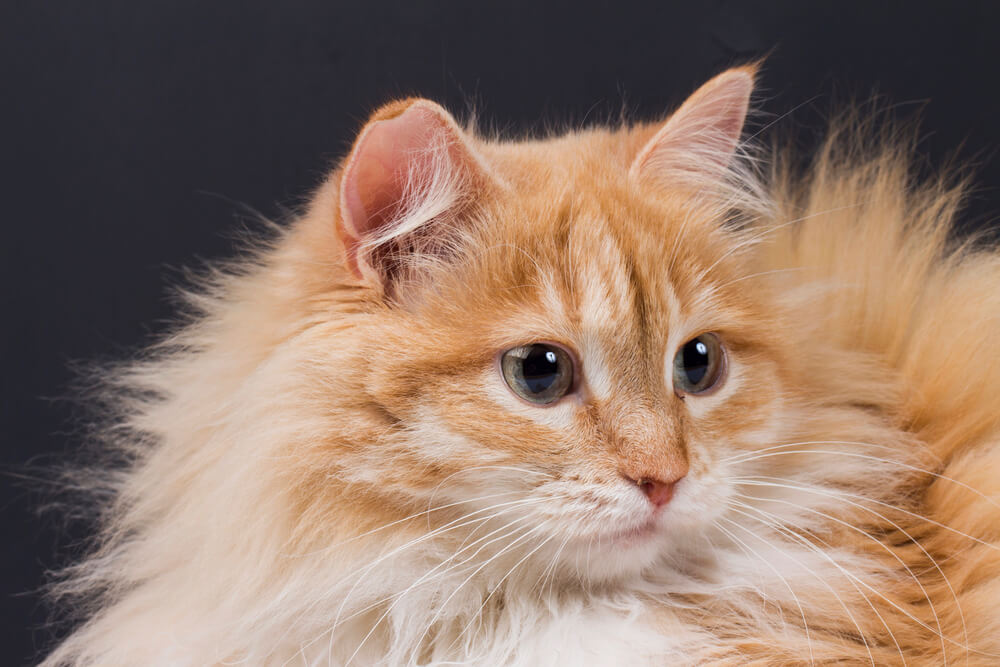
Imagine running your fingers through the soft fur of a cat with striking ear tufts, those charming tufts of fur that make them look so unique and captivating. If you’re a cat lover, you’ve likely noticed these distinctive features on certain breeds and perhaps wondered which ones possess this adorable trait.
Ear tufts not only add to a cat’s allure but also hint at a touch of wilderness, sparking curiosity and admiration. You’re about to discover which cat breeds boast these enchanting ear tufts. Whether you’re considering adopting a new feline friend or simply want to learn more about these beautiful cats, this guide will quench your curiosity.
Stay with us as we unravel the mystery of these tufted ears and why they might just be your next favorite cat feature.
The Allure Of Ear Tufts
Certain cat breeds boast charming ear tufts. Maine Coons, Norwegian Forest Cats, and Lynx Point Siamese are popular examples. These tufts give cats a wild, majestic look, adding to their unique appeal.
The allure of ear tufts in cats is undeniable. These charming little tufts of fur add a unique touch to a cat’s overall appearance. They not only captivate our eyes but also spark curiosity about their purpose and benefits.Aesthetic Appeal
Ear tufts can make a cat look more exotic and distinguished. Breeds like the Maine Coon and Norwegian Forest Cat are famous for their striking tufts. These tufts can transform an ordinary-looking feline into a majestic creature that resembles a wild lynx. I remember the first time I saw a Maine Coon with ear tufts. It was at a local cat show, and the cat seemed to carry an air of nobility. Have you ever noticed how these tufts can give a cat an almost mythical presence?Functional Benefits
Beyond their beauty, ear tufts serve practical purposes. They help to keep debris out of a cat’s ears, acting as a natural barrier against dust and small particles. This can be particularly beneficial for outdoor cats who are more exposed to the elements. Additionally, ear tufts may enhance a cat’s hearing capabilities. By funneling sound into the ear, they can improve the ability to detect subtle noises. Does your cat have ear tufts, and have you noticed them being more alert to sounds? Understanding these aspects might make you appreciate ear tufts even more. Next time you pet your tufted-eared feline, consider how these little fur spikes contribute to both their grace and survival.Maine Coon
The Maine Coon is a favorite among cat lovers. Known for its large size and gentle nature, this breed is majestic and charming. The Maine Coon’s ear tufts add to its allure, making it a standout in the feline world.
Historical Background
The origins of the Maine Coon are steeped in mystery. It’s believed to have descended from long-haired cats brought by sailors. These cats adapted to the harsh climate of Maine. Their thick fur and rugged features helped them survive. Over time, they became popular farm cats in the region.
By the 19th century, Maine Coons were a common sight in New England. They were prized for their hunting skills and friendly demeanor. They even starred in early cat shows, gaining widespread admiration. This history contributes to the Maine Coon’s enduring popularity.
Distinctive Features
Maine Coons are known for their striking appearance. Large, muscular bodies make them one of the largest domestic cat breeds. Their fur is thick and water-resistant, ideal for cold climates. The tail is long and bushy, adding to their majestic look.
Ear tufts are a distinctive feature of Maine Coons. These tufts give them a wild, lynx-like appearance. The tufts help protect their ears from cold and debris. Maine Coons also have expressive eyes that add to their charm. Their gentle nature makes them great companions for families.
Norwegian Forest Cat
Norwegian Forest Cats stand out with their striking ear tufts. These tufts add a majestic touch to their appearance. Among cat breeds with ear tufts, they are widely admired for their natural beauty and charm. Their long fur and robust build enhance their enchanting look.
The Norwegian Forest Cat, often affectionately referred to as the “Wegie,” is a majestic feline known for its impressive size and lush coat. This breed is particularly famous for its ear tufts, which add to its wild and enchanting appearance. If you have ever wondered about the origins and unique features of this captivating cat, you’re in the right place.Origins And Evolution
The Norwegian Forest Cat has a rich history steeped in folklore and mythology. Legend has it that these cats were the companions of Vikings, sailing across seas and exploring new lands. Their robust nature and agility made them perfect for life on ships, where they helped control rodents. These cats are believed to have evolved naturally in the forests of Norway. Their thick coats and sturdy bodies are ideal for surviving harsh winters. This natural selection process gave rise to their distinctive ear tufts, which many believe help keep snow out of their ears.Physical Characteristics
One glance at a Norwegian Forest Cat, and you’ll notice its impressive stature. They are large, muscular cats with powerful legs designed for climbing. If you live in a multi-level home or have tall furniture, expect your Wegie to survey its domain from the highest point. Their ear tufts are not just aesthetically pleasing but also functional. These tufts, alongside their water-resistant coat, offer protection against cold and wet conditions. Their bushy tails and tufted paws further enhance their ability to navigate snowy terrains, making them true winter warriors. Do you find yourself captivated by the Norwegian Forest Cat’s appearance? Imagine a cat that combines the grace of a domestic pet with the wild allure of a forest dweller. Wouldn’t that be a fascinating companion to have in your home?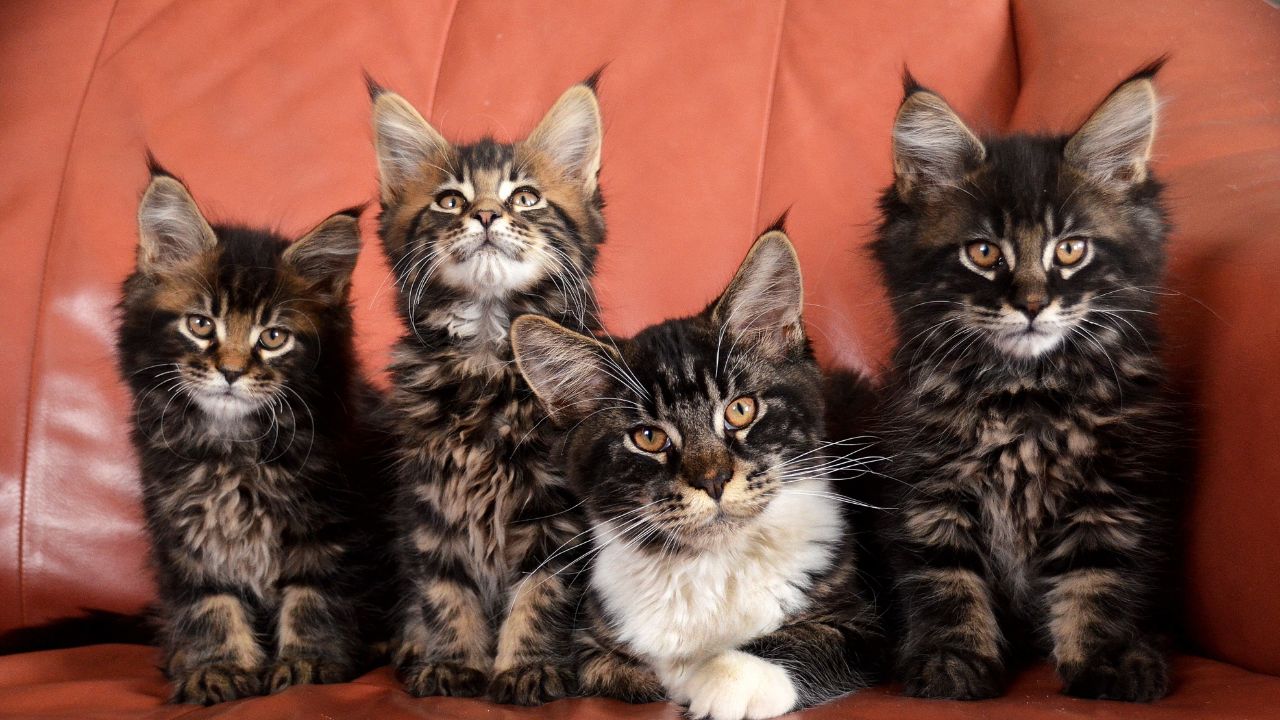
Credit: americanpaws.club
Siberian Cat
Siberian cats boast impressive ear tufts that catch the eye. These tufts add to their wild, majestic look. Their thick fur and playful nature make them a favorite among cat lovers.
The Siberian Cat is a majestic feline that hails from the forests of Russia, known for its stunning appearance and playful demeanor. This breed has been captivating cat enthusiasts worldwide with its thick, water-repellent coat and striking ear tufts. But there’s more to the Siberian Cat than just its good looks; it holds a special place in Russian culture and possesses unique traits that make it stand out among other breeds.Cultural Significance
The Siberian Cat is more than just a pet in Russia—it’s a symbol of natural beauty and resilience. For centuries, these cats have been companions to Russian families, and they are often featured in Russian folklore and literature. If you ever visit Russia, you might notice that the Siberian Cat is often depicted in art and stories as a creature of mystery and grace. Have you ever wondered what it feels like to share your home with a living piece of history?Unique Traits
What sets the Siberian Cat apart are its distinctive traits that many owners find irresistible. Their ear tufts are not just for show; they help keep their ears warm in cold climates. Siberians also have a hypoallergenic coat, which can be a game-changer for allergy sufferers. Imagine having a cat that doesn’t trigger your allergies! Additionally, their playful and friendly nature makes them great companions for families with children. Isn’t it amazing how these cats combine beauty with practicality? If you’re considering adding a Siberian Cat to your family, think about the unique experiences it could bring. Their cultural background and unique traits make them not just a pet, but a fascinating companion.American Bobtail
The American Bobtail is a unique cat breed known for its playful nature. Its short tail sets it apart from other breeds. This breed is loved for its friendly personality and intelligence. The American Bobtail is a great choice for families seeking a lively pet.
Breed Development
The American Bobtail emerged in the 1960s in North America. It started from a natural mutation resulting in a short tail. Breeders focused on preserving this distinct feature. They aimed to enhance its wild appearance. The breed combines various domestic cats with the bobtail trait. Over time, it gained popularity for its unique look and temperament.
Identifying Markers
American Bobtails are medium to large cats. Their muscular build gives them a strong presence. Ear tufts are a distinct feature, adding to their wild look. Their coat can be short or long, with a variety of patterns. The eyes are almond-shaped and express intelligence. Their tails are naturally short, adding to their charm. Their personality is friendly and adaptable, making them great companions.
Caracal
The Caracal is a captivating feline known for its distinctive ear tufts. These medium-sized wild cats have striking features that intrigue cat enthusiasts globally. Their sleek, golden fur and long, tufted ears make them a symbol of grace and mystery. Though not domesticated, the Caracal’s unique appearance sparks curiosity among pet lovers.
Wild Vs. Domestic
The Caracal is a wild cat, native to Africa and parts of Asia. Unlike domestic cats, Caracals are adapted to thrive in the wild. Their agility and hunting skills are honed for survival. Domestic cats with ear tufts, like the Maine Coon, differ greatly. They are bred for companionship, not survival. While domestic cats live in homes, Caracals roam savannas and forests.
Ear Tuft Role
Caracals possess prominent ear tufts that serve a specific function. These tufts enhance their hearing capabilities in the wild. They help detect prey and predators with precision. For domestic breeds, ear tufts are more aesthetic. They add charm and allure to the cat’s appearance. In Caracals, ear tufts play a crucial role in survival.
Ear Tufts In Mixed Breeds
Ear tufts are those charming hair tips found on some cats. They add a unique touch, especially in mixed breeds. These tufts can vary widely. Mixed breed cats often have fascinating combinations. Let’s explore how genes influence ear tufts.
Genetic Influences
Genetics play a big role in ear tufts. Parent genes decide the presence and size of tufts. A cat with tufted ears may pass this trait to its offspring. This happens even if only one parent has tufted ears. The genetic lottery determines the outcome. Some kittens may have prominent tufts. Others may have none at all.
Common Mixes
Mixed breeds often include popular tufted cats. Maine Coons are well-known for their ear tufts. They often mix with other breeds. Norwegian Forest Cats also contribute ear tufts in mixes. Their genes blend well with other types. This creates unique and varied offspring. Many mixed breed cats showcase these delightful features. Each cat’s appearance is distinct, making them special.

Credit: www.pinterest.com
Caring For Cats With Ear Tufts
Ear tufts give certain cat breeds a unique and charming appearance. Cats like Maine Coons and Norwegian Forest Cats often display these fluffy features. While they add to a cat’s beauty, ear tufts require specific care. Understanding grooming and health needs ensures your feline friend stays happy and healthy.
Grooming Tips
Regular brushing helps prevent tangles in ear tufts. Use a soft-bristle brush for gentle care. Pay extra attention to the area around the ears. This prevents matting and keeps tufts clean. Trim tufts only if absolutely necessary. Always use cat-friendly grooming tools. This ensures the safety and comfort of your pet.
Health Considerations
Check your cat’s ears weekly for signs of irritation. Watch for redness or unusual discharge. These may indicate ear infections. Ear tufts can trap dirt and debris. Clean the area gently with a damp cloth. Avoid using cotton swabs inside the ear canal. They can cause injury. Consult a vet if you notice persistent issues.
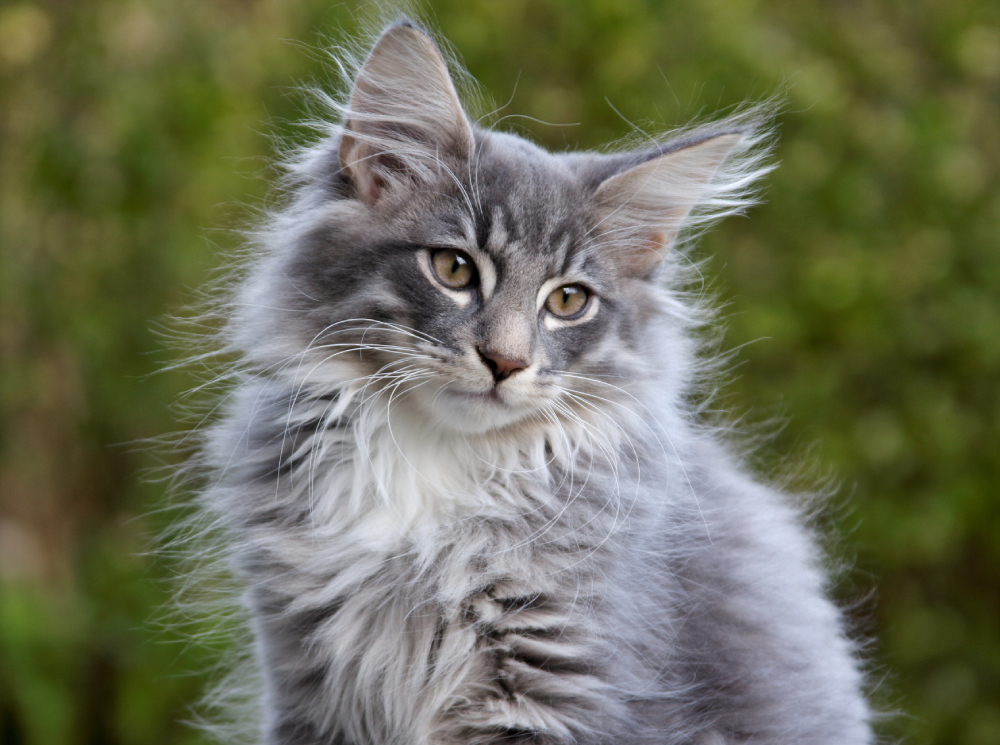
Credit: www.catster.com
Frequently Asked Questions
What Are Ear Tufts In Cats?
Ear tufts are the long, distinct hairs that grow from the tips of a cat’s ears. They are mainly decorative and can enhance a cat’s appearance. Ear tufts are often found in wild cat species, and some domestic breeds have inherited this striking feature.
Which Cat Breeds Commonly Have Ear Tufts?
Maine Coons, Norwegian Forest Cats, and Siberians are popular breeds with ear tufts. These breeds have ear tufts due to their natural adaptations to cold climates. Ear tufts add to their wild, majestic appearance and help protect their ears from harsh weather.
Do Ear Tufts Serve A Purpose For Cats?
Yes, ear tufts can protect a cat’s ears from debris and cold. They also enhance a cat’s hearing by channeling sound waves into the ears. In domestic cats, ear tufts are primarily aesthetic, contributing to their exotic and wild appearance.
Are Ear Tufts Exclusive To Long-haired Cats?
No, ear tufts can be found in both long-haired and short-haired cats. While long-haired breeds like Maine Coons often have prominent tufts, some short-haired breeds may also possess them. The presence of ear tufts is more about genetics than fur length.
Conclusion
Ear tufts add charm to certain cat breeds. They are unique and captivating. Maine Coons and Norwegian Forest Cats flaunt these tufts proudly. Siberian Cats and Lynx Point Siamese also showcase them. These tufts serve a purpose too. They protect ears from debris and cold.
Choosing a cat with ear tufts adds a special touch. Their beauty and function make them appealing. Now, you know which breeds have them. Consider these cats for a distinctive pet. They’re as charming as they are beautiful. Perfect for any cat lover seeking something unique.

Lily Purrington is the founder of MyKittyPicks.com, a cozy corner of the web dedicated to helping cat lovers discover the best cat products, furniture, toys, and home decor ideas.
A lifelong cat enthusiast, Lily shares trusted tips, honest product recommendations, and stylish inspiration designed to keep kitties happy and homes beautiful.
Her mission is simple: to bring together practical advice and purr-fect picks that make life better for cats and the people who love them.


