
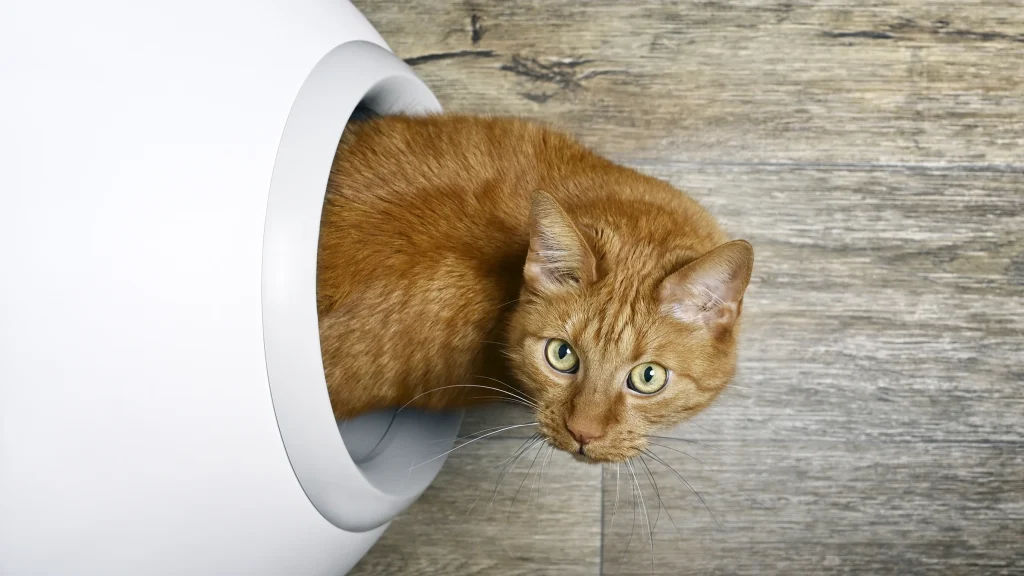
If you’re a cat owner, you know how important your furry friend’s health is to you. One serious issue that can suddenly put your cat in danger is a urinary blockage.
It’s painful, scary, and can become life-threatening if not handled quickly. But here’s the good news: you can take steps right now to help prevent this problem from ever happening to your cat. Keep reading to discover simple, effective ways to protect your cat’s urinary health and keep them happy and comfortable every day.
Causes Of Urinary Blockages
Urinary blockages in cats happen when their urinary tract is partly or fully blocked. This can stop urine flow and cause pain. Knowing the causes helps prevent this problem.
Blockages can be caused by several factors. These include diet, infections, and physical issues inside the cat’s body. Understanding these helps keep cats healthy.
Common Triggers In Cats
Certain triggers increase the chance of urinary blockages. Diet plays a big role. Cats eating dry food only may drink less water, making urine thicker. This can cause crystals or stones.
Stress also affects cats. Changes at home or fights with other pets can cause stress. Stress may lead to changes in urination habits and blockages.
- Poor hydration from dry food diets
- Urinary tract infections
- Stress from environment changes
- Obesity and low activity levels
Breed And Age Factors
Some cat breeds get urinary blockages more often. Male cats have narrower urethras, so blockages happen more in males. Older cats may have weaker bladder muscles.
Kittens and young cats can also be at risk if they eat improper diets. Knowing your cat’s breed and age helps spot risks early.
- Male cats have higher blockage risk
- Some breeds like Persians get blockages more
- Older cats may have weaker bladder control
- Kittens need balanced diets to avoid problems
Credit: www.litter-robot.com
Recognizing Early Signs
Urinary blockages in cats are serious and need quick attention. Spotting early signs helps protect your cat’s health.
Look closely at your cat’s behavior and physical state. Early detection can prevent pain and complications.
Behavioral Changes
Cats with urinary issues may act differently. Watch for these changes in their daily habits and mood.
- Frequent trips to the litter box but little or no urine
- Straining or crying while trying to urinate
- Restlessness or pacing around the house
- Hiding or avoiding social interaction
- Increased licking of the genital area
Physical Symptoms
Physical signs often show when blockages worsen. Check your cat for these symptoms.
| Symptom | What to Watch For |
| Swollen Abdomen | Hard or bloated belly that feels uncomfortable |
| Blood in Urine | Red or pink tint in the litter box |
| Vomiting | Repeated throwing up or nausea |
| Loss of Appetite | Refusing food or eating less than usual |
| Weakness | Lethargy or trouble standing and walking |
Dietary Adjustments
Urinary blockages in cats can be painful and dangerous. Changing their diet helps reduce the risk of these blockages. Small changes in food and water can keep your cat healthy and comfortable.
Paying attention to what your cat eats and drinks plays a big role in preventing urinary problems. Let’s look at key areas to focus on for better urinary health.
Hydration Importance
Water helps flush out toxins and keeps urine diluted. Cats often drink less water, so encouraging hydration is very important to avoid blockages.
- Provide fresh water daily in multiple bowls.
- Use water fountains to attract cats to drink more.
- Feed wet food to increase water intake naturally.
- Place water bowls away from food to encourage drinking.
Recommended Foods
Choosing the right foods supports urinary tract health. Some foods help maintain the right pH balance and reduce crystals in urine.
| Food Type | Benefit | Examples |
| Wet Food | Increases hydration | Canned chicken, fish, or turkey |
| Low Magnesium | Prevents crystal formation | Prescription diets, specially formulated cat food |
| High Protein | Supports muscle health | Lean meats, high-quality dry food |
| Low Carbohydrate | Reduces urine acidity | Grain-free options, meat-based diets |
Regular Vet Checkups
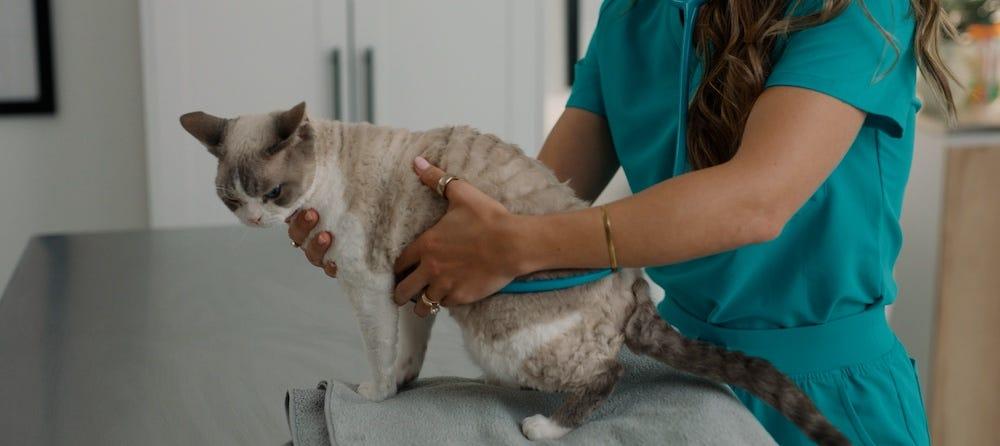
Regular vet checkups are important for your cat’s health. They help prevent urinary blockages, which can be serious.
During these checkups, vets can spot early signs of problems. This can save your cat from pain and discomfort.
Screening Tests
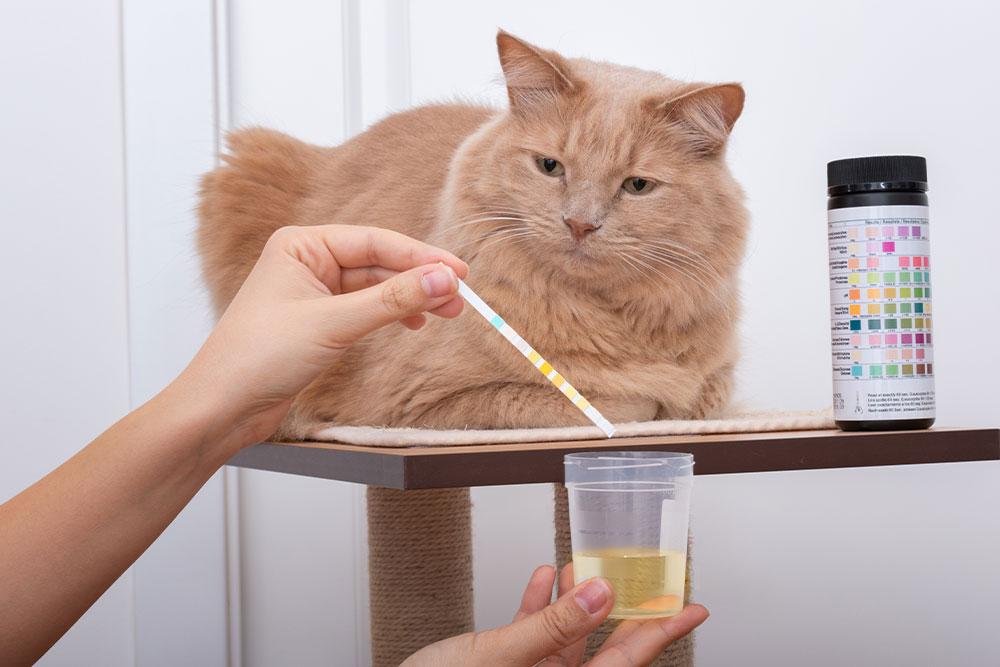
Screening tests help detect issues before they become big problems. Vets use these tests during checkups.
These tests include urine analysis and blood work. They show how your cat’s urinary system is working.
- Urine analysis checks for infection and crystals
- Blood work measures kidney function
- Imaging tests look for blockages
Preventive Treatments
Preventive treatments keep your cat’s urinary system healthy. These treatments help avoid blockages.
Vets may recommend a special diet or medications. These can reduce the risk of stones forming.
- Special diets dissolve urinary crystals
- Medications reduce inflammation
- Increased water intake flushes the system
Environmental Strategies
Preventing urinary blockages in cats needs a calm and clean environment. Simple changes can help keep your cat healthy.
Creating a safe space and reducing stress supports your cat’s urinary health.
Litter Box Maintenance
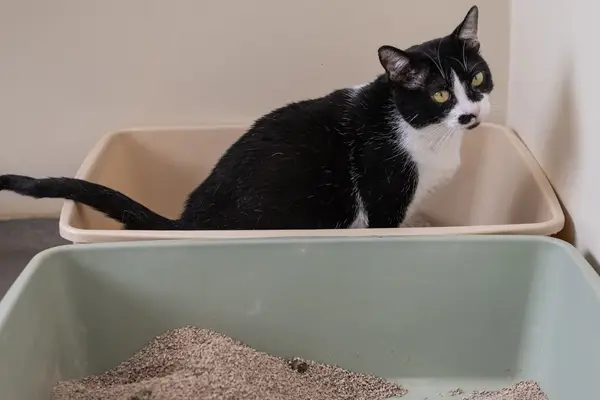
Keep the litter box clean to encourage your cat to use it often. Dirty boxes can cause your cat to hold urine too long.
Place litter boxes in quiet, easy-to-access places. Avoid crowded or noisy areas.
- Clean the litter box daily
- Use unscented, clumping litter
- Have one box per cat plus one extra
- Change litter completely once a week
- Keep boxes in calm, private spots
Reducing Stress Factors
Stress can cause urinary problems in cats. Keep your cat’s environment calm and stable.
Avoid loud noises, sudden changes, and conflicts with other pets. Give your cat a quiet place to rest.
- Keep a regular feeding and play schedule
- Use calming pheromone diffusers if needed
- Provide hiding spots and vertical spaces
- Introduce new pets slowly and carefully
- Spend quiet time petting and bonding
Credit: peakpeturgentcare.com
Medications And Supplements
Urinary blockages in cats can be dangerous and painful. Medications and supplements help prevent these blockages.
They support your cat’s bladder health and reduce the chance of stones or crystals forming.
When To Use Them
Use medications or supplements if your cat has a history of urinary blockages. Your vet can recommend the best options.
They are also helpful for cats with urinary tract infections or inflammation. These conditions raise the risk of blockages.
- Medications can dissolve crystals or stones.
- Supplements may support bladder lining health.
- Vets prescribe antibiotics if infections are present.
Natural Alternatives
Some natural supplements can help keep your cat’s urinary tract healthy. They are gentler than some medicines.
Always check with your vet before using natural products to make sure they are safe for your cat.
- Cranberry extract may reduce bacteria in the urinary tract.
- D-Mannose helps flush out harmful bacteria.
- Omega-3 fatty acids reduce inflammation.
- Increasing water intake supports urine flow and dilution.
Credit: gsvs.org
Frequently Asked Questions
What Causes Urinary Blockages In Cats?
Urinary blockages in cats often result from crystals, stones, or inflammation in the urinary tract. Diet, dehydration, and stress also contribute. Male cats are more prone due to narrower urethras. Early detection and preventive care are crucial to avoid serious complications.
How Can Diet Prevent Urinary Blockages In Cats?
A balanced diet low in magnesium and rich in moisture helps prevent urinary blockages. Wet food encourages hydration, reducing crystal formation. Specialized veterinary diets can maintain urinary pH and reduce stone risk. Always consult your vet before changing your cat’s diet.
Why Is Hydration Important For Cats’ Urinary Health?
Proper hydration dilutes urine, preventing crystal and stone buildup. Cats often drink less water, increasing blockage risk. Providing fresh water and wet food encourages drinking. Hydration supports kidney function and overall urinary tract health, reducing blockages.
Can Stress Cause Urinary Blockages In Cats?
Yes, stress can trigger urinary issues in cats. Stress affects bladder function and increases inflammation, raising blockage risk. Creating a calm environment and providing enrichment helps reduce stress. Consult your vet for stress management strategies to protect your cat’s urinary health.
Conclusion
Preventing urinary blockages keeps cats healthy and happy. Feed your cat a balanced diet with plenty of water. Watch for signs like frequent urination or discomfort. Regular vet visits catch problems early. Simple steps protect your cat’s well-being. A little care goes a long way.
Stay alert and act quickly if you notice changes. Your cat will thank you with a joyful life.

Lily Purrington is the founder of MyKittyPicks.com, a cozy corner of the web dedicated to helping cat lovers discover the best cat products, furniture, toys, and home decor ideas.
A lifelong cat enthusiast, Lily shares trusted tips, honest product recommendations, and stylish inspiration designed to keep kitties happy and homes beautiful.
Her mission is simple: to bring together practical advice and purr-fect picks that make life better for cats and the people who love them.


