
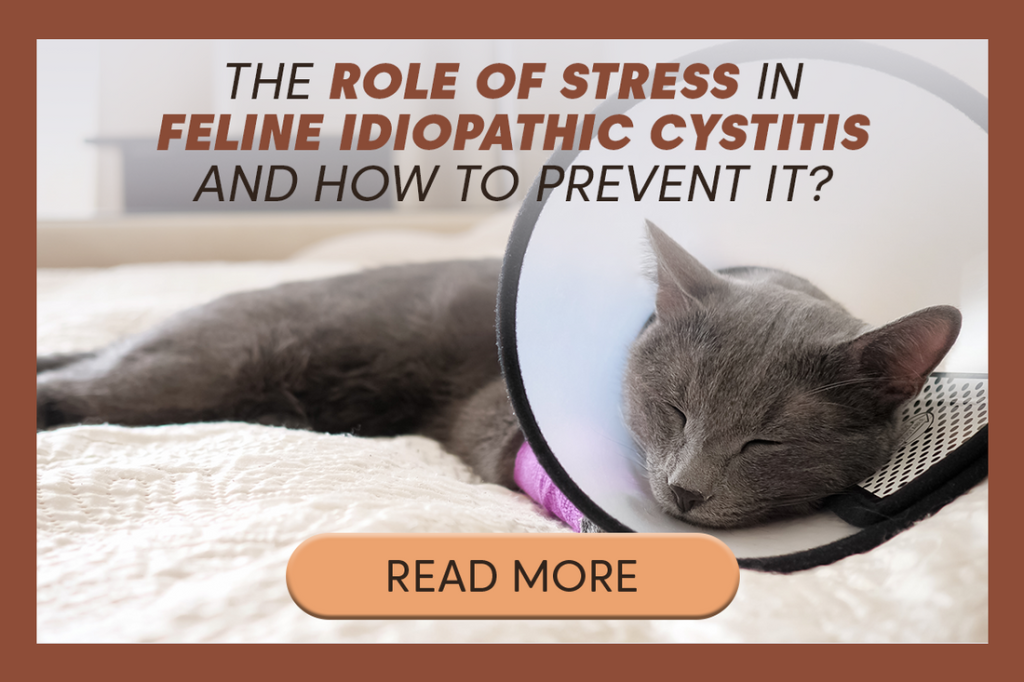
If your cat has ever shown signs of discomfort while using the litter box, you know how worrying it can be. Cystitis, or inflammation of the bladder, is a common problem that can cause pain and stress for your furry friend.
But the good news is, you don’t have to wait for it to happen. By understanding simple steps, you can protect your cat from this painful condition. You’ll discover easy and effective ways to prevent cat cystitis, keeping your pet healthy and happy.
Keep reading—you’ll learn exactly what you need to do to make a real difference in your cat’s well-being.
Causes Of Cat Cystitis
Cat cystitis is a common urinary problem in cats. It causes pain and difficulty when urinating. Understanding the causes helps in prevention and care.
This condition can result from several factors. These include diet, stress, infections, and other health issues.
Diet And Hydration
Poor diet and low water intake can cause cystitis. Dry food or salty treats may increase risk. Cats need enough water to keep urine dilute.
- Feeding mostly dry food
- Not providing fresh water often
- Giving salty or rich treats
- Sudden changes in diet
Stress Factors
Stress can trigger cystitis in cats. Changes in environment or routine cause tension. Stress weakens the immune system and affects bladder health.
| Common Stress Causes | Effects on Cats |
|---|---|
| Moving to a new home | Increased anxiety and bladder issues |
| New pets or family members | Territorial stress and behavior changes |
| Loud noises or construction | Fear and irregular urination |
| Dirty litter boxes | Refusal to urinate properly |
Urinary Tract Infections
Infections in the urinary tract cause inflammation and pain. Bacteria enter the bladder and multiply. This can cause cystitis symptoms.
- Frequent urination attempts
- Blood in urine
- Strong urine odor
- Excessive licking of the genital area
Underlying Health Conditions
Other health problems can lead to cystitis. Kidney disease, bladder stones, and hormonal imbalances affect the urinary system.
These conditions cause irritation or block urine flow. This creates a good environment for cystitis to develop.
Recognizing Symptoms Early
Cat cystitis can cause discomfort and health problems. Spotting signs early helps your cat get care fast.
Watch your cat’s behavior and physical state closely. This helps catch cystitis before it gets worse.
Behavioral Changes
Changes in behavior may be the first sign of cystitis. Your cat might act differently than usual.
- Spending more time hiding or alone
- Showing signs of pain when moving or jumping
- Being less active or playful
- Showing irritability or aggression
- Refusing to eat or drink as much as usual
Physical Signs
Look for physical changes that suggest discomfort or illness in your cat.
| Sign | Description |
| Swollen or red genital area | Inflammation around the cat’s urinary opening |
| Excessive licking | Cat may lick its genital area more than normal |
| Vocalizing | Meowing or crying when using the litter box |
| Weight loss | Due to less eating or illness |
Urination Patterns
Changes in how your cat urinates can signal cystitis. Pay close attention to these signs.
- Urinating outside the litter box
- Going to the litter box often but producing little urine
- Straining or showing pain during urination
- Blood in the urine
- Strong or unusual urine smell
Dietary Strategies
Diet plays a big role in preventing cat cystitis. Feeding your cat the right food helps keep their urinary tract healthy.
Choosing the proper diet can lower the chances of cystitis flare-ups and support overall well-being.
Wet Vs Dry Food
Wet food contains more moisture, which helps flush the bladder. Dry food has less water and can make cats drink less.
- Wet food increases urine volume and flow.
- Dry food may raise the risk of urinary crystals.
- Mixing wet and dry food can balance benefits.
- Always provide fresh water alongside any food.
Specialized Diets
Special diets help control minerals and pH in the urine. They prevent crystal and stone formation that causes cystitis.
| Diet Type | Purpose | Benefit |
| Prescription Urinary Diet | Control minerals like magnesium | Reduces crystal buildup |
| Low Magnesium Diet | Limits magnesium intake | Prevents struvite crystals |
| Acidifying Diet | Maintains urine pH balance | Stops crystal formation |
Supplements For Urinary Health
Supplements can support bladder health and reduce inflammation. Always check with your vet before use.
- Omega-3 fatty acids reduce bladder inflammation.
- Cranberry extract may prevent bacteria from sticking.
- D-Mannose helps flush out urinary tract bacteria.
- Probiotics support healthy gut and urinary flora.
Credit: www.eurekavet.com.au
Hydration Tips
Keeping your cat hydrated helps prevent cystitis. Cats need water to stay healthy.
These tips will help you encourage your cat to drink more water.
Encouraging Water Intake
Cats often do not drink enough water. You can use different methods to help them drink more.
- Place water bowls in different rooms
- Add water to your cat’s wet food
- Try flavored water with low-sodium chicken broth
Water Fountain Benefits
Cats love moving water. A water fountain can attract them to drink more often.
Fountains keep water fresh and interesting for your cat. They also reduce bacteria growth.
Multiple Water Stations
Having more water stations around your home gives your cat easy access to water.
Place bowls at different heights and locations. This encourages more frequent drinking.
- Use different bowl sizes and materials
- Change water daily to ensure freshness
- Keep bowls clean to avoid odors
Reducing Stress
Cystitis in cats is often triggered by stress. Reducing stress helps prevent this condition. Simple changes in your cat’s environment can make a big difference.
Focus on creating a calm atmosphere and engaging your cat in activities. This ensures they remain relaxed and healthy.
Creating A Calm Environment
A calm environment helps cats feel safe and secure. Reduce loud noises and sudden changes in the home. Soft music or nature sounds can soothe your cat.
Keep the living area clean and tidy. This helps your cat feel more comfortable. Ensure they have a quiet place to rest away from disturbances.
Play And Exercise
Regular play and exercise keep your cat active and reduce stress. Use toys that mimic prey to engage their natural instincts. Interactive play sessions strengthen your bond.
Provide a variety of toys to keep them interested. Rotate toys every few days to maintain their curiosity and excitement.
- Wand toys for active play
- Ball toys for chasing
- Catnip toys for relaxation
Safe Spaces For Cats
Cats need safe spaces to retreat when they feel stressed. Provide hiding spots like boxes or cat tents. Elevated areas like shelves offer security and comfort.
Ensure these spaces are quiet and away from household traffic. This gives your cat a sense of control over their environment.
- Cozy beds in quiet corners
- High perches for observing
- Enclosed spaces for privacy
Regular Vet Checkups
Regular visits to the vet help keep your cat healthy. They catch problems early.
Checkups include exams and tests to spot cystitis signs. This helps prevent serious illness.
Routine Urine Tests
Urine tests show if your cat has infections or crystals. These cause cystitis symptoms.
- Collect urine samples during vet visits
- Test for bacteria and blood in urine
- Monitor pH levels to avoid bladder issues
- Repeat tests if symptoms return
Monitoring Weight And Health
Keep track of your cat’s weight. Sudden loss or gain can signal health problems.
| Health Check | Why It Matters |
| Weight | Shows nutrition and illness |
| Hydration | Prevents urinary tract issues |
| Behavior | Changes may indicate pain |
| Appetite | Loss can hint at cystitis |
Vaccinations And Preventive Care
Vaccines protect cats from infections that can trigger cystitis. Follow vet advice.
Preventive care tips:
- Keep vaccinations up to date
- Use flea and parasite control
- Provide a clean, stress-free environment
- Feed a balanced diet to support immunity
Litter Box Maintenance
Keeping your cat’s litter box clean is key to preventing cystitis. A well-maintained box helps your cat feel safe and healthy.
Proper litter box care reduces bacteria and stress, both linked to urinary problems in cats.
Cleaning Frequency
Clean the litter box every day to keep it fresh. Remove clumps and waste promptly.
Fully change the litter and wash the box once a week. Use warm water and mild soap to avoid strong smells.
- Remove waste daily
- Change litter weekly
- Wash box weekly with mild soap
Litter Type Choices
Choose litter that is gentle on your cat’s skin and paws. Avoid dusty or scented litters.
Clumping litter helps keep the box cleaner longer. Natural or unscented options reduce irritation risk.
- Use low-dust litter
- Pick unscented or natural litter
- Consider clumping litter for easy cleaning
Number And Placement Of Boxes
Provide enough litter boxes for your cats. One box per cat plus one extra is ideal.
Place boxes in quiet, easy-to-access areas. Avoid noisy or busy spots to reduce stress.
- One box per cat plus one extra
- Put boxes in quiet places
- Avoid areas with loud noises or heavy traffic

Credit: www.amazon.ca
When To Seek Veterinary Help
Cat cystitis can cause discomfort and serious problems. Knowing when to contact a vet helps your cat get care fast. Early action may prevent bigger health issues.
Watch your cat closely for signs of pain or changes in behavior. Some symptoms need urgent attention, while others show chronic issues needing care.
Emergency Signs
Certain signs show your cat needs immediate veterinary help. These symptoms can be life-threatening or cause severe pain.
- Straining to urinate without producing urine
- Blood in the urine
- Loud crying or vocalizing while urinating
- Repeated attempts to urinate
- Sudden lethargy or weakness
- Vomiting or loss of appetite
Chronic Issues
If your cat shows ongoing problems, a vet can help manage these chronic symptoms. Long-term cystitis needs careful care to avoid relapses.
| Chronic Symptom | What to Watch For | When to See a Vet |
| Frequent urination | More visits to litter box than usual | If lasting more than 3 days |
| Urine accidents outside box | Leaks or spots around house | If repeated or worsening |
| Excessive licking | Constant cleaning of genital area | If causes skin redness or sores |
Treatment Options
Veterinarians use different treatments for cystitis based on cause and severity. Treatment may require medicines, diet changes, or other care.
- Antibiotics for bacterial infections
- Anti-inflammatory drugs to reduce pain
- Special diets to prevent crystals or stones
- Increased water intake encouragement
- Stress reduction techniques and environmental changes

Credit: justcatsclinic.com
Frequently Asked Questions
What Are The Common Causes Of Cat Cystitis?
Cat cystitis often stems from stress, dehydration, urinary infections, or bladder stones. Identifying these helps in effective prevention.
How Can Diet Help Prevent Cat Cystitis?
Feeding wet food increases water intake, promoting urinary health. Avoiding dry food reduces cystitis risk in cats.
Why Is Water Intake Important For Preventing Cystitis?
Adequate water intake dilutes urine and flushes the bladder, reducing irritation and infection risks in cats.
Can Stress Trigger Cystitis In Cats?
Yes, stress can cause inflammation in the bladder, leading to cystitis. Reducing stress is key to prevention.
Conclusion
Preventing cat cystitis takes care and attention every day. Keep your cat’s water bowl full and clean. Feed a balanced diet that supports urinary health. Watch for signs like frequent urination or discomfort. Regular vet visits help catch problems early.
Stress can trigger cystitis, so keep your cat calm. Clean the litter box often to encourage good habits. Small changes make a big difference in your cat’s comfort. Healthy cats are happy cats. Stay alert and act fast if symptoms appear.
Your cat will thank you with a purr.

Lily Purrington is the founder of MyKittyPicks.com, a cozy corner of the web dedicated to helping cat lovers discover the best cat products, furniture, toys, and home decor ideas.
A lifelong cat enthusiast, Lily shares trusted tips, honest product recommendations, and stylish inspiration designed to keep kitties happy and homes beautiful.
Her mission is simple: to bring together practical advice and purr-fect picks that make life better for cats and the people who love them.


