
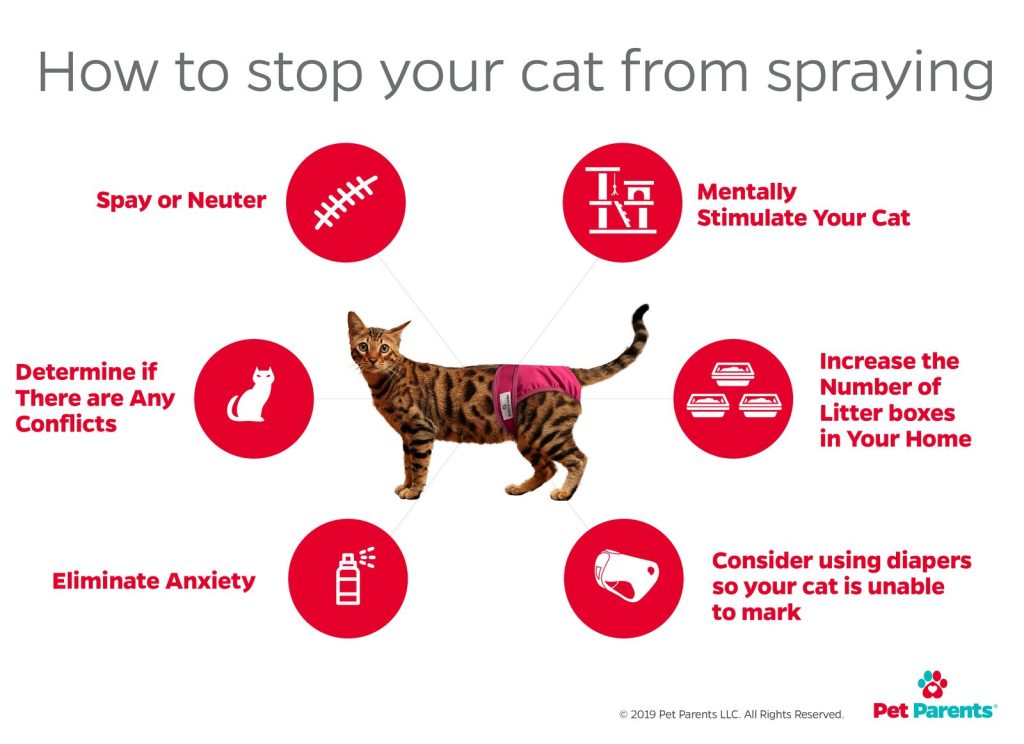
Is your cat spraying inside the house and leaving unwanted marks everywhere? You’re not alone, and the good news is, you can stop this behavior.
Understanding why your cat sprays and learning simple, effective ways to prevent it will save your home from damage and reduce your stress. You’ll discover practical tips that work—so you can enjoy a clean, fresh-smelling home and a happy cat.
Keep reading to find out how to take control and keep your space spray-free.
Credit: www.amazon.com
Reasons Cats Spray Indoors
Cats spray to mark their territory or express stress. This behavior can upset owners and damage homes.
Understanding why cats spray helps stop this problem. It also keeps your cat happy and healthy.
Territorial Behavior
Cats spray to mark their space. This tells other cats to stay away.
Spraying increases if other cats are nearby or if your cat feels threatened.
- Cats use spraying to claim windows, doors, or furniture.
- New pets or visitors can trigger this behavior.
- Unneutered males spray more often to show dominance.
Stress And Anxiety
Stress can make cats spray inside the house. Changes in routine or environment cause stress.
Moving, loud noises, or new people can upset your cat and lead to spraying.
- Sudden changes in the home may cause anxiety.
- Other pets or conflicts can stress your cat.
- Stress from lack of play or attention affects behavior.
Medical Causes
Some health problems cause cats to spray. Urinary tract infections are a common reason.
Pain or discomfort can lead to changes in bathroom habits, including spraying.
- Bladder infections cause frequent urination and spraying.
- Kidney issues may change how cats mark territory.
- Consult a vet to rule out medical problems.
Credit: www.amazon.com
Identifying Spraying Vs. Marking
Cats use urine to communicate by spraying or marking. These behaviors look similar but mean different things. Knowing the difference helps stop unwanted house smells.
Spraying usually shows stress or territory defense. Marking is a normal way for cats to share their presence with others.
Differences In Behavior
Spraying happens when a cat backs up to a surface and sprays urine. It often occurs on vertical areas like walls or furniture.
Marking is more like peeing normally, but in small amounts. Cats mark mostly on horizontal surfaces or near their food bowls.
- Spraying: Cat stands tail up, sprays on vertical spots
- Marking: Cat squats, pees on horizontal spots
- Spraying: Usually outside the litter box
- Marking: Sometimes inside or near the litter box
Common Signs
Spraying leaves small urine spots on walls, doors, or furniture. The smell is strong and sharp. Cats may spray after changes in their environment.
Marking signs include small urine drops near their bed or food area. Cats may rub their face or body on these spots to leave scent too.
- Spraying spots are usually vertical and near entry points
- Marking spots are horizontal and near favorite resting places
- Spraying often occurs in stressed or new cats
- Marking is common in multi-cat homes to show presence
Effective Cleaning Techniques
Preventing a cat from spraying starts with thorough cleaning. Removing all traces of odor stops cats from spraying again.
Using the right products keeps your home safe and clean. Clean spots carefully to avoid damage or harm to pets.
Removing Odors
Cat spray has a strong smell that attracts cats back. Use cleaners that break down urine molecules well.
Enzyme-based cleaners are best. They stop the smell instead of just covering it up.
- Blot the area to remove wet urine
- Apply enzyme cleaner according to instructions
- Let it sit to break down odors
- Wipe or vacuum once dry
Safe Cleaning Products
Choose cleaning products that are safe for cats and humans. Avoid harsh chemicals that can hurt your pet.
Natural cleaners like vinegar and baking soda work well and are gentle. Enzyme cleaners made for pet stains are also safe.
- Avoid bleach and ammonia
- Use enzyme-based cleaners for urine
- Try diluted vinegar for odor
- Sprinkle baking soda to absorb smells
Environmental Adjustments
Cats spray indoors for various reasons. Adjusting their environment can help stop this behavior. Focus on creating a stress-free space for your cat.
Making changes in the home helps cats feel secure. A happy cat is less likely to spray.
Creating Safe Spaces
Cats need safe spaces to feel calm. This reduces their urge to mark territory.
- Provide cozy hiding spots with blankets.
- Set up perches for high vantage points.
- Use soft lighting to create a relaxing ambiance.
Litter Box Management
The litter box is key in preventing spraying. Proper management ensures your cat uses it comfortably.
| Action | Frequency |
| Clean litter box | Daily |
| Change litter | Weekly |
| Replace litter box | Yearly |
Behavioral Training Methods
Cats spray to mark their territory or express stress. You can train them to stop. It requires patience and the right methods.
Behavioral training is key to preventing spraying. Use positive reinforcement and redirect behavior for success.
Positive Reinforcement
Reward your cat for good behavior. Give treats when they use the litter box. Praise them with gentle words and petting.
Positive reinforcement encourages cats to repeat desired actions. It makes them feel appreciated and reduces stress.
- Offer treats immediately after good behavior
- Use soft, calming words for praise
- Be consistent with rewards
Redirecting Behavior
Redirect your cat’s attention to acceptable activities. Provide toys and scratching posts. Engage them with playtime.
Redirecting behavior helps cats expend energy in positive ways. It prevents them from feeling the need to spray.
- Introduce interactive toys for mental stimulation
- Set up multiple scratching posts around the house
- Schedule regular play sessions to engage your cat
Managing Stress Triggers
Cats often spray inside the house when they feel stressed or scared. Managing what makes your cat anxious can stop spraying behavior.
Understanding and reducing stress helps your cat feel safe and calm at home.
Identifying Stressors
Look for things that may upset your cat. Changes in the house or loud noises can cause stress. New pets or visitors can also make cats nervous.
Watch your cat’s behavior closely. Signs like hiding, aggression, or restlessness show stress.
- New furniture or strong smells
- Loud sounds like fireworks or vacuum cleaners
- Other animals in the house
- Changes in routine or schedule
- Visitors or strangers
Using Calming Aids
Calming aids can help reduce your cat’s stress. These products create a soothing environment to stop spraying.
Use calming sprays, diffusers, or collars that release natural scents. These scents help cats feel relaxed.
- Feliway diffusers release calming pheromones
- Calming collars provide steady scent
- Sprays can be used on bedding or furniture
- Soft music or white noise lowers stress levels
When To Consult A Veterinarian
Cat spraying inside the house can be a sign of health problems. Knowing when to see a vet helps your cat stay healthy.
Some causes of spraying need medical care. A vet can find out if your cat has an illness or stress.
Health Checkups
Take your cat to the vet if spraying starts suddenly. The vet checks for infections or diseases that cause this behavior.
- Urinary tract infections
- Kidney disease
- Bladder stones
- Hormonal imbalances
- Stress or anxiety symptoms
Regular checkups help catch problems early. Your vet can suggest tests to find health issues linked to spraying.
Medication Options
If health problems cause spraying, vets may suggest medicine. These drugs can reduce symptoms and stop spraying.
| Medication Type | Purpose |
| Antibiotics | Treat infections |
| Anti-anxiety drugs | Reduce stress |
| Hormone therapy | Balance hormones |
| Pain relief | Ease discomfort |
Always follow the vet’s instructions when using medication. Do not stop or change doses without advice.

Credit: us.feliway.com
Frequently Asked Questions
Why Do Cats Spray Inside The House?
Cats spray to mark territory, reduce stress, or signal mating readiness. It’s a natural behavior but often unwanted indoors.
How Can I Stop My Cat From Spraying?
Clean marked areas thoroughly, reduce stress, spay/neuter your cat, and provide plenty of play and attention to deter spraying.
Does Neutering Prevent Cat Spraying?
Yes, neutering reduces spraying by lowering hormone-driven behaviors linked to territory marking and mating instincts in both male and female cats.
What Cleaning Products Remove Cat Spray Odor?
Use enzymatic cleaners specifically designed for pet urine. They break down odor molecules and prevent repeat marking in the same spot.
Conclusion
Stopping a cat from spraying takes patience and care. Keep their litter box clean and in quiet places. Use sprays or cleaners that remove smells well. Give your cat enough play and attention each day. Watch for stress signs and try to reduce them.
Small steps help create a calm home for your cat. A happy cat means less spraying and more peace. Keep trying—your efforts will pay off soon.

Lily Purrington is the founder of MyKittyPicks.com, a cozy corner of the web dedicated to helping cat lovers discover the best cat products, furniture, toys, and home decor ideas.
A lifelong cat enthusiast, Lily shares trusted tips, honest product recommendations, and stylish inspiration designed to keep kitties happy and homes beautiful.
Her mission is simple: to bring together practical advice and purr-fect picks that make life better for cats and the people who love them.


