
If you’re tired of finding little clumps of cat litter all over your floors, you’re not alone. Litter tracking is one of the most common frustrations for cat owners.
It can make your home look messy and create extra work for you. But what if you could stop this problem before it starts? You’ll discover simple and effective ways to keep your floors clean and your cat happy. Keep reading—you’ll be surprised how easy it is to say goodbye to scattered litter for good.
Causes Of Litter Tracking
Litter tracking happens when bits of cat litter stick to your cat’s paws. These bits then spread outside the litter box. This can make floors dirty and hard to clean.
Understanding the causes of litter tracking helps you keep your home cleaner. Many factors like litter type, box design, and cat behavior play a role.
Types Of Cat Litter
Different cat litters have different textures and weights. Some litters stick more to paws than others. Lightweight litters often get tracked more.
- Clay-based litters are heavy but can stick to paws.
- Silica gel litters are less dusty but sometimes cling to fur.
- Natural litters like wood or corn tend to be lighter and track more.
- Clumping litters form solid clumps that may attach to paws.
Litter Box Design
The design of the litter box affects how much litter escapes. Some boxes have features that reduce tracking better than others.
| Box Feature | Effect on Tracking |
| High sides | Keep litter inside when cats dig |
| Covered boxes | Reduce litter spread but some cats avoid them |
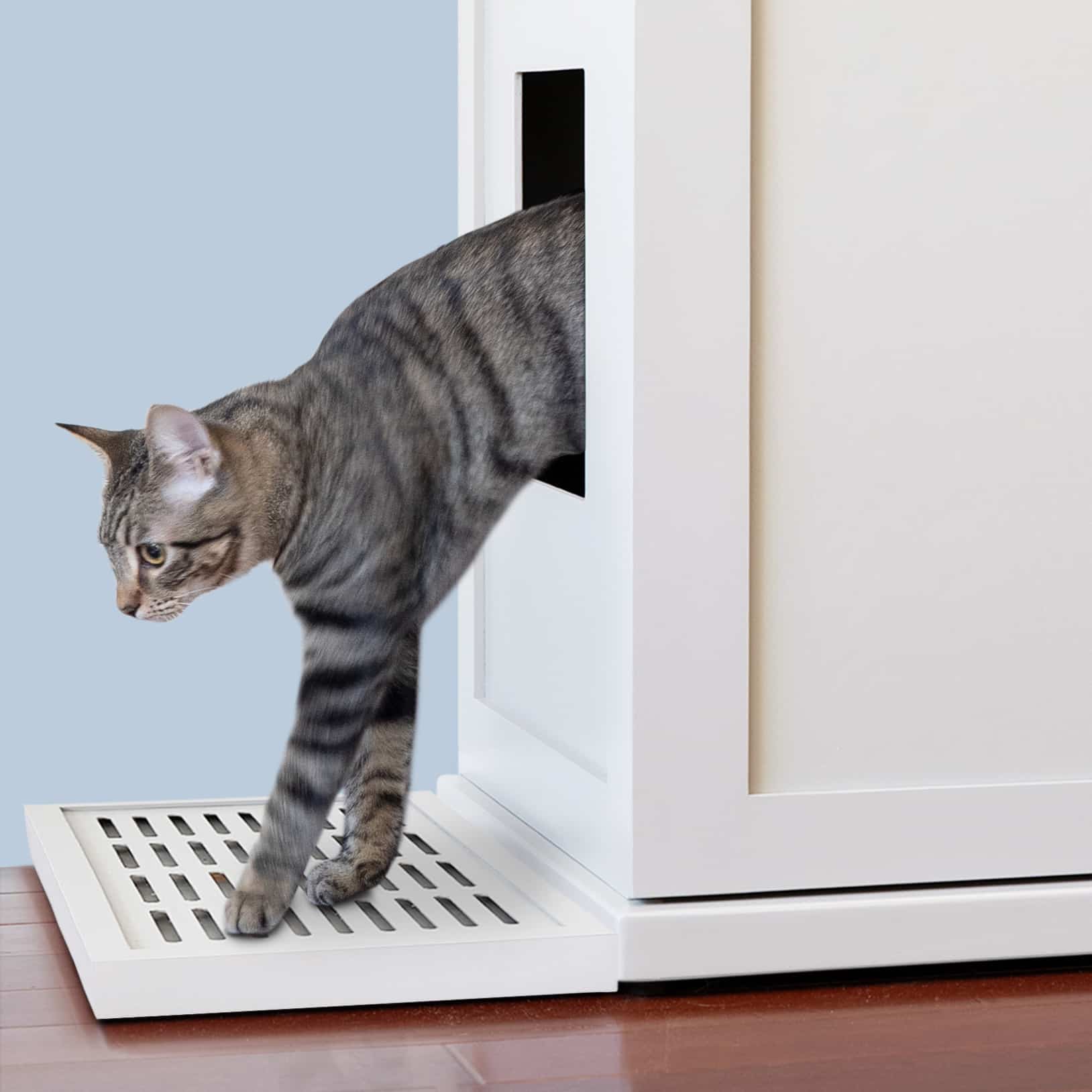
| Textured entrance | Helps remove litter from paws |
| Large size | Gives cats space to move, less scattering |
Cat Behavior
Cats dig and scratch in the litter box. This behavior can fling litter outside. Some cats also groom their paws right after using the box.
Common cat habits that cause tracking:
- Strong digging or scratching
- Walking quickly out of the box
- Licking paws soon after exiting
- Carrying litter on fur from box edges
Credit: www.therefinedfeline.com
Choosing The Right Litter
Choosing the right cat litter helps reduce tracking. It makes your home cleaner and your cat happier. This guide covers important litter features.
Look for litter that controls tracking well. Consider the type, texture, and smell before buying. These factors affect how much litter sticks to your cat’s paws.
Low-tracking Litter Options
Low-tracking litter stays inside the box more. It reduces the amount of litter your cat carries out. Materials like crystals or pellets often track less than clay.
- Silica gel crystals absorb moisture without sticking.
- Wood pellets are larger and less dusty.
- Walnut shell litter breaks down easily and tracks less.
- Clumping clay with larger granules can reduce tracking.
Clumping Vs Non-clumping
Clumping litter forms solid clumps when wet. Non-clumping litter absorbs moisture without clumping. Both have pros and cons for tracking.
| Type | Tracking Level | Cleaning Ease |
|---|---|---|
| Clumping | Low to medium | Easy to scoop clumps |
| Non-Clumping | Medium to high | Needs full litter change often |
Scented Vs Unscented
Scented litter masks odors with fragrances. Unscented litter has no added smell. Some cats prefer unscented to avoid irritation.
- Scented litter may cause allergies or sensitivity in cats.
- Unscented litter lets natural odors show but is gentler.
- Choose unscented if your cat has respiratory issues.
- Scented litter can sometimes stick more to paws due to added oils.
Litter Box Placement Tips
Choosing the right place for your cat’s litter box helps reduce litter tracking. A good spot keeps your home clean and your cat happy.
Place the litter box where your cat feels safe and can easily access it. This guide will show simple ways to pick the best location.
Ideal Locations
Pick a quiet and private place for the litter box. Cats like calm spots away from loud noises and busy areas.
- Bathrooms with a door that can be left open
- Spare rooms with little foot traffic
- Closets or corners that offer privacy
- Areas near your cat’s favorite resting place
Avoiding High Traffic Areas
Keep the litter box away from busy walkways or noisy spots. High traffic can stress your cat and cause more litter to spread.
| Place | Reason to Avoid |
| Near main doors | People pass often, causing stress |
| Living room | Lots of activity and noise |
| Kitchen | Food smells may bother your cat |
| Hallways | Too much foot traffic |
Using Mats And Barriers
Place mats or barriers around the litter box to catch loose litter. This helps keep your floors clean and reduces tracking.
Try these ideas for mats and barriers:
- Use a large rubber or silicone mat under the box
- Place a carpet runner with a rough texture nearby
- Install low barriers to block litter from spreading
- Choose mats that are easy to clean and wash
Litter Box Design Solutions
Cat litter tracking can be a messy problem for many pet owners. Choosing the right litter box design helps reduce the amount of litter cats carry outside the box.
This guide covers different litter box styles that help keep your floors cleaner. You will learn about covered and open boxes, high-sided boxes, and self-cleaning options.
Covered Vs Open Boxes
Covered boxes have lids or walls that surround the litter area. Open boxes do not have a cover and allow easy access for cats.
- Covered boxes can reduce litter spread by containing it inside.
- They also limit odors and provide privacy for shy cats.
- Open boxes are easier to clean and allow better airflow.
- Some cats prefer open boxes because they feel less trapped.
- Covered boxes may cause litter to stick to the cat’s fur if the entrance is small.
High-sided Boxes
High-sided boxes have taller walls on at least three sides. This design helps keep litter inside the box when cats dig.
| Feature | Benefit |
| Tall walls | Prevent litter scatter |
| Open top | Easy for cats to enter and exit |
| Spacious interior | Comfortable for larger cats |
| Lightweight material | Easy to move and clean |
Self-cleaning Options
Self-cleaning litter boxes use sensors and mechanisms to remove waste automatically. They help reduce litter tracking by keeping the box clean.
Advantages of self-cleaning boxes:
- Waste is removed quickly after use
- Reduces odors and bacteria buildup
- Less litter outside the box
- Requires less frequent manual cleaning
Cleaning And Maintenance
Keeping cat litter from tracking all over the house takes effort. Consistent cleaning and maintenance help a lot. Here’s how you can manage it.
Learn about regular scooping, deep cleaning schedules, and when to replace the litter. These steps can reduce the mess and keep your home tidy.
Regular Scooping
Regular scooping keeps the litter box clean and lessens tracking. Cats like a clean box, and scooping daily makes a big difference.
Deep Cleaning Schedule
Deep cleaning is necessary to maintain a fresh environment. It helps prevent odors and reduces tracking issues.
- Empty the litter box completely.
- Wash it with mild soap and water.
- Let it dry thoroughly before refilling.
- Do this at least once a month.
Replacing Litter
Choosing the right litter affects tracking. Some litters are designed to reduce mess, so consider options that fit your needs.
| Litter Type | Tracking Level |
| Clumping Clay | Medium |
| Silica Gel | Low |
| Recycled Paper | Low |
Credit: www.businessinsider.com
Training Your Cat
Preventing cat litter tracking can be challenging. Training your cat helps reduce the mess. Here are simple methods to guide your cat’s behavior.
Encouraging Proper Exit
Cats often scatter litter when leaving the box. You can train them to exit carefully. This helps keep the area clean.
- Use a litter mat to catch loose litter
- Place the box in a quiet, low-traffic area
- Guide your cat to step out slowly
Positive Reinforcement
Reward your cat for good behavior. Positive reinforcement encourages them to follow your training.
Give your cat a treat or extra affection when they exit the box neatly. This builds good habits.
Addressing Anxiety
Some cats feel anxious using the litter box. Anxiety can cause tracking issues. Addressing this helps your cat feel comfortable.
Additional Accessories
Cat litter tracking can make your home messy. Using extra accessories helps keep litter off your floors.
These tools catch litter or reduce how much sticks to your cat’s paws. They make cleaning easier.
Litter Mats
Litter mats catch litter from your cat’s paws after using the box. They stop it from spreading around.
Look for mats with a textured surface. These trap the litter well and are easy to clean.
- Place mats right outside the litter box
- Choose mats made of rubber or soft plastic
- Clean mats regularly to remove trapped litter
Step Trays
Step trays sit under or near the litter box. They catch litter that falls from your cat’s paws.
These trays hold litter inside and stop it from spreading on the floor. They are easy to empty.
- Use trays with raised edges to hold litter
- Check and empty trays often
- Combine with litter mats for best results
Grooming Tools
Grooming your cat helps reduce litter stuck in its fur and paws. Clean fur means less tracking.
Use brushes or combs to keep fur tidy, especially around paws and legs.
- Brush your cat’s fur regularly
- Check paws for stuck litter
- Trim fur around paws if needed

Credit: www.reddit.com
Frequently Asked Questions
How Can I Reduce Cat Litter Tracking At Home?
Place a litter mat outside the box to catch debris. Clean the mat daily and use low-tracking litter to minimize mess. Regularly groom your cat’s paws to prevent litter sticking.
What Type Of Litter Prevents Tracking Best?
Clumping clay litter with larger granules reduces tracking. Crystal or pellet litters also track less. Choose lightweight, dust-free options to keep floors cleaner longer.
Are There Special Litter Boxes To Stop Tracking?
Yes, covered or high-sided litter boxes help contain litter. Self-cleaning boxes often reduce scatter too. These designs limit litter escape and reduce tracking around your home.
How Often Should I Clean To Prevent Litter Tracking?
Clean the litter box daily to remove loose litter. Sweep and vacuum around the box regularly. Frequent cleaning keeps the area tidy and cuts down on tracked litter.
Conclusion
Preventing cat litter tracking keeps your home clean and fresh. Use litter mats and scoop daily to reduce mess. Choose low-tracking litter to help trap particles. Keep your cat’s paws dry and clean after each use. Regular cleaning of the litter box area also helps a lot.
Small efforts make a big difference over time. A tidy space means a happy cat and owner. Try these simple tips to enjoy a cleaner home today.

Lily Purrington is the founder of MyKittyPicks.com, a cozy corner of the web dedicated to helping cat lovers discover the best cat products, furniture, toys, and home decor ideas.
A lifelong cat enthusiast, Lily shares trusted tips, honest product recommendations, and stylish inspiration designed to keep kitties happy and homes beautiful.
Her mission is simple: to bring together practical advice and purr-fect picks that make life better for cats and the people who love them.


