
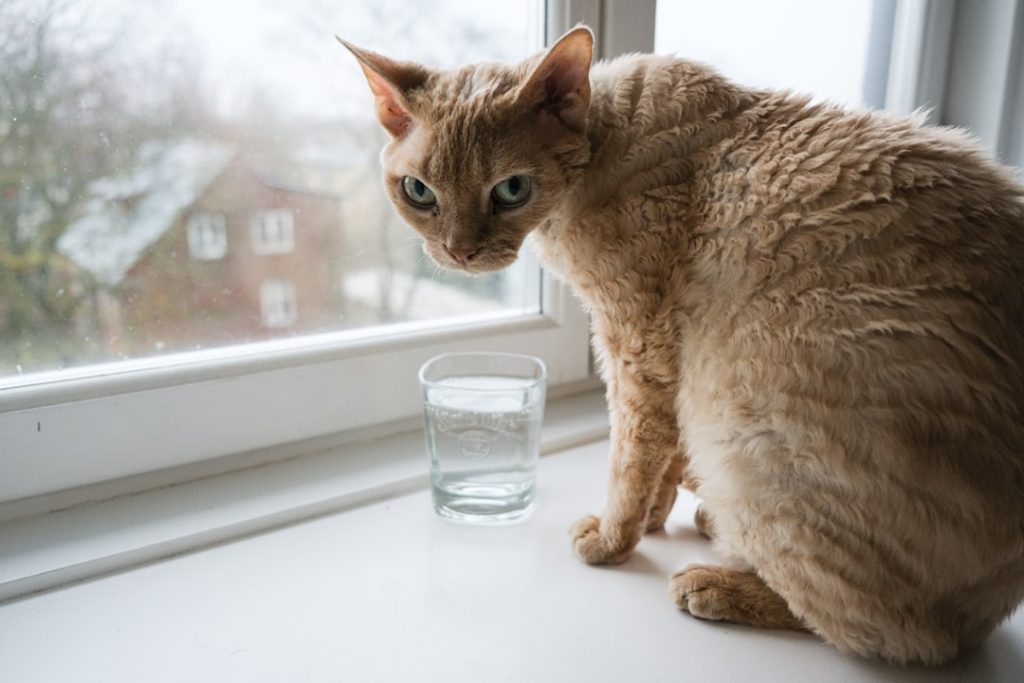
Are you worried about your cat’s health because of crystals in their urine? You’re not alone.
These crystals can cause pain and serious problems for your furry friend if left unchecked. But the good news is, you can take simple steps to prevent them. You’ll discover easy and effective ways to keep your cat comfortable and healthy.
Keep reading to learn how to protect your pet and avoid costly vet visits. Your cat will thank you!

Credit: www.amazon.ca
Causes Of Crystals In Cat Urine
Crystals in cat urine can cause discomfort and health issues. Understanding the causes helps prevent them.
Several factors lead to crystal formation. Some relate to diet, others to genetics or hydration.
Types Of Urinary Crystals
There are different types of crystals found in cat urine. Each type forms under specific conditions.
- Struvite crystals form in alkaline urine and often relate to diet.
- Calcium oxalate crystals appear in acidic urine and can cause blockages.
- Urate crystals are less common and linked to liver problems.
Dietary Factors
What a cat eats greatly affects crystal formation. Some foods change urine pH or add minerals.
| Diet Element | Effect on Urine | Crystal Risk |
| High magnesium | Raises urine pH | Struvite crystals |
| Excess calcium | Increases calcium in urine | Calcium oxalate crystals |
| Low protein | Alters urine acidity | Varies by type |
Dehydration Effects
Dehydration concentrates urine. This makes crystal formation easier.
- Less water means thicker urine.
- Thick urine allows minerals to clump together.
- Frequent urination lowers crystal buildup risk.
Genetic Predispositions
Some cats inherit traits that increase their risk for crystals. This varies by breed and family.
Breeds like Persians and Himalayans show higher crystal problems. Genetics can affect urine makeup and flow.
Credit: renewedpet.com
Recognizing Symptoms Early
Crystals in cat urine can cause pain and serious health problems. Catching symptoms early helps your cat get treatment fast.
Watch your cat’s behavior closely. Small changes may show that crystals are forming in their urine.
Changes In Urination Habits
Your cat may urinate more or less than usual. They might also go outside the litter box.
Look for signs like straining to urinate or producing only small drops of urine.
- Frequent trips to the litter box
- Urine outside the litter box
- Straining or crying while urinating
- Small amounts of urine each time
Signs Of Discomfort
Crystals can cause pain and discomfort. Your cat may lick their genitals more than usual.
Notice if your cat seems restless or has a tense body when trying to pee.
- Excessive licking of genital area
- Vocalizing or crying in pain
- Restlessness or pacing
- Tense posture during urination
Behavioral Changes
Your cat’s mood may change if they feel pain. They might hide or become less active.
Look for loss of appetite or signs of stress like grooming too much.
- Hiding more than usual
- Reduced play and activity
- Eating less food
- Over-grooming or licking fur
Diet Adjustments To Prevent Crystals
Crystals in cat urine can cause pain and blockages. Diet plays a big role in stopping these crystals from forming. Making the right food choices helps keep your cat healthy and comfortable.
Adjusting your cat’s diet is one of the easiest ways to prevent crystals. Focus on food type, moisture content, and ingredients to reduce risks.
Choosing The Right Food
Pick cat foods designed to support urinary health. These foods balance minerals and keep urine less likely to form crystals. Avoid foods with too many fillers or artificial additives.
- Look for labels mentioning urinary health support
- Choose foods with controlled mineral levels
- Avoid diets high in calcium and phosphorus
Importance Of Wet Food
Wet food helps increase your cat’s water intake. More water means diluted urine. Diluted urine lowers the chance of crystal formation. Feeding wet food daily supports urinary tract health.
| Benefit | Explanation |
| Hydration | Wet food contains up to 80% water |
| Urine dilution | Helps flush out minerals that form crystals |
| Reduced risk | Less chance of painful urinary blockages |
Avoiding High Magnesium Ingredients
High magnesium in cat food can lead to crystals. Keep your cat’s food low in magnesium to prevent problems. Check ingredient lists and avoid certain foods rich in magnesium.
- Avoid foods with fish meal or seaweed
- Limit treats containing high magnesium
- Ask your vet for low magnesium food brands
Hydration Strategies For Cats
Keeping your cat well hydrated helps prevent crystals in their urine. Proper hydration supports healthy kidneys and bladder function. Cats naturally drink less water than dogs, so extra care is needed.
Use different ways to encourage your cat to drink more water. This lowers the risk of urinary problems and keeps your cat comfortable.
Encouraging Water Intake
Make water easy to access and attractive for your cat. Change the water often to keep it fresh. Some cats prefer certain types of bowls or locations.
- Place multiple water bowls around your home
- Use shallow, wide dishes to avoid whisker fatigue
- Keep water bowls away from food bowls and litter boxes
- Clean water bowls daily to prevent bacteria buildup
Using Water Fountains
Water fountains provide a continuous flow of fresh water. Cats often like running water, which can encourage them to drink more. These fountains also help keep water clean.
| Benefit | Explanation |
| Freshness | Constant flow prevents water from becoming stale |
| Attraction | Moving water attracts cats to drink more |
| Filtration | Built-in filters remove impurities |
| Convenience | Less need to refill water frequently |
Adding Broth Or Wet Food
Wet food and broth add extra moisture to your cat’s diet. This helps increase fluid intake without relying solely on water. Use low-sodium broth to keep it healthy.
Try these tips for adding broth or wet food:
- Choose high-quality canned wet food with high moisture content.
- Offer small amounts of low-sodium chicken or beef broth as a treat.
- Mix broth with dry food to increase moisture.
- Serve wet food at room temperature for better smell and taste.
- Avoid broths with onions or garlic, as they are toxic to cats.
Regular Vet Checkups
Regular vet visits help keep your cat healthy. They catch problems early before they get worse.
One common issue is crystals in cat urine. These checkups help prevent and manage this problem.
Urine Testing
Urine tests show if crystals are forming in your cat’s bladder. They also detect infections or other problems.
- Collect urine samples during vet visits
- Check for crystals, blood, or bacteria
- Assess urine pH and concentration
Monitoring Kidney Health
The kidneys filter waste from the blood. Problems here can lead to crystal formation in urine.
| Test | What It Shows |
| Blood urea nitrogen (BUN) | Kidney function level |
| Creatinine | Waste clearance rate |
| Urinalysis | Signs of kidney damage |
Early Intervention Benefits
Spotting crystal problems early helps avoid pain and serious illness. Treatment starts sooner for better results.
- Reduces risk of urinary blockages
- Prevents kidney damage
- Improves your cat’s comfort and health
- Supports longer, happier life
Environmental And Lifestyle Tips
Keeping your cat healthy involves more than just regular vet visits. Adjusting their environment and lifestyle can prevent crystals in their urine.
Simple changes at home can make a big difference. Focus on reducing stress, maintaining cleanliness, and encouraging activity.
Stress Reduction Techniques
Stress can negatively impact your cat’s health. Create a calm environment to help your cat relax and stay healthy.
- Provide a quiet space for your cat to retreat.
- Use calming products like pheromone diffusers.
- Stick to a routine for feeding and playtime.
Clean Litter Box Importance
A clean litter box encourages your cat to use it regularly. This helps prevent urinary issues, including crystals.
| Task | Frequency |
| Scoop waste | Daily |
| Change litter | Weekly |
| Wash box | Monthly |
Exercise And Weight Management
Exercise keeps your cat fit and prevents obesity, a risk factor for urinary problems. Playtime is essential for their physical and mental well-being.
When To Seek Immediate Help
Understanding when your cat needs urgent care is crucial. Urinary issues can quickly become serious.
If you see certain signs, it’s important to act fast. Timely intervention can save your cat’s life.
Signs Of Urinary Blockage
Watch for signs that indicate a blockage in your cat's urinary tract. These signs need immediate attention.
- Your cat strains to urinate.
- No urine is produced despite frequent attempts.
- Crying or vocalizing when trying to urinate.
- Blood in the urine.
- Lethargy or lack of appetite.
Emergency Care Steps
If you notice any of these signs, take action quickly. Follow these steps to ensure your cat receives the care it needs.
| Step | Action |
| 1 | Contact your vet immediately. |
| 2 | Keep your cat calm and comfortable. |
| 3 | Follow the vet’s instructions closely. |
| 4 | Prepare to transport your cat if advised. |

Credit: www.amazon.ca
Frequently Asked Questions
What Causes Crystals In Cat Urine?
Crystals form due to imbalanced urine pH, dehydration, or diet. Poor hydration and high mineral intake increase crystal risk. Identifying causes helps prevent recurrence and maintain urinary health.
How Can Diet Prevent Cat Urine Crystals?
Feeding wet food increases water intake, diluting urine. Avoid high magnesium and mineral-rich dry foods. Specialized diets help maintain balanced urine pH and reduce crystal formation.
Why Is Hydration Important For Cats’ Urinary Health?
Adequate hydration dilutes urine, preventing crystal buildup. Cats often drink less water, so wet food boosts intake. Proper hydration supports healthy bladder function and reduces urinary issues.
Can Stress Affect Crystal Formation In Cats?
Yes, stress can alter urine pH and flow. Stress may lead to less water intake and bladder issues. Minimizing stress supports urinary health and lowers crystal risk.
Conclusion
Preventing crystals in cat urine takes simple, steady care. Keep your cat well hydrated with fresh water daily. Feed a balanced diet made for urinary health. Clean the litter box often to spot changes quickly. Watch for signs like frequent urination or discomfort.
Early action helps avoid serious health problems. Regular vet visits keep your cat safe and happy. Small steps make a big difference in your cat’s health. Stay attentive and your cat can enjoy comfort and ease.

Lily Purrington is the founder of MyKittyPicks.com, a cozy corner of the web dedicated to helping cat lovers discover the best cat products, furniture, toys, and home decor ideas.
A lifelong cat enthusiast, Lily shares trusted tips, honest product recommendations, and stylish inspiration designed to keep kitties happy and homes beautiful.
Her mission is simple: to bring together practical advice and purr-fect picks that make life better for cats and the people who love them.


