
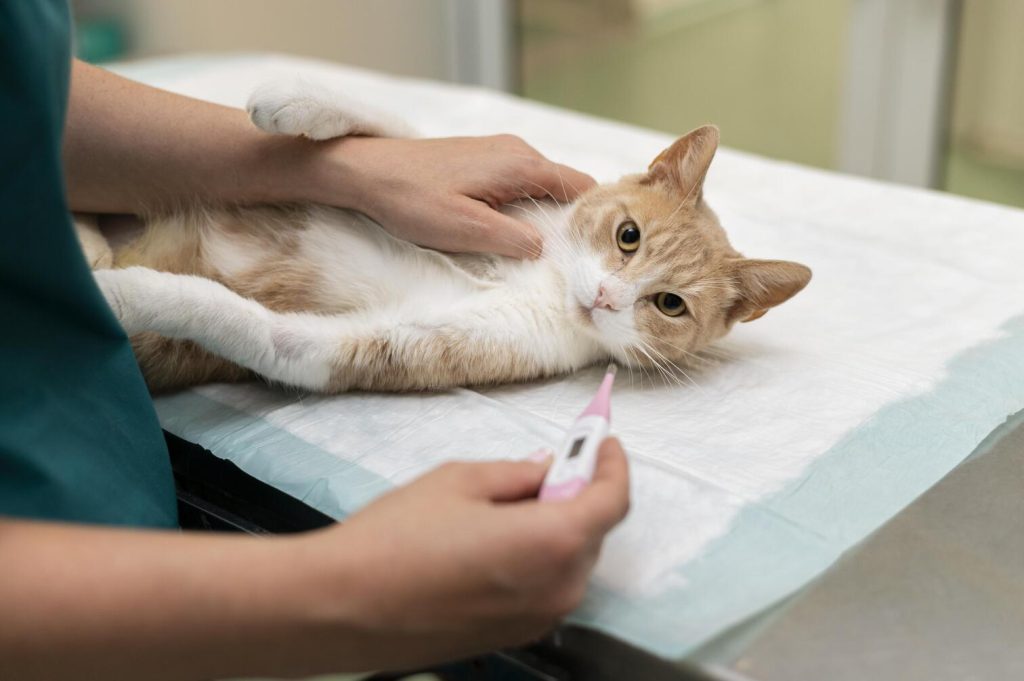
If your cat has kidney disease, you might have noticed they’re losing weight. This can be worrying, and you’re probably asking yourself, “Is this normal?
What does it mean for my cat’s health? ” Understanding why weight loss happens and what you can do about it is crucial for helping your furry friend feel better. You’ll discover the reasons behind weight loss in cats with kidney disease and learn practical steps to support your cat’s wellbeing.
Keep reading to find out how you can make a real difference in your cat’s life.

Credit: www.reddit.com
Kidney Disease In Cats
Kidney disease is common in older cats. It affects how well their kidneys work. When kidneys fail, cats may lose weight and feel weak.
Understanding the causes and stages helps cat owners give better care. Early detection can improve a cat’s quality of life.
Causes And Risk Factors
Kidney disease can happen due to many reasons. Some cats have a higher risk because of age or health problems.
- Older age increases risk
- High blood pressure can damage kidneys
- Infections and toxins may harm kidney tissue
- Certain breeds are more prone to kidney issues
- Diabetes can affect kidney function
Stages Of Kidney Disease
Kidney disease in cats develops in stages. Each stage shows how badly kidneys work. Weight loss is common as disease progresses.
| Stage | Description | Symptoms |
| 1 | Mild kidney damage | No obvious signs |
| 2 | Moderate damage | Increased thirst, slight weight loss |
| 3 | Severe damage | Weight loss, poor appetite, vomiting |
| 4 | Kidney failure | Severe weight loss, weakness, dehydration |

Credit: kimvet.co.za
Weight Loss And Kidney Disease
Cats with kidney disease often lose weight. This weight loss can be a sign of their illness. Understanding why this happens helps owners care better for their cats.
Kidney disease affects many parts of a cat’s body. Weight loss is one of the early changes seen. Other symptoms also show as the disease progresses.
Why Cats Lose Weight
Weight loss in cats with kidney disease happens for several reasons. The kidneys fail to work properly. This affects how the body uses food and nutrients.
- Loss of appetite due to nausea
- Reduced ability to absorb nutrients
- Increased protein loss in urine
- Muscle breakdown from illness
- Dehydration reducing food intake
These factors cause cats to lose fat and muscle. This leads to noticeable weight loss over time.
Symptoms Beyond Weight Loss
Cats with kidney disease show more signs than just weight loss. Knowing these helps catch the disease early.
| Symptom | Description |
| Increased thirst | Drinks more water than usual |
| Frequent urination | Urinates more often and in larger amounts |
| Vomiting | Throws up food or liquid |
| Lethargy | Less active and more tired |
| Poor coat condition | Coat looks dull and rough |
Detecting Weight Changes
Weight loss is a common sign in cats with kidney disease. Watching your cat’s weight helps spot problems early. Small changes can mean your cat needs care.
Knowing how to detect weight loss keeps your cat healthier. Use simple tools and check often to track changes well.
Monitoring Your Cat At Home
Check your cat’s weight regularly using a scale. Also, look for signs like loose skin or less muscle. These can show weight loss.
- Weigh your cat once a week at the same time
- Note any changes in appetite or drinking habits
- Look for less energy or hiding more than usual
- Check if your cat’s clothes or collars fit differently
- Keep a log of all observations for your vet
Veterinary Assessments
Your vet will weigh your cat and check its body condition score. Blood and urine tests help find kidney problems early.
| Assessment | Purpose | Frequency |
| Body Weight | Track weight loss or gain | Every visit |
| Blood Tests | Check kidney function | Every 3-6 months |
| Urine Tests | Detect kidney damage | Every 3-6 months |
| Physical Exam | Check muscle and hydration | Every visit |
Managing Weight Loss
Cats with kidney disease often lose weight. This happens because their bodies do not work well. Managing weight loss helps keep them stronger.
Careful attention to diet, hydration, and medicine can slow weight loss. These steps make cats feel better and live longer.
Dietary Adjustments
Changing a cat’s diet is very important. Special kidney diets have less protein and phosphorus. These foods help protect the kidneys.
Offer small, frequent meals. Cats with kidney disease often eat less. Feeding often keeps their energy up and stops fast weight loss.
- Use kidney-friendly cat food recommended by a vet
- Feed smaller amounts more times each day
- Include wet food to add moisture
- Avoid high phosphorus and high protein foods
Hydration And Medication
Keeping cats hydrated helps kidney function. Cats with kidney disease often drink less water. Provide fresh water at all times.
Vets may give medicines to support kidneys and control symptoms. These can improve appetite and slow weight loss. Always follow vet instructions.
- Provide clean, fresh water daily
- Use water fountains to encourage drinking
- Give prescribed kidney medications on time
- Monitor your cat’s condition closely
Improving Quality Of Life
Cats with kidney disease often lose weight. This can make them weak and tired. Helping them feel better is very important.
Good care can improve your cat’s comfort. It can also help slow weight loss and keep them happy.
Comfort And Care Tips
Provide a calm and cozy place for your cat. Keep their bed clean and soft. Offer fresh water and easy-to-digest food often.
- Feed special kidney-friendly food recommended by your vet
- Offer small, frequent meals to encourage eating
- Keep your cat’s litter box clean and nearby
- Help your cat stay hydrated by providing water or wet food
- Spend quiet time petting and comforting your cat
When To Seek Veterinary Help
Watch for signs that your cat needs medical care. Early help can improve their health and comfort.
| Sign | What to Do |
| Severe weight loss | Contact your vet immediately |
| Refusing food or water | Seek veterinary advice within 24 hours |
| Vomiting or diarrhea | Call your vet to check for dehydration |
| Lethargy or weakness | Schedule a vet visit soon |
| Changes in urination | Inform your vet during the next visit |
Credit: www.goodrx.com
Frequently Asked Questions
Do Cats With Kidney Disease Commonly Lose Weight?
Yes, cats with kidney disease often lose weight due to reduced appetite and muscle wasting. Kidney dysfunction affects nutrient absorption and metabolism, causing gradual weight loss.
Why Does Kidney Disease Cause Weight Loss In Cats?
Kidney disease leads to toxin buildup and poor nutrient absorption. This reduces appetite and energy, resulting in muscle loss and weight decline in affected cats.
How Can I Help My Cat Maintain Weight With Kidney Disease?
Provide a kidney-friendly diet, rich in protein and low in phosphorus. Encourage eating with palatable meals and regular vet check-ups to monitor health and adjust treatment.
Is Weight Loss A Sign Of Advanced Kidney Disease In Cats?
Weight loss can indicate progressing kidney disease. It reflects declining kidney function and worsening symptoms. Early detection and treatment can help slow disease progression.
Conclusion
Cats with kidney disease often lose weight as the illness progresses. This weight loss happens because the kidneys cannot work well. The cat may eat less or feel sick. Monitoring your cat’s weight is very important. Early care can help slow down the problem.
Talk to your vet if you see weight loss. Proper diet and treatment improve your cat’s life. Staying aware helps you give the best care possible. Small changes can make a big difference for your cat’s health. Keep watching, caring, and loving your furry friend.

Lily Purrington is the founder of MyKittyPicks.com, a cozy corner of the web dedicated to helping cat lovers discover the best cat products, furniture, toys, and home decor ideas.
A lifelong cat enthusiast, Lily shares trusted tips, honest product recommendations, and stylish inspiration designed to keep kitties happy and homes beautiful.
Her mission is simple: to bring together practical advice and purr-fect picks that make life better for cats and the people who love them.


