

Have you ever wondered if your curious cat can catch diseases from mice? If you have mice in or around your home, this question becomes more important than ever.
Your cat’s health depends on what it encounters during its adventures, and mice are common visitors that might carry hidden dangers. You’ll discover the real risks mice pose to your feline friend and how you can protect your cat from potential illnesses.
Keep reading to learn what every cat owner needs to know to keep their furry companion safe and healthy.
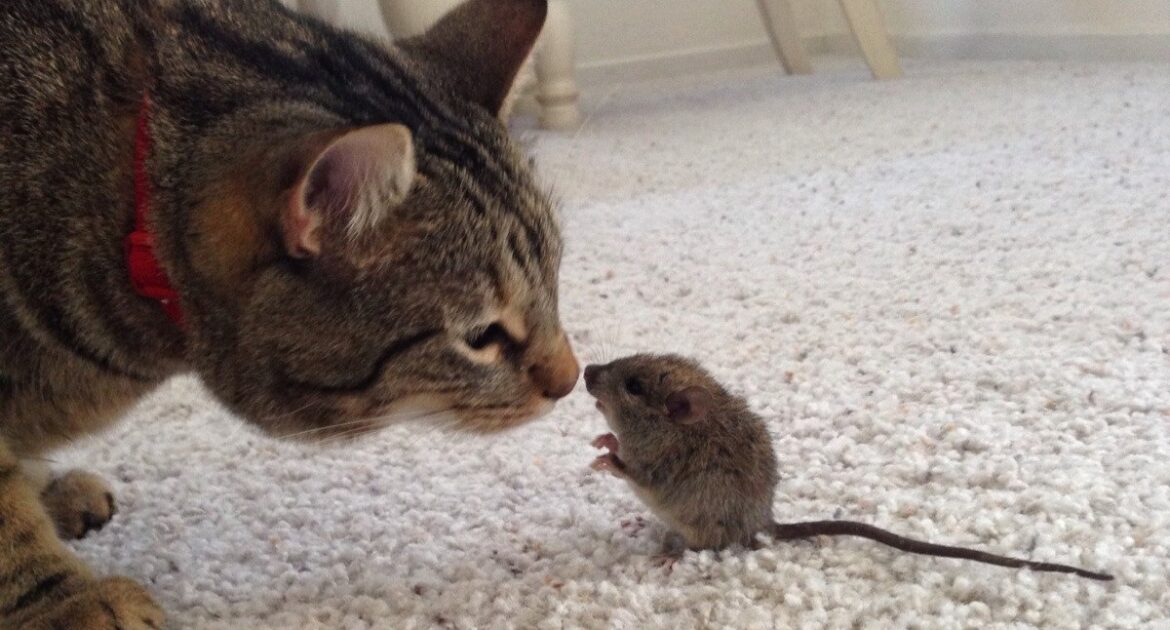
Credit: www.skedaddlewildlife.com
Diseases Mice Carry
Mice can carry many diseases that affect cats and humans. These illnesses spread through bites, droppings, or contact.
It is important to know which diseases mice carry to protect your pets and family.
Common Mouse-borne Illnesses
Mice can spread several diseases that may harm cats. Some common illnesses include hantavirus, salmonellosis, and leptospirosis.
- Hantavirus:Causes lung problems and fever.
- Salmonellosis:Leads to stomach pain and diarrhea.
- Leptospirosis:Affects the liver and kidneys.
- Plague:Rare but serious disease spread by fleas on mice.
Transmission Methods
Mice spread diseases in many ways. Cats can catch illnesses by touching or eating infected mice.
| Method | Description |
| Bites | Mice bite cats, passing germs directly. |
| Contact with urine or droppings | Cat touches infected waste and gets sick. |
| Eating infected mice | Cat eats a mouse carrying bacteria or viruses. |
| Fleas and parasites | Parasites from mice bite cats and spread disease. |
Risks To Cats
Cats often catch mice, which may carry diseases. These diseases can harm cats in many ways. It is important to know the risks to keep your cat safe.
Mice can carry bacteria, viruses, and parasites. These can spread to cats through bites, scratches, or eating the mice.
How Cats Get Infected
Cats usually get infected by catching or eating mice. The diseases hide in the mouse’s blood, fur, or feces.
When cats bite or swallow mice, they can get germs. Sometimes, a mouse bite or scratch can also pass infections.
- Eating infected mice
- Being bitten or scratched by mice
- Contact with mouse droppings or urine
Symptoms To Watch For
Watch your cat for signs of illness after they catch mice. Early detection helps your cat get treatment fast.
Symptoms vary but often include changes in behavior and health. Look for signs of infection or discomfort.
- Fever and weakness
- Loss of appetite
- Vomiting or diarrhea
- Swollen lymph nodes
- Coughing or sneezing
- Excessive scratching or hair loss
Preventing Disease Transmission
Cats often catch mice, but mice can carry diseases. These diseases can spread to cats and humans.
It is important to take steps to stop diseases from spreading. This keeps your cat and home safe.
Safe Hunting Practices
Let your cat hunt only under supervision. This lowers the risk of catching sick mice.
Check your cat for bites or scratches after hunting. Clean any wounds quickly to avoid infection.
- Watch your cat when outside
- Stop hunting if mice look sick or slow
- Clean your cat’s paws and fur regularly
- Visit the vet if your cat shows illness signs
Home Hygiene Tips
Keep your home clean to prevent mice from spreading germs. Good hygiene stops diseases at home.
Store food in sealed containers and remove trash often. This helps keep mice away.
- Seal holes and cracks where mice enter
- Clean floors and counters daily
- Use traps or safe pest control
- Wash your hands after handling mice or cat waste
Veterinary Care For Cats
Cats can catch diseases from mice that carry infections. Knowing when to see a vet helps protect your pet.
Early care can prevent serious health problems in cats exposed to mice. Watch for signs and act quickly.
When To Visit A Vet
Take your cat to the vet if you notice unusual behavior or symptoms after contact with mice. Signs include:
- Loss of appetite
- Vomiting or diarrhea
- Fever or lethargy
- Difficulty breathing
- Unusual lumps or wounds
Prompt veterinary attention can catch infections early and improve recovery chances.
Diagnostic Tests And Treatments
Vets use tests to find out if your cat has diseases from mice. They may include blood tests, X-rays, or skin checks.
| Test | Purpose | Treatment Options |
| Blood Test | Detect infections or parasites | Antibiotics or antiparasitic drugs |
| X-Ray | Check for lung or organ damage | Supportive care and medication |
| Skin Scraping | Look for mites or fungal infections | Topical or oral treatments |
Natural Immunity And Precautions
Cats often come into contact with mice, which can carry diseases. Understanding how cats fight these illnesses helps protect their health. This guide covers natural immunity and safety steps.
Knowing your cat’s immune response and how to take precautions can reduce the risk of infections. Learn how to keep your pet safe from mouse-related diseases.
Cat’s Immune Response
Cats have a strong natural immune system that fights many germs. Their immune cells attack bacteria and viruses from mice bites or contact. This helps stop most infections early.
- White blood cells destroy harmful microbes
- Antibodies recognize and neutralize viruses
- Skin and fur act as barriers to germs
- Inflammation helps heal wounds and fight pathogens
Still, some diseases can bypass immunity. Cats may need extra care if they catch serious infections.
Preventive Measures
Preventing disease from mice requires careful steps. Keeping cats safe lowers chances of infection. Follow these key precautions:
- Limit your cat’s access to areas with many mice
- Keep your home clean to reduce mouse presence
- Check your cat’s body for wounds or bites regularly
- Take your cat to the vet for vaccinations and check-ups
- Use flea and tick treatments as recommended
| Precaution | Purpose |
| Limit outdoor access | Reduce encounters with mice |
| Regular vet visits | Detect and treat infections early |
| Clean living spaces | Remove mouse habitats |
| Check for wounds | Prevent infection from bites |
| Flea and tick control | Stop disease carriers |

Credit: www.reddit.com

Credit: www.petscare.com
Frequently Asked Questions
Can Cats Get Sick From Eating Mice?
Yes, cats can catch diseases from eating infected mice. Mice may carry parasites, bacteria, or viruses harmful to cats. Always monitor your cat’s health and consult a vet if symptoms appear after hunting mice.
What Diseases Can Cats Catch From Mice?
Cats can catch diseases like toxoplasmosis, leptospirosis, and salmonella from mice. These illnesses can cause vomiting, diarrhea, fever, and lethargy. Preventing contact with wild rodents helps reduce these risks.
How Do Mice Transmit Diseases To Cats?
Mice transmit diseases through bites, scratches, or contaminated feces and urine. Cats ingesting or coming into contact with infected mice can contract illnesses. Proper pest control and hygiene reduce this risk.
Should I Worry About Mice Near My Cat?
Yes, mice near your cat pose health risks due to disease transmission. Keep your home clean and use safe rodent control methods. Regular vet check-ups ensure early detection of any illness.
Conclusion
Cats can catch some diseases from mice, but not all. It’s important to keep your cat safe and healthy. Watch for signs of illness after your cat hunts or meets mice. Regular vet visits help catch problems early. Clean your home to reduce mice and disease risks.
Protecting your cat means less worry for you. Stay informed and care well for your furry friend. Small steps make a big difference in health.

Lily Purrington is the founder of MyKittyPicks.com, a cozy corner of the web dedicated to helping cat lovers discover the best cat products, furniture, toys, and home decor ideas.
A lifelong cat enthusiast, Lily shares trusted tips, honest product recommendations, and stylish inspiration designed to keep kitties happy and homes beautiful.
Her mission is simple: to bring together practical advice and purr-fect picks that make life better for cats and the people who love them.


