

Dealing with cat urine smell can be frustrating and stubborn. You want your home to smell fresh, not like a litter box.
You might have heard that vinegar can help remove that strong odor. But does it really work? You’ll discover how vinegar interacts with cat urine smell and whether it’s the right solution for your problem. Keep reading to find out how you can get your space smelling clean again—without wasting time or money on the wrong products.
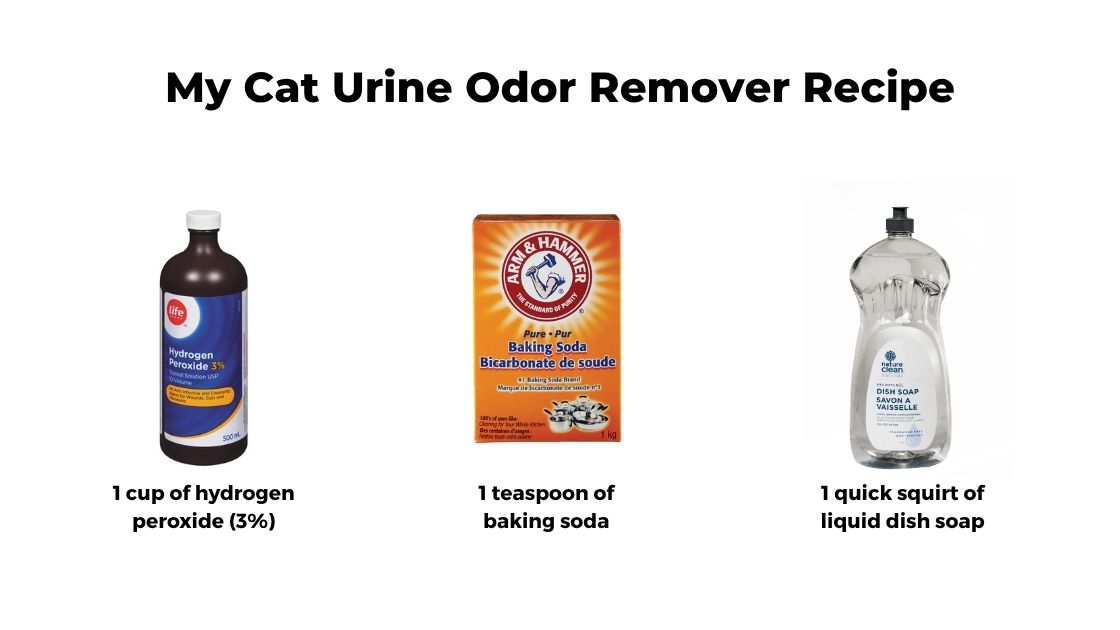
Credit: veterinarysecrets.com
Why Cat Urine Smell Lingers
The smell of cat urine can be very strong and hard to remove. It often stays long after cleaning. Understanding why this odor lingers helps find better ways to get rid of it. Cat urine has unique properties that make its scent stubborn. It can soak deep into many surfaces, hiding the smell inside.
Chemical Composition Of Cat Urine
Cat urine contains ammonia and urea, which create a sharp smell. It also has proteins and uric acid crystals. These crystals do not dissolve easily in water. They can stay trapped in fabrics and carpets. The uric acid breaks down slowly, causing the odor to last for days or weeks.
Porous Surfaces And Odor Absorption
Porous surfaces like carpet, wood, and upholstery absorb urine deeply. The liquid seeps into tiny holes and fibers. The uric acid crystals settle inside these pores. Normal cleaning may only remove urine on the surface. The hidden crystals keep releasing the bad smell over time.
Challenges In Removing Odor
Removing cat urine odor is tough because of its chemical and physical traits. Water or soap alone cannot dissolve uric acid crystals. Strong cleaners may damage some surfaces. Enzyme-based cleaners work better by breaking down urine molecules. The key is to reach deep into the affected areas and fully neutralize the odor.
Credit: www.housedigest.com
How Vinegar Works Against Odors
Vinegar is a popular home remedy for removing strong odors like cat urine. Its effectiveness comes from its natural properties. Understanding how vinegar works helps explain why many people use it for odor control. The key lies in its acidity and impact on odor-causing elements.
Acidity And Odor Neutralization
Vinegar contains acetic acid, which lowers the pH of surfaces. This acidity breaks down odor molecules, making smells less intense. It does not just mask odors but helps neutralize them. The sour scent of vinegar fades quickly, leaving a cleaner smell behind.
Vinegar’s Effect On Bacteria
Odors often come from bacteria breaking down substances like urine. Vinegar’s acid creates an environment that slows bacterial growth. Without bacteria, the source of many bad smells reduces. Vinegar can help clean surfaces by killing some odor-causing germs.
Limitations Of Vinegar
Vinegar does not remove all urine stains or smells completely. Deep or old urine may need stronger cleaning products. Vinegar’s smell can bother some people if used too much. It works best on fresh stains and in well-ventilated areas.
Steps To Use Vinegar For Cat Urine
Vinegar is a natural deodorizer effective against cat urine smells. It neutralizes odors and is non-toxic, making it ideal for homes with pets. Follow these steps for using vinegar to remove cat urine smell effectively.
Preparing The Vinegar Solution
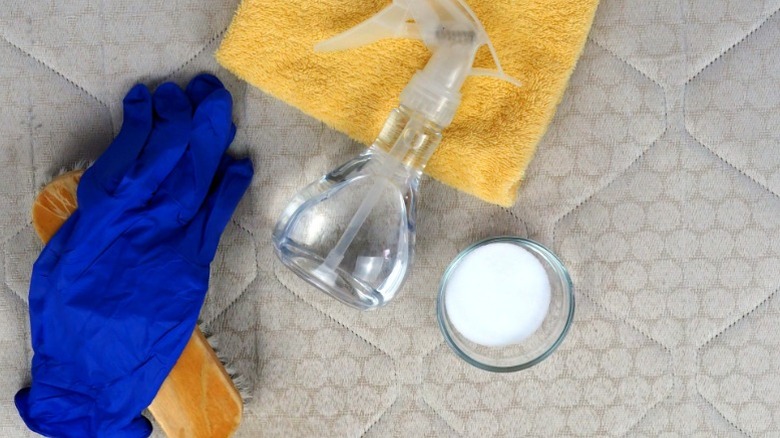
Start by making a vinegar solution. Mix equal parts of white vinegar and water in a spray bottle. Shake well to combine the ingredients thoroughly. This solution is safe for most surfaces and fabrics.
Applying Vinegar To Affected Areas
Identify the urine-stained areas. Spray the vinegar solution generously on these spots. Ensure the area is soaked, which helps in breaking down the odor. Gently scrub the spot using a soft brush or cloth. This action allows the vinegar to penetrate deeper into the material.
Drying And Ventilation Tips
After applying the vinegar, let the area air dry naturally. Open windows or use fans to increase air circulation. This speeds up the drying process and helps dissipate the vinegar smell. If possible, expose the area to sunlight. Sunlight naturally eliminates odors and bacteria.
When Vinegar Alone Isn’t Enough
Vinegar can help reduce cat urine smell, but it may not always remove it fully. Sometimes, the odor hides deep in carpets, fabrics, or wood. Vinegar’s acidic nature breaks down some odor molecules but not all. For tough stains and strong smells, extra steps are necessary. These options work better for stubborn urine odors that vinegar alone can’t handle.
Using Enzymatic Cleaners
Enzymatic cleaners contain special enzymes that break down urine molecules. They target the source of the smell rather than just masking it. These cleaners work well on organic stains like cat urine. Apply the cleaner to the affected area and let it sit for the recommended time. Enzymes digest the urine, removing both stain and odor completely.
Combining Vinegar With Other Remedies
Mix vinegar with baking soda for better odor control. Vinegar neutralizes the smell, while baking soda absorbs moisture and odors. Sprinkle baking soda on the dry area after vinegar treatment. Let it sit for hours, then vacuum it up. This combination provides a deeper clean for lingering smells.
Professional Cleaning Options
Professional cleaners use advanced tools and solutions. They can reach deep into carpets and upholstery. Steam cleaning and ozone treatments help eliminate hidden urine odor. Experts know how to treat tricky stains thoroughly. Hiring professionals saves time and ensures a cleaner, fresher home.
Preventing Future Accidents
Preventing future accidents is crucial once you’ve tackled the cat urine smell. Getting rid of the odor is only the first step; stopping your cat from marking the same spot again is where the real challenge lies. You can create a cleaner, happier home by paying attention to your cat’s environment and habits.
Litter Box Maintenance
Cleanliness plays a huge role in your cat’s bathroom habits. Cats are very particular about their litter boxes, and a dirty box can push them to find other places to go.
Make sure to scoop out waste daily and change the litter completely at least once a week. Using unscented, clumping litter often works best because strong scents can repel some cats.
Have you noticed your cat avoiding the litter box? It might be time to add a second box, especially if you have multiple cats. This simple change often reduces accidents dramatically.
Behavioral Training Tips
Understanding why your cat is having accidents can help you fix the problem. Stress, changes in routine, or even health issues can cause unwanted marking.
Try rewarding your cat with treats and affection when they use the litter box correctly. Positive reinforcement encourages good habits without stress.
If your cat is marking due to anxiety, calming aids like pheromone diffusers or gentle playtime can help ease their nerves. Have you considered if something in your cat’s life has recently changed?
Environmental Adjustments
Sometimes, the environment itself invites accidents. Cats like quiet, private spots for their bathroom needs.
Make sure the litter box is in a low-traffic, peaceful area. Avoid placing it near noisy appliances or busy hallways.
Also, remove any lingering smells from previous accidents with an enzymatic cleaner. Cats often return to the same spot if they can still smell their urine.
Think about your home layout—is it easy for your cat to access their litter box at all times? Small changes here can prevent big problems later.

Credit: smart.dhgate.com
Frequently Asked Questions
Does Vinegar Really Remove Cat Urine Smell?
Yes, vinegar neutralizes the ammonia in cat urine. It helps break down odor molecules and reduces the smell effectively when used promptly.
How To Use Vinegar To Clean Cat Urine?
Mix equal parts white vinegar and water. Apply the solution to the affected area, let it sit for 5-10 minutes, then blot dry.
Can Vinegar Alone Eliminate Deep Cat Urine Stains?
Vinegar helps with odor but may not fully remove deep stains. For best results, combine vinegar with baking soda or enzymatic cleaners.
Is Vinegar Safe For Cleaning Cat Urine On Carpets?
Yes, vinegar is safe for most carpets and upholstery. Test a small hidden spot first to avoid potential discoloration or damage.
Conclusion
Vinegar can help reduce cat urine smell effectively. It breaks down the odor-causing molecules quickly. Use it soon after the accident for best results. Mix vinegar with water and apply to the spot. Let it dry completely before cleaning again.
Vinegar is safe and affordable for most homes. Remember, strong or old stains may need extra care. Combining vinegar with other cleaning methods works well. Trust simple solutions to keep your home fresh. Give vinegar a try to fight cat urine smell today.

Lily Purrington is the founder of MyKittyPicks.com, a cozy corner of the web dedicated to helping cat lovers discover the best cat products, furniture, toys, and home decor ideas.
A lifelong cat enthusiast, Lily shares trusted tips, honest product recommendations, and stylish inspiration designed to keep kitties happy and homes beautiful.
Her mission is simple: to bring together practical advice and purr-fect picks that make life better for cats and the people who love them.


