
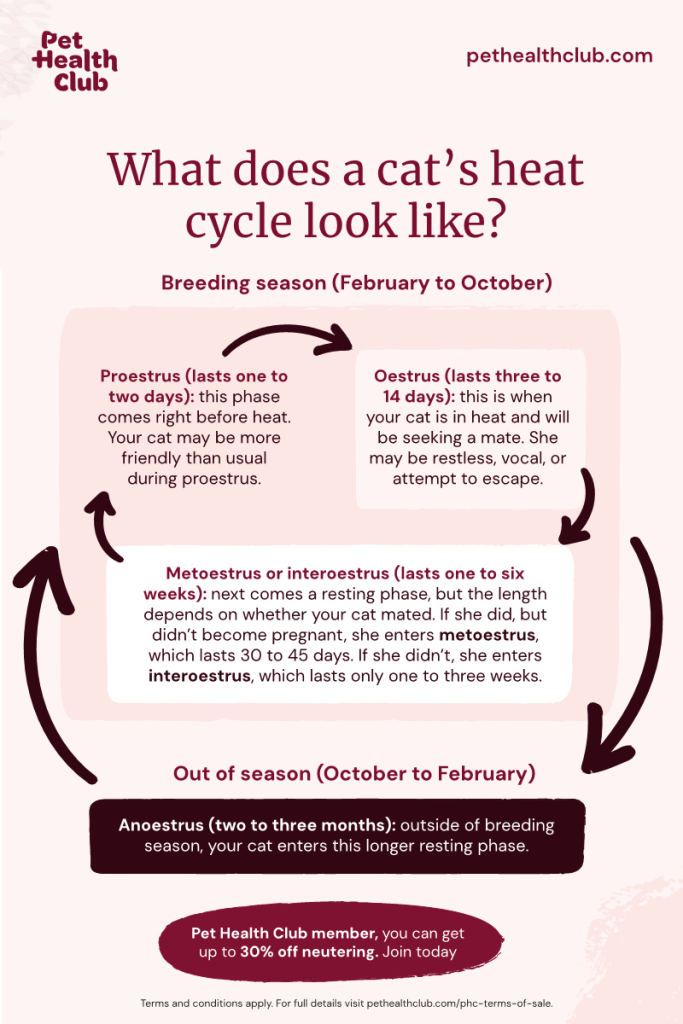
Have you ever wondered why cats suddenly become so loud and noisy when they’re mating? If you’ve heard those strange, loud yowls and cries, you’re not alone.
It might seem puzzling or even a little shocking at first. But there’s a fascinating reason behind these sounds that reveals a lot about cat behavior and communication. Keep reading to discover why your feline friend turns up the volume during this special time—and what it means for both cats and you.
Mating Calls And Communication
Cats use loud sounds during mating to communicate important messages. These noises help them find each other and signal their readiness to mate. The vocalizations serve many purposes beyond just attracting a partner.
Purpose Of Loud Vocalizations
Female cats often make loud calls to show they are in heat. These sounds tell males they are ready to mate. Loud meows and yowls also help females attract multiple males, increasing their chances of reproduction.
Males respond with their own noises to show interest. These vocalizations help cats coordinate the mating process. The loud sounds also help cats stay close in noisy or crowded areas.
Signals To Other Cats
These mating calls warn other cats to stay away or compete. Loud noises can signal a cat’s presence and strength. This reduces the chance of surprise attacks or fights during mating.
Calls also help males locate females from a distance. This saves energy by guiding males directly to receptive females. The sounds play a key role in the social interaction between cats during mating.
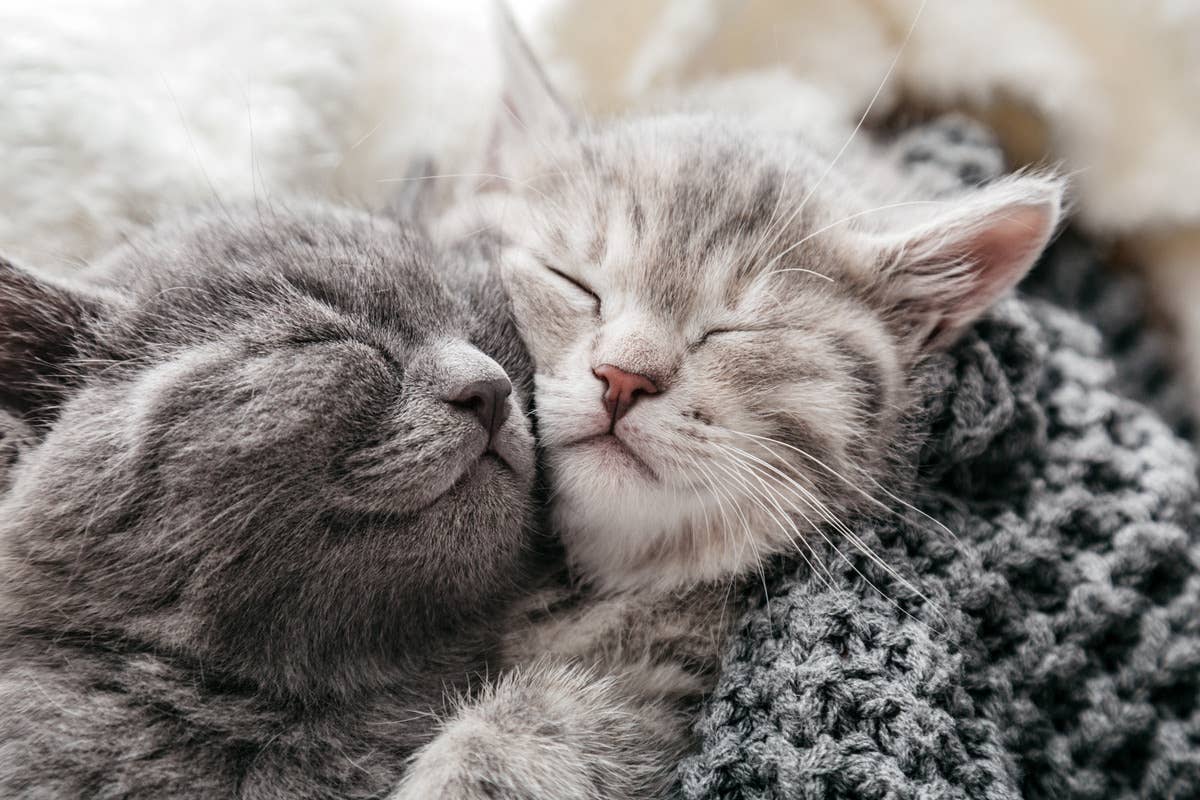
Credit: pethelpful.com
Biological Drivers Behind Loudness
Cats can get surprisingly loud during mating, and there’s more to it than just noise. The sounds serve important biological purposes that help cats communicate and reproduce effectively. Understanding these drivers can change how you see your pet’s behavior and even help you manage noisy moments better.
Hormonal Influences
Hormones play a huge role in why cats vocalize loudly when mating. Female cats release hormones that trigger both physical readiness and vocal signals to attract males. These sounds let males know she’s in heat and ready to mate.
On the male side, testosterone spikes increase their drive to respond to these calls with urgency and volume. This hormonal rush can make their vocalizations intense and persistent. Have you noticed your cat’s sudden change in behavior during mating season? That’s hormones at work.
Instinctual Behavior Patterns
Cats’ loud mating calls are deeply rooted in instinct. These sounds act as a natural way to communicate across distances, especially in the wild where finding a mate isn’t always easy. The loud vocalizations increase chances of locating each other quickly.
Additionally, the noise can serve to warn other males to stay away, reducing physical fights. Your cat’s loudness isn’t just random—it’s a survival mechanism shaped by evolution. Next time you hear those yowls, consider that your cat is following a well-worn biological script designed to ensure the species survives.
Female Cats’ Role In Vocalizations
Female cats play a key role in the loud noises heard during mating. Their vocalizations serve important purposes. These sounds are not random. They help communicate with male cats and influence mating behavior.
Understanding female cats’ vocal role gives insight into why these sounds can be so intense and frequent. Their calls are more than just noise; they are messages.
Attracting Mates
Female cats use loud calls to attract male cats nearby. These vocalizations signal that they are ready to mate. The sounds travel far, drawing attention from several males. This increases the chances of finding a mate quickly.
The louder and more frequent the calls, the stronger the signal. This helps females compete with others for the best mate. The calls act like an invitation to potential partners.
Expressing Receptivity
Vocalizations also show that the female cat is receptive to mating. The sounds change in pitch and intensity based on her readiness. This helps males understand when to approach and when to back off.
These vocal signals reduce confusion and prevent unnecessary fights between males. They guide the mating process smoothly. The female’s calls are a clear communication of her willingness.
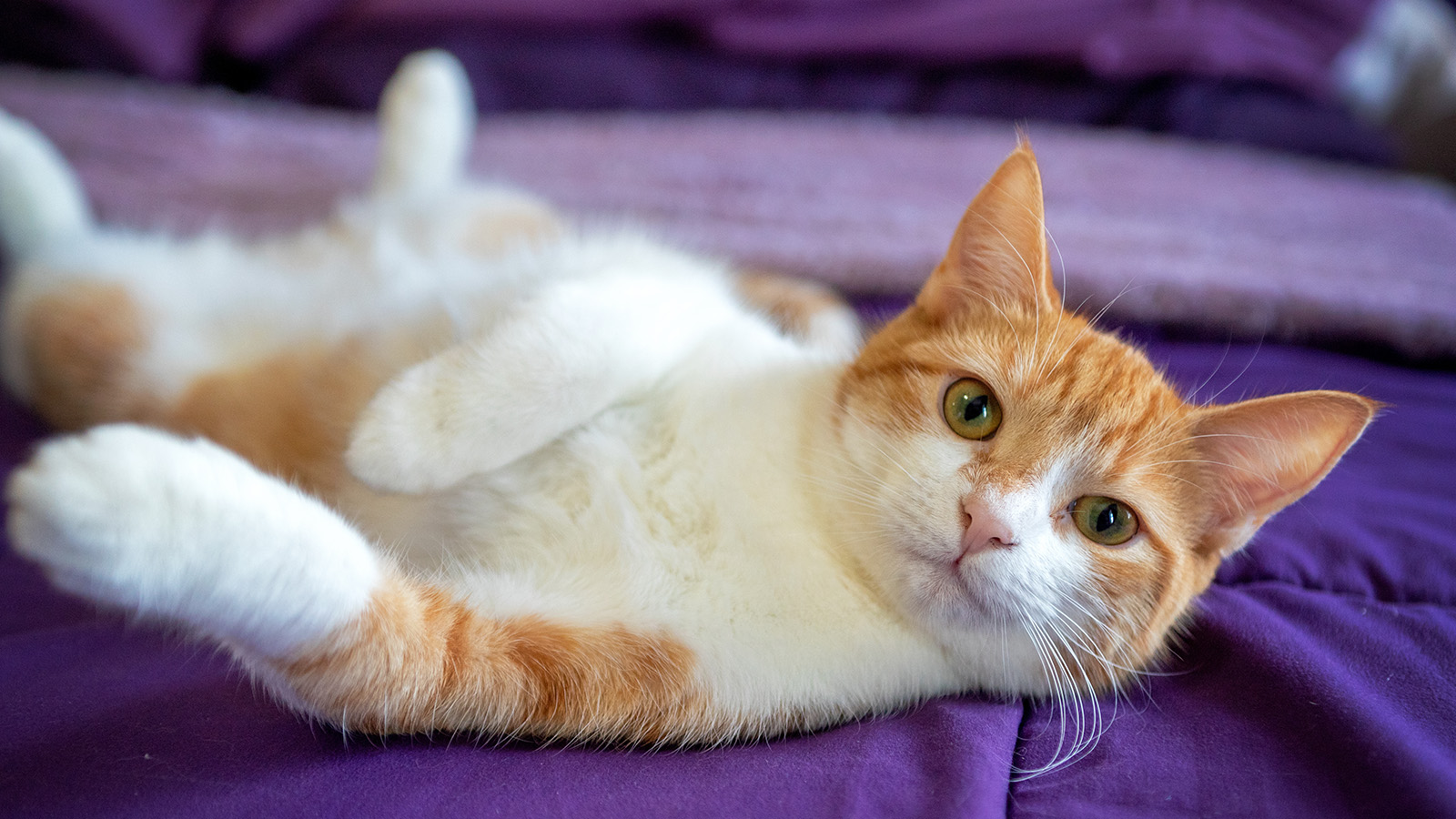
Credit: animals.howstuffworks.com
Male Cats’ Vocal Responses
Male cats use loud vocal sounds during mating for more than just communication with females. These sounds have important roles in marking territory and signaling to other males. Their vocal responses serve as warnings and displays of strength.
Territorial Claims
Male cats vocalize loudly to mark their territory. These sounds warn other males to stay away. The noise shows that the area is already claimed. It helps reduce physical fights by setting clear boundaries. The louder and more frequent the calls, the stronger the message.
Competition Among Males
During mating, males compete for the female’s attention. Loud vocalizations help males assert dominance. The calls can intimidate rivals and reduce their confidence. This competition through sound prevents constant fighting. It acts as a way to show who is stronger or more dominant.
Impact On Cat Behavior And Environment
The loud noises cats make during mating have a significant impact on both their behavior and the environment around them. These vocalizations are not just random sounds; they play a role in communication and territory establishment. Understanding this impact can help you better manage your relationship with neighborhood cats and the sounds they produce.
Effects On Neighborhoods
Neighborhoods with many cats can become unexpectedly noisy during mating seasons. The loud yowling can disturb the peace, especially at night when silence is expected. This noise sometimes leads to tension among neighbors who may not understand why cats behave this way.
Besides noise, the mating behavior can cause cats to roam farther from home, increasing the risk of fights and accidents. Unneutered cats create more litters, which can overwhelm local shelters and affect community cat populations. Have you ever noticed an increase in stray cats or unusual cat activity in your area during certain times of the year?
Human Reactions
Many people find the loud mating calls stressful or annoying, leading to complaints or attempts to control cat populations. Some may feel frustrated by the disruption but hesitate to intervene due to love for animals. This often leaves cat owners or communities searching for humane solutions.
Understanding why cats are loud during mating can shift your perspective from annoyance to empathy. You might consider supporting local trap-neuter-return programs or talking to neighbors about responsible pet care. How could your actions help reduce the noise and improve life for both cats and people in your community?
Managing Loud Mating Noises
Managing loud mating noises from cats can be challenging for pet owners. These sounds often disrupt peace and cause stress at home. Understanding ways to reduce or control these noises helps create a calmer environment. Simple actions and care can make a big difference in noise levels.
Spaying And Neutering Benefits
Spaying or neutering cats reduces loud mating calls significantly. These procedures stop reproductive hormones that cause noisy behaviors. Cats become calmer and less vocal during mating season. It also prevents unwanted litters and health risks. Many shelters and vets recommend this for pet well-being.
Behavioral Adjustments
Changing cat routines can lower mating noises. Providing plenty of playtime and attention keeps cats distracted. Creating a quiet, comfortable space helps reduce stress and loud calls. Use toys, scratching posts, and interactive games to engage cats. Avoid loud environments that may increase their anxiety and noise.

Credit: www.reddit.com
Frequently Asked Questions
Why Do Cats Make Loud Noises During Mating?
Cats make loud noises to communicate and attract mates. The sounds signal readiness and help establish dominance. Females vocalize to indicate receptiveness, while males respond with calls to compete for attention.
Are Cat Mating Sounds A Form Of Communication?
Yes, cat mating sounds are crucial communication signals. They convey reproductive status and territorial claims. These vocalizations help cats find partners and warn rivals to stay away.
Do Loud Mating Sounds Affect Cats’ Behavior?
Loud mating sounds increase agitation and alertness in cats. They trigger territorial instincts and competitive behaviors. These noises also help synchronize mating activities within cat populations.
How Long Do Cats Vocalize During Mating?
Cats usually vocalize intensely for a few minutes during mating. The loud sounds occur mainly during copulation and immediately afterward. This brief vocal period aids reproductive success.
Conclusion
Cats make loud noises during mating to communicate and attract partners. These sounds help ensure successful reproduction by signaling readiness. Their cries also serve as a deterrent to rival males. This natural behavior is essential for the continuation of their species.
Understanding these sounds can help pet owners manage their cat’s needs better. It’s a fascinating glimpse into feline instincts. Respecting this behavior helps us coexist peacefully with our furry friends. So, next time you hear a loud cat, remember it’s just nature at work.

Lily Purrington is the founder of MyKittyPicks.com, a cozy corner of the web dedicated to helping cat lovers discover the best cat products, furniture, toys, and home decor ideas.
A lifelong cat enthusiast, Lily shares trusted tips, honest product recommendations, and stylish inspiration designed to keep kitties happy and homes beautiful.
Her mission is simple: to bring together practical advice and purr-fect picks that make life better for cats and the people who love them.


