

Are you worried about your cat’s health and wondering what low phosphorus in cat food really means? Understanding phosphorus levels can make a big difference in managing your cat’s diet, especially if they have kidney issues or other health concerns.
But what exactly counts as low phosphorus? Knowing this can help you choose the right food to keep your furry friend happy and healthy. Keep reading to discover clear, simple answers that will guide you to the best choices for your cat’s well-being.

Credit: www.weruva.com
Phosphorus Role In Cat Health
Phosphorus is a vital mineral for cats. It supports many body functions and helps keep cats healthy. Understanding phosphorus’s role helps in choosing the right cat food. Low phosphorus diets may benefit some cats, especially those with kidney issues.
Importance Of Phosphorus
Phosphorus helps build strong bones and teeth. It works closely with calcium to maintain bone health. This mineral also plays a key role in energy production. Cells use phosphorus to create ATP, the energy currency of the body. It supports muscle function and nerve signaling, too. Without enough phosphorus, cats may become weak or have trouble moving.
Effects Of Excess Phosphorus
Too much phosphorus can harm a cat’s kidneys. High levels strain the kidneys and reduce their function. This can lead to kidney disease or worsen existing problems. Excess phosphorus may also cause mineral imbalances. These imbalances weaken bones and cause pain. Cats with kidney disease often need low phosphorus diets. Reducing phosphorus helps protect kidney health and improves quality of life.
Low Phosphorus Levels Explained
Understanding low phosphorus levels in cat food is essential, especially if your cat has kidney issues or other health concerns. Phosphorus is a mineral that plays a key role in your cat’s body, but too much can cause problems. Knowing what counts as low phosphorus can help you make smarter choices for your pet’s diet.
Defining Low Phosphorus In Cat Food
Low phosphorus in cat food typically means the food contains less phosphorus than regular cat food. But what exactly does “low” mean? Usually, it’s about the amount of phosphorus per calorie or per serving.
Veterinarians often look at phosphorus levels in milligrams per kilogram (mg/kg) of food or on a dry matter basis. Foods labeled as low phosphorus usually have less than 0.4% phosphorus on a dry matter basis. This means if you compare two foods, the one with less than 0.4% phosphorus is considered low phosphorus.
Have you ever checked the phosphorus content on your cat’s food label? It’s not always obvious, but understanding these numbers can make a big difference.
Recommended Phosphorus Limits
For healthy cats, the phosphorus content in food is generally safe up to about 0.6-1.0% on a dry matter basis. However, cats with kidney disease need much lower phosphorus levels to avoid further damage.
Experts recommend that cats with kidney problems eat food with phosphorus levels below 0.4%. Some veterinary diets aim for even lower levels, around 0.2-0.3%. This helps reduce the strain on kidneys and supports better health outcomes.
When choosing food, look for labels or ask your vet about phosphorus limits. Keeping phosphorus low is not just a number game—it can improve your cat’s quality of life. Would you consider switching your cat’s diet if it helps protect their kidneys?
Health Benefits Of Low Phosphorus Diets
Choosing a low phosphorus diet for your cat can have a significant impact on their overall health. Phosphorus is an essential mineral, but too much of it can lead to serious health issues, especially as cats age or face certain medical conditions. Understanding the benefits of a low phosphorus diet helps you make informed choices to support your cat’s well-being.
Kidney Health Support
Your cat’s kidneys filter waste and maintain fluid balance, but they can struggle with excess phosphorus. A low phosphorus diet eases the workload on these organs, helping to slow down kidney damage.
Many pet owners notice their cats feel more energetic and comfortable after switching to low phosphorus food. Have you observed any changes in your cat’s activity or appetite when adjusting their diet?
Managing Chronic Conditions
Conditions like chronic kidney disease and certain urinary problems worsen with high phosphorus levels. Feeding your cat a diet low in phosphorus helps manage these illnesses and prevents complications.
This diet also supports your cat’s quality of life by reducing symptoms such as lethargy and loss of appetite. What steps are you taking to address your cat’s health needs through diet?
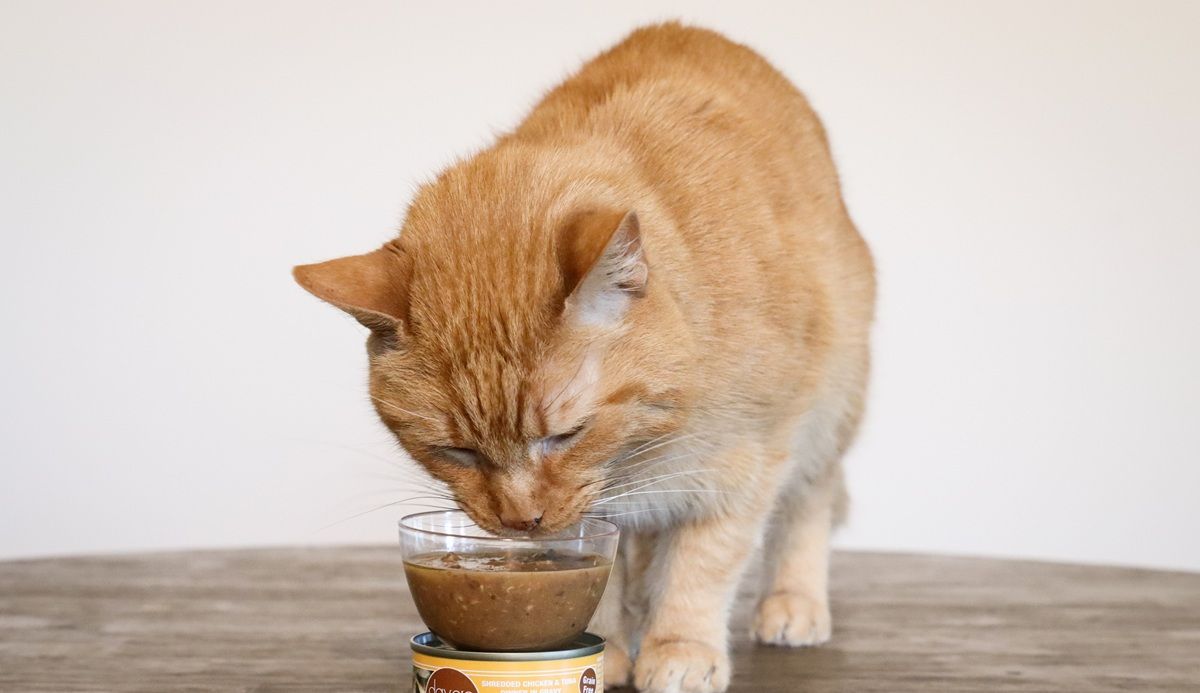
Credit: cats.com
Identifying Low Phosphorus Cat Foods
Identifying low phosphorus cat foods is key for cats with kidney issues or other health concerns that require managing phosphorus intake. Knowing how to spot these foods helps you make better choices for your feline friend’s diet. It’s not always obvious, but with a bit of guidance, you can confidently select the right products.
Reading Pet Food Labels
Pet food labels can be tricky, but they hold the information you need. Look for phosphorus content listed as a percentage or in milligrams per serving. Ideally, low phosphorus foods contain less than 0.4% phosphorus on a dry matter basis.
Keep an eye on terms like “renal support” or “kidney care”—these often indicate lower phosphorus levels. However, don’t rely solely on marketing claims; always check the actual nutrient analysis. If the label doesn’t provide clear information, contact the manufacturer for details.
Ingredients To Look For
Choosing the right ingredients can naturally lower phosphorus in your cat’s food. Look for protein sources with lower phosphorus levels, such as egg whites or certain fish types like whitefish. Avoid foods high in organ meats or bone meals, as these tend to be rich in phosphorus.
Grains and vegetables generally have lower phosphorus content and can help balance the diet. Have you noticed how some specialty kidney diets use these ingredients more? That’s because they help keep phosphorus in check while still providing essential nutrients.
Choosing The Right Diet For Your Cat
Choosing the right diet for your cat plays a vital role in their health. Cats with kidney problems or certain diseases need low phosphorus food. This diet helps reduce strain on their kidneys and supports better health. Understanding what counts as low phosphorus is key to making good choices.
Consulting Your Veterinarian
Your veterinarian knows your cat’s health best. Discuss phosphorus levels and diet options with them. They can recommend foods that fit your cat’s needs. Regular check-ups help adjust the diet as needed. Avoid choosing food without professional advice.
Tailoring Diets To Individual Needs
Each cat has unique health and dietary requirements. Factors like age, weight, and illness affect diet choice. Low phosphorus food should suit your cat’s condition and taste. Customizing the diet improves health and keeps your cat happy. Watch how your cat responds and update the diet accordingly.
Potential Risks Of Low Phosphorus Diets
Feeding cats a diet low in phosphorus can help certain health issues. Still, it might lead to risks if not balanced well. Phosphorus is vital for strong bones and proper body functions. Too little phosphorus can cause problems in cats over time.
Nutrient Imbalance Concerns
Low phosphorus diets may cause other nutrients to drop too low. Cats need a balance of minerals and vitamins to stay healthy. A lack of phosphorus can disturb calcium levels. This imbalance may weaken bones and muscles. It can also affect kidney function in cats. Diets that are too low in phosphorus might not meet all nutritional needs.
Signs Of Deficiency
Watch for signs that your cat might lack phosphorus. These include:
- Weakness or fatigue
- Poor appetite
- Slow growth in kittens
- Bone pain or fractures
- Muscle tremors
Noticing these signs early can help prevent serious health issues. Always check with a vet before changing your cat’s diet.
Homemade Low Phosphorus Cat Food Tips
Creating homemade low phosphorus cat food can feel overwhelming, but it’s a powerful way to support your cat’s kidney health. Knowing which ingredients keep phosphorus levels low is key to making meals that are both safe and tasty for your feline friend. Let’s dive into practical tips that help you prepare nourishing food without risking high phosphorus content.
Safe Ingredients
Choosing the right ingredients is crucial. Lean meats like chicken breast and turkey are excellent because they naturally contain lower phosphorus compared to organ meats or fish. Eggs are another great option—they offer protein with moderate phosphorus levels.
Vegetables such as green beans or peas can be added in small amounts, but always avoid high-phosphorus foods like dairy or whole grains. Have you checked the phosphorus content on your cat’s current food? This can guide your ingredient selection.
- Chicken breast (skinless, boneless)
- Turkey meat (lean cuts)
- Egg whites
- Green beans
- Peas (in moderation)
Preparation Guidelines
How you prepare the food impacts phosphorus availability. Boiling meat and discarding the water can reduce phosphorus content. Avoid frying or using added salts and spices, as these add unnecessary strain on your cat’s kidneys.
Portion control matters—smaller, frequent meals help your cat digest better and keep phosphorus levels stable. Make sure to store homemade food properly; refrigeration or freezing helps maintain freshness and safety.
- Boil or steam lean meats, discard cooking water
- Serve small portions multiple times daily
- Skip salt, spices, and seasoning
- Store leftovers in airtight containers in the fridge or freezer

Credit: ziggyfamily.com
Frequently Asked Questions
What Phosphorus Level Is Low In Cat Food?
Low phosphorus in cat food is typically below 0. 4%. This helps protect cats with kidney issues. It supports kidney function and reduces stress on organs.
Why Is Low Phosphorus Important For Cats?
Low phosphorus diets help manage kidney disease in cats. High phosphorus can worsen kidney damage. Feeding low phosphorus food promotes better health and longevity.
How To Identify Low Phosphorus Cat Food?
Check the label for phosphorus content. Look for values under 0. 4% on a dry matter basis. Veterinary diets often specify low phosphorus clearly.
Can All Cats Eat Low Phosphorus Food?
Low phosphorus food is best for cats with kidney problems. Healthy cats usually don’t need phosphorus restriction. Consult your vet before changing diets.
Conclusion
Choosing cat food with low phosphorus is important for your pet’s health. Foods with less than 0. 5% phosphorus are usually considered low. This helps protect kidneys and keeps your cat feeling well. Always check the label to know the phosphorus amount.
Talk to your vet before changing your cat’s diet. A good diet supports a happy, healthy cat. Simple steps lead to better care. Keep your cat’s needs in mind for a long, joyful life.

Lily Purrington is the founder of MyKittyPicks.com, a cozy corner of the web dedicated to helping cat lovers discover the best cat products, furniture, toys, and home decor ideas.
A lifelong cat enthusiast, Lily shares trusted tips, honest product recommendations, and stylish inspiration designed to keep kitties happy and homes beautiful.
Her mission is simple: to bring together practical advice and purr-fect picks that make life better for cats and the people who love them.


