

Dealing with cat urine stains and odors can be frustrating and stubborn. You’ve probably tried countless cleaners that only mask the smell or leave behind a sticky residue.
What if there was a solution that doesn’t just cover up the problem but actually breaks it down completely? That’s where enzyme cleaners come in. If you want to understand how these powerful cleaners work and why they are the best choice for tackling cat urine, keep reading.
You’ll discover the secret to a truly fresh and clean home without harsh chemicals or endless scrubbing.
How Enzyme Cleaners Work
Understanding how enzyme cleaners work can change the way you tackle cat urine stains and odors. These cleaners don’t just mask the smell—they target the source at a molecular level. Let’s look closer at what happens when you use an enzyme cleaner on cat urine.
Breaking Down Urine Molecules
Cat urine contains complex molecules like proteins and urea that cause strong odors and stains. Enzyme cleaners use specific enzymes to break these molecules into smaller, odorless parts. This process eliminates the root cause, not just the surface mess.
Think about the last time you cleaned with a regular detergent. Did the smell return? That’s because those cleaners often leave behind residue that still holds the odor. Enzyme cleaners go deeper, ensuring the smell is truly gone.
Role Of Natural Enzymes
Natural enzymes are biological catalysts that speed up chemical reactions. In enzyme cleaners, these enzymes target the organic compounds in urine, digesting them like tiny Pac-Men. Common enzymes include proteases, amylases, and lipases, each attacking different components.
Because these enzymes come from natural sources, they are safe around pets and children when used as directed. You don’t have to worry about harsh chemicals lingering in your home. Have you ever noticed how quickly fruit rots? That’s enzymes working in nature—now harnessed to clean your home effectively.
Benefits Over Traditional Cleaners
- Odor Removal:Enzyme cleaners neutralize odors completely rather than masking them temporarily.
- Stain Elimination:They break down stains at the molecular level, making them easier to remove.
- Pet-Safe:With natural ingredients, these cleaners are less likely to irritate your cat or cause allergic reactions.
- Environmentally Friendly:Many enzyme cleaners are biodegradable and less toxic than chemical alternatives.
Next time you face a stubborn urine stain, ask yourself: Are you just covering up the problem, or are you truly solving it? Enzyme cleaners offer a practical, effective solution that traditional products can’t match.
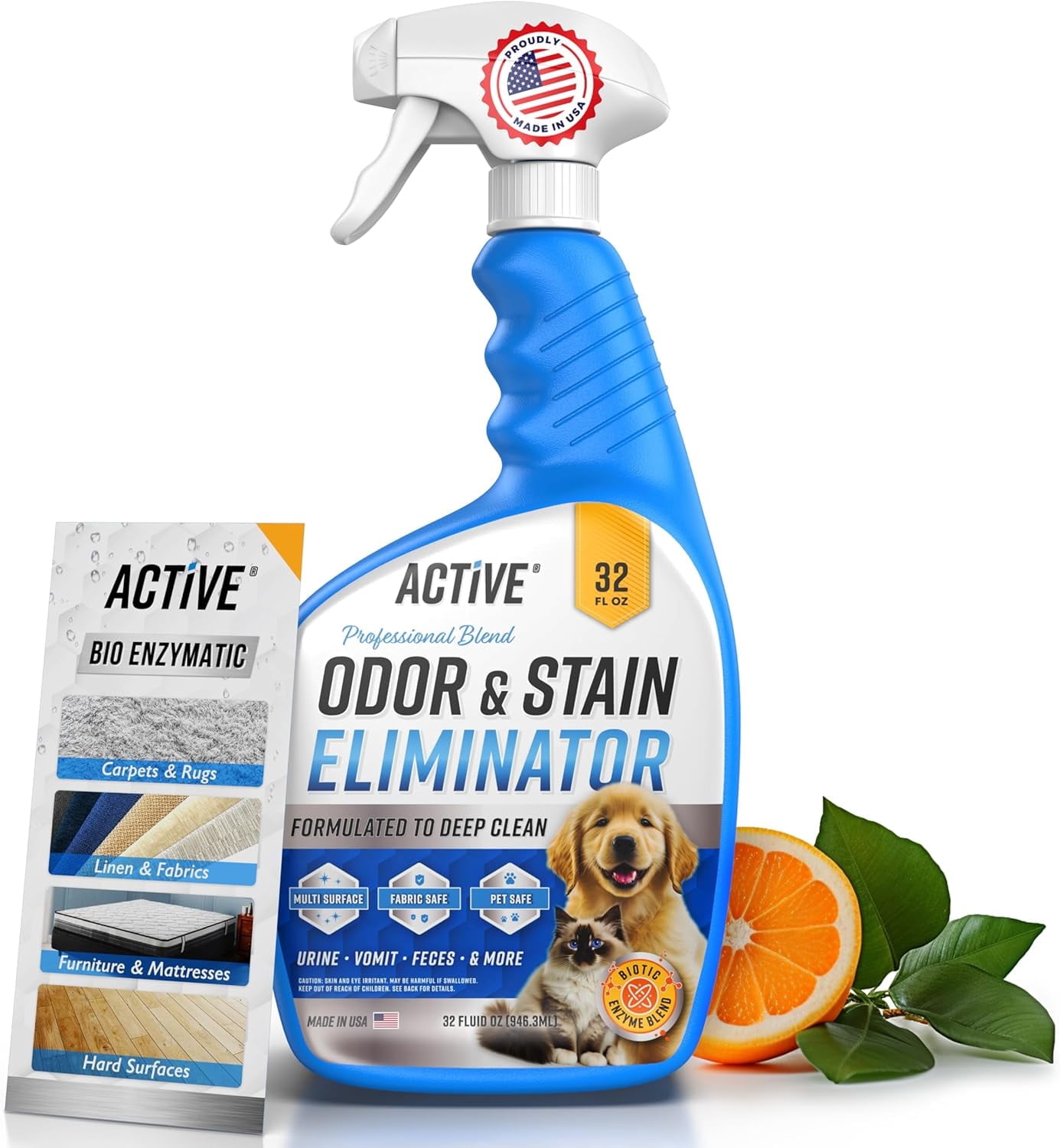
Credit: www.walmart.com
Types Of Enzyme Cleaners
Enzyme cleaners for cat urine come in various types. Each type suits different cleaning needs and surfaces. Choosing the right form helps remove stains and odors effectively. Understanding these types makes cleanup easier and more efficient.
Liquid Solutions
Liquid enzyme cleaners are the most common type. They are easy to pour directly on the stain. Liquids soak deep into carpets and fabrics. This helps enzymes break down urine molecules quickly. They often come in large bottles for bigger messes.
Sprays And Gels
Spray and gel enzyme cleaners offer precise application. Sprays reach small spots and hard-to-reach areas. Gels stick well to vertical surfaces like walls. These types are great for targeted cleaning. They also help prevent pets from re-marking spots.
Powdered Formulas
Powdered enzyme cleaners are dry and easy to store. They activate when mixed with water before use. Powders are ideal for tough stains on carpets and upholstery. They often last longer and cover larger areas. This type offers a flexible cleaning option.
Choosing The Right Cleaner
When dealing with cat urine stains, choosing the right enzyme cleaner can make all the difference. Not all cleaners are created equal. It’s important to pick a product that effectively tackles the odor and stain without damaging your surfaces or harming your pet.
Checking Ingredients
Always start by checking the ingredients list. Look for products that specifically mention enzymes like protease and amylase. These enzymes break down the proteins and starches in urine, effectively eliminating the odor at its source.
Avoid cleaners with excessive chemicals or artificial fragrances. While they might mask the smell temporarily, they won’t solve the root problem. Plus, natural ingredients are generally safer for your home environment.
Considering Surface Compatibility
Not all surfaces can handle every cleaner. Ensure the product you choose is safe for the specific material you’re cleaning, whether it’s carpet, hardwood, or fabric. Some enzyme cleaners are versatile, but double-checking won’t hurt.
Test a small area first. This step can save you from unwanted discoloration or damage. Remember the time you tried a new cleaner and ended up with a bleached spot? A quick test can prevent such mishaps.
Pet-safe Certifications
Your pet’s safety should never be compromised. Look for cleaners with pet-safe certifications. These products are specifically tested to ensure they don’t contain harmful toxins or irritants.
Check for labels or endorsements from reputable pet organizations. If a cleaner has been approved by veterinarians or pet safety boards, it’s usually a good sign. Wouldn’t you want the peace of mind knowing your feline friend is safe?
Choosing the right enzyme cleaner might seem daunting, but with these tips, you can confidently tackle those pesky stains. What’s your go-to method for ensuring your cleaning products are safe and effective?

Credit: www.amazon.ca
Using Enzyme Cleaners Effectively
Using enzyme cleaners effectively is key to removing cat urine odors and stains. These cleaners work by breaking down urine molecules at their source. Proper use ensures deep cleaning and lasting freshness.
Preparing The Area
Start by blotting up as much urine as possible with paper towels. Avoid rubbing, which can spread the stain. Remove any objects or debris from the spot. Clean the surface gently if it is dusty or dirty. This helps the enzyme cleaner reach the urine fully.
Application Tips
- Shake the enzyme cleaner bottle well before use.
- Apply the cleaner generously to cover the entire stained area.
- Use enough liquid to soak into carpets or fabric.
- Avoid using other cleaners on the spot before or after application.
- Work in a well-ventilated room for faster drying.
Allowing Proper Dwell Time
Let the enzyme cleaner sit on the stain for several hours. The longer, the better—ideally overnight. This time allows enzymes to break down urine molecules fully. Avoid wiping or rinsing the area too soon. Check the product instructions for exact timing. Patience leads to better odor removal and stain fading.
Common Mistakes To Avoid
Using an enzyme cleaner for cat urine can be very effective. Avoiding common mistakes helps get the best results. Some errors can reduce the cleaner’s power or leave bad smells behind. Understanding what to avoid can save time and effort.
Using Harsh Chemicals First
Harsh chemicals like bleach or ammonia can stop enzymes from working. These chemicals kill the bacteria that enzymes need to break down urine. Using them first may make enzyme cleaners useless. Always clean with enzyme products before trying any harsh cleaners.
Insufficient Saturation
Enzyme cleaners must soak deeply into the stained area. Light spraying often misses urine soaked deep in carpets or floors. Apply enough cleaner to fully wet the area. This helps enzymes reach all urine particles and break them down completely.
Ignoring Repeat Treatments
Cat urine stains often need more than one treatment. Enzyme cleaners work gradually, so one application may not remove all odor. Check the area after drying. If smell or stains remain, apply the cleaner again. Repeat treatments ensure the problem is fully gone.
Additional Odor Control Tips
Controlling cat urine odor requires more than just enzyme cleaners. Simple habits and good airflow help keep your home fresh. Consistent care reduces lingering smells and creates a cleaner space for your pet.
Regular Cleaning Habits
Clean any accidents quickly to prevent stains and odor buildup. Use an enzyme cleaner to break down urine proteins fully. Wipe surfaces regularly and wash fabrics often. This routine stops smells from settling deeply in carpets or furniture.
Ventilation And Air Purifiers
Fresh air helps dilute and remove bad odors. Open windows when possible to let air flow through rooms. Use air purifiers with HEPA filters to trap particles and reduce smells. Place purifiers near litter boxes or areas where accidents happen.
Litter Box Maintenance
Keep the litter box clean and odor-free. Scoop waste daily and change litter weekly. Use clumping litter that traps moisture and smells well. Wash the box with mild soap and water regularly to prevent bacteria growth.

Credit: www.amazon.ca
Frequently Asked Questions
What Is An Enzyme Cleaner For Cat Urine?
An enzyme cleaner breaks down cat urine molecules using natural enzymes. It removes stains and odors effectively, unlike regular cleaners.
How Does Enzyme Cleaner Remove Cat Urine Smell?
It digests uric acid crystals and bacteria, eliminating odor sources completely. This prevents cats from re-marking the same spot.
Is Enzyme Cleaner Safe For Pets And Children?
Yes, enzyme cleaners are non-toxic and eco-friendly. They pose no harm when used as directed around pets and kids.
Can Enzyme Cleaner Remove Old Cat Urine Stains?
Yes, enzyme cleaners work on both fresh and old stains. They break down urine residues deep in carpets and fabrics.
Conclusion
Enzyme cleaners break down cat urine naturally and fully. They remove stains and odors better than regular cleaners. Using them keeps your home fresh and clean. These cleaners are safe for pets and family. Choose enzyme cleaners to handle cat urine messes effectively.
Your cleaning routine will become easier and more efficient. Simple, safe, and strong—enzyme cleaners work well every time.

Lily Purrington is the founder of MyKittyPicks.com, a cozy corner of the web dedicated to helping cat lovers discover the best cat products, furniture, toys, and home decor ideas.
A lifelong cat enthusiast, Lily shares trusted tips, honest product recommendations, and stylish inspiration designed to keep kitties happy and homes beautiful.
Her mission is simple: to bring together practical advice and purr-fect picks that make life better for cats and the people who love them.


