
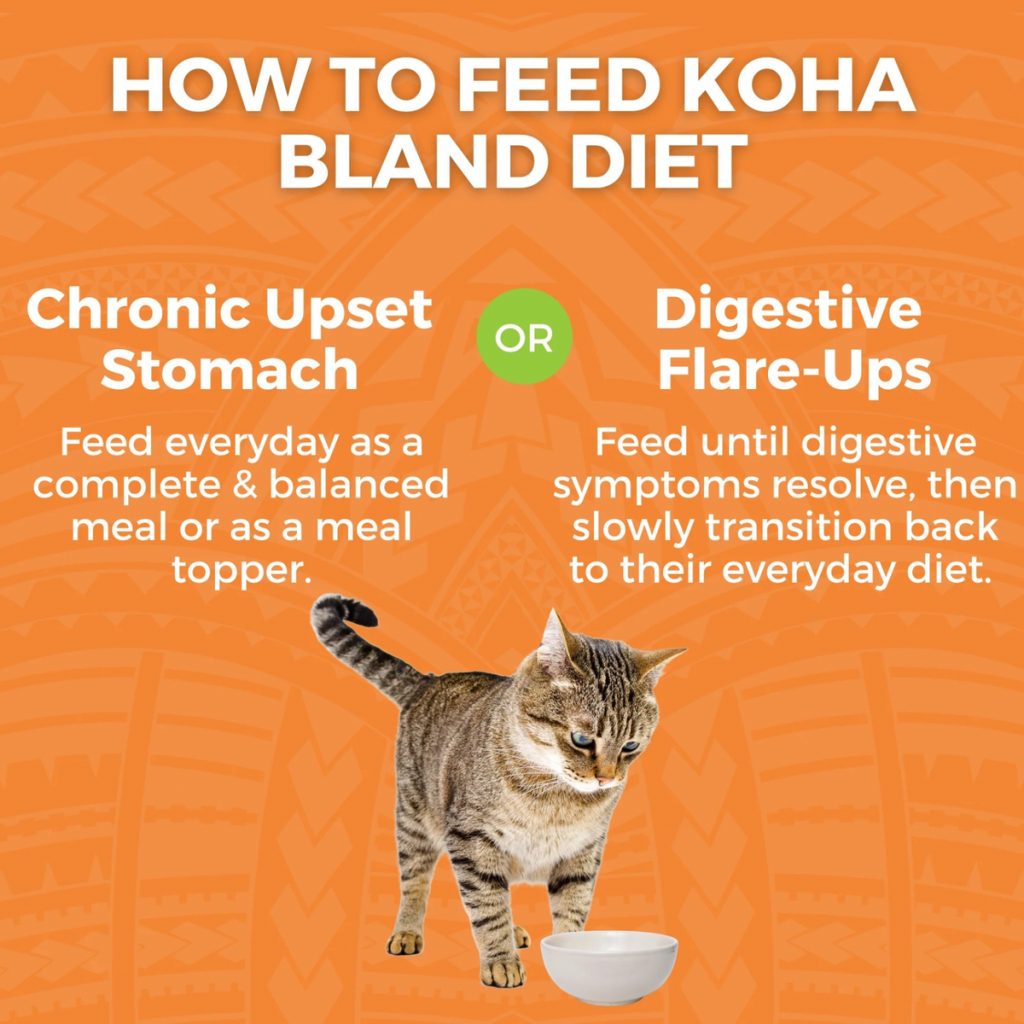
If your feline friend is experiencing tummy troubles, you’ve probably heard of a bland diet for cats. But what exactly does that mean, and how can it help your pet feel better?
You might be worried about your cat’s health and wondering if a bland diet is the right step. Don’t worry; you’re not alone. Many cat owners face this situation and are eager to find a solution that soothes their cat’s stomach while still providing essential nutrients.
You’ll discover what a bland diet for cats entails, why it can be beneficial, and how to prepare it at home. Get ready to uncover the secrets to settling your cat’s stomach and bringing back those purrs of happiness.
Credit: jjpetclub.com
Bland Diet Basics
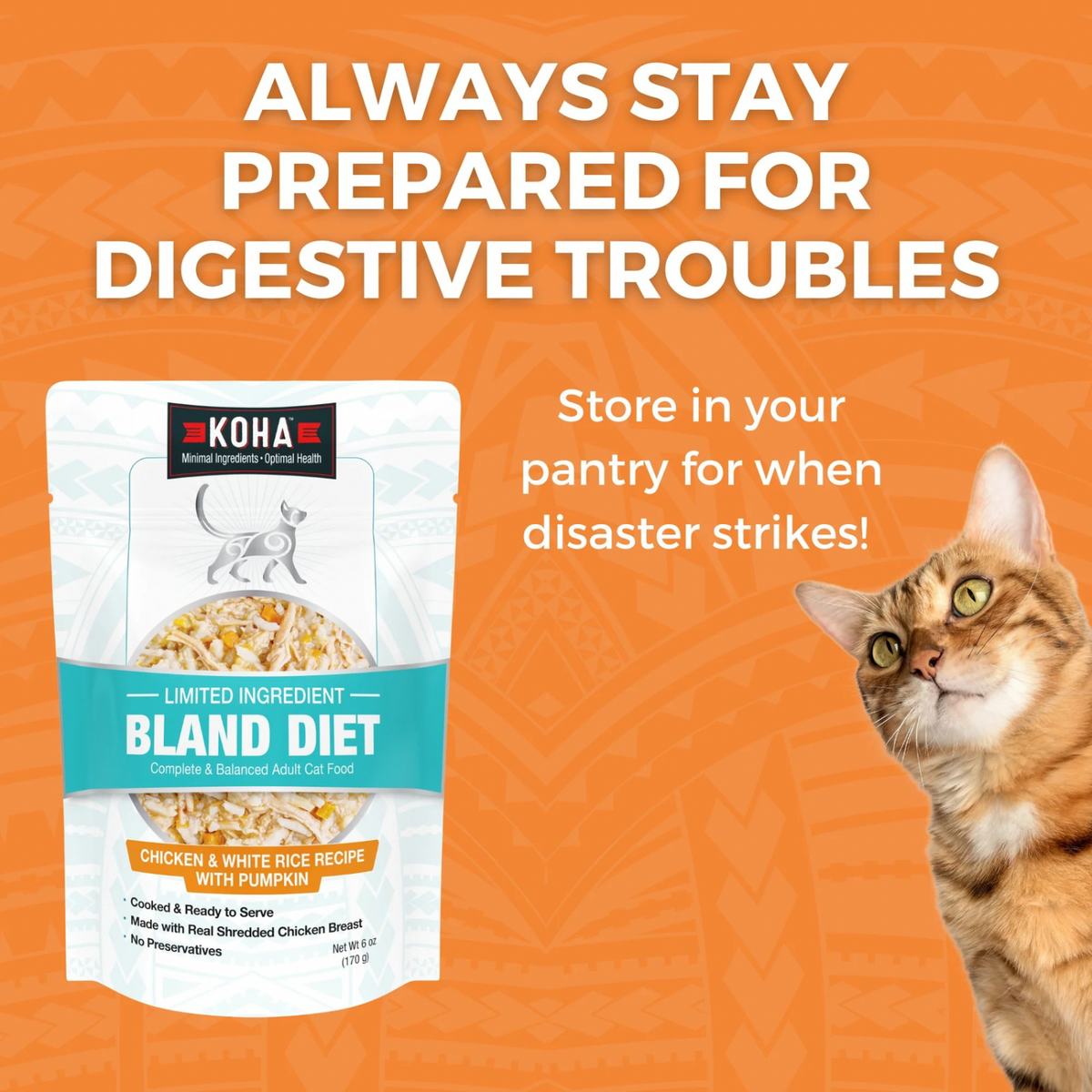
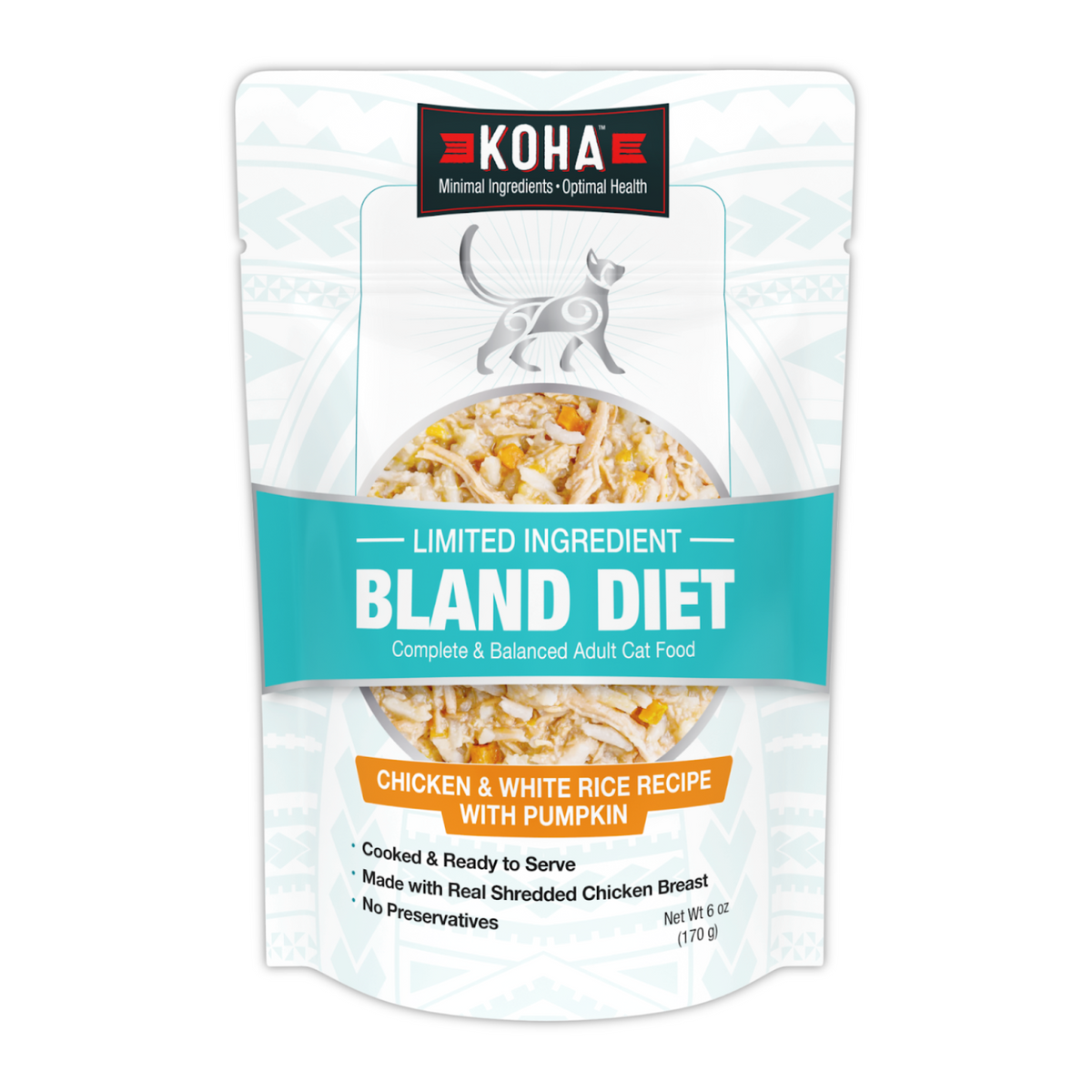
A bland diet for cats helps soothe their upset stomachs. It is simple, gentle, and easy to digest. This diet supports recovery from illness or digestive problems. The food avoids spices, fats, and rich ingredients that might irritate the cat’s system.
Understanding the basics helps pet owners prepare meals that aid healing. Knowing what to feed and why is key to a successful bland diet.
Key Ingredients
- Boiled chicken or turkey without skin
- Plain white rice or pumpkin
- Boiled potatoes without seasoning
- Cooked carrots or peas
- Water or low-sodium broth
These ingredients provide gentle nutrition with low fat and fiber. They reduce stress on the digestive tract. Avoid dairy, spices, and fatty foods during this diet.
Why Choose Bland Food
Bland food helps calm the stomach and intestines. It reduces nausea, vomiting, and diarrhea in cats. The diet lets the digestive system rest and repair.
It also lowers the risk of further irritation from rich or spicy foods. Feeding bland food supports quicker recovery and better hydration. This diet is often recommended by veterinarians after illness or surgery.
Credit: jjpetclub.com
When To Use Bland Diet
A bland diet for cats helps ease their digestion and reduce stomach stress. It is a simple, gentle diet used during times of illness or digestive upset. Knowing when to use this diet can support your cat’s recovery and comfort. Cats need special care when their digestive system is not working well.
Common Health Issues
Cats often need a bland diet for several health problems. These include:
- Vomiting or diarrhea
- Stomach inflammation or upset
- Food allergies or sensitivities
- Post-surgery recovery
- Pancreatitis or liver problems
The bland diet helps calm the stomach and prevent further irritation. It provides easy-to-digest nutrients while avoiding rich or spicy foods.
Signs Your Cat Needs It
Watch for these signs that suggest your cat needs a bland diet:
- Repeated vomiting or nausea
- Loose or watery stools
- Loss of appetite or refusal to eat
- Lethargy or low energy
- Abdominal pain or discomfort
These symptoms show that your cat’s digestive system needs a break. Offering bland food can help restore normal digestion and improve overall health.
Preparing Bland Meals
Preparing bland meals for your cat means focusing on simplicity and gentleness. You want to soothe your pet’s stomach, not overwhelm it with spices or heavy ingredients. The goal is to provide nutrition while minimizing irritation.
Safe Cooking Methods
Stick to boiling or steaming when cooking bland meals. These methods keep the food easy to digest and free from added fats or oils. Avoid frying or using seasoning; even a pinch of salt can upset your cat’s stomach.
Cooking chicken or turkey breast without skin is a great choice. You can also prepare plain white rice or pumpkin as gentle fillers. Make sure the food is cooked thoroughly to kill any bacteria but cool it down before serving.
Portion Control Tips
Start with small portions to see how your cat tolerates the meal. Cats have sensitive stomachs, so too much food at once can cause discomfort. Try feeding 1 to 2 tablespoons of bland food every few hours.
Watch your cat’s reaction closely. If they keep the food down and seem comfortable, you can gradually increase the amount. Remember, bland diets are usually temporary, so don’t overfeed or extend the bland diet longer than recommended by your vet.

Credit: www.dexterspetshop.ca
Foods To Avoid
Choosing the right foods for a cat on a bland diet is crucial. Certain foods can worsen digestion or cause allergic reactions. Knowing which foods to avoid helps keep your cat safe and comfortable.
Harmful Ingredients
- Onions and garlic – toxic to cats and damage red blood cells
- Chocolate – contains substances harmful to cats
- Caffeine – can cause restlessness and heart problems
- Alcohol – highly toxic even in small amounts
- Grapes and raisins – may cause kidney failure
- Artificial sweeteners like xylitol – dangerous for cats
- High-fat foods – hard to digest and may cause pancreatitis
- Dairy products – many cats are lactose intolerant
Foods That Trigger Reactions
Cats can react badly to certain proteins or additives. Avoid these foods to prevent upset stomach or allergic responses.
- Spices and seasonings – irritate the digestive tract
- Processed meats – often contain preservatives and salts
- Fish with bones – risk of choking or injury
- Dairy-based treats – may cause diarrhea or gas
- Foods with soy or corn fillers – can trigger allergies
- Raw or undercooked meats – risk of bacterial infection
Transitioning Diets
Transitioning your cat to a bland diet requires patience and attention. Sudden changes can upset their stomach or cause them to reject the new food. The goal is to make the switch smoothly so your cat adapts comfortably without stress.
Gradual Changes
Start by mixing a small portion of the bland diet with your cat’s current food. Over several days, increase the bland diet amount while decreasing the old food. This slow approach helps your cat get used to the new taste and texture without causing digestive upset.
For example, you might begin with 25% bland food and 75% regular food. After two days, shift to a 50/50 mix. By the end of a week, your cat should be eating 100% bland diet. Have you noticed your cat’s preferences during this process? Adjust the pace based on their reaction.
Monitoring Cat’s Response
Watch your cat closely after each feeding. Look for changes in appetite, energy levels, and stool consistency. Any signs of vomiting, diarrhea, or lethargy mean you should slow down the transition or consult your vet.
Keep a daily log of your cat’s behavior and eating habits. This record can help identify patterns and provide useful information for your veterinarian if issues arise. Remember, your cat’s comfort and health are the top priority during this dietary change.
Consulting Your Vet
Consulting your vet is essential when considering a bland diet for your cat. Every cat’s health condition is unique, and your vet can guide you to the safest and most effective approach. They can help you identify if a bland diet is right and how to manage it properly to support your cat’s recovery.
When To Seek Professional Help
Notice if your cat has persistent vomiting, diarrhea, or loss of appetite. These symptoms could signal an underlying problem that needs more than just a diet change.
Don’t wait if your cat seems lethargic or shows signs of dehydration. Immediate veterinary advice can prevent complications.
Ask yourself: Is your cat’s condition improving after starting a bland diet? If not, a vet visit becomes critical.
Customizing Diet Plans
Your vet can tailor a bland diet specifically for your cat’s needs. They consider factors like age, weight, and any pre-existing health issues.
They might suggest specific ingredients such as boiled chicken, rice, or prescription pet foods. This ensures your cat gets the right nutrients without upsetting their stomach further.
Working closely with your vet allows you to adjust the diet as your cat recovers. Have you thought about how small changes in food can make a big difference in your pet’s health?
Frequently Asked Questions
What Is A Bland Diet For Cats?
A bland diet for cats is a simple, easily digestible food plan. It usually includes plain boiled chicken, rice, or pumpkin. This diet helps soothe upset stomachs and aids recovery from digestive issues or illnesses.
When Should I Feed My Cat A Bland Diet?
Feed your cat a bland diet during digestive problems like vomiting or diarrhea. It supports gentle digestion and prevents further irritation. Always consult your vet before starting this diet to ensure it’s suitable for your cat’s condition.
Can I Give My Cat Homemade Bland Food?
Yes, homemade bland food is safe if prepared correctly. Use plain boiled chicken, rice, or pumpkin without spices or seasoning. Avoid ingredients toxic to cats like onions or garlic. Consult your vet for proper recipes and portion sizes.
How Long Should A Cat Stay On A Bland Diet?
Typically, cats stay on a bland diet for 3 to 5 days. This timeframe helps the digestive system heal. If symptoms persist beyond this, contact your veterinarian for further advice or treatment options.
Conclusion
A bland diet helps cats with sensitive stomachs feel better. It uses simple, gentle foods that are easy to digest. This diet can reduce vomiting and diarrhea in cats. Always check with your vet before changing your cat’s food. Feeding a bland diet for a short time supports healing.
Watch your cat’s health and behavior closely during this period. Keeping your cat comfortable is the top priority. A bland diet can be a helpful step toward recovery.

Lily Purrington is the founder of MyKittyPicks.com, a cozy corner of the web dedicated to helping cat lovers discover the best cat products, furniture, toys, and home decor ideas.
A lifelong cat enthusiast, Lily shares trusted tips, honest product recommendations, and stylish inspiration designed to keep kitties happy and homes beautiful.
Her mission is simple: to bring together practical advice and purr-fect picks that make life better for cats and the people who love them.


