

If your cat has kidney disease, you’re probably worried about what to feed them. You want to give your furry friend the best care, but the diet can be confusing and overwhelming.
Knowing exactly what your cat can eat will help you keep them comfortable and healthy for longer. You’ll discover simple, safe food options that support your cat’s kidneys and keep their tail wagging. Keep reading—your cat’s well-being depends on it.
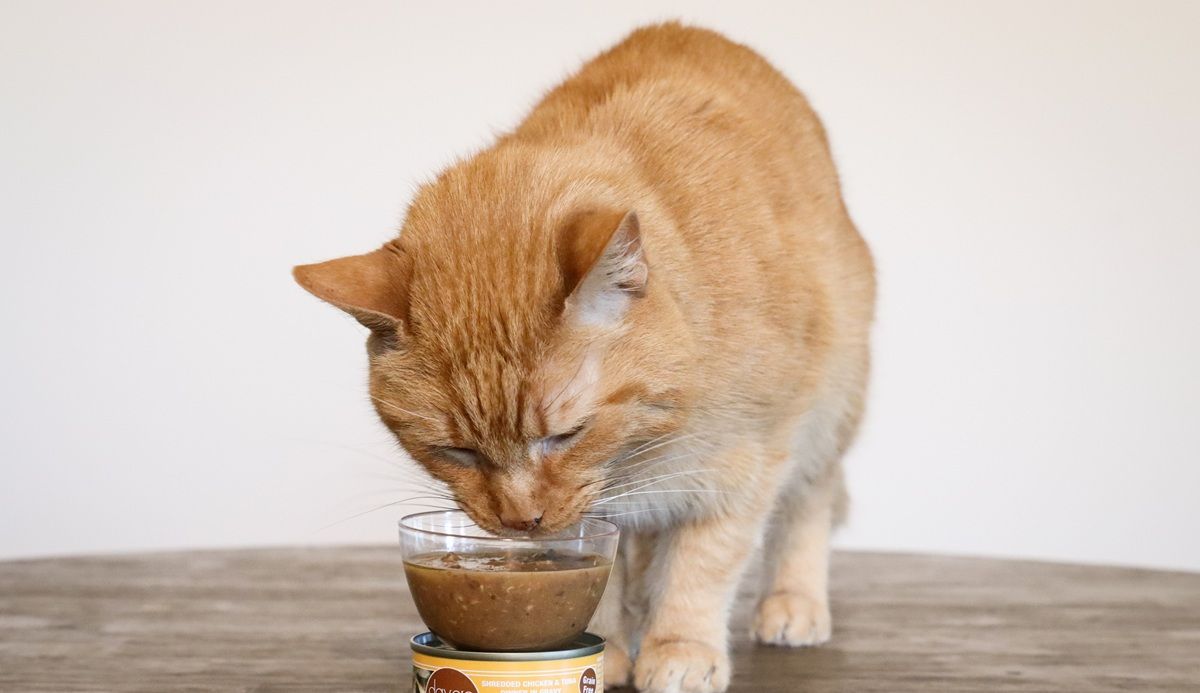
Credit: cats.com
Causes Of Kidney Disease In Cats
Kidney disease is a common problem in cats, especially as they get older. It affects how well their kidneys work and can cause serious health issues.
Understanding what causes kidney disease can help cat owners protect their pets and manage their diet better.
Age-related Changes
Older cats often develop kidney disease because their kidneys wear down over time. This natural aging process reduces kidney function slowly.
As the kidneys age, they become less able to filter waste from the blood efficiently.
Infections
Kidney infections can cause damage and lead to kidney disease. Bacteria can enter the urinary tract and move to the kidneys.
Infections cause inflammation and harm the kidney tissues, lowering their ability to work properly.
Toxins And Poisons
Cats may eat or drink toxic substances that hurt their kidneys. Common poisons include antifreeze, certain plants, and some medications.
Toxins can cause sudden kidney failure or long-term damage depending on the exposure level.
High Blood Pressure
High blood pressure can damage small blood vessels in the kidneys. This reduces their ability to filter blood.
Cats with kidney disease often also have high blood pressure, which worsens the condition.
Genetics And Breed
Some cat breeds are more likely to get kidney disease due to inherited genes. Persian and Abyssinian cats are examples.
Genetic risks mean these cats need extra care to avoid kidney problems.
Dehydration
Not drinking enough water can strain the kidneys. Dehydration reduces blood flow to the kidneys, causing damage over time.
Cats that don’t drink much or have illnesses causing fluid loss are at higher risk for kidney disease.
Symptoms Indicating Kidney Issues
Kidney disease in cats can be hard to notice at first. Early signs help catch problems early. Knowing these signs helps you act fast.
Watch your cat for changes in behavior and health. These changes can show kidney trouble.
Increased Thirst And Urination
Cats with kidney problems often drink more water. They also pee more than usual. This happens because the kidneys can’t work well.
Look for water bowls that empty quickly. Check if your cat visits the litter box often.
Loss Of Appetite And Weight
Kidney disease can make cats lose interest in food. They may eat less and lose weight fast. Poor kidney function can cause nausea and bad taste in the mouth.
Notice if your cat refuses treats or meals it liked before.
Lethargy And Weakness
When kidneys fail, cats feel tired and weak. They may sleep more and avoid playing. This happens because toxins build up in the body.
Watch for less activity and less interest in usual fun.
Vomiting And Diarrhea
Digestive problems often occur with kidney disease. Cats may vomit or have diarrhea. These signs show the body is upset by kidney failure.
Keep an eye on your cat’s bathroom habits and report changes to the vet.
Bad Breath And Mouth Sores
Kidney disease can cause bad breath in cats. Toxins that build up can cause mouth sores and ulcers. These signs show that the disease is affecting the cat’s whole body.
Check your cat’s mouth for sores or strong odors regularly.
Poor Coat Condition
Cats with kidney problems may have dull, dry fur. They may groom less because they feel unwell. This can lead to matted or patchy fur.
Look for changes in your cat’s fur texture and shine.
Dietary Needs For Cats With Kidney Disease
Cats with kidney disease need special diets to stay healthy. Their kidneys do not work well to filter waste.
A good diet can help reduce the load on the kidneys. It also helps keep your cat comfortable and active.
Reduced Protein Intake
Cats with kidney disease should eat less protein. Too much protein makes the kidneys work harder.
Choose foods with high-quality protein but in smaller amounts. This helps protect kidney function.
- Use kidney-friendly cat food made for low protein
- Avoid feeding too many treats with protein
- Consult your vet before changing protein levels
Low Phosphorus Levels
Phosphorus is a mineral that affects kidney health. Cats with kidney disease need foods low in phosphorus.
High phosphorus can harm the kidneys and bones. A diet low in phosphorus helps slow down kidney damage.
- Look for cat food labeled as low phosphorus
- Avoid dairy and high-phosphorus snacks
- Check with your vet for phosphorus limits
Adequate Hydration
Water helps flush toxins from the body. Cats with kidney disease need plenty of fluids every day.
Wet cat food can increase hydration. Always keep fresh water available for your cat.
- Feed wet or canned foods to increase water intake
- Provide clean, fresh water at all times
- Use water fountains to encourage drinking
Essential Fatty Acids
Omega-3 fatty acids help reduce kidney inflammation. These fats support overall kidney health.
Fish oil or supplements can provide these fats. Ask your vet about adding them to your cat’s diet.
- Include omega-3 rich foods or supplements
- Check product labels for fish oil content
- Use supplements only under vet guidance

Credit: www.zealandiapets.com
Best Commercial Foods For Kidney Health
Cats with kidney disease need special diets to protect their kidneys. Choosing the right food helps slow down kidney damage.
Commercial foods made for kidney health have balanced nutrients. They support your cat’s health and keep them strong.
Prescription Kidney Diets
Prescription kidney diets are made by vets to help cats with kidney problems. These foods have less protein and phosphorus.
They also include extra vitamins and omega-3 fatty acids. These help reduce kidney stress and keep cats healthy.
- Low protein to reduce kidney workload
- Reduced phosphorus to protect kidney function
- Added omega-3 for inflammation support
- Extra vitamins for overall health
Wet Vs Dry Food Options
Wet food has more moisture, which helps keep cats hydrated. This is good for cats with kidney disease.
Dry food is easier to store and has a longer shelf life. Some cats prefer dry food, but it has less water.
- Wet food:More water, easier to eat, supports hydration
- Dry food:Convenient, less moisture, may need extra water
- Many vets recommend wet food for kidney health
Safe Homemade Food Choices
Caring for a cat with kidney disease means careful food choices. Homemade meals help control what your cat eats.
Choosing safe ingredients supports your cat’s health and comfort.
Lean Proteins Suitable For Cats
Lean proteins are important for cats with kidney disease. They provide energy without stressing the kidneys.
- Boiled chicken breast (skinless)
- Cooked turkey (without seasoning)
- Egg whites (cooked, no yolk)
- Lean fish like cod or haddock (cooked, no bones)
Vegetables And Supplements
Certain vegetables and supplements help support kidney function. They add fiber and nutrients without harmful minerals.
| Vegetable/Supplement | Benefit |
| Cooked pumpkin | Aids digestion and is low in phosphorus |
| Steamed green beans | High in fiber and low in potassium |
| Fish oil | Supports kidney health and reduces inflammation |
| Vitamin B complex | Helps with energy and kidney support |
Foods To Avoid For Kidney Health
Cats with kidney disease need special care in their diet. Certain foods can harm their kidneys more.
It’s important to know which foods to avoid to keep your cat healthy. Here are some key ingredients you should be cautious about.
High Phosphorus Ingredients
Phosphorus can stress a cat’s kidneys. Foods with high phosphorus are not good for cats with kidney disease.
Check food labels to avoid these ingredients. It’s best to choose foods that are low in phosphorus.
- Bone meal
- Fish
- Organ meats like liver
- Dairy products
Excessive Salt And Additives
Salt can cause more problems for cats with kidney issues. Processed foods often have too much salt.
Additives and preservatives can also be harmful. It’s best to keep your cat’s diet simple and natural.
- Salted snacks
- Processed meats
- Artificial flavors
- Preservatives
Tips For Feeding Cats With Kidney Disease
Cats with kidney disease need special diets. The right food helps manage their condition. Feeding them the right way is important for their health.
Understanding what your cat can eat is key. This guide will help you with feeding tips and meal plans.
Meal Frequency And Portion Control
Feed your cat small meals. Several small meals a day are better than one large one. It helps their kidneys process food better.
Portion control is important. Measure the food to keep portions right. This helps manage their weight and kidney health.
- Feed 3-4 small meals daily
- Use a measuring cup for portions
- Adjust portions based on weight changes
Encouraging Fluid Intake
Cats with kidney disease need more fluids. Encourage them to drink water. This helps their kidneys work better.
Wet food is a good option. It contains more water than dry food. It can help increase their fluid intake.
- Provide fresh water daily
- Consider adding water to dry food
- Offer wet food to boost hydration
Monitoring And Adjusting Diet Over Time
Feeding a cat with kidney disease needs regular checkups. The diet must change as the disease changes.
Watching your cat’s health and food intake helps keep them comfortable and safe.
Regular Vet Visits
Visit the vet often to track kidney function and overall health. Blood tests and urine checks show how well kidneys work.
Signs To Watch In Diet Response
Look for changes in appetite, weight, and energy. These signs can show if the diet helps or needs a change.
- Loss of appetite or eating less
- Weight gain or loss
- Vomiting or diarrhea
- Low energy or lethargy
- Changes in thirst or urination
Adjusting Nutrient Levels
Kidney disease needs less protein, phosphorus, and sodium. Your vet will suggest changes based on test results.
| Nutrition Factor | Why Adjust | How to Adjust |
| Protein | Reduce kidney workload | Feed kidney-friendly protein sources |
| Phosphorus | Prevent mineral buildup | Choose low-phosphorus foods |
| Sodium | Control blood pressure | Limit salt in diet |
| Hydration | Support kidney function | Encourage wet food and water intake |
Using Supplements And Special Foods
Supplements like omega-3 fatty acids may help. Your vet may also recommend prescription kidney diets.

Credit: ziggyfamily.com
Frequently Asked Questions
What Foods Are Safe For Cats With Kidney Disease?
Cats with kidney disease should eat low-protein, low-phosphorus foods. Wet cat food designed for kidney care is ideal. Avoid high-sodium and high-protein treats. Fresh water must always be available to support kidney function and hydration.
Can Cats With Kidney Disease Eat Fish?
Yes, cats with kidney disease can eat fish in moderation. Choose low-phosphorus fish like whitefish or salmon. Avoid oily or processed fish. Always consult your vet before introducing new foods to ensure safety for your cat’s kidney health.
Is Homemade Food Good For Cats With Kidney Disease?
Homemade food can be good if balanced properly. It should be low in protein and phosphorus. Consult a veterinary nutritionist to create a kidney-friendly recipe. Homemade meals can help control ingredients and improve your cat’s quality of life.
How Important Is Hydration For Cats With Kidney Disease?
Hydration is crucial for cats with kidney disease. Water helps flush toxins and supports kidney function. Encourage drinking by providing fresh water or wet food. Proper hydration slows disease progression and improves your cat’s comfort and health.
Conclusion
Cats with kidney disease need special diets for better health. Feeding low-protein, low-phosphorus food helps protect their kidneys. Fresh water must always be available to keep them hydrated. Avoid giving salty or processed treats that can harm kidneys. Regular vet visits ensure their diet suits their condition.
Careful food choices can improve your cat’s comfort and life. Small changes make a big difference. Keep learning and observing your cat’s needs every day. Your care supports their health and happiness.

Lily Purrington is the founder of MyKittyPicks.com, a cozy corner of the web dedicated to helping cat lovers discover the best cat products, furniture, toys, and home decor ideas.
A lifelong cat enthusiast, Lily shares trusted tips, honest product recommendations, and stylish inspiration designed to keep kitties happy and homes beautiful.
Her mission is simple: to bring together practical advice and purr-fect picks that make life better for cats and the people who love them.


