

Are you curious about the enchanting Ragdoll cat and what makes them so special? Maybe you’ve wondered why these gentle felines are known for their striking blue eyes and luxurious coats.
If you’re considering adding a Ragdoll to your family or simply want to learn more about these captivating cats, you’re in the right place. We’ll dive into the breeds that contribute to the Ragdoll’s unique characteristics. Understanding their lineage can give you deeper insights into their endearing nature and irresistible charm.
Ready to uncover the secrets behind the Ragdoll’s appeal? Let’s get started!
Ragdoll Cat Characteristics
Ragdoll cats are known for their gentle and easygoing nature. These cats have distinct features and a charming personality. Understanding their characteristics helps in knowing what makes them special.
Appearance And Physical Traits
Ragdoll cats are large with a sturdy build. They have semi-long fur that feels soft and silky. Their eyes are striking blue and round. This adds to their captivating look. Ragdolls have a pointed color pattern, usually in shades of seal, blue, or chocolate. Their tails are fluffy and complement their overall appearance.
Personality And Temperament
Ragdoll cats are affectionate and social. They enjoy human company and often follow their owners around. These cats are gentle and rarely show aggression. Ragdolls are also known for their relaxed demeanor. They often go limp when picked up, just like a ragdoll. This trait adds to their charm and makes them great companions.
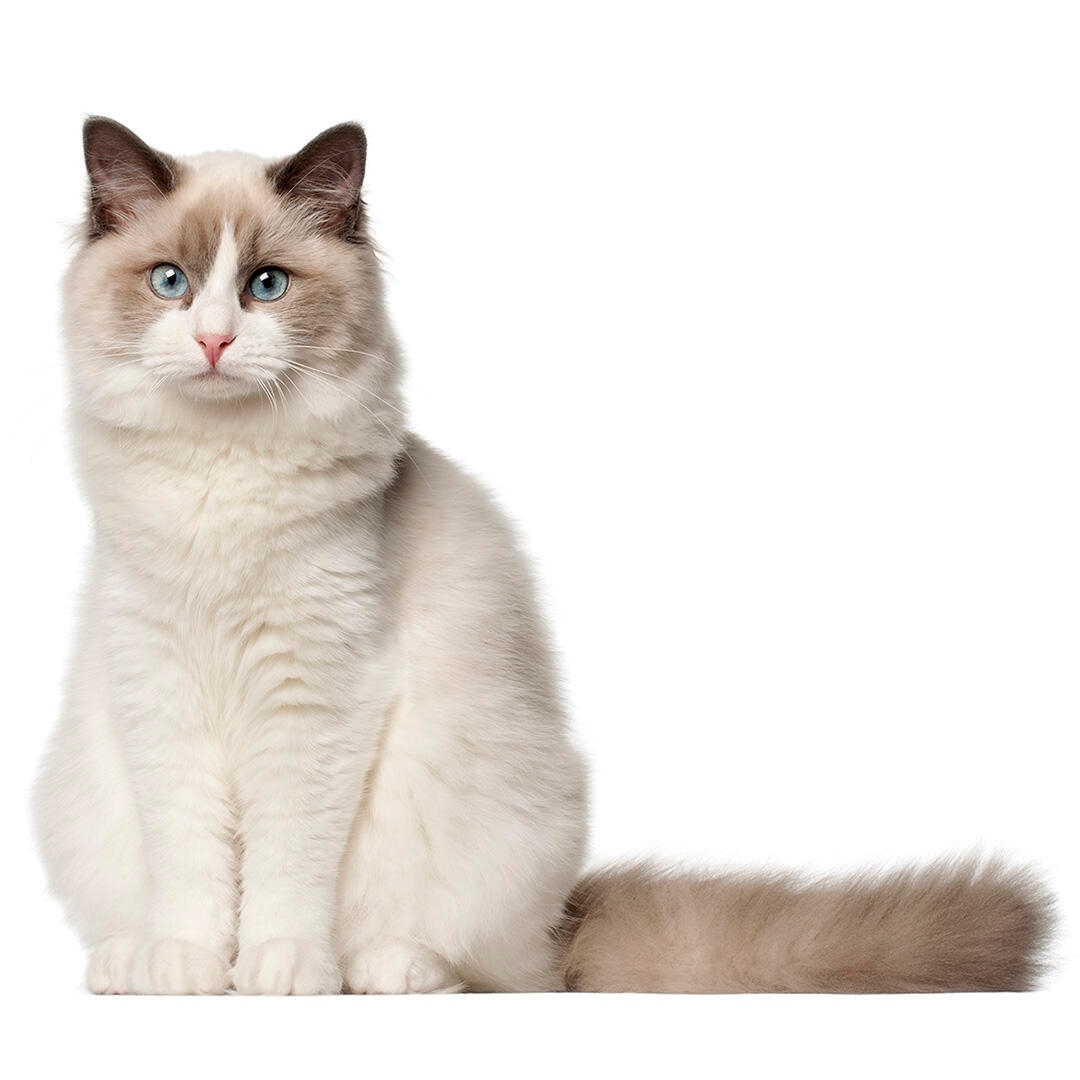
Credit: www.purina.co.uk
Origins Of The Ragdoll Breed
The Ragdoll cat is a breed that captivates with its striking blue eyes and plush, silky fur. But have you ever wondered how this gentle giant came to be? The origins of the Ragdoll breed are as fascinating as the cats themselves, tracing back to a unique blend of creativity and careful breeding.
Historical Background
In the 1960s, a woman named Ann Baker in Riverside, California, began developing the Ragdoll breed. Her foundation cat, Josephine, was a domestic long-haired white cat. Josephine’s kittens exhibited unique, docile behaviors and a striking appearance that piqued Baker’s interest.
Ann Baker saw potential in these traits and sought to create a breed that would consistently exhibit them. Her vision was to produce cats that were not only beautiful but also had a calm and affectionate demeanor. She believed Josephine carried a genetic mutation that contributed to these qualities.
Breeding Experiments
Ann Baker conducted breeding experiments, using Josephine’s offspring as the cornerstone of her program. She introduced Burmese, Birman, and Persian cats into the mix. These breeds were chosen for their distinctive features and gentle nature.
Through careful selection and breeding, Baker began to refine the characteristics of the Ragdoll. Each generation was evaluated for its temperament and appearance, ensuring consistency in the breed’s qualities.
Imagine being part of Ann Baker’s journey—witnessing the birth of a breed that would become beloved by cat enthusiasts worldwide. It was a pioneering effort, underscoring the importance of patience and precision in breeding practices.
As you learn about the origins of the Ragdoll breed, consider what other qualities you value in a pet. Could there be a breed that matches your ideal companion? The Ragdoll’s story is a testament to the power of vision and dedication in creating a breed that brings joy to countless homes.
Key Breeds In Ragdoll Lineage
The Ragdoll cat is a beloved breed known for its gentle nature. Its lineage is a fascinating blend of different cat breeds. Understanding these breeds helps appreciate the Ragdoll’s unique traits.
Persian Influence
The Persian breed contributes to the Ragdoll’s long, silky fur. This gives the Ragdoll its luxurious coat. Persians are known for their calm demeanor. This trait is evident in the Ragdoll’s easy-going nature.
Birman Contribution
The Birman breed adds striking blue eyes. These eyes are a signature feature of the Ragdoll. Birmans are also known for their affectionate behavior. The Ragdoll inherits this loving quality.
Domestic Longhair
Domestic Longhairs offer a diverse gene pool. This enhances the Ragdoll’s health and adaptability. They provide resilience, making Ragdolls hardy pets. The combination results in a charming and sturdy breed.

Credit: cfa.org
Development Of Ragdoll Standards
The development of Ragdoll standards is a fascinating journey that showcases the meticulous process behind creating one of the most beloved cat breeds. It’s about setting clear guidelines that ensure Ragdoll cats maintain their unique, lovable traits. This journey is not just about defining a breed; it’s about nurturing a legacy that has captured the hearts of cat lovers worldwide.
Breed Recognition
Recognizing a new breed is no small feat. The Ragdoll cat breed had to meet specific criteria before gaining formal recognition. Breed enthusiasts worked tirelessly to demonstrate consistency in traits and qualities.
You might wonder, how do breeders decide which cats contribute to the Ragdoll lineage? It involves selecting cats that consistently display the desired attributes. This includes their friendly demeanor and striking blue eyes. Such distinct features make Ragdolls instantly recognizable.
Through careful documentation and breeding practices, the Ragdoll was officially recognized by cat associations worldwide. This recognition was a testament to the breed’s unique characteristics and the dedicated efforts behind its development.
Characteristics Refinement
Refining the characteristics of the Ragdoll cat was a crucial step in developing breed standards. Breeders aimed for specific physical traits, such as the plush coat and muscular build, that Ragdolls are known for.
It’s not just about appearance; temperament is equally important. Ragdolls are famous for their gentle and laid-back nature. Breeders focused on enhancing these traits to ensure each generation of Ragdolls remains true to their reputation.
Have you ever felt a sense of peace when holding a Ragdoll? This is no coincidence. The breed’s development prioritized creating a companion that offers calm and comfort, making them perfect pets for families.
As you consider bringing a Ragdoll into your home, think about the standards that shaped this breed. What unique traits do you value in a pet? Understanding these standards can help you appreciate the meticulous care behind your future furry friend.
Modern Ragdolls
Welcome to the world of modern Ragdolls—an enchanting breed that captivates with its beauty and gentle nature. Today’s Ragdolls are the result of careful breeding and selection, maintaining the breed’s lovable traits while expanding its diversity. Have you ever wondered why Ragdolls are so adored? Let’s dive into their popularity and unique variations in color and patterns.
Popularity And Spread
Ragdolls have become a favorite among cat enthusiasts. Their affectionate demeanor makes them ideal companions for families and individuals alike. Originally developed in the 1960s, Ragdolls have spread globally, gaining fans in various countries. The breed’s popularity isn’t just about looks; it’s their friendly personality that wins hearts.
Ragdolls are known for their placid nature, often going limp when held—a trait that inspired their name. This gentle behavior is perfect for those seeking a calm and loving pet. Imagine coming home to a cat that greets you with a soft purr and a warm cuddle. That’s the magic of Ragdolls!
Variations In Color And Patterns
Modern Ragdolls are a delightful tapestry of colors and patterns. They come in various shades, including seal, chocolate, blue, and lilac. Each color brings its own charm, making these cats visually striking. Their patterns range from pointed to mitted and bicolor, providing a wide array of choices for potential owners.
My friend once adopted a blue mitted Ragdoll, and the distinct markings on its paws always spark conversations. The diversity in Ragdoll patterns means there’s a unique look for every taste. Consider how these variations can add a touch of elegance to your home.
As you explore the world of Ragdolls, think about what color and pattern might suit your lifestyle. Do you prefer a classic look or something more exotic? The choice is yours, and that’s what makes owning a Ragdoll so exciting!
Caring For Ragdoll Cats
Caring for Ragdoll cats requires attention to their specific needs. Known for their gentle nature, Ragdolls thrive with proper care. Ensuring their well-being involves understanding diet, grooming, and health considerations. A happy Ragdoll is a well-cared-for pet.
Diet And Nutrition
Ragdolls need a balanced diet to maintain health. High-quality cat food ensures they get essential nutrients. Protein is crucial for muscle development. Avoid fillers that lack nutritional value. Fresh water should be available at all times. Treats should be given sparingly.
Grooming Needs
Ragdolls have beautiful, long fur that needs regular grooming. Brush their fur at least twice a week. This prevents tangles and reduces shedding. It also helps maintain a shiny coat. Regular grooming creates bonding time with your cat.
Health Considerations
Regular vet visits are vital for Ragdolls. They can develop heart issues, so early detection is key. Vaccinations protect against common feline diseases. Dental care is also important. Clean teeth prevent plaque buildup and gum disease.

Credit: www.floppycats.com
Frequently Asked Questions
What Breeds Are Mixed To Create Ragdoll Cats?
Ragdoll cats are primarily a mix of Persian, Birman, and Burmese breeds. This combination gives them their distinct plush coat and gentle temperament. The mix also contributes to their large size and striking blue eyes, making them a unique and popular breed among cat enthusiasts.
Are Ragdoll Cats Purebred Or Mixed?
Ragdoll cats are a result of selective breeding, mixing various breeds. Initially, they were developed by combining Persian, Birman, and Burmese cats. Over time, breeding focused on enhancing specific traits. Today, they are recognized as a purebred with consistent characteristics, despite their mixed origins.
Do Ragdolls Inherit Traits From Specific Breeds?
Yes, Ragdolls inherit traits from their parent breeds. Their plush coat is from the Persian breed. Their affectionate nature comes from the Birman. The Burmese contribute to their striking blue eyes. These traits make Ragdolls a unique and desirable breed among cat lovers.
Why Are Ragdolls Known For Their Temperament?
Ragdolls are known for their calm and affectionate temperament. This trait is a result of selective breeding. The combination of Persian, Birman, and Burmese breeds contributes to their friendly and gentle nature. They are often considered as one of the most docile and loving cat breeds.
Conclusion
Ragdoll cats charm with their gentle nature and striking appearance. They originate from a mix of breeds, mainly Persian, Birman, and Burmese. This unique blend gives them their long hair and calm demeanor. Ragdolls are known for their affectionate and sociable traits.
They easily become a family favorite. Their easygoing nature makes them perfect companions. These cats love attention and enjoy being around people. If you want a friendly and loving pet, a Ragdoll cat fits the bill. Embrace the joy they bring to your home.
Their presence truly warms hearts.

Lily Purrington is the founder of MyKittyPicks.com, a cozy corner of the web dedicated to helping cat lovers discover the best cat products, furniture, toys, and home decor ideas.
A lifelong cat enthusiast, Lily shares trusted tips, honest product recommendations, and stylish inspiration designed to keep kitties happy and homes beautiful.
Her mission is simple: to bring together practical advice and purr-fect picks that make life better for cats and the people who love them.


