

If your cat has been diagnosed with kidney disease, you’re probably feeling worried and unsure about what to do next. You want to give your furry friend the best care possible and help them feel comfortable again.
The good news is, there are clear steps you can take to manage your cat’s kidney health and improve their quality of life. You’ll discover simple, effective ways to treat cat kidney disease and keep your beloved pet happy and healthy for as long as possible.
Keep reading—you owe it to your cat to learn how to take control of this challenge.

Credit: ingridking.com
Symptoms To Watch
Kidney disease in cats can be hard to notice at first. Watching for certain signs helps catch it early.
Knowing these symptoms allows you to seek care and support your cat’s health.
Changes In Appetite
A cat with kidney problems may eat less or lose interest in food. They might also refuse treats or favorite meals.
- Refusing to eat
- Eating less than usual
- Showing less interest in food
Increased Thirst And Urination
Kidney disease often causes cats to drink more water. They may also urinate more often and in larger amounts.
| Symptom | What to Watch For |
| Thirst | Drinks more water than normal |
| Urination | More frequent trips to the litter box |
| Accidents | Urinating outside the litter box |
Weight Loss And Lethargy
Noticeable weight loss and low energy are common in cats with kidney issues. Your cat may hide or sleep more than usual.
- Weight drops without change in diet
- Less playful or active
- Spending more time resting or hiding
Diet Adjustments
Treating cat kidney disease often involves careful diet changes. These changes help reduce kidney strain and improve your cat’s health.
Adjusting what your cat eats can slow disease progress. Focus on food that supports kidney function.
Low-protein Foods
Low-protein diets reduce waste buildup in the kidneys. Cats with kidney disease need less protein but good quality sources.
- Choose lean meats like chicken or turkey
- Avoid high-protein foods like beef and fish
- Incorporate plant-based proteins carefully
- Consult your vet for protein amount guidelines
Hydration Importance
Keeping your cat hydrated supports kidney health. Water helps flush toxins and keeps kidneys working well.
| Hydration Method | Benefits |
| Fresh water available all day | Encourages drinking often |
| Wet cat food | Increases water intake |
| Water fountains | Attracts cats to drink more |
| Adding water to dry food | Makes food easier to eat and hydrate |
Specialized Cat Foods
Specialized cat foods for kidney disease have balanced nutrients. They help reduce kidney workload and provide energy.
These foods often include:
- Reduced phosphorus
- Controlled protein levels
- Added omega-3 fatty acids
- Extra vitamins and minerals
Medications And Supplements
Treating cat kidney disease often includes medications and supplements. These help manage symptoms and slow disease progress.
Your vet will guide you on the best options to keep your cat comfortable and healthy.
Phosphate Binders
Phosphate binders reduce phosphate levels in the blood. High phosphate can worsen kidney damage. These medicines attach to phosphate in food and stop it from being absorbed.
Common phosphate binders include:
- Calcium carbonate
- Aluminum hydroxide
- Sevelamer
Blood Pressure Control
High blood pressure is common in cats with kidney disease. It can harm the kidneys further. Your vet may prescribe drugs to lower blood pressure and protect kidney function.
| Medication Type | Purpose | Common Examples |
| ACE Inhibitors | Lower blood pressure | Benazepril, Enalapril |
| Calcium Channel Blockers | Relax blood vessels | Amlodipine |
Kidney Support Supplements
Supplements can support kidney health and improve quality of life. They may include antioxidants, vitamins, and fatty acids.
- Omega-3 fatty acids reduce inflammation
- B-complex vitamins help with energy and appetite
- Antioxidants protect kidney cells
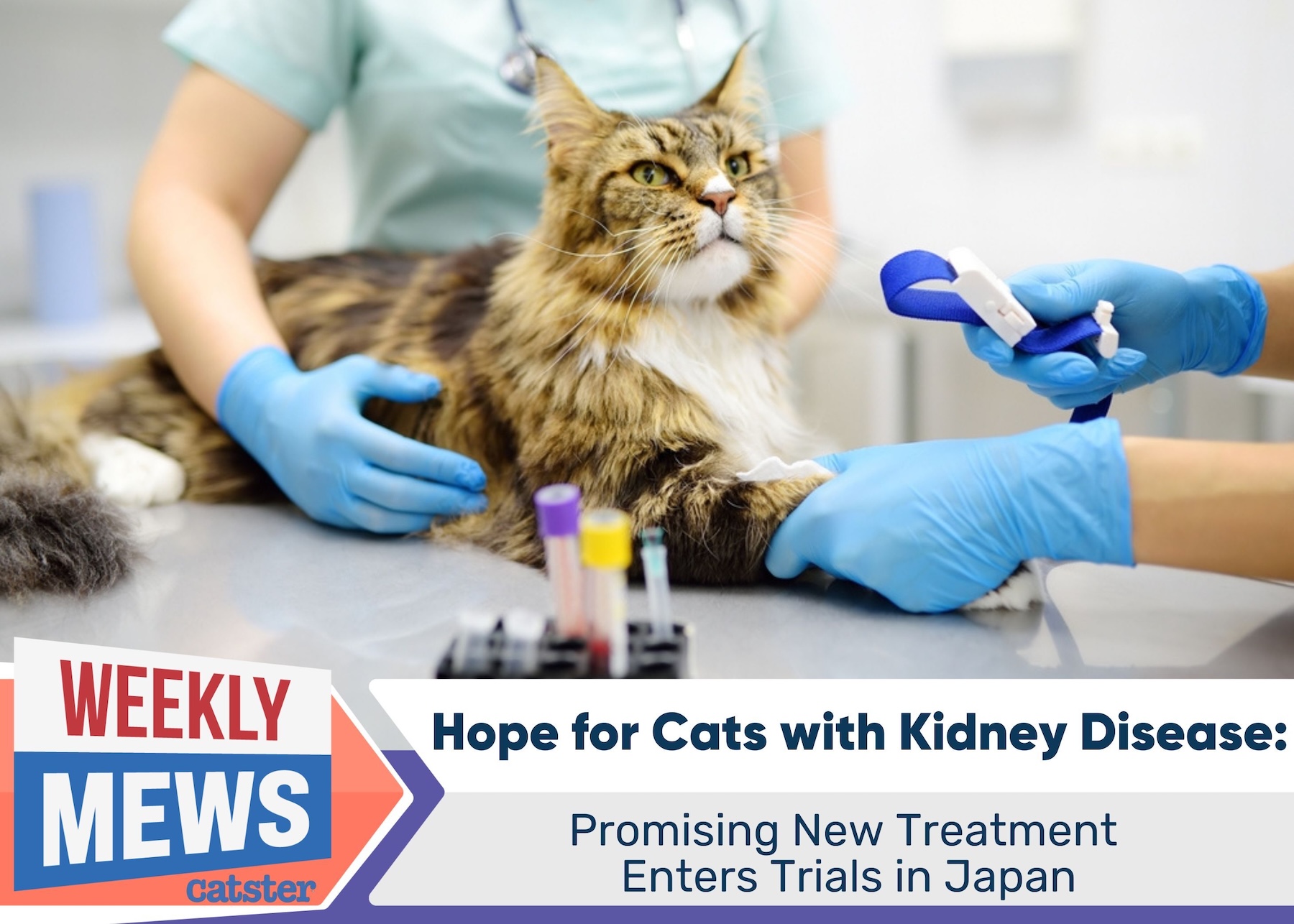
Credit: www.catster.com
Regular Vet Checkups
Regular vet checkups are important for cats with kidney disease. These visits help monitor your cat’s health and adjust treatments.
Early detection of changes in kidney function can make treatment more effective. Your vet will guide you through the process.
Monitoring Kidney Function
Monitoring kidney function helps track the disease’s progress. Your vet will suggest regular tests to check how well your cat’s kidneys work.
- Observe changes in your cat’s behavior
- Track daily water intake and urination
- Record any changes in appetite
Blood And Urine Tests
Blood and urine tests are key in managing kidney disease. These tests provide detailed information about your cat’s kidney health.
Your vet may recommend these tests every few months. They help in detecting any changes early, allowing for timely treatment adjustments.
Adjusting Treatment Plans
Adjusting treatment plans is crucial as the disease progresses. Your vet will suggest changes based on test results and your cat’s condition.
- Change in diet to support kidney health
- Medication adjustments as needed
- Fluid therapy for hydration
Home Care Tips
Taking care of a cat with kidney disease at home is very important. Good care can help your cat feel better and live longer.
Simple changes at home can support your cat’s health. Focus on clean water, comfort, and less stress.
Maintaining Clean Water Sources
Cats with kidney disease need fresh water all the time. Clean water helps their kidneys work better and keeps them hydrated.
Change your cat’s water daily. Use clean bowls and wash them often to stop germs from growing.
- Use a water fountain if your cat likes running water
- Keep several water bowls in different rooms
- Check for spills and clean up to avoid bacteria
Comfortable Living Spaces
Your cat needs a quiet and cozy place to rest. A soft bed helps reduce pain and keeps them warm.
Make sure your cat’s space is easy to reach. Avoid high jumps or stairs that can be hard on weak kidneys.
- Place beds near favorite spots or sunny windows
- Use soft blankets for extra comfort
- Keep the area clean and dry
Stress Reduction Techniques
Stress can make kidney disease worse. Help your cat stay calm and feel safe at home.
Keep a regular routine for feeding and playtime. Avoid loud noises or sudden changes in the home.
- Use gentle petting or brushing to relax your cat
- Provide hiding spots like boxes or covered beds
- Play soft music or white noise to soothe
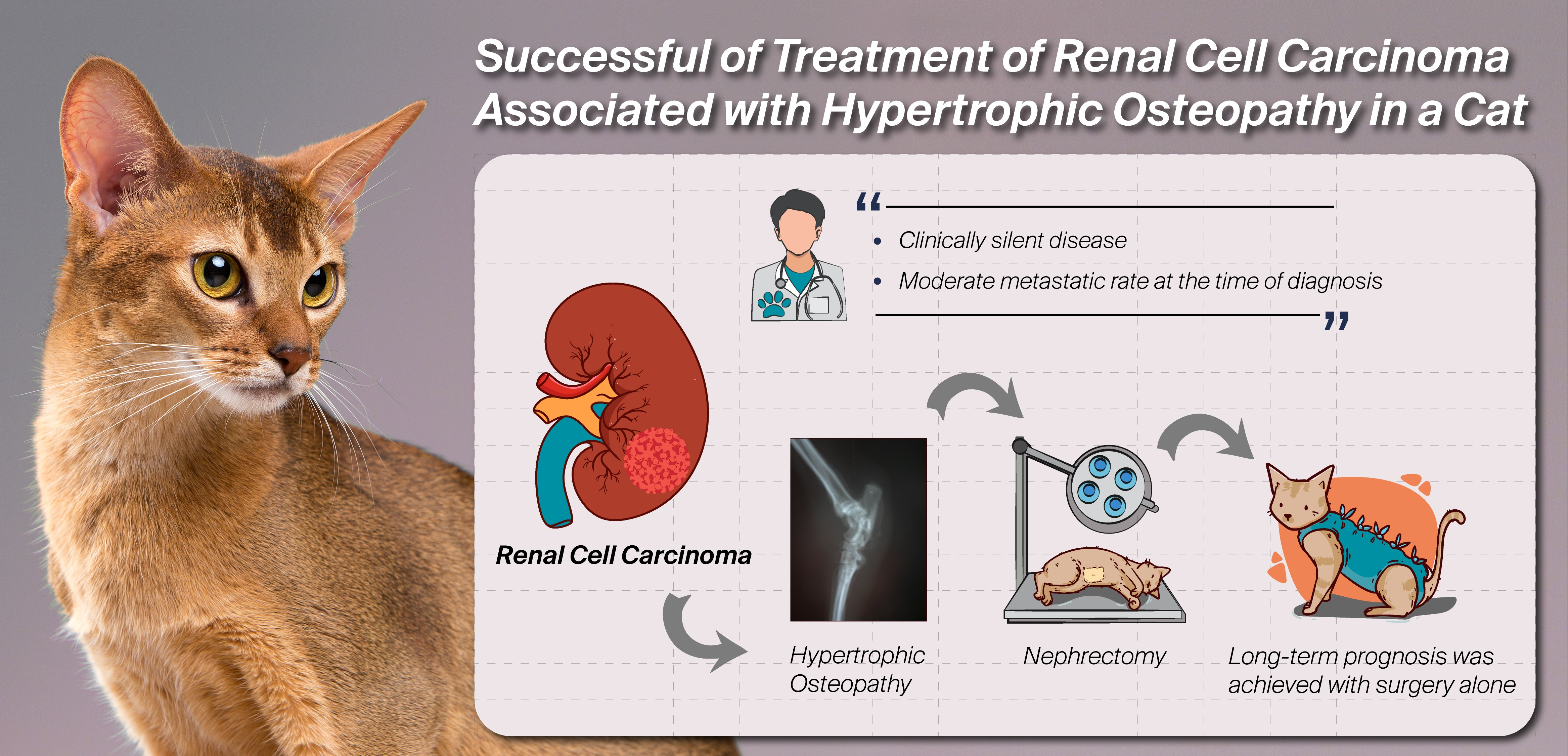
Credit: www.mdpi.com
When To Seek Emergency Care
Kidney disease in cats can worsen quickly. Knowing when to get urgent help is key.
This guide helps you spot serious signs that need emergency care for your cat.
Severe Vomiting Or Diarrhea
Severe vomiting or diarrhea can cause dehydration and harm your cat's kidneys.
- Repeated vomiting over several hours
- Diarrhea lasting more than a day
- Signs of dehydration, like dry gums or sunken eyes
- Blood in vomit or stool
Sudden Weakness
Sudden weakness may mean your cat’s body is not getting enough oxygen or nutrients.
| Symptom | What to Watch For | Action |
| Collapse or falling over | Cat cannot stand or walk | Seek emergency care immediately |
| Extreme lethargy | Not responding or moving much | Contact vet right away |
| Loss of appetite | Refuses food for more than 24 hours | Monitor closely and call vet if worsens |
Breathing Difficulties
Breathing problems can signal fluid buildup or other kidney disease complications.
- Rapid or labored breathing
- Open-mouth breathing or gasping
- Blue or pale gums
- Persistent coughing or wheezing
Frequently Asked Questions
What Are The Early Signs Of Cat Kidney Disease?
Early signs include increased thirst, frequent urination, weight loss, and decreased appetite. Noticing these symptoms early helps in prompt diagnosis and treatment.
How Is Cat Kidney Disease Diagnosed?
Diagnosis involves blood tests, urine analysis, and sometimes ultrasound. These tests assess kidney function and detect abnormalities.
Can Diet Improve My Cat’s Kidney Disease?
Yes, a special kidney-friendly diet with low protein and phosphorus slows disease progression and supports kidney health.
What Treatments Are Available For Cat Kidney Disease?
Treatments include medications to control symptoms, fluid therapy, dietary changes, and regular vet check-ups to monitor condition.
Conclusion
Treating cat kidney disease takes patience and care. Early diagnosis helps manage symptoms better. Feeding a special diet supports kidney health. Giving medicines as the vet advises is important. Keep your cat hydrated and comfortable daily. Regular vet visits track progress and adjust treatment.
Small steps can improve your cat’s quality of life. Stay calm and observe changes in behavior closely. Your love and attention make a big difference. Kidney disease is tough, but care helps cats live longer.

Lily Purrington is the founder of MyKittyPicks.com, a cozy corner of the web dedicated to helping cat lovers discover the best cat products, furniture, toys, and home decor ideas.
A lifelong cat enthusiast, Lily shares trusted tips, honest product recommendations, and stylish inspiration designed to keep kitties happy and homes beautiful.
Her mission is simple: to bring together practical advice and purr-fect picks that make life better for cats and the people who love them.


