

Have you ever looked at a cat and wondered what breed it might be? Maybe you’re thinking about adopting a furry friend and want to know more about different breeds.
Understanding cat breeds can be a fun and rewarding experience, helping you appreciate the unique features of each feline. This guide is here to help you unlock the secrets of identifying cat breeds with ease. You’ll discover simple tips and tricks that will turn you into a cat breed detective.
By the end of this article, you’ll be able to impress your friends with your newfound knowledge and make more informed decisions when choosing a pet. Keep reading, and let’s dive into the fascinating world of cat breeds together!
Physical Characteristics
Spotting distinct features helps identify cat breeds. Persian cats have long, fluffy coats and flat faces. Siamese cats are slender with striking blue eyes. Maine Coons are large with bushy tails. Recognizing these traits simplifies breed identification.
Understanding the physical characteristics of cat breeds can be a fun and enlightening experience. Each breed offers unique features that make it stand out. Recognizing these traits helps you appreciate their diversity and choose the right breed for your lifestyle. Whether you’re a seasoned cat lover or a curious newcomer, knowing these details can enhance your connection with these fascinating creatures.Coat Types And Patterns
Cats boast a variety of coat types and patterns, each with its own charm. Some cats have long, luxurious fur like the Persian, while others, like the Siamese, have short, sleek coats. Patterns range from the classic tabby stripes to the striking spots of a Bengal. Have you ever seen a cat with a color-point pattern? This is typical of the Siamese breed, where the body is lighter, and the extremities are darker. Recognizing these patterns can make identifying a cat breed both challenging and rewarding.Eye Colors And Shapes
A cat’s eyes can be mesmerizing, with colors ranging from deep blue to bright green or amber. The shape of their eyes can also be a clue to their breed. Round eyes are common in Persian cats, while Oriental breeds often have almond-shaped eyes. Next time you meet a cat, take a moment to look into their eyes. You might notice that a Russian Blue has vivid green eyes, which is a hallmark of the breed. How many eye colors can you spot in your neighborhood cats?Body Shapes And Sizes
The body shape and size of a cat can speak volumes about its breed. Some cats, like the Maine Coon, are large and muscular, while others, such as the Singapura, are petite and delicate. Have you ever held a British Shorthair? They have a stocky build and are surprisingly heavy for their size. When considering a cat, think about how their physical build might fit into your home. Would you prefer a compact, agile cat or a more robust, laid-back companion? By understanding these physical characteristics, you can become a better cat detective. It can be a delightful challenge to identify the breed based on their looks. Next time you visit a shelter or a friend’s house, use your newfound knowledge to spot the breeds. Which breed do you think you’d recognize first?
Credit: www.reddit.com
Behavioral Traits
Understanding the behavioral traits of different cat breeds can be fascinating and insightful. Cats, much like humans, have distinct personalities influenced by their breed. Recognizing these traits can help you choose the right companion that matches your lifestyle and preferences. But how do you identify these behaviors?
Activity Levels
Some cat breeds are naturally more energetic than others. For instance, the Bengal is known for its high activity levels, requiring plenty of playtime and stimulation. On the other hand, Persians prefer lounging around, enjoying a calm environment. Think about your own lifestyle. Are you ready for a cat that’s always on the move, or do you prefer a more laid-back pet?
Social Tendencies
Social tendencies vary widely among cat breeds. Siamese cats are famously social and love interacting with humans, often following you around the house. In contrast, the Russian Blue enjoys its independence and may not demand constant attention. Reflect on your social habits. Do you want a cat that engages with everyone or one that enjoys its solitude?
Vocalization Patterns
Vocalization is another key trait that differs among breeds. Siamese cats are known for their frequent and loud vocalizations, making their presence known. Meanwhile, the British Shorthair is relatively quiet, expressing itself through subtle meows. Consider your noise tolerance. Would you enjoy a chatty companion, or do you value peace and quiet?
By observing these behavioral traits, you can make informed decisions about which cat breed suits you best. Each breed has its own unique charm, and understanding these nuances can enhance your bond with your feline friend. What kind of personality are you looking for in a cat?
Popular Breeds
Feline enthusiasts often adore various cat breeds. Each breed has unique traits. Recognizing them can be fun and enlightening. Let’s explore some popular breeds. Understand their characteristics and charm.
Persian
Persian cats have long, luxurious fur. Their faces are flat, with sweet expressions. They are calm and enjoy lounging. Grooming them regularly is essential. Their coats can be many colors. Persians love a peaceful environment.
Siamese
Siamese cats are sleek and elegant. Their bodies are slender, with short coats. They have striking blue eyes. Siamese are vocal and social. They love human interaction. Their coat is usually light, with dark points.
Maine Coon
Maine Coons are large and sturdy. They have long, bushy tails. Their fur is thick and water-repellent. Maine Coons are friendly and sociable. They often act like gentle giants. Their ears have tufts of hair.
Bengal
Bengal cats have wild, leopard-like spots. Their coats are short and soft. Bengals are active and playful. They require mental stimulation. Their eyes are bright and alert. Bengals love climbing and exploring.
Rare And Exotic Breeds
Identifying cat breeds involves observing specific features like fur patterns, eye shape, and ear size. Unique markings can hint at exotic breeds. Pay attention to body type and tail length to distinguish between rare and common breeds.
Rare and exotic cat breeds offer a fascinating glimpse into the diversity of feline companions. These unique breeds are not just about looks; each one comes with its own set of characteristics and quirks. If you’re a cat enthusiast or considering adopting one, understanding these rare breeds can be both exciting and enlightening.Sphynx
The Sphynx cat is famous for its hairless appearance. This breed is perfect if you’re sensitive to cat fur but still want a pet. Despite their lack of fur, Sphynx cats are warm to the touch and love to cuddle, seeking warmth from their human friends. Sphynx cats are known for their playful and energetic nature. They enjoy being the center of attention and will often follow you around the house. Regular bathing is essential due to their skin’s oiliness, but it’s a small price to pay for such a loving companion.Scottish Fold
The Scottish Fold is easily recognized by its unique ear shape. These cats have a calm demeanor, making them great for families. Their affectionate nature means they often enjoy being petted and will curl up next to you at every opportunity. Scottish Folds are also quite intelligent. They can learn tricks and enjoy interactive toys that challenge their minds. If you’re looking for a cat that is both loving and smart, the Scottish Fold is a wonderful choice.Savannah
The Savannah cat is a hybrid breed, known for its striking appearance and large size. If you want a cat that feels a little wild, the Savannah might be for you. They are active and love to climb, so having vertical space in your home is a plus. Savannah cats are incredibly loyal and often form strong bonds with their owners. They may even greet you at the door like a dog would. Be prepared for a cat that loves to explore and might test the limits of your household rules.Russian Blue
The Russian Blue is easily recognized by its shimmering grey-blue coat and striking green eyes. Known for their gentle and reserved nature, these cats are perfect for quieter homes. While they may be shy at first, Russian Blues are very loyal once they warm up to you. They have a soft voice and are not overly vocal, making them a peaceful presence in your home. Their plush coat requires minimal grooming, which is an added bonus for busy cat owners. Consider a Russian Blue if you appreciate elegance and tranquility in a pet. Exploring these rare and exotic breeds can expand your understanding of cats in a remarkable way. Have you ever encountered one of these unique breeds, or do you have a favorite among them? Understanding their traits can help you make a more informed choice when selecting your next feline friend.Identifying Mixed Breeds
Identifying mixed cat breeds can be a delightful challenge. Each mixed breed cat possesses unique features. These features often combine traits from different breeds. Understanding these traits helps in recognizing common mixes. Let’s explore some clues to identify mixed breed cats.
Common Mixes
Many mixed breed cats include popular breeds. The Siamese mix often has striking blue eyes. Maine Coon mixes might have bushy tails and large bodies. Persian mixes tend to have long, fluffy fur. Each mix showcases a blend of characteristics.
Traits To Look For
Observe the cat’s fur texture and length. Short hair may hint at a Domestic Shorthair mix. Long, silky fur suggests a Persian influence. Consider the cat’s body size and shape. A muscular build might indicate a Maine Coon mix.
Examine the cat’s facial features closely. A triangular face may suggest Siamese ancestry. Round faces are common in Persian mixes. Eye color can also provide clues. Bright blue eyes often hint at Siamese heritage.
Listen to the cat’s vocalizations. Siamese mixes might be more talkative. Notice the cat’s behavior and temperament. Playful and social traits could indicate a Siamese mix. Gentle and laid-back demeanor may suggest a Persian mix.
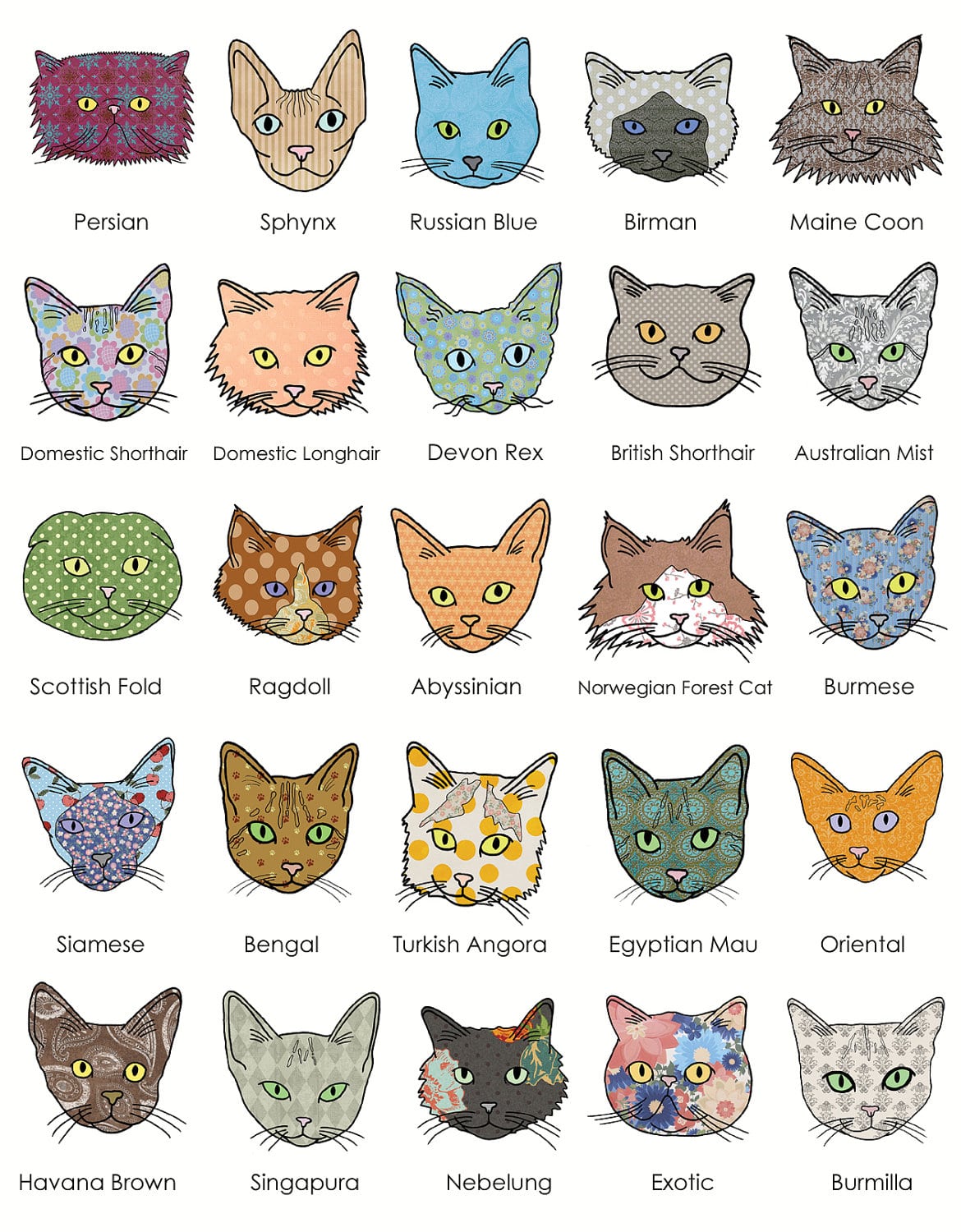
Credit: www.greensafaris.com
Utilizing Resources
Identifying cat breeds can be a fascinating journey, whether you’re a proud cat parent or a curious enthusiast. While some breeds are easily recognizable, others may require a closer look. Fortunately, there are numerous resources available to help you distinguish between different cat breeds. From informative books to interactive databases, these tools can offer valuable insights. So, how can you use these resources effectively to identify cat breeds?
Books And Guides
Books are a treasure trove of information for cat lovers. Many guides provide detailed descriptions and images of various breeds. You can find information about physical traits, personality, and common health issues. I once stumbled upon a book at a garage sale that had vivid illustrations of cat breeds. It sparked my interest and helped me identify the breed of my neighbor’s cat, which turned out to be a Russian Blue.
Next time you’re at a bookstore or library, look for titles about cat breeds. You might discover new breeds and learn fun facts about them. Do you have a favorite breed you want to learn more about? A guidebook could be your best friend.
Online Databases
Online databases are another excellent resource for identifying cat breeds. Websites dedicated to cat enthusiasts often have searchable databases. You can input specific traits like fur color, eye shape, and size, and the database suggests possible matches. These sites frequently update their information, ensuring you have access to the latest details.
Have you ever used an online database to identify a cat breed? They can be incredibly detailed and sometimes even include user-uploaded images for comparison. Try exploring one, and you might discover a breed you’ve never heard of before!
Professional Consultations
Sometimes, the best way to identify a cat breed is to consult a professional. Veterinarians and breeders have extensive knowledge about various breeds. They can offer insights based on experience and observation. Consider visiting a local breeder or veterinarian and ask about your cat’s breed characteristics.
Have you ever considered how a professional’s insight might differ from what you read online? Their hands-on experience can provide you with a deeper understanding of breed specifics. Why not schedule a consultation to learn more?
Utilizing resources effectively can transform your understanding of cat breeds. Whether through a book, a database, or a professional, you’ll gain a wealth of knowledge. And who knows, you might even become the go-to cat expert among your friends!
Tips For Accurate Identification
Identifying cat breeds accurately can be a fun challenge. Each cat has unique traits that make them special. Observing these traits carefully helps in correct identification. Here are some useful tips to enhance your skills in identifying cat breeds.
Observational Skills
Start by observing the cat’s size and shape. Note the length of their fur and tail. Look at the color and pattern of the coat. Eye shape and color can also be telling features. Pay attention to their ear shape and size. Observe how they move and behave. Each detail helps in identifying the breed.
Recording Observations
Keep a notebook to record your observations. Write down details about the cat’s physical features. Include any unique markings or patterns. Note their behavior and vocal sounds. Taking photos can be helpful too. This makes comparing breeds easier later.
Comparing With Standards
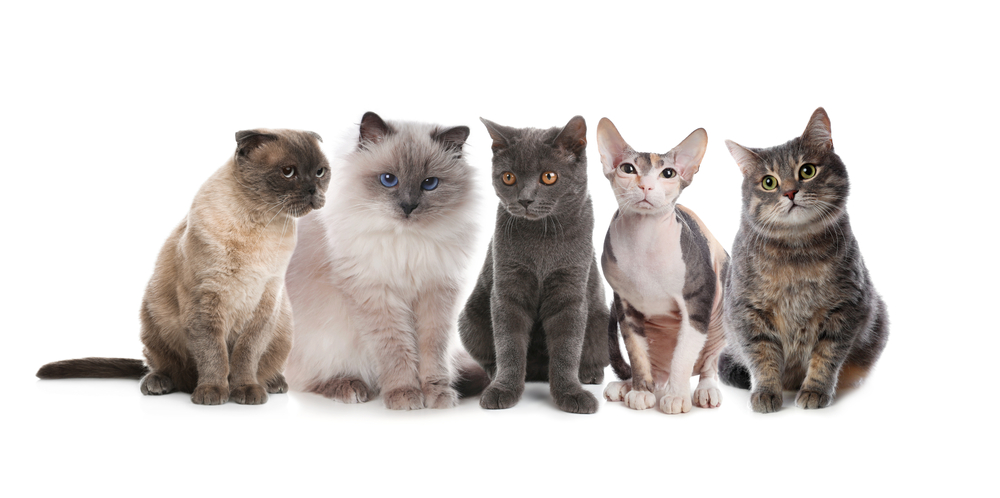
Use breed standards to compare your notes. Check if your observations match known breed characteristics. Refer to breed books or online resources for guidance. Compare your findings with pictures of specific breeds. This can confirm or correct your identification.
Credit: www.ovrs.com
Frequently Asked Questions
How Can I Identify Different Cat Breeds?
Identifying cat breeds involves observing physical traits like size, fur length, and eye color. Personality traits and behaviors also help. Comparing these features with breed standards can provide clues. Consulting breed guides or experts can offer additional insights into specific breed characteristics.
What Are The Common Traits Of Cat Breeds?
Common traits include fur type, ear shape, and eye color. Some breeds have distinct personalities, like being playful or reserved. Size varies from small to large, and some breeds have unique markings. Understanding these traits helps in identifying specific breeds.
Are Cat Breed Characteristics Inherited?
Yes, cat breed characteristics are inherited from their parents. Genetic traits determine physical features and behavior. Breeders selectively mate cats to maintain breed standards. This ensures that distinctive breed traits are passed on to future generations, making identification easier.
Why Is Knowing Cat Breeds Important?
Knowing cat breeds helps in understanding their behavior and care needs. Each breed has unique traits that affect their lifestyle. This knowledge aids in providing appropriate diet, grooming, and exercise. It also helps in choosing a breed that matches your home environment.
Conclusion
Exploring cat breeds can be a delightful journey. Each breed has unique traits. From fluffy Persians to sleek Siamese, variety abounds. Observing their features helps in identification. Ears, fur, and eyes offer clues. Playful or reserved? Each has its charm.
Understanding breeds deepens your connection with cats. It also helps in choosing a pet. Remember, each cat is special. Whether purebred or mixed, they bring joy. Appreciate the differences. Love the similarities. Enjoy the companionship they offer. Your knowledge enriches your experience.
Happy cat exploring!

Lily Purrington is the founder of MyKittyPicks.com, a cozy corner of the web dedicated to helping cat lovers discover the best cat products, furniture, toys, and home decor ideas.
A lifelong cat enthusiast, Lily shares trusted tips, honest product recommendations, and stylish inspiration designed to keep kitties happy and homes beautiful.
Her mission is simple: to bring together practical advice and purr-fect picks that make life better for cats and the people who love them.


