
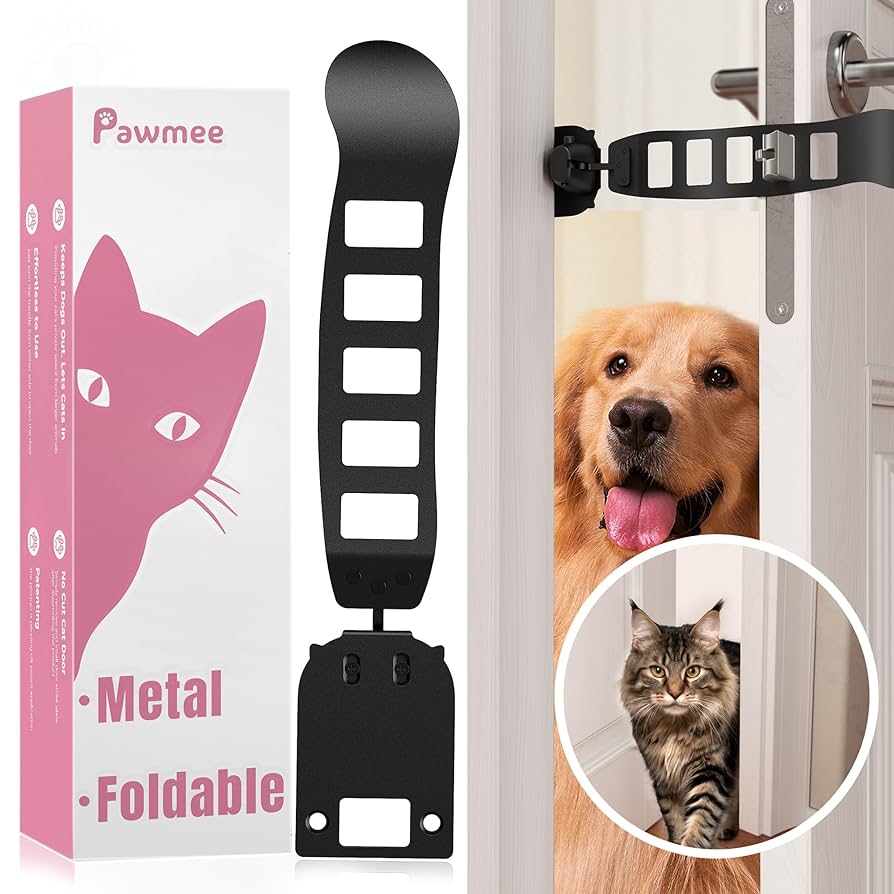
Have you ever been startled by the sound of a door creaking open, only to discover your curious feline making an unexpected entrance? If your cat has mastered the art of opening doors, you’re not alone.
This quirky behavior can be amusing at first, but it can quickly become a challenge when you’re seeking privacy or need to keep certain areas of your home off-limits. You’re here because you want to regain control and ensure that your clever kitty stays where they’re supposed to.
In this guide, you’ll discover effective strategies to keep those doors firmly closed, ensuring both your peace of mind and your cat’s safety. Let’s dive into practical solutions that can put a stop to your cat’s door-opening adventures.

Credit: www.amazon.com
Why Cats Open Doors
Ever wondered why your cat seems determined to open every door in the house? Understanding the reasons behind this behavior can help you address it effectively. Cats don’t just open doors randomly; they have clear motivations driving them.
Curiosity And Exploration
Cats are natural explorers. A closed door is like a mystery waiting to be solved, sparking their curiosity. They want to know what’s behind it, whether it’s a new space or just a change in their environment.
Think about how you feel when you find a locked room or a drawer you can’t open. Your cat’s curiosity works the same way, pushing them to test their limits.
Seeking Attention
Sometimes, door opening is your cat’s way of getting your attention. If they notice you react—whether by calling them or stopping what you’re doing—they learn this behavior brings interaction.
Have you noticed your cat opening a door just before you sit down or start working? They might want to be part of your activity or simply want you to notice them.
Access To Food Or Litter
Doors often block access to food, water, or litter boxes. If your cat can’t reach these essentials, they will try to open doors to get what they need.
One cat I know would paw at the pantry door until it opened because that’s where the treats were kept. That’s a clear message: your cat is solving a problem in their own way.
Boredom And Playfulness
Opening doors can be a fun game for cats. If they’re bored, they’ll find anything to entertain themselves, including manipulating door handles.
Think about providing toys or playtime. Would your cat still try to open doors if they had enough outlets for their energy?
Credit: www.amazon.com
Common Door Types Cats Open
Cats are clever and curious. They often find ways to open doors and explore new spaces. Knowing which doors cats open the most helps stop their sneaky attempts. Different door types offer unique challenges for pet owners.
Some doors are easier for cats to open due to their design. Cats use their paws and claws to push or pull doors. Understanding these common door types helps create better barriers.
Standard Hinged Doors
Hinged doors swing open on one side. Cats learn to twist door handles or push under the door. They often use their paws to pull the handle down. This door type is common in homes, making it a frequent target.
Sliding Doors
Sliding doors move side to side in a track. Cats push the door with their paws to open it. These doors can be heavy but cats are persistent. They may use their weight to slide the door open slowly.
Cabinet Doors
Cabinet doors are smaller but easy for cats to open. Cats paw at handles or edges to push them open. Some cabinets have simple latches that cats can figure out. They often target cabinets with food or interesting smells.
Simple Door Locks And Latches
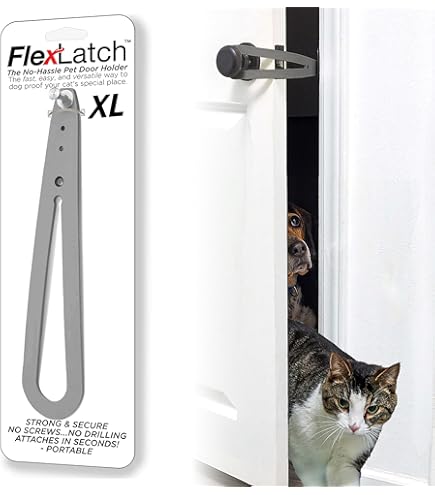
Simple door locks and latches offer easy and effective ways to stop cats from opening doors. These devices create barriers that keep cats from turning knobs or pushing doors open. They are easy to install and work well on most door types.
Using simple locks or latches ensures peace of mind and protects rooms from curious cats. These tools are affordable and do not damage doors. They also allow humans to open doors easily while keeping cats out.
Childproof Locks
Childproof locks are designed to prevent children from opening doors or cabinets. They work well for cats too. These locks usually require pressing a button or sliding a latch to open.
Installing childproof locks on door handles stops cats from twisting or pulling. They are simple to attach and remove without tools. Many models fit various door types and handles.
Door Handle Covers
Door handle covers fit over round or lever handles to block a cat’s grip. They make it hard for cats to turn the handle and open the door. These covers are soft and safe for pets.
Most covers slip on easily and stay in place. They do not affect the door’s function for people. Door handle covers come in different sizes to fit many handles.
Magnetic Latches
Magnetic latches keep doors closed using a magnetic catch. They require a special magnetic key to open. Cats cannot open doors secured by these latches.
Magnetic latches are hidden inside the door frame. They keep doors firmly shut and prevent pushing or pulling. These latches work well on cabinet doors and lightweight room doors.
Behavioral Training Tips
Training your cat to stop opening doors often feels like a challenge, but with patience and the right approach, you can guide your furry friend toward better habits. Behavioral training focuses on teaching your cat what’s acceptable and what’s not, using strategies that respect their intelligence and natural curiosity. These tips will help you create a clear boundary without causing stress or confusion for your cat.
Positive Reinforcement
Reward your cat when they stay away from doors you want to keep closed. Use treats, petting, or praise immediately after they ignore a door to help them connect good behavior with positive outcomes.
Try redirecting their attention with toys or playtime near the door instead of allowing them to open it. This helps them learn that staying put leads to fun and rewards.
Have you noticed how cats respond faster when you reward small steps? Celebrate even brief moments of door discipline to encourage lasting change.
Deterring With Scents
Cats have a powerful sense of smell, so certain scents can gently discourage them from approaching doors. Citrus peels, vinegar, or commercial cat repellents placed near door handles can create a natural barrier.
Be careful to choose scents your cat dislikes but that are safe and non-toxic. This method works best when combined with other training techniques to reinforce boundaries.
Have you tried placing a small container of lemon peels by a door? Many cat owners find this simple trick surprisingly effective in keeping paws off handles.
Using Noise Deterrents
Noise deterrents can interrupt your cat’s door-opening attempts without causing harm. A small bell on the door or a motion-activated sound device can startle your cat just enough to stop the behavior.
Consistency is key: if the noise always follows their action, your cat will learn to associate door-opening with an unpleasant sound. Avoid loud or scary noises that might cause anxiety.
Have you experimented with a gentle noise that surprises but doesn’t frighten? Finding that balance can make your training more effective and less stressful for your cat.
Environmental Adjustments
Adjusting your cat’s environment helps reduce their urge to open doors. Cats explore because they need mental and physical activity. Changing their surroundings can keep them busy and safe.
Providing Enrichment
Give your cat toys that move or make noise. Puzzle feeders challenge their mind during mealtime. Rotate toys often to keep interest high. Scratching posts and climbing trees satisfy natural instincts. These activities reduce boredom and door-opening attempts.
Creating Safe Spaces
Set up cozy spots where your cat feels secure. Soft beds near windows offer comfort and views. Quiet rooms free from noise calm anxious cats. Safe spaces reduce stress, making cats less likely to seek escape routes.
Restricting Door Access
Use baby gates or pet barriers to block doorways. Place furniture to limit your cat’s reach to handles. Magnetic or childproof locks prevent door opening. These simple barriers keep cats away from doors they want to open.

Credit: www.reddit.com
When To Consult A Professional
Knowing when to seek professional help can make a big difference in managing your cat’s door-opening habits. Sometimes, simple training won’t be enough, especially if the behavior is persistent or linked to deeper issues. Recognizing these signs early can save you frustration and help your cat live more comfortably.
Persistent Door Opening
If your cat keeps opening doors despite your efforts to stop them, it might be time to consult a professional. Persistent behavior suggests the problem goes beyond curiosity or boredom. A behaviorist can observe your cat and suggest tailored strategies that you might not have considered.
Have you noticed your cat learning to open different types of doors, even new ones you thought were secure? This level of persistence often requires expert insight to break the cycle effectively.
Stress-related Behavior
Sometimes, door opening is a sign of stress or anxiety. Cats may use door opening to escape uncomfortable situations or seek out a safe space. If your cat suddenly starts this behavior after a change in environment, family, or routine, it could be a red flag.
Ask yourself if your cat seems more restless or vocal lately. A professional can help identify stress triggers and recommend calming techniques or environmental adjustments.
Veterinary Advice
Before blaming your cat’s stubbornness, consider a health check-up. Certain medical conditions can cause restlessness or compulsive behaviors like door opening. Your vet can rule out issues such as hyperthyroidism, pain, or cognitive dysfunction.
Getting veterinary advice ensures you’re not overlooking health problems. It also opens the door to combined medical and behavioral approaches that improve your cat’s well-being.
Frequently Asked Questions
How Can I Stop My Cat From Opening Doors?
Use childproof door locks or door knob covers to block access. Training your cat with positive reinforcement also helps. Keep doors closed firmly and use double-sided tape near handles to deter scratching.
Why Do Cats Like Opening Doors?
Cats open doors out of curiosity and a desire for exploration. They also want access to new spaces or to follow their owners. Boredom and attention-seeking behavior often motivate them to open doors.
Are Door Stoppers Effective Against Cats?
Yes, door stoppers prevent cats from pushing doors open. They create a physical barrier that cats can’t easily bypass. Choose heavy or wedge-shaped stoppers for best results against determined cats.
Can Scratching Posts Reduce Door Opening Behavior?
Yes, scratching posts provide an alternative outlet for cats’ scratching needs. They redirect attention from door handles to appropriate surfaces. This reduces the chance of cats opening doors out of boredom or habit.
Conclusion
Stopping cats from opening doors takes patience and simple steps. Use childproof locks or door knob covers to block access. Train your cat gently with rewards for good behavior. Keep doors closed or use barriers to keep cats out. Small changes can make a big difference in your home.
Keep trying different ideas until you find what works best. Your cat will learn boundaries over time. Enjoy a safer, calmer space for both you and your pet.

Lily Purrington is the founder of MyKittyPicks.com, a cozy corner of the web dedicated to helping cat lovers discover the best cat products, furniture, toys, and home decor ideas.
A lifelong cat enthusiast, Lily shares trusted tips, honest product recommendations, and stylish inspiration designed to keep kitties happy and homes beautiful.
Her mission is simple: to bring together practical advice and purr-fect picks that make life better for cats and the people who love them.


