

Caring for a cat with fractures can be a heart-wrenching experience. You want nothing more than to comfort and heal your furry friend, but keeping them still is crucial for recovery.
How do you confine a naturally curious and active creature like your cat to a cage without causing them stress or discomfort? In this guide, we’ll explore effective strategies to ensure your cat feels secure and at ease while they heal.
You’ll discover tips to make their temporary home as comfortable as possible, minimizing distress and maximizing recovery. Continue reading to learn how you can transform a challenging situation into a nurturing experience for both you and your beloved pet.
Credit: medium.com
Preparing The Cage
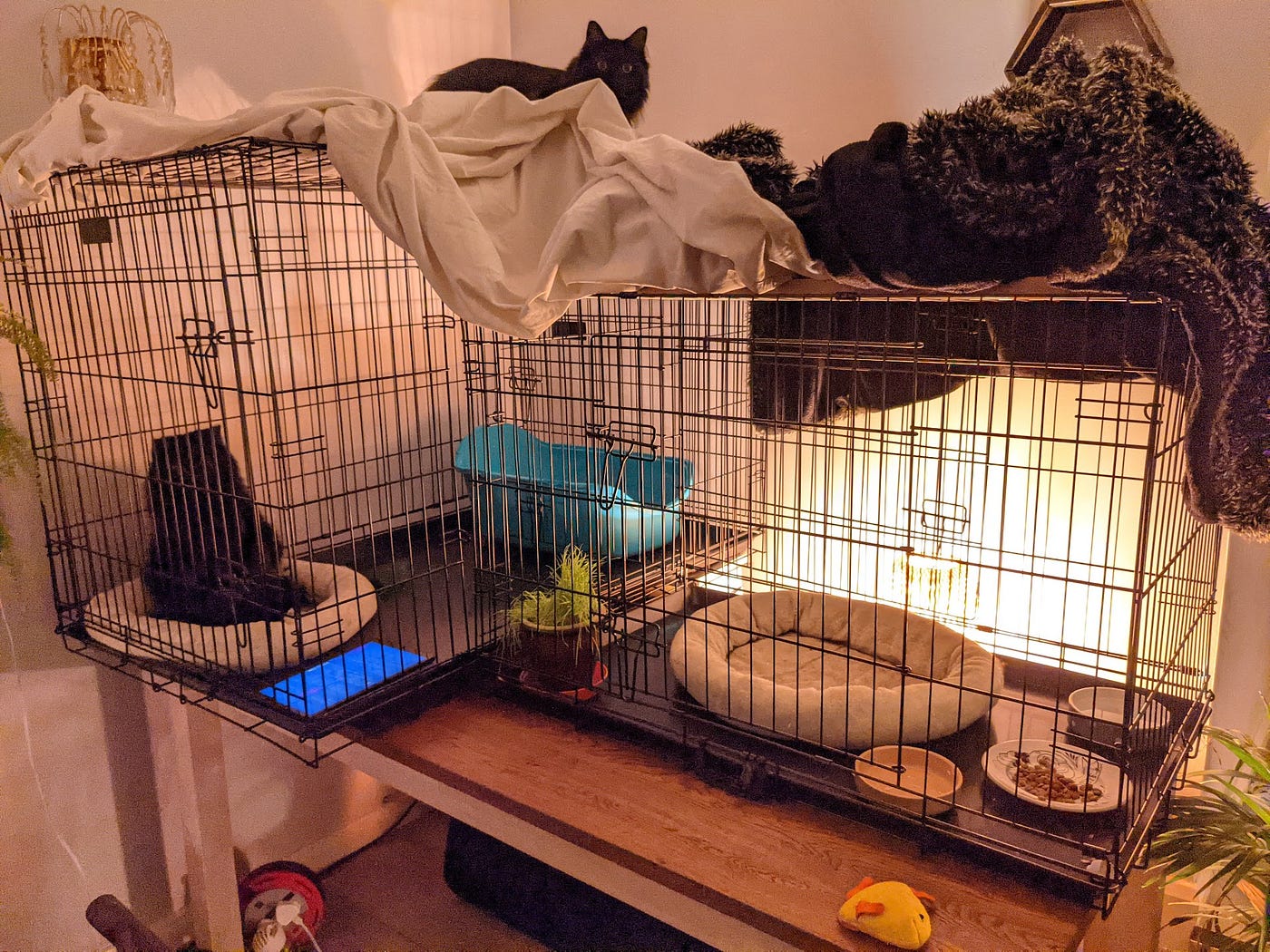
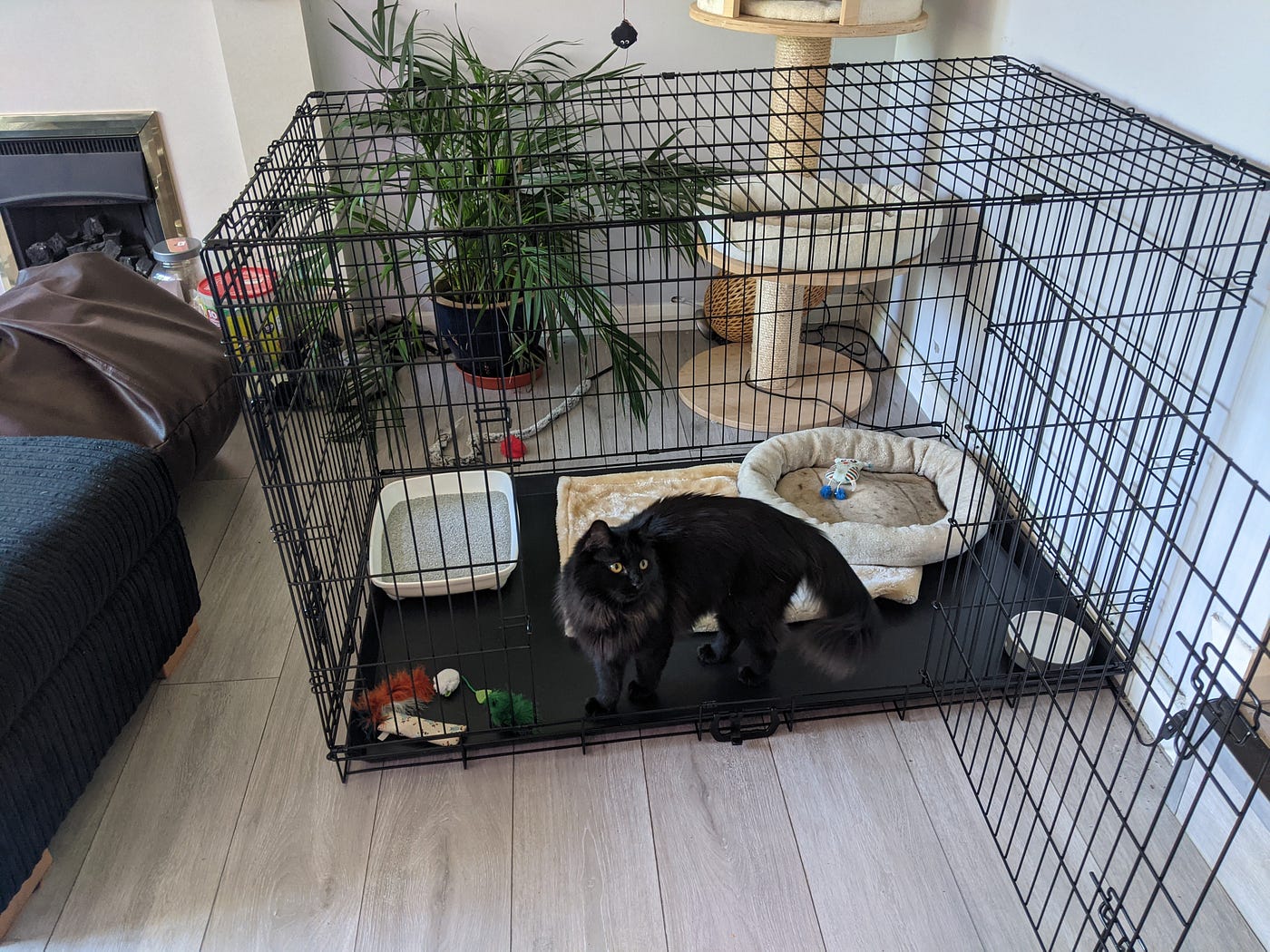
Preparing the cage is crucial when caring for a cat with fractures. The right setup helps your pet heal safely and comfortably. It also reduces stress and prevents further injury during recovery.
Choosing The Right Cage Size
Pick a cage that’s large enough for your cat to lie down, stretch, and turn around comfortably. Avoid cages that are too big, as they might encourage excessive movement, which can worsen fractures.
Think about your cat’s size and mobility needs. If your cat is small, a medium-sized cage might work well, but larger cats need more space for comfort.
Adding Comfortable Bedding
Soft, supportive bedding is essential to cushion fractured bones and reduce pressure points. Use materials like memory foam or thick blankets that won’t slip around.
Keep bedding clean and dry to prevent infections. You might want to add an absorbent layer underneath to manage accidents easily.
Ensuring Proper Ventilation
Good airflow keeps your cat cool and reduces the risk of respiratory issues. Make sure the cage has enough openings but avoid placing it in drafty areas.
If you notice your cat panting or looking uncomfortable, check the ventilation and adjust the cage location accordingly. Your cat’s comfort depends on balanced airflow without chills.
Managing Mobility Restrictions
Managing your cat’s mobility restrictions after a fracture is crucial for proper healing and comfort. It takes patience and careful attention to prevent further injury while keeping your cat as calm and comfortable as possible. You’ll need to balance limiting movement without causing unnecessary stress.
Limiting Movement Safely
Keeping your cat confined to a small, secure space helps reduce the risk of sudden jumps or runs that could worsen the fracture. Use a well-ventilated cage or a small room with soft bedding to create a safe zone. Make sure the space isn’t too cramped—your cat should be able to lie down and turn around comfortably.
Removing toys that encourage vigorous play and blocking off high shelves or furniture prevents tempting escapes. Have you noticed how even the calmest cats can surprise you with unexpected bursts of energy? That’s why supervision is key during any brief outings outside the cage.
Using Supportive Padding
Adding soft padding inside the cage cushions your cat’s injured limb and reduces pressure on the fracture site. Use materials like folded towels, memory foam mats, or specialized orthopedic pet beds. This extra comfort can help your cat relax and avoid shifting positions that cause pain.
Be sure to check the padding daily for cleanliness and firmness. If the padding becomes compressed or dirty, replace it promptly to maintain its protective function. Have you considered how a simple change in bedding can transform your cat’s recovery experience?
Monitoring For Stress Or Anxiety
Confinement can be stressful for cats, especially when they’re already uncomfortable from an injury. Watch for signs like excessive meowing, pacing, or loss of appetite. These signals mean your cat might be struggling with the restrictions.
Keep a routine with regular feeding times and gentle interaction to provide reassurance. Adding familiar scents or soft music can also soothe anxiety. How often do you spend quiet time just sitting near your cat, offering calm presence? That simple act can ease their stress and speed healing.
Feeding And Hydration Tips
Feeding and hydration play a crucial role in helping your cat heal while confined to a cage with fractures. Proper nutrition supports bone repair and keeps your cat’s energy levels steady. Meanwhile, easy access to water prevents dehydration, which can slow recovery.
Placing Food And Water Accessibly
Position food and water bowls within your cat’s reach, but away from areas where they might accidentally cause discomfort or disturb healing fractures. Consider using shallow bowls or small plates to reduce the effort your cat needs to eat or drink.
If your cat struggles to reach the bowls, try placing them on a stable platform or near the front of the cage. Have you noticed how your cat prefers to eat—standing, sitting, or lying down? Adjust the bowl height accordingly to make feeding easier and less stressful.
Offering Nutrient-rich Diet
Provide a diet rich in protein, vitamins, and minerals to boost bone healing. Foods high in calcium, phosphorus, and vitamin D are particularly important. You might want to add specially formulated recovery cat food or supplements recommended by your vet.
Don’t forget to include soft foods if your cat finds chewing difficult. Soft, moist meals are easier to eat and can encourage better intake when your cat isn’t feeling their best. What nutritious treats does your cat enjoy that could also support their recovery?
Keeping Hydration Consistent
Encourage your cat to drink water frequently by refreshing the water bowl multiple times a day. Cats can be picky about water, so try using a pet water fountain or adding a splash of tuna juice to entice them.
Monitor hydration by checking the moistness of your cat’s gums and skin elasticity regularly. If your cat isn’t drinking enough, ask your vet about safe ways to provide fluids, such as subcutaneous fluids. Staying hydrated is a simple step that greatly influences healing speed.

Credit: www.reddit.com
Maintaining Cleanliness
Keeping your cat’s cage clean is essential, especially when they have fractures. Cleanliness supports healing and comfort, reducing stress for both you and your furry friend. It also lowers the chance of complications, which can slow down recovery.
Regular Cage Cleaning Schedule
Set a daily routine for cleaning the cage. Remove any soiled bedding and replace it with fresh, soft materials to keep your cat comfortable. Wipe down the cage surfaces with a pet-safe disinfectant to kill germs without harming your cat’s sensitive skin.
Have you noticed how quickly messes build up in a confined space? Keeping a schedule helps you stay ahead and prevents odors and bacteria growth. Consistency is key to maintaining a healthy environment.
Managing Litter Box Placement
Place the litter box in a corner of the cage that your cat can easily access without risking movement that may worsen their injury. Use a small, low-entry box to make it easier for your cat to enter and exit safely.
Watch how your cat approaches the box—if they hesitate, try adjusting its position. Clean the litter box frequently to avoid odors and bacteria, which can irritate your cat or cause infections.
Preventing Infection Risks
Infections can be a major setback for a cat with fractures. Keep the cage dry and clean to limit bacteria growth. Change bedding immediately if it becomes wet or dirty.
Also, wash your hands before and after handling your cat or cleaning the cage. This simple habit drastically reduces the chance of spreading germs. Have you ever thought about how your own hygiene impacts your pet’s healing?
Monitoring Healing Progress
Monitoring the healing progress of your cat’s fracture is essential to ensure a smooth recovery. Keeping a close eye on physical signs and behavior helps you catch any complications early. Your careful attention can make a big difference in how quickly and comfortably your cat heals in its cage.
Checking For Swelling Or Discharge
Swelling around the injured area can signal inflammation or infection. Gently feel the limb daily to compare its size and temperature with the opposite side. Discharge, especially if it’s yellow or green, is a clear red flag—this needs immediate veterinary attention.
Sometimes swelling may feel warm or tender to touch. If you notice these signs, don’t wait to act. Early detection prevents minor issues from becoming serious problems.
Noticing Behavioral Changes
Your cat’s behavior can tell you a lot about its healing process. Watch for signs like increased hiding, reluctance to eat, or excessive licking of the injured area. These changes might indicate pain or discomfort that requires adjustment in care or pain management.
Remember, cats often hide pain, so subtle shifts in mood or activity levels are worth noting. Have you noticed your cat becoming unusually quiet or restless? These could be clues that something isn’t right.
Scheduling Follow-up Vet Visits
Regular check-ups are crucial for tracking bone healing and adjusting treatment plans. Your vet can perform X-rays to see how well the fracture is mending inside. Don’t skip these appointments even if your cat seems fine—internal healing is not always visible.
Plan visits ahead and prepare questions about your cat’s progress. This ensures you’re actively involved and informed about the recovery. How often you visit depends on the fracture type and vet’s advice, but staying consistent is key.
Providing Comfort And Stimulation
Keeping a cat comfortable and mentally active during cage rest is crucial. Comfort helps reduce stress and pain, while stimulation prevents boredom. Both factors support healing and improve your cat’s mood.
Small changes in the environment can make a big difference. Thoughtful care helps your cat stay calm and engaged even in a limited space. Here are some ways to provide comfort and stimulation.
Using Soft Toys And Gentle Interaction
Soft toys offer comfort and a sense of security. Choose plush, small toys your cat can cuddle or lightly paw at. Avoid anything hard or noisy that might cause stress.
Spend quiet moments gently petting your cat. Soft strokes soothe and build trust. Keep interactions calm and slow to avoid startling your cat.
Playing Calming Sounds
Calming sounds reduce anxiety and create a peaceful atmosphere. Use soft classical music or nature sounds like birds or rain. Keep the volume low and steady.
Sounds distract from cage confinement and help your cat relax. Avoid sudden loud noises or fast rhythms that may cause agitation.
Offering Visual Engagement
Visual stimulation keeps your cat’s mind active. Position the cage near a window with a safe view of birds or passing people. Change the view occasionally to maintain interest.
Add colorful, moving objects like wind chimes or a small fish tank nearby. These gentle sights provide entertainment without overwhelming your cat.
Credit: medium.com
Frequently Asked Questions
How Long Should A Cat Stay In A Cage With Fractures?
A cat typically needs cage rest for 4 to 8 weeks. This allows bones to heal properly. Always follow your vet’s specific advice for your cat’s injury.
What Type Of Cage Is Best For Cats With Fractures?
Choose a spacious, well-ventilated cage with soft bedding. It should prevent excessive movement but allow easy access to food and water. Avoid cages with sharp edges to keep the cat safe.
How Often Should I Check My Cat In The Cage?
Check your cat at least 3 to 4 times daily. Monitor for signs of discomfort, swelling, or changes in behavior. Regular checks help catch problems early and ensure comfort.
Can Cats Eat And Drink Normally While Caged?
Yes, cats should have constant access to fresh water and food. Place dishes within easy reach to avoid unnecessary movement. Proper nutrition supports faster healing.
Conclusion
Keeping a cat with fractures safe takes patience and care. Use a cage that is comfortable and quiet. Place soft bedding inside to reduce pain and stress. Check the cat’s condition regularly and provide fresh water and food. Avoid too much movement but let the cat stretch gently when possible.
Follow the vet’s advice closely for a quick recovery. Small steps make a big difference. Your careful attention helps your cat heal well and feel loved.

Lily Purrington is the founder of MyKittyPicks.com, a cozy corner of the web dedicated to helping cat lovers discover the best cat products, furniture, toys, and home decor ideas.
A lifelong cat enthusiast, Lily shares trusted tips, honest product recommendations, and stylish inspiration designed to keep kitties happy and homes beautiful.
Her mission is simple: to bring together practical advice and purr-fect picks that make life better for cats and the people who love them.


