
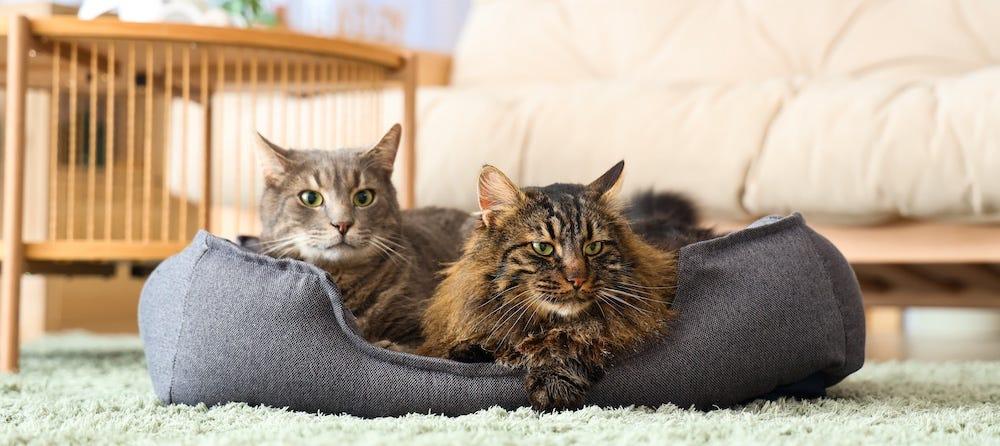
Living with cats brings joy, companionship, and a touch of chaos to your home. Yet, maintaining a clean house with your feline friends scampering about can feel like a daunting task.
Do you often find yourself battling fur-covered furniture or stray litter scattered across the floor? You’re not alone. Many cat owners struggle to keep their homes spotless while accommodating their beloved pets. But fear not, because the solution is simpler than you might think.
Imagine a home that’s both cat-friendly and pristine, where you can enjoy your pet’s company without sacrificing cleanliness. Ready to discover how to achieve that perfect balance? Dive into our guide for practical tips and tricks to keep your house sparkling, even with your furry companions around.
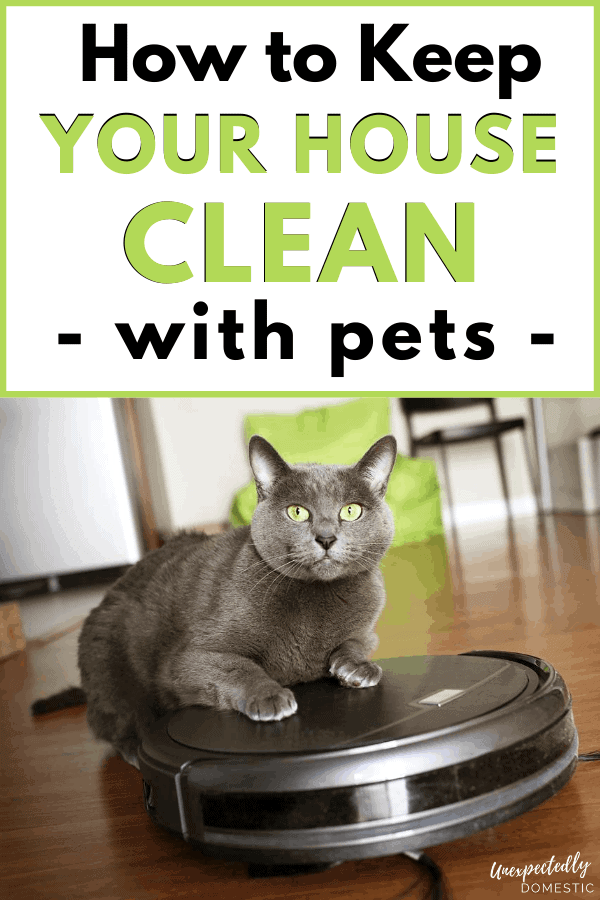
Credit: www.unexpectedlydomestic.com
Managing Cat Hair
Managing cat hair is one of the biggest challenges for cat owners who want to keep their homes clean. Hair can quickly spread everywhere—from your clothes to furniture and even the floors. Tackling this issue requires a mix of consistent care and smart choices to reduce the amount of loose fur your cat sheds daily.
Regular Brushing Techniques
Brushing your cat regularly helps remove loose fur before it falls around your home. Try to brush at least a few times a week, or daily during heavy shedding seasons like spring and fall.
Use gentle strokes that follow the direction of your cat’s fur. This prevents discomfort and helps build a calming routine for your pet. Notice if your cat prefers certain spots—some love being brushed behind the ears or under the chin.
Choosing The Right Tools
Different cats need different brushes. Long-haired cats benefit from wide-toothed combs or slicker brushes, while short-haired cats do well with rubber grooming gloves or bristle brushes.
Consider tools that collect hair easily, like brushes with self-cleaning features. You might find that combining tools works best—use a slicker brush to remove mats and a rubber glove to catch loose hair afterward.
Preventing Hair Accumulation
Prevent hair buildup by setting up cleaning habits that catch fur before it spreads. Vacuum regularly using a pet-friendly vacuum cleaner with strong suction and a HEPA filter.
Wash your cat’s bedding and any fabric your cat frequently lies on weekly. You can also use lint rollers or sticky tape on clothes and furniture daily to keep hair under control.
Have you noticed any places in your home where cat hair tends to gather more? Focus your cleaning efforts there to save time and effort.
Controlling Litter Box Odors
Controlling litter box odors is key to keeping a fresh and clean home with cats. Strong smells can spread quickly and make your space uncomfortable. Taking simple steps helps reduce unpleasant odors and keeps your cat happy too.
Selecting Effective Litter
Choose a litter that clumps well to trap moisture and odors. Natural options like clumping clay or silica gel crystals absorb smells better. Scented litters can mask odors, but some cats dislike strong smells. Try unscented litter for sensitive noses. Consider litters with baking soda or activated charcoal for extra odor control.
Daily Cleaning Habits
Remove waste from the litter box every day. This stops odors from building up quickly. Scoop all clumps and solid waste. Add fresh litter as needed to keep the right depth. Wash the litter box with mild soap and water weekly. Avoid harsh cleaners that can upset your cat. Dry the box fully before adding new litter.
Litter Box Placement Tips
Place the litter box in a well-ventilated area. Good airflow helps reduce smells. Avoid small, enclosed spaces that trap odors. Keep the box away from food and sleeping areas. Use a mat under the box to catch loose litter. This helps keep floors clean and reduces tracked litter.
Protecting Furniture And Fabrics
Keeping your furniture and fabrics safe from your cat’s natural behavior can feel like a constant challenge. Cats love to scratch and explore textures, which often leads to worn-out sofas, frayed curtains, and scratched wood. Protecting these surfaces doesn’t mean restricting your cat’s instincts—it’s about guiding them to appropriate outlets and caring for your home materials properly.
Using Scratch Guards
Scratch guards are a simple way to protect your furniture without upsetting your cat. These clear plastic or vinyl shields stick to the edges of your couch or chair, making it less appealing to claw.
They’re easy to install and remove, and they don’t damage your furniture. Have you tried placing these on the spots your cat targets most? You might be surprised how effective they are at redirecting scratching behavior.
Training Cats To Use Scratching Posts
Encouraging your cat to use scratching posts can save your fabrics from damage. Place posts near favorite scratching spots and use catnip or toys to attract your cat.
Consistency is key here. Reward your cat with treats or affection every time they use the post. You’ll find your cat prefers the posts once they become a fun part of their daily routine.
Cleaning Upholstery Safely
Cleaning your furniture after your cat’s day of exploring is crucial to keep your home fresh. Use pet-safe upholstery cleaners to avoid harmful chemicals that might irritate your cat’s skin.
Regular vacuuming removes pet hair and dander, which helps your fabrics look clean longer. Have you noticed that a fresh-smelling room also keeps your cat more comfortable and relaxed?
Maintaining Clean Floors
Maintaining clean floors in a home with cats can feel like a constant challenge. Cats shed fur, track litter, and sometimes leave paw prints that show up more than you’d like. However, with the right approach, your floors can stay clean and welcoming without too much effort.
Vacuuming Strategies For Pet Homes
Vacuuming regularly is key to controlling cat hair and dander. Use a vacuum designed for pet owners; these often have stronger suction and special brushes to pick up fur effectively.
Try vacuuming at least three times a week, especially in areas where your cat spends the most time. Don’t forget corners and under furniture where hair can accumulate unnoticed.
Have you noticed how your cat’s fur tends to gather in specific spots? Focus your vacuuming there to save time and effort.
Dealing With Cat Track Marks
Cat track marks, especially from dirty paws or litter, can leave noticeable trails on hard floors. Wiping paws with a damp cloth after litter box use can prevent much of this mess.
Keep a small mat outside the litter box to catch stray litter particles. Regularly shake out or vacuum this mat to stop litter from spreading across your floors.
If you spot fresh paw prints, clean them quickly with a mild cleaner to avoid stains. Do you find paw prints more visible on certain floor types in your home?
Choosing Pet-friendly Floor Cleaners
Not all floor cleaners are safe for cats. Avoid products with harsh chemicals, as cats often walk on floors shortly after cleaning and can ingest residues during grooming.
Look for natural or pet-safe floor cleaners that kill germs without risking your cat’s health. Many brands now offer formulas free from ammonia, bleach, and strong fragrances.
Test any new cleaner in a small area first to ensure it doesn’t damage your floor or upset your cat’s sensitive nose. Have you found a brand that works well for your home?
Controlling Allergens
Controlling allergens in a home with cats is essential for a healthy living space. Cat dander, saliva, and hair can cause allergies and discomfort. Managing these allergens helps everyone breathe easier and feel better.
Air Purifiers And Ventilation
Use air purifiers with HEPA filters to capture tiny allergens. Place them in common rooms where cats spend time. Open windows when weather permits to improve air flow. Good ventilation reduces indoor allergen buildup quickly.
Regular Washing Of Pet Bedding
Wash your cat’s bedding weekly in hot water. This removes dander, hair, and dust mites effectively. Use a pet-safe detergent to avoid skin irritation. Clean bedding keeps allergens under control and your cat comfortable.
Minimizing Dander Spread
Brush your cat regularly to reduce loose fur and dander. Use a damp cloth or pet grooming wipes for quick cleanups. Keep cats off furniture and beds to limit allergen transfer. Vacuum floors and upholstery often with a vacuum made for pet hair.
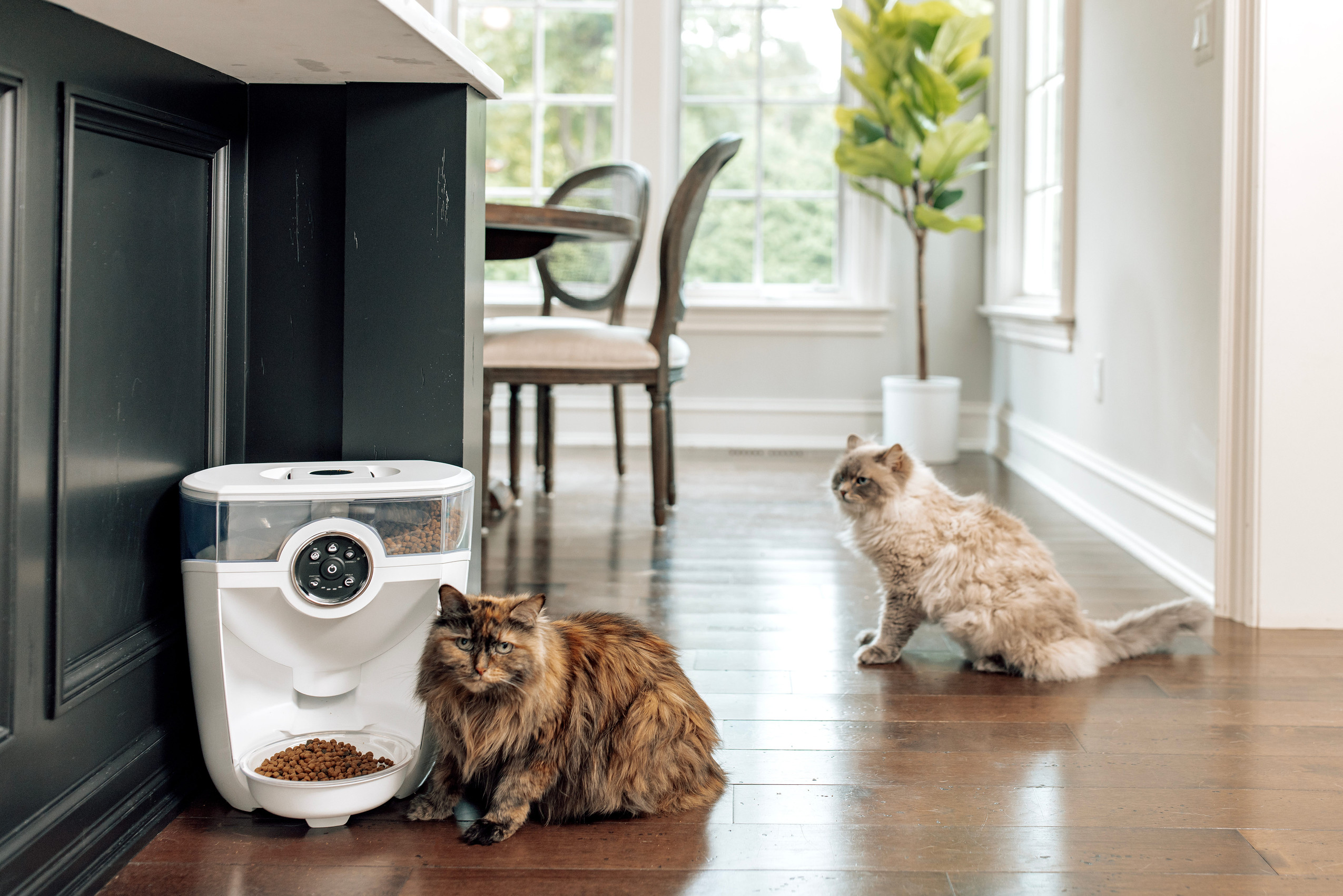
Credit: www.litter-robot.com
Organizing Cat Supplies
Keeping cat supplies organized makes cleaning easier and saves time. Cats need many items like food, toys, and grooming tools. A clutter-free space helps you find things fast. It also keeps cats safe from scattered small objects. Proper storage prevents mess and damage. Organizing supplies creates a calm home for both you and your cats.
Designated Storage Areas
Pick specific spots for all cat items. Use shelves, bins, or baskets to keep things tidy. Label containers for easy access. Store bulk items like cat food in airtight containers. Keep grooming tools in one basket or drawer. A clear place for litter scoop and bags helps maintain order. Consistent storage spots reduce clutter in living areas.
Keeping Toys And Accessories Clean
Regularly clean toys to avoid dirt and germs. Wash soft toys in warm water once a week. Wipe plastic or rubber toys with a damp cloth. Check accessories like collars and harnesses for dirt. Replace broken or worn-out toys to keep cats safe. Clean toys encourage play and prevent bad smells. Store toys in a box or basket when not in use.
Streamlining Feeding Stations
Set up a neat feeding area for your cats. Use trays to catch spilled food and water. Keep bowls in the same place every day. Clean bowls after every meal to stop bacteria build-up. Store dry and wet food in sealed containers nearby. Avoid placing feeding stations near litter boxes. A tidy feeding area helps cats eat calmly and keeps your floor clean.

Credit: www.ikea.com
Frequently Asked Questions
How Do I Control Cat Hair In My Home?
Regular grooming reduces shedding significantly. Use a vacuum with a pet hair attachment. Wash cat bedding weekly to limit hair spread.
What Cleaning Products Are Safe Around Cats?
Use non-toxic, pet-safe cleaners to avoid health risks. Avoid bleach and ammonia. Always ventilate the area well during cleaning.
How Can I Prevent Litter Box Odor Effectively?
Scoop the litter box daily. Use clumping litter for easy cleaning. Change litter completely once a week and clean the box with mild soap.
How Often Should I Clean My Cat’s Toys And Bedding?
Clean toys and bedding weekly to prevent bacteria. Wash bedding in hot water. Wipe toys with pet-safe disinfectant regularly.
Conclusion
Keeping a clean house with cats takes some effort. Regular cleaning helps control hair and odors. Use good tools like vacuum cleaners and lint rollers. Clean litter boxes often to avoid smells and mess. Give your cats toys to reduce scratching furniture.
Remember, patience is key. A tidy home feels good for you and your pets. Small daily habits keep your house fresh and neat. Enjoy a clean space and happy cats together.

Lily Purrington is the founder of MyKittyPicks.com, a cozy corner of the web dedicated to helping cat lovers discover the best cat products, furniture, toys, and home decor ideas.
A lifelong cat enthusiast, Lily shares trusted tips, honest product recommendations, and stylish inspiration designed to keep kitties happy and homes beautiful.
Her mission is simple: to bring together practical advice and purr-fect picks that make life better for cats and the people who love them.


