

Your beloved feline friend has just left its mark on your favorite couch, and you’re probably feeling a mix of frustration and concern. Those pesky claw marks not only mar the beauty of your living room but also serve as a constant reminder of your cat’s mischievous adventures.
But don’t worry—you’re not alone, and there’s hope for restoring your couch to its former glory. In this guide, you’ll discover simple yet effective ways to fix a cat-scratched couch, saving you from the stress of costly replacements or unsightly covers.
Stick around to learn these tried-and-true techniques that will have your couch looking as good as new, and your home feeling like a sanctuary once again.
Credit: www.zezelife.com
Assess The Damage
Before you jump into fixing your cat-scratched couch, take a moment to carefully assess the damage. This step helps you decide the best repair method and avoid making the problem worse. Knowing exactly what you’re dealing with saves time, effort, and money.
Check The Material Type
Different couch materials react differently to scratches. Is your couch leather, fabric, microfiber, or something else? Each material requires a unique approach to repair.
Leather scratches might look deep but can often be treated with special conditioners or leather repair kits. Fabric, on the other hand, may need patching or reweaving if the threads are pulled.
Take a close look or even test a small hidden spot with water or a cleaner to confirm the material type. This simple step can prevent you from using the wrong product and causing more harm.
Identify Scratch Depth
Are the scratches surface-level or have they cut into the material? Light scratches might be smoothed out or masked with minimal effort. Deeper scratches often require filling, patching, or professional help.
Try running your fingernail over the scratch. If it catches, you’re dealing with a deeper cut. If it feels smooth, a gentle fix might work.
Understanding the depth also helps you decide if you can handle the repair yourself or if it’s better to call in an expert. Have you ever tried fixing a deep scratch only to make it look worse? Knowing your limits is key.
Gather Repair Materials
Before you start fixing your cat scratched couch, gathering the right materials is essential. Having everything ready saves time and helps you avoid interruptions. Plus, the right tools and products make the repair look professional and last longer.
Basic Tools Needed
To repair scratches on your couch, you’ll need a few simple tools. These are usually items you might already have at home or can easily buy.
- Soft cloths:For cleaning and applying products without damaging fabric.
- Scissors:To trim any loose threads or fibers around the scratch.
- Sponge or foam brush:Helps spread glue or repair compounds evenly.
- Sandpaper (fine grit):If your couch has wooden parts, this smooths out rough edges.
- Vacuum cleaner:Removes dirt and loose fibers before repair.
Do you have all these at hand? If not, a quick trip to your local store or online shop can get you prepared fast.
Recommended Repair Products
Choosing the right repair products depends on your couch’s material. Fabric, leather, and microfiber each need different care.
- Fabric glue or adhesive:Works well for reattaching loose threads or small tears on fabric couches.
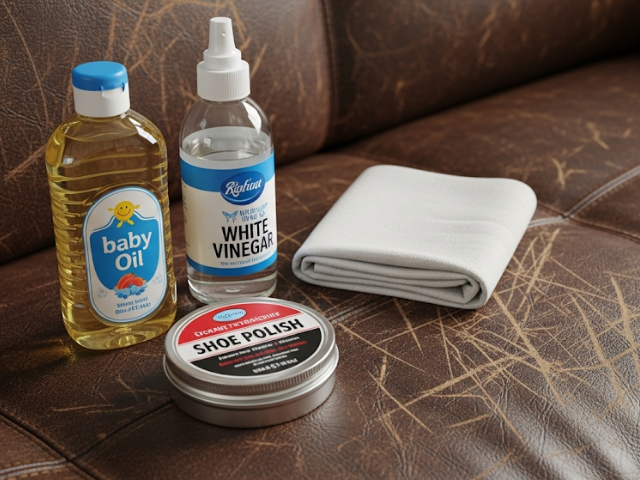
- Leather repair kit:Includes color compounds, fillers, and conditioners specifically for leather couches.
- Fabric patch kits:Great for covering larger holes or deep scratches on fabric upholstery.
- Leather conditioner:Restores softness and prevents further cracking after repair.
- Colored markers or dyes:Help blend repaired areas with the original fabric or leather color.
Have you checked the label on your couch to know the material? Picking the right product prevents damage and keeps your couch looking its best.
Clean The Affected Area
Cleaning the scratched area on your couch is the first key step. Dirt and loose fibers can prevent a good repair. It helps to clear the surface for any glue or patch to stick well. A clean area also shows the true damage, making repairs easier and more effective.
Remove Dirt And Debris
Start by gently brushing the damaged spot with a soft brush or cloth. This removes dust and loose threads. Use a vacuum cleaner with a brush attachment to pick up tiny particles. Avoid wetting the fabric too much as this can cause further damage. For leather couches, wipe the area with a damp cloth and mild soap. Dry the spot fully with a clean towel.
Prepare Surface For Repair
Check the scratch to see if any fabric is raised or torn. Trim any loose threads carefully using small scissors. Lightly sand rough edges on leather with fine sandpaper to smooth the surface. Make sure the area is dry and free of oils or cleaners. A clean, dry surface helps glue or filler stick better. This preparation step improves the final look of your repair.

Credit: www.reddit.com
Repair Fabric Couches
Repairing a fabric couch after your cat has left its mark might seem daunting, but it’s definitely manageable with the right approach. Small scratches and tears don’t have to mean the end of your favorite sofa. You can restore its look and feel by carefully addressing the damage with simple tools and materials.
Use Fabric Glue Or Patches
If the scratch on your couch has caused the fabric to loosen or small sections to fray, fabric glue can be a lifesaver. Apply a thin layer of glue under the torn edges and press them together gently. Hold the fabric in place until the glue sets, usually a few minutes, and the tear will blend back into the couch.
For larger scratches, consider using fabric patches that match your couch’s color and texture. Cut the patch slightly bigger than the damaged area and glue it underneath or on top of the tear, depending on the damage. This method not only hides the scratch but also strengthens the weakened fabric around it.
Sew Small Tears
Sometimes glue and patches aren’t enough, especially if the fabric is torn apart rather than just scratched. Sewing small tears can provide a neat, durable fix. Use a needle and thread that closely matches your couch fabric to make tiny, tight stitches along the tear.
You don’t need to be an expert sewer for this. Even simple whip stitches can hold the fabric together well. Keep your stitches close and consistent, and be careful not to pull too tight, which could pucker the fabric and make the repair obvious.
Have you checked your couch’s fabric care tag? Some fabrics handle glue or sewing better than others. Trying a small hidden spot first can save you from making the damage worse.
Fix Leather Couches
Leather couches can get scratched by cats easily. These scratches spoil the smooth and shiny look of the leather. Fixing them quickly helps keep your couch looking new. You can repair small scratches and tears at home with simple tools. Using the right products will make the repair less visible and protect the leather from more damage.
Apply Leather Filler
Leather filler works well for small scratches and tears. It fills in the damaged area to create a smooth surface. First, clean the scratched spot with a soft cloth and mild soap. Let it dry completely. Apply the leather filler with a spatula or your finger. Spread it evenly and fill the scratch fully. Wait for the filler to dry, usually about 30 minutes. After drying, gently sand the area with fine sandpaper for a smooth finish. Finally, apply a leather conditioner to keep the area soft and flexible.
Use Leather Repair Kits
Leather repair kits come with everything needed for quick fixes. They usually include filler, adhesive, color compounds, and tools. Clean the scratched area before starting. Follow the kit instructions to apply the adhesive or filler. Blend the color compound to match your couch’s shade. Use a sponge or brush to apply the color evenly. Let each layer dry before adding another. These kits help hide scratches and restore the leather’s look. They work best on small to medium damage.
Prevent Future Scratches
Preventing future scratches on your couch saves time and money. Cats scratch to mark territory and to keep their claws sharp. Protecting your furniture helps keep your home neat and your cat happy. Simple changes in your living space can reduce couch damage significantly.
Use Couch Covers
Couch covers act as a shield against cat scratches. Choose covers made from durable fabrics like microfiber or leather. These materials resist claw marks better than regular upholstery. Covers are easy to remove and clean, keeping your couch fresh. They also help hide any small scratches already on the couch. Using covers is a cost-effective way to extend your furniture’s life.
Provide Cat Scratching Alternatives
Offer your cat places to scratch other than the couch. Scratching posts and pads attract cats to use them instead. Place these alternatives near the couch or where your cat likes to scratch. Use catnip or toys to make scratching posts more appealing. Regularly trim your cat’s nails to reduce damage. Encouraging proper scratching behavior protects your furniture and satisfies your cat’s needs.
Maintain Couch Appearance
Maintaining your couch’s appearance keeps it fresh and inviting. Regular care prevents small scratches from turning into bigger damage. It also extends the life of your furniture. Simple habits make a big difference in how your couch looks over time.
Regular Cleaning Tips
Clean your couch often to remove dust and dirt. Use a soft brush or vacuum with an upholstery attachment. This prevents dirt from settling into the fabric or leather.
- Spot clean spills immediately with a damp cloth.
- Test cleaning products on a hidden area first.
- Avoid harsh chemicals that can damage the material.
- Use gentle, circular motions to clean stains.
Keep pets’ nails trimmed to reduce scratches. Place a blanket or cover over areas where cats like to scratch.
Routine Fabric Or Leather Care
Fabric and leather need different care routines. For fabric couches, use fabric protectors to repel stains. For leather couches, apply leather conditioner regularly to keep it soft and prevent cracks.
- Brush fabric gently to lift dirt and maintain texture.
- Use a damp cloth to wipe leather clean.
- Condition leather every 3-6 months to keep it supple.
- Keep fabric and leather away from direct sunlight to prevent fading.
Proper care keeps your couch looking like new for years. Small daily actions protect your investment and comfort.

Credit: www.reddit.com
Frequently Asked Questions
How Can I Repair Minor Cat Scratches On My Couch?
Use a fabric shaver or fine sandpaper to smooth scratches. Apply fabric glue or upholstery patch for deep damage. Let it dry fully and use a matching fabric marker to blend the repair.
What Household Items Fix A Cat-scratched Couch Effectively?
Use a mixture of water and vinegar to clean scratches. Apply clear nail polish or fabric glue for minor repairs. Cover with a slipcover or throw to protect the couch.
How Do I Prevent My Cat From Scratching The Couch?
Provide scratching posts and regularly trim your cat’s nails. Use deterrent sprays and cover couch corners with protective tape. Reward your cat for using appropriate scratching areas.
Can I Use Furniture Polish On Scratched Couch Fabric?
Furniture polish is not recommended for fabric scratches. It may stain or damage upholstery further. Use fabric-specific repair kits or consult a professional for best results.
Conclusion
Fixing a cat scratched couch is easier than you think. Small repairs can make your couch look new again. Use simple tools and materials you already have. Act quickly to stop damage from getting worse. Protect your furniture to keep it safe from future scratches.
Patience and care will bring good results. Enjoy your cozy, scratch-free couch once more. Your home will feel neat and welcoming again. Keep your cat happy with toys and scratching posts nearby.

Lily Purrington is the founder of MyKittyPicks.com, a cozy corner of the web dedicated to helping cat lovers discover the best cat products, furniture, toys, and home decor ideas.
A lifelong cat enthusiast, Lily shares trusted tips, honest product recommendations, and stylish inspiration designed to keep kitties happy and homes beautiful.
Her mission is simple: to bring together practical advice and purr-fect picks that make life better for cats and the people who love them.


