

Have you ever wondered just how many breeds of cats exist in the world? If you’re a cat lover or considering adding a feline friend to your family, this question has likely crossed your mind.
Cats, with their diverse looks and personalities, captivate us in endless ways. Some charm with their fluffy fur, while others win hearts with their playful antics. But what about their breeds? Knowing the variety of breeds not only helps in choosing the right cat for you but also deepens your appreciation for these unique creatures.
You’ll discover fascinating insights into the world of cat breeds and why each one is special. Get ready to be amazed by the vast array of feline beauty and charm.
Feline Evolution
Cats have fascinated humans for thousands of years. Their evolution is a captivating journey. From wild hunters to beloved pets, their story unfolds through time. Understanding feline evolution helps us appreciate the diversity of cat breeds today.
Origins Of Domestic Cats
Domestic cats originate from wild felines in Africa and Asia. Ancient Egyptians revered these creatures for their hunting skills. They domesticated them to control pests. This relationship formed over 4,000 years ago. Cats were soon found in homes worldwide. Their adaptability aided their spread to different regions.
Natural Selection And Breed Development
Natural selection played a key role in cat breed development. Cats adapted to various environments. Climate and terrain influenced their physical traits. Fur length, color, and body size evolved accordingly. Breeds like the Maine Coon and Siamese emerged over time. Human intervention also shaped many breeds. Selective breeding enhanced specific qualities. Today, we have over 70 recognized cat breeds. Each has its unique characteristics and appeal.

Credit: www.reddit.com
Classification Of Cat Breeds
Cats are fascinating creatures. Their diversity is immense. The classification of cat breeds is a vast and interesting subject. It helps us understand different types of cats. Each breed has unique traits and characteristics. This classification is based on various factors. Pedigree, standardization, and associations play a significant role.
Pedigree Vs. Non-pedigree
A pedigree cat has known ancestry. It’s often registered with a cat association. These cats have documented lineage. They are bred for specific traits. Non-pedigree cats, or mixed-breed cats, are different. They have unknown ancestry. They often have varied appearances and behaviors. Pedigree cats are often more expensive. Non-pedigree cats are more common and accessible.
Standardization By Cat Associations
Cat associations standardize breeds. They set guidelines for each breed. These guidelines include appearance and behavior. They ensure consistency in breeding. Popular associations include CFA and TICA. They recognize different breeds. Each association has its own standards. They help maintain breed purity. Cat shows often follow these standards. This ensures fair judging. Associations play a key role in breed classification.
Popular Cat Breeds
Cats come in a wide variety of breeds, each with unique traits. Some breeds are more popular than others due to their looks and personalities. Understanding these popular breeds helps potential cat owners make informed choices.
Characteristics Of Top Breeds
Siamese cats have sleek bodies and striking blue eyes. Their short coat requires minimal grooming. Maine Coons are large with tufted ears and bushy tails. They have a gentle and friendly nature. Persian cats have long, luxurious fur and round faces. They need regular grooming to prevent tangles.
Temperament And Behavior
Siamese cats are vocal and enjoy social interaction. They often seek attention from their owners. Maine Coons are gentle giants, known for their playful and loving demeanor. They get along well with children and other pets. Persians are calm and prefer a quiet environment. They are affectionate but enjoy lounging around more than playing.
Rare And Exotic Breeds
Have you ever found yourself mesmerized by a cat that looks unlike any you’ve ever seen? The world of rare and exotic cat breeds is a fascinating realm that captivates many cat lovers. These breeds often boast distinct traits and captivating histories. Whether it’s their unique appearance or intriguing behaviors, rare cats add a touch of mystery and allure to the feline world. But what defines these rare breeds, and what challenges do breeders face in nurturing them?
Unique Traits Of Exotic Breeds
Exotic breeds like the Bengal or the Sphynx are instantly recognizable due to their striking features. The Bengal, with its leopard-like spots, is a showstopper. This breed is known for its high energy and playful nature. It’s a great choice if you want a cat that loves to interact.
The Sphynx, on the other hand, is hairless, which gives it a unique appeal. While some might think this breed requires less grooming, it actually demands frequent baths to maintain skin health. If you’re looking for a cat with an affectionate personality, the Sphynx might win your heart.
These breeds often have characteristics that set them apart, like unusual colors, patterns, or behaviors. Have you ever considered what it might be like to live with a Savannah cat? Known for its tall, slender build and wild appearance, this breed can give you the feeling of sharing your home with a mini cheetah.
Challenges In Breeding Rare Cats
Breeding rare cats comes with its own set of hurdles. These cats often have a limited gene pool, which can lead to genetic issues. Breeders must be vigilant about health screenings to ensure the well-being of the kittens.
Maintaining breed standards while avoiding health problems is a delicate balance. It’s not just about aesthetics; it’s also about ensuring the cats lead healthy lives. Have you ever thought about the dedication breeders must have to overcome these obstacles?
Another challenge is the demand for these exotic breeds, which sometimes leads to unethical breeding practices. As a potential owner, you should always seek responsible breeders who prioritize the health and happiness of their cats over profit.
Would you be prepared to invest the time and resources to care for a rare breed? Owning an exotic cat can be a rewarding experience, but it requires commitment. It’s worth considering the implications before bringing one into your life.
Hybrid Breeds
Hybrid breeds of cats are fascinating because they blend the traits of different feline species, creating unique and often striking animals. These breeds emerge from intentional crossbreeding practices and sometimes result in unexpected combinations. As you explore the world of hybrid breeds, you’ll encounter a mix of beauty and controversy, raising important questions about ethics and animal welfare.
Crossbreeding Practices
Crossbreeding is a practice used to combine desirable traits from different cat breeds. Breeders aim to create cats with specific appearances, temperaments, or health benefits. For example, the Bengal cat is a hybrid between a domestic cat and the Asian leopard cat, celebrated for its exotic appearance.
While crossbreeding can be fascinating, it’s essential to consider the complexities involved. Breeding two different species isn’t always straightforward and requires careful selection to ensure compatibility. Have you ever wondered how breeders select parent cats and ensure healthy offspring?
Controversies And Ethical Concerns
The practice of crossbreeding is not without its controversies. Some animal welfare advocates argue that hybrid breeds can face health issues due to their mixed genetics. Additionally, the process can sometimes lead to ethical dilemmas regarding the treatment and care of the animals involved.
Think about the implications of breeding animals primarily for aesthetic purposes. Are the benefits of creating a beautiful hybrid cat worth the potential health risks? Your perspective on this issue can shape the future of hybrid breeding practices.
Ultimately, hybrid breeds offer an intriguing look into the world of feline genetics. The beauty and uniqueness of these cats are undeniable, but they come with responsibilities. As a cat lover, understanding the practices and ethical concerns helps you make informed decisions about hybrid breeds.
Regional Variations
Cats are beloved companions across the globe. Their breeds vary widely. These variations often depend on the region they originate from. Regional differences influence their appearance, behavior, and characteristics. Let’s explore how geography shapes cat breeds.
Breeds By Continent
Asia offers unique breeds like the Siamese and Japanese Bobtail. These cats have distinct features. Europe boasts the elegant Russian Blue and robust British Shorthair. Each has a rich history. In Africa, the Egyptian Mau stands out. It is known for its agility and spotted coat. North America developed breeds like the Maine Coon. It is famous for its large size and fluffy tail. South America has the lesser-known Brazilian Shorthair. Australia, meanwhile, is home to the Australian Mist. This breed is adored for its gentle nature.
Cultural Influence On Breed Development
Cultures impact cat breeds significantly. Ancient Egyptians revered cats. This influenced breeds like the Egyptian Mau. In Japan, cats symbolize good luck. This shaped breeds like the Japanese Bobtail. British culture favored calm and friendly cats. The British Shorthair reflects these traits. Native American tribes valued hunting skills. The Maine Coon developed with these abilities. Brazilian culture appreciates adaptable pets. The Brazilian Shorthair fits this need. Australian culture celebrates easygoing animals. The Australian Mist is a perfect example.
Recognizing Breed Standards
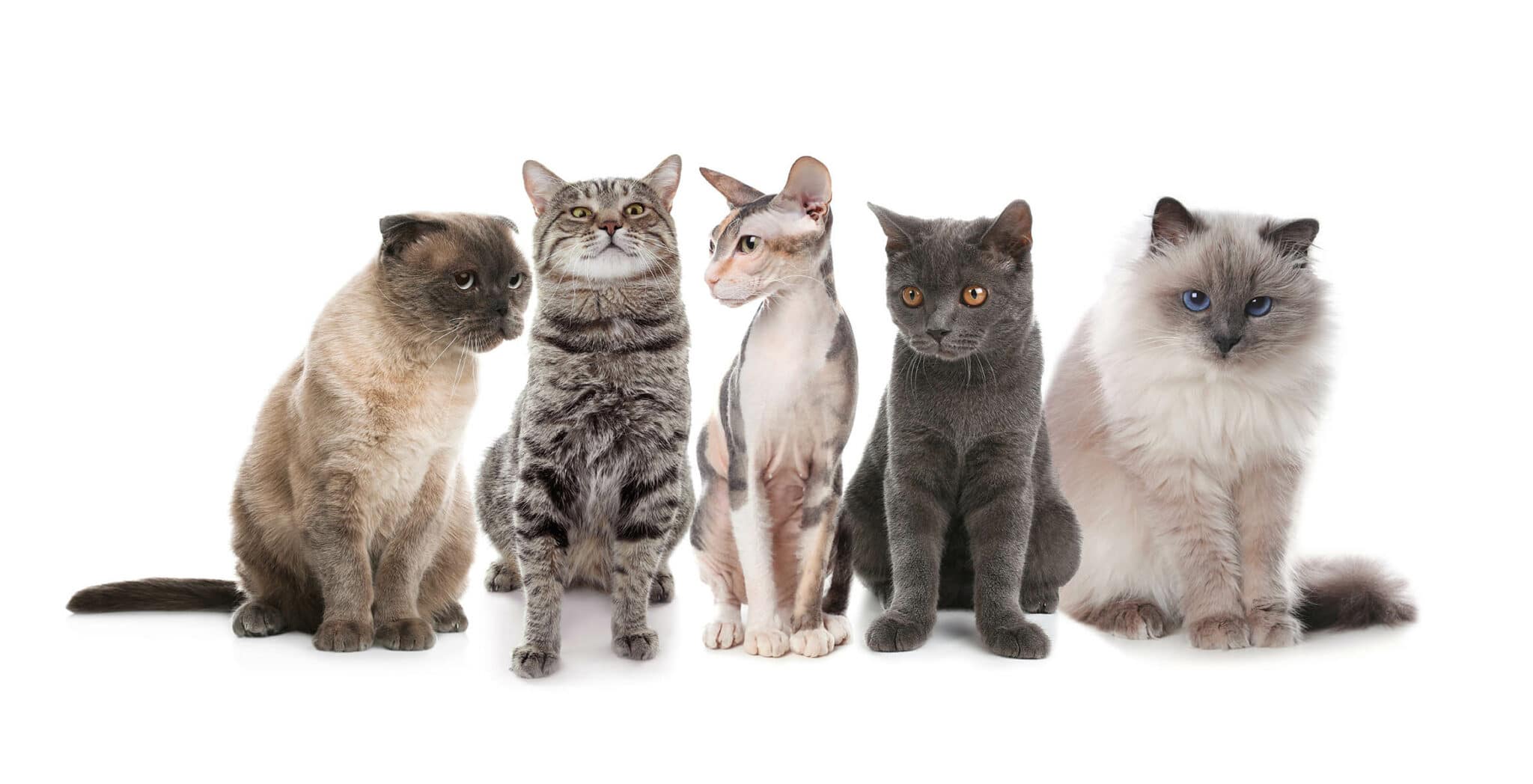
Over 70 cat breeds are recognized worldwide, each with unique features and traits. Breed standards guide these classifications, ensuring consistency in appearance and behavior. These standards help cat enthusiasts and breeders understand the distinct characteristics of each breed.
Recognizing breed standards helps you appreciate the diversity and uniqueness of each cat breed. With over 70 recognized cat breeds globally, distinguishing between them can be fascinating yet complex. Understanding breed standards means looking into specific physical characteristics and behavioral traits that define each breed. These standards are what make each breed special and help breeders maintain consistency.Physical Characteristics
Physical characteristics are the most noticeable aspects of a cat’s breed. They include size, color, fur type, and body shape. For example, the Maine Coon is known for its large size and fluffy tail. On the other hand, the Siamese is recognized for its sleek, slender body and striking blue eyes. Consider how the Scottish Fold’s distinctive folded ears make it stand out. These physical traits are not just about aesthetics; they are essential for identifying and categorizing breeds. You might wonder why some breeds have unique features. Breeders focus on maintaining these traits to ensure the breed’s purity. This dedication keeps the breed standards intact.Behavioral Traits
Behavioral traits are as crucial as physical characteristics in recognizing breed standards. Each breed comes with its own set of behaviors and personalities. For instance, the playful and energetic nature of Abyssinians contrasts with the calm and laid-back demeanor of Persians. Imagine your home filled with the chatter of a vocal Siamese. Their talkative nature is part of what defines the breed. In contrast, the Ragdoll’s gentle and affectionate behavior makes them ideal lap cats. Knowing these behavioral traits helps you choose a breed that fits your lifestyle. Are you ready for a lively playmate, or do you prefer a cuddly companion? Understanding these traits can guide you to the perfect feline friend. Next time you see a cat, think about its breed and the standards it represents. How does it fit into the world of diverse cat breeds? Recognizing these standards can deepen your appreciation for these fascinating creatures.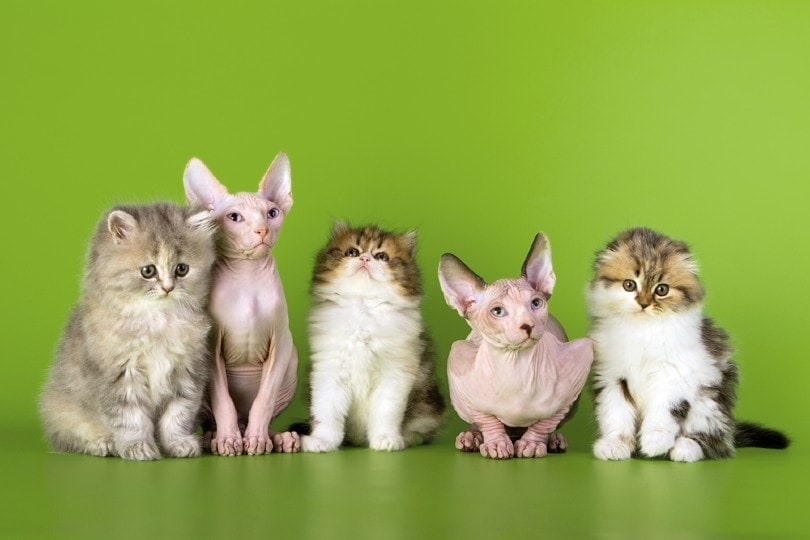
Credit: articles.hepper.com
Future Of Cat Breeds
The future of cat breeds is an intriguing subject. As our understanding of genetics expands, new possibilities for feline breeds emerge. Breeders and scientists are working together to explore these possibilities. This collaboration could change the landscape of cat breeding.
Trends In Breeding Practices
Breeding practices are evolving rapidly. Breeders focus on creating healthier cats. They aim to reduce genetic disorders. Selective breeding is key to achieving this goal. Ethical considerations are also shaping breeding choices. Breeders prioritize the welfare of cats. They ensure all breeds have a good quality of life.
Impact Of Genetic Research
Genetic research is transforming cat breeding. Scientists study the DNA of cats. They identify genes linked to health issues. This research helps breeders make informed decisions. Genetic insights lead to healthier breeds. New technologies in genetics continue to emerge. These advances promise a brighter future for cats.
Credit: www.catster.com
Frequently Asked Questions
How Many Cat Breeds Exist Worldwide?
There are about 73 cat breeds globally, recognized by various feline organizations. Each breed has unique characteristics, appearances, and temperaments. Popular organizations include The International Cat Association (TICA) and the Cat Fanciers’ Association (CFA). New breeds are occasionally developed, adding to the diversity of domestic cats.
What Is The Rarest Cat Breed?
The rarest cat breed is the Sokoke, originating from Kenya. It is known for its unique coat pattern and playful nature. Despite its rarity, it has a loyal following among enthusiasts. Preservation efforts are ongoing to maintain this breed’s lineage.
Which Cat Breed Is The Most Popular?
The Persian cat is the most popular breed due to its gentle nature and luxurious coat. Persians have a sweet personality and adapt well to indoor living. They require regular grooming to maintain their appearance. Their popularity spans across many countries globally.
Are There Hypoallergenic Cat Breeds?
Some cat breeds are considered hypoallergenic, like the Siberian and Balinese. These breeds produce fewer allergens compared to others. However, no cat is completely free of allergens. Individuals with allergies may tolerate these breeds better than others.
Conclusion
Exploring cat breeds opens a world of wonder and diversity. Over 70 recognized breeds each have unique traits and personalities. From fluffy Persians to sleek Siamese, there’s a cat for everyone. Breeds vary in size, color, and temperament. Understanding these differences helps in choosing the perfect feline friend.
Whether you prefer a playful companion or a quiet lap cat, the choices are vast. Researching breeds ensures a good match for your lifestyle. Embrace this journey of discovery. Cats enrich our lives with love and joy. Find your perfect purring partner today.
The world of cats awaits!

Lily Purrington is the founder of MyKittyPicks.com, a cozy corner of the web dedicated to helping cat lovers discover the best cat products, furniture, toys, and home decor ideas.
A lifelong cat enthusiast, Lily shares trusted tips, honest product recommendations, and stylish inspiration designed to keep kitties happy and homes beautiful.
Her mission is simple: to bring together practical advice and purr-fect picks that make life better for cats and the people who love them.


