
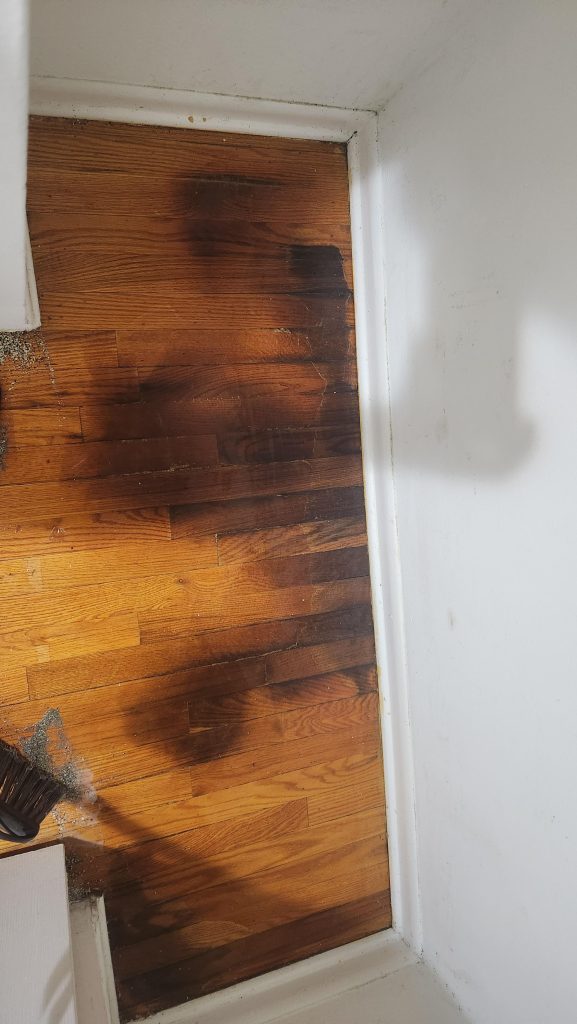
If you’ve ever dealt with cat urine on your wooden floors or furniture, you know how stubborn that smell can be. It’s not just unpleasant—it can linger for days, even weeks, making your home feel less fresh and welcoming.
You might have tried wiping it up quickly, but the odor still sticks around. Don’t worry, you’re not alone, and there are effective ways to tackle this problem for good. You’ll discover simple, practical steps to completely get rid of that stubborn cat urine smell from your wood surfaces.
Keep reading, and you’ll learn how to restore your home’s clean, fresh scent faster than you think.
Causes Of Cat Urine Odor On Wood
Cat urine odor on wood can be stubborn and unpleasant. Understanding why this smell sticks around helps you tackle it better. It’s not just about the surface; the wood itself plays a big role in holding onto that scent.
Why Wood Absorbs Urine
Wood is naturally porous, which means it has tiny holes and fibers that soak up liquids quickly. When your cat urinates on a wooden floor or furniture, the urine seeps deep into these pores. This makes the smell hard to remove because it’s trapped inside the wood, not just sitting on top.
Think about how a sponge works—wood acts similarly by soaking in moisture. The urine’s ammonia and other compounds linger inside, causing the strong odor. If you’ve ever noticed that no amount of surface cleaning helps, it’s because the smell is inside the wood itself.
Common Wood Types Affected
Some types of wood absorb urine more readily than others. Softwoods like pine and fir are especially prone to soaking up liquids because they have larger pores. Hardwood species such as oak and maple tend to be denser, but they aren’t completely immune.
- Pine:Highly porous and common in flooring and furniture, pine easily traps urine.
- Oak:Dense but with grain patterns that can still absorb liquid if untreated.
- Maple:Hard and smooth, yet still vulnerable if the finish is worn down.
- Cedar:Naturally aromatic but can hold urine smell if not sealed properly.
Have you checked what type of wood your floors or furniture are made of? Knowing this can help you pick the right cleaning method to fight that persistent urine smell.
Initial Cleaning Steps
Dealing with cat urine on wood can feel overwhelming, but starting with the right cleaning steps makes a huge difference. The key is to act quickly and carefully to prevent the smell from setting deep into the wood. Let’s look at what you should do first to tackle the odor effectively.
Blotting Fresh Urine
The moment you notice fresh cat urine on wood, grab some paper towels or a clean cloth. Gently blot the area—don’t rub—so you avoid pushing the liquid deeper into the wood grain. Press down firmly to soak up as much moisture as possible.
Once the initial blotting is done, replace the towels with dry ones and keep pressing until no more liquid transfers. This simple step can save you hours of extra cleaning later. Have you ever tried scrubbing right away and noticed the stain getting worse? That’s why blotting is crucial.
Avoiding Common Mistakes
Many people make the mistake of using harsh cleaners or scrubbing aggressively, which can damage the wood finish and spread the urine further. Avoid ammonia-based products since they smell similar to urine and might encourage your cat to mark the spot again.
Another pitfall is ignoring the odor once the stain seems invisible. Cat urine can seep into tiny cracks and wood pores, lingering for months if not treated properly. Don’t rush to cover it with rugs or furniture before the area is completely dry and odor-free.
Have you ever wondered why some cleaning attempts don’t work? It’s often these small errors that make removal difficult. Taking care at this stage sets the foundation for successful odor elimination.
Homemade Cleaning Solutions
Natural cleaning solutions like vinegar and baking soda help remove cat urine smell from wood. Blot the area, apply the solution, then let it dry for fresh wood. Using gentle homemade cleaners protects wood without harsh chemicals.
Getting rid of cat urine smell from wood can be a challenging task, but homemade cleaning solutions offer effective and eco-friendly options. These DIY remedies are not only budget-friendly, but they’re also easy to make with ingredients you likely have at home. Why spend on expensive cleaners when you can create powerful solutions yourself?Vinegar And Water Mix
A vinegar and water mix is a classic solution known for its effectiveness. Combine equal parts of white vinegar and water in a spray bottle. Spray this mixture generously on the affected area. Vinegar’s natural acidity helps neutralize the ammonia in cat urine. Allow the solution to sit for about 10-15 minutes, then wipe it off with a clean cloth. You might be surprised how this simple mix can transform your wood’s scent.Baking Soda Applications
Baking soda is another household staple that works wonders on lingering odors. Sprinkle a generous amount of baking soda over the urine-stained wood. Let it sit for several hours or overnight if possible. The baking soda will absorb the smell while also serving as a gentle abrasive to lift stains. Use a vacuum cleaner or a dry cloth to remove the powder. Have you ever thought something so simple could be so effective? These homemade cleaning solutions not only help maintain a fresh-smelling home but also empower you with practical, sustainable cleaning methods. Why not give them a try and see the difference for yourself?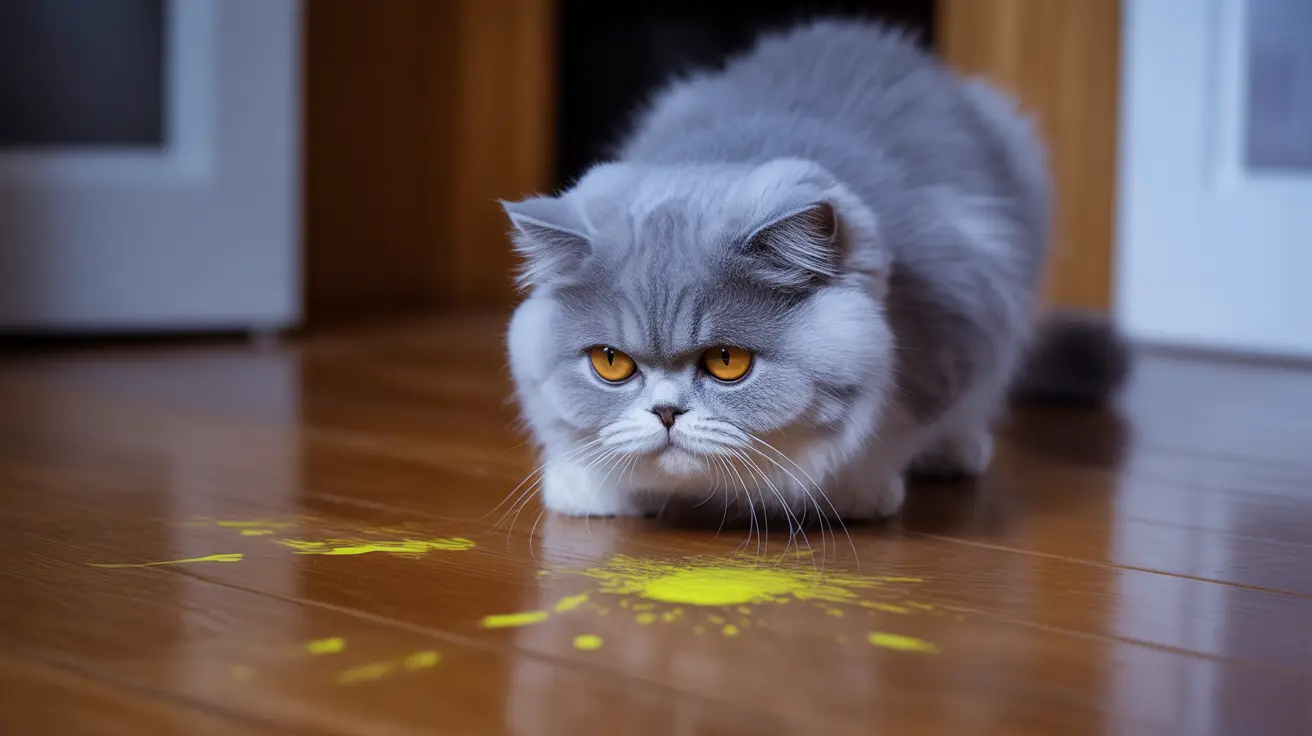
Credit: www.petscare.com
Commercial Products For Odor Removal
Commercial products offer a practical way to remove cat urine smell from wood. These products target the odor deeply embedded in the wood fibers. They can save time and effort compared to home remedies. Many are designed specifically for pet urine, ensuring effective odor control.
Enzymatic Cleaners
Enzymatic cleaners use natural enzymes to break down urine molecules. These enzymes digest the proteins and bacteria causing the smell. They work well on porous surfaces like wood. Applying an enzymatic cleaner helps remove stains and odor completely. Follow the instructions carefully for best results. These cleaners often require some time to sit and work.
Odor Neutralizers
Odor neutralizers do not mask the smell but neutralize it chemically. They can come in sprays, gels, or powders. These products alter the odor molecules to stop the smell. Some neutralizers also add a fresh scent after treatment. Choose a neutralizer safe for wood surfaces. Regular use may be needed for strong or old odors.
Deep Cleaning Techniques
Getting cat urine smell out of wood can be tough, especially when the odor has soaked deep into the material. Surface cleaning often isn’t enough to fully eliminate the smell. Deep cleaning techniques target the problem right at the source, helping restore your wood’s freshness and prevent lingering odors.
Sanding The Wood Surface
Sanding is a powerful way to remove the top layers of wood that hold the urine odor. Use fine-grit sandpaper to gently sand the affected area until you reach fresh, clean wood underneath. This removes the stained and odor-infused wood fibers that simple cleaning can’t reach.
After sanding, wipe away dust with a damp cloth and let the wood dry completely. Be careful not to sand too aggressively, or you could damage the wood’s finish and texture. Have you noticed how much better your wood looks and smells after a careful sanding? It’s a surprisingly effective step.
Using Wood Sealants
Once you’ve sanded and cleaned the wood, applying a wood sealant locks in any remaining odor and prevents future stains. Sealants create a protective barrier that stops moisture and smells from penetrating the wood again. Choose a sealant designed for indoor wood surfaces to maintain the wood’s natural appearance.
Apply the sealant evenly with a brush and allow it to dry fully before using the area again. This step is essential to keep your wood looking good and smelling fresh for the long term. Do you think sealing could be the final piece in your wood odor-removal puzzle?
Preventing Future Urine Odors
Stopping cat urine smell from coming back is just as important as cleaning it. Taking steps to prevent future accidents helps keep your wood floors fresh and odor-free. Small actions can make a big difference in keeping your home clean and comfortable.
Training Your Cat
Teaching your cat where to go is key to avoiding urine smells on wood. Start by providing a clean litter box in a quiet spot. Cats like privacy and a tidy area.
Use positive rewards like treats and praise when your cat uses the litter box correctly. Avoid punishment, as it can cause stress and worsen behavior.
Watch for signs your cat needs to go. Place them gently in the litter box if you see them sniffing or scratching floors. Consistency builds good habits.
Protective Wood Treatments
Applying a protective finish on wood can block urine from soaking in. Look for sealants made for hardwood floors or furniture. These create a barrier that stops stains and odors.
Regularly reapply treatments to keep protection strong. Clean spills quickly to prevent damage. This helps maintain the wood’s look and smell.
Using mats or rugs in areas your cat likes can also protect wood surfaces. These are easy to clean and reduce the chance of accidents reaching the wood.
When To Call A Professional
Sometimes, home remedies are not enough to remove cat urine smell from wood. The smell can linger despite cleaning efforts. At this point, calling a professional is the best choice. Experts have special tools and cleaners that reach deep into the wood pores.
Professionals also know how to handle delicate wood surfaces without causing damage. They can assess the situation and suggest the right treatment. Here are the signs that it is time to get expert help.
Severe Odor Cases
Strong, persistent odors that do not fade after cleaning need professional attention. The smell may come from urine soaked deep inside the wood. Simple cleaning often misses these hidden spots. Experts use advanced products that neutralize odors completely. They also identify all affected areas to prevent the smell from returning.
Wood Damage Repair
Urine can cause stains, warping, or soft spots in the wood. Damage might worsen if left untreated. Professionals can fix this damage with sanding, sealing, or replacing parts. They restore the wood’s look and strength. Repair work ensures the floor or furniture lasts longer and looks better.

Credit: floorsanding.co.uk

Credit: smart.dhgate.com
Frequently Asked Questions
How To Remove Cat Urine Smell From Wood Naturally?
Use a mixture of white vinegar and water to clean the wood. Vinegar neutralizes odors and breaks down urine acids. Apply the solution, let it sit for 10 minutes, then wipe dry. Repeat if necessary for stronger smells.
Can Baking Soda Eliminate Cat Urine Odor On Wood?
Yes, baking soda absorbs odors effectively. Sprinkle it on the affected wood, leave it overnight, then vacuum or wipe it off. For tough stains, combine baking soda with vinegar to boost cleaning power and neutralize the smell.
Is Enzymatic Cleaner Safe For Wood Surfaces?
Enzymatic cleaners are safe and effective for wood. They break down urine proteins that cause odors without damaging wood finish. Apply as directed, allow it to work, then wipe clean. Always test on a small area first.
How Long Does Cat Urine Smell Last On Wood?
Cat urine smell can last weeks or months on wood if untreated. The urine seeps deep into the wood grain, making odor removal challenging. Early and proper cleaning helps prevent long-lasting smells.
Conclusion
Removing cat urine smell from wood takes patience and the right steps. Act quickly to prevent stains and odors from setting. Use gentle cleaners made for wood surfaces. Avoid harsh chemicals that can damage the finish. Repeat cleaning if the smell lingers after the first try.
Keep your cat’s litter box clean to stop future accidents. With care and attention, your wood can smell fresh again. Small efforts make a big difference in your home’s comfort. Don’t give up—your wood will look and smell better soon.

Lily Purrington is the founder of MyKittyPicks.com, a cozy corner of the web dedicated to helping cat lovers discover the best cat products, furniture, toys, and home decor ideas.
A lifelong cat enthusiast, Lily shares trusted tips, honest product recommendations, and stylish inspiration designed to keep kitties happy and homes beautiful.
Her mission is simple: to bring together practical advice and purr-fect picks that make life better for cats and the people who love them.


