

Have you ever wondered just how big Big Cat Rescue really is? If you love animals, especially majestic big cats, this place might be on your radar.
But size isn’t just about acres or numbers—it’s about impact, care, and dedication. You’ll discover what makes Big Cat Rescue stand out and why it matters so much to you and the world of wildlife. Keep reading to find out just how large and influential this sanctuary truly is.
Big Cat Rescue Location
Big Cat Rescue's location plays a crucial role in its mission to provide a safe haven for exotic cats. Nestled in a unique setting, the sanctuary offers a peaceful environment for both animals and visitors. Understanding where it is and what surrounds it helps you appreciate the sanctuary’s scale and accessibility.
Geographic Setting
Big Cat Rescue is located in Tampa, Florida, an area known for its warm climate and diverse wildlife. The sanctuary sits on approximately 67 acres of land, providing ample space for large enclosures and natural habitats. This size allows the cats to roam in environments that closely mimic their wild homes.
Being in Florida means the sanctuary benefits from year-round mild weather, which is ideal for the well-being of the animals. The land includes wooded areas, open fields, and ponds, creating a rich and varied landscape. Have you ever thought about how the environment affects animal behavior and comfort?
Accessibility And Surroundings
Big Cat Rescue is easily accessible from major highways, making it convenient for visitors coming from Tampa and surrounding areas. The sanctuary’s proximity to the city means you can plan a day trip without extensive travel. Parking is available on-site, and the area is pedestrian-friendly, enhancing your visit experience.
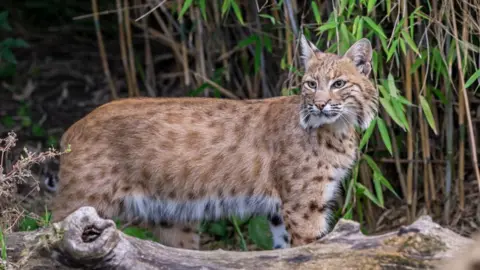
Surrounded by suburban neighborhoods and patches of natural Florida landscape, the location strikes a balance between urban convenience and natural seclusion. This setting helps minimize stress for the cats, as they are shielded from excessive noise and urban chaos. When you visit, you’ll notice how calm and quiet the atmosphere feels despite being close to a bustling city.
Credit: www.bbc.com
Sanctuary Size Details
Big Cat Rescue covers around 67 acres filled with spacious habitats for rescued big cats. This large area helps provide a safe and natural environment for the animals. Visitors can see many species living comfortably within this vast sanctuary.
Sanctuary Size Details Have you ever wondered how much space is needed to create a haven for big cats? The size of a sanctuary plays a crucial role in ensuring the well-being of its residents. At Big Cat Rescue, the sanctuary’s size is an essential factor in providing a safe and enriching environment for the cats.Total Acreage
Big Cat Rescue spans an impressive 67 acres. This expansive area allows the sanctuary to house a variety of big cats, each with their own spacious enclosures. With plenty of room to roam, these majestic creatures can enjoy a more natural and fulfilling life. Imagine walking through this vast space, surrounded by lush greenery and the sounds of nature. It’s not just about the size but how it enhances the quality of life for these animals.Comparison With Other Sanctuaries
How does Big Cat Rescue measure up to other sanctuaries? Some facilities are as small as 20 acres, while others might spread over 100 acres or more. However, Big Cat Rescue’s 67 acres strike a balance that provides ample space without overwhelming management and care responsibilities. In comparison, smaller sanctuaries might struggle to offer the same level of freedom and enrichment. Larger sanctuaries, although providing more space, might face challenges in maintaining intimate care. When you think about sanctuary size, what matters most is how effectively the space is used. Big Cat Rescue’s thoughtful layout ensures that each cat enjoys a well-designed environment catered to their needs.Habitat And Enclosures
Big Cat Rescue is not just about housing big cats; it’s about creating environments where these majestic animals feel safe and stimulated. The habitat and enclosures are designed with the cats’ natural behaviors in mind. When you visit or learn about Big Cat Rescue, you’ll notice how carefully each space is tailored to meet specific needs.
Types Of Habitats
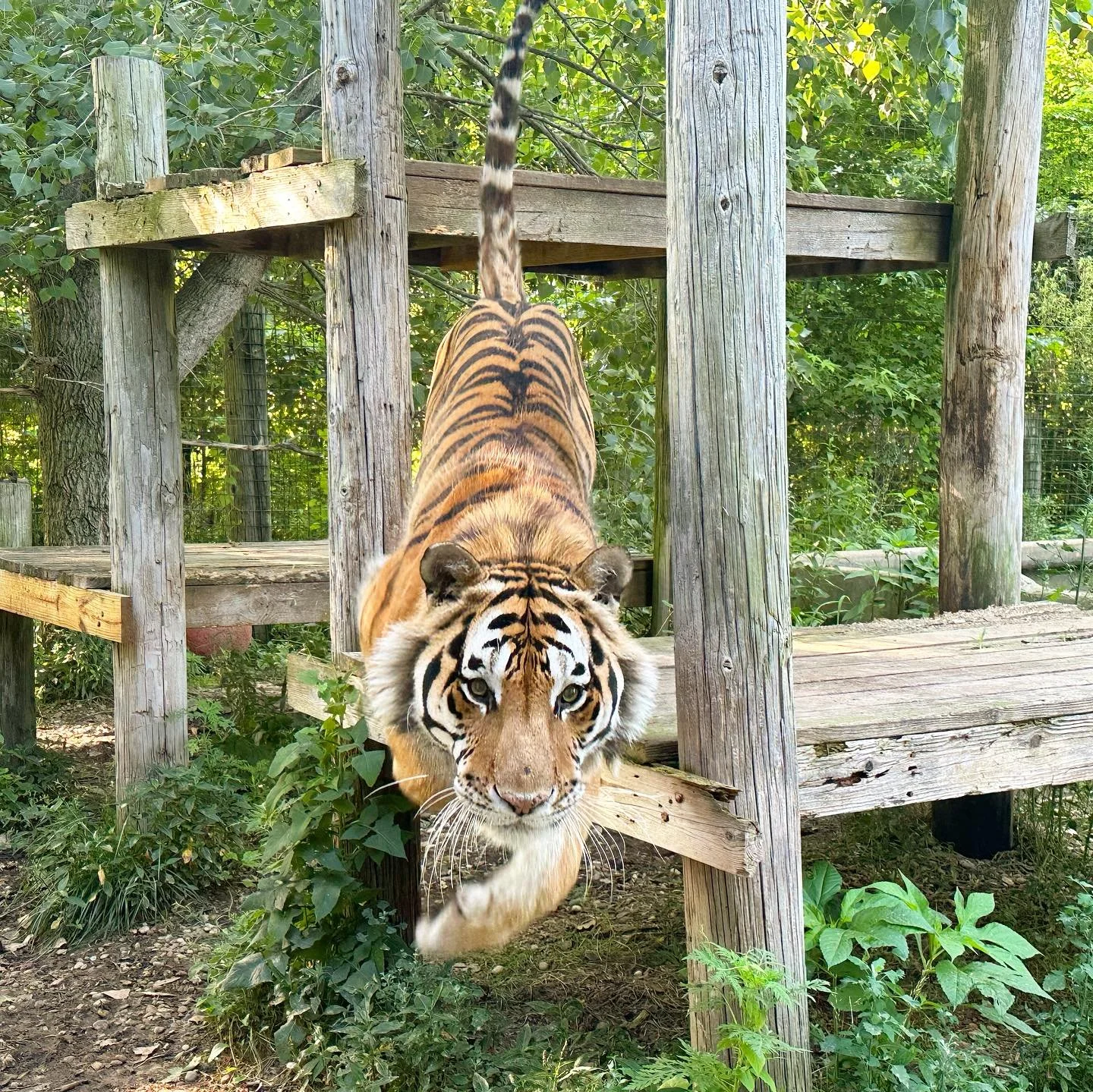
Big Cat Rescue offers a variety of habitats that mimic the natural settings of different big cat species. For example, tigers have access to large pools for swimming, reflecting their love for water. Cougars and bobcats enjoy dense foliage areas that provide cover and climbing opportunities.
Each habitat includes features such as:
- Climbing structures to encourage exercise
- Shaded areas for comfort during hot days
- Natural substrates like grass, dirt, and wood chips
- Enrichment items to keep the cats mentally engaged
These habitats aren’t just cages; they’re thoughtfully designed ecosystems. Have you ever wondered how much environment influences an animal’s wellbeing?
Space Allocation Per Species
Big Cat Rescue carefully considers the space each species requires. Larger cats like lions and tigers typically get more room due to their size and activity levels. Smaller species, such as servals and caracals, have enclosures that allow for quick, agile movements.
| Species | Approximate Space per Animal | Key Features |
|---|---|---|
| Tigers | 3,500 to 5,000 sq ft | Large water pools, dense foliage, climbing platforms |
| Lions | 3,000 to 4,500 sq ft | Open grassy areas, shaded resting spots, elevated viewing |
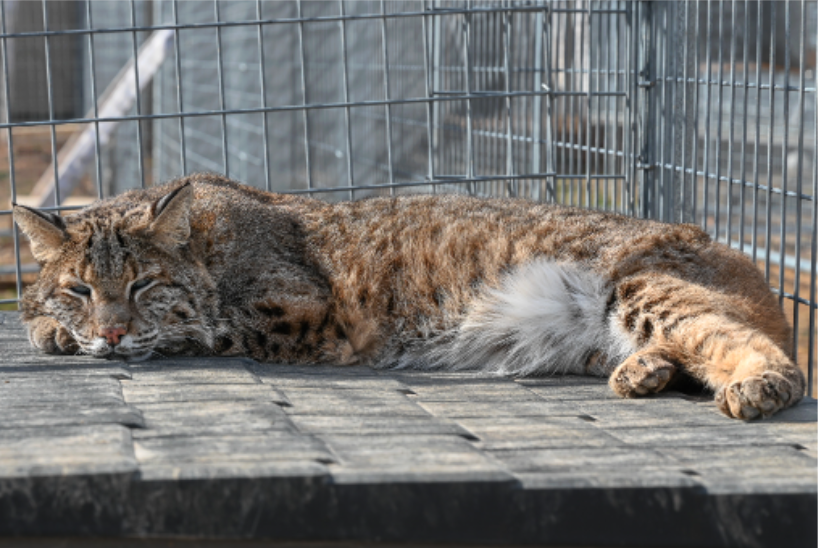
| Bobcats | 500 to 1,000 sq ft | Thick brush, climbing trees, hiding spots |
| Servals | 600 to 900 sq ft | Grasslands, tall grasses, hiding tunnels |
Space matters because it directly affects how the cats behave and feel. If you ever visited Big Cat Rescue, you might notice how the cats move with confidence and curiosity. Could the size and design of their enclosures be the reason they appear more relaxed and engaged?
Credit: efrc.org
Animals Housed At Big Cat Rescue
Big Cat Rescue is more than just a sanctuary; it’s a home to a wide range of big cats rescued from poor conditions. When you visit or read about the animals housed here, you realize the scale and diversity of the facility. Each animal has a story, and their presence offers a chance to learn about big cat conservation and welfare.
Variety Of Big Cats
The sanctuary shelters many species of big cats, not just the typical lions and tigers you might expect. You’ll find:
- Florida panthers
- Leopards
- Bobcats
- Cheetahs
- Mountain lions
- Servals
Each species has unique needs and behaviors, which the rescue staff carefully manage. This variety makes the sanctuary a living classroom for understanding big cat diversity.
Population Statistics
Big Cat Rescue houses around 80 to 100 big cats at any given time. This number can fluctuate due to rescues, releases, and animal care needs. The sanctuary’s commitment means every cat receives personalized attention.
| Species | Approximate Number |
|---|---|
| Tigers | 25 |
| Lions | 20 |
| Leopards | 15 |
| Bobcats | 10 |
| Other Big Cats | 10-15 |
Knowing these numbers, do you see how much space and resources are required to care for these majestic animals? It’s a powerful reminder of the sanctuary’s dedication and the challenge of big cat rescue efforts.
Expansion And Development
Big Cat Rescue has grown far beyond its initial size and scope, reflecting a powerful commitment to animal welfare. Its expansion and development reveal how a dedicated team can transform a small sanctuary into a leading refuge for big cats. This growth not only helps more animals but also educates and inspires visitors from around the world.
Growth Over The Years
The sanctuary started with just a few rescued cats and has expanded to house over 60 big cats today. Over time, new enclosures, medical facilities, and educational centers were added to improve care and visitor experience. Each addition was carefully planned to meet the needs of the cats and to ensure their safety and comfort.
Staff and volunteers grew alongside the sanctuary, bringing more skills and knowledge. This allowed Big Cat Rescue to offer better rehabilitation and enrichment programs. Have you ever thought about how a small idea can turn into a powerful movement with the right support?
Future Plans
Big Cat Rescue continues to plan for the future, focusing on expanding its habitat space and enhancing veterinary care. They aim to add more naturalistic environments that mimic wild habitats, which improve the cats’ quality of life. This shows a clear dedication to not just housing animals, but truly caring for them.
There are also plans to increase educational outreach through virtual tours and interactive programs. This will let you and others learn about big cats without traveling far. What role do you think technology should play in wildlife education and conservation?
Credit: www.turpentinecreek.org
Impact Of Sanctuary Size On Care
The size of a sanctuary like Big Cat Rescue plays a crucial role in the quality of care the animals receive. A larger space can offer more freedom and a natural environment, but it also demands more resources and attention. Understanding this balance helps you appreciate the complexities behind animal welfare in such facilities.
Animal Welfare Benefits
Big Cat Rescue’s vast space allows animals to roam in environments closer to their natural habitats. This freedom reduces stress and encourages natural behaviors like hunting, climbing, and exploring.
Spacious enclosures mean fewer conflicts among animals, which lowers the risk of injury. You might be surprised to learn that larger areas also help in managing different species with specific needs side by side without crowding.
For you as a visitor or supporter, this means the cats appear healthier and more relaxed, which reflects the sanctuary’s commitment to their well-being.
Challenges Of Managing Large Space
Maintaining a large sanctuary isn’t just about size; it’s about constant upkeep and monitoring. You might think more space means easier management, but it often requires more staff, equipment, and time.
Providing consistent food, cleaning large enclosures, and ensuring medical care across a wide area can stretch resources thin. Have you ever wondered how staff track every animal’s health and safety in such a big environment?
Security also becomes a bigger concern. More space means more points to secure against escapes or intrusions, which requires sophisticated systems and vigilance.
Frequently Asked Questions
How Large Is Big Cat Rescue Sanctuary?
Big Cat Rescue spans approximately 67 acres in Tampa, Florida. It houses over 70 rescued big cats. The sanctuary provides spacious habitats mimicking natural environments for the animals’ well-being.
How Many Big Cats Live At Big Cat Rescue?
Big Cat Rescue cares for more than 70 big cats, including lions, tigers, leopards, and bobcats. Each cat receives individualized care and ample space to roam safely.
What Types Of Big Cats Are At Big Cat Rescue?
The sanctuary hosts various species such as lions, tigers, cougars, bobcats, and servals. Each species has dedicated enclosures designed to meet their specific needs.
Can Visitors Tour The Entire Big Cat Rescue Property?
Visitors can tour most of the 67-acre sanctuary on guided tours. Some areas remain off-limits to protect the cats’ privacy and health. Tours emphasize education and conservation.
Conclusion
Big Cat Rescue covers about 67 acres of land. This space allows many big cats to live safely. Visitors get to see a variety of animals. The sanctuary focuses on rescue and care. It offers a peaceful home for its cats.
Each animal has room to roam freely. This size helps provide proper care and attention. Big Cat Rescue remains a vital place for wild cats. It teaches people about these amazing creatures. The sanctuary’s size supports its important mission well.

Lily Purrington is the founder of MyKittyPicks.com, a cozy corner of the web dedicated to helping cat lovers discover the best cat products, furniture, toys, and home decor ideas.
A lifelong cat enthusiast, Lily shares trusted tips, honest product recommendations, and stylish inspiration designed to keep kitties happy and homes beautiful.
Her mission is simple: to bring together practical advice and purr-fect picks that make life better for cats and the people who love them.


