

Have you ever wondered if cat urine can get you high? It sounds strange, but you might have heard rumors or seen curious posts online.
You’re probably asking yourself, “Is there any truth to this? ” or “Could it really affect my brain? ” Understanding what cat urine actually contains and how it interacts with your body is important—not just to satisfy your curiosity, but also to keep you safe.
Keep reading, because we’re about to uncover the facts and clear up the mystery once and for all.
Cat Urine Composition
Understanding what cat urine is made of helps clear up many questions about its effects and why it smells so strong. Cat urine isn’t just liquid waste; it’s a complex mix of chemicals that serve important functions for cats, like marking territory. Knowing its composition can also help you understand why some myths, like whether cat urine can get you high, don’t hold up.
Chemical Components
Cat urine mainly consists of water, but the rest is packed with various chemicals. It contains urea, creatinine, and ammonia, all common in animal waste. The most interesting compounds are pheromones and certain nitrogenous wastes that cats use to communicate.
Some cats have higher levels of a compound called felinine, which breaks down into strong-smelling sulfur compounds. These chemicals are unique to felines and help them leave scent marks. This mix of chemicals is what makes cat urine different from other animals’ urine.
Odor Sources
The strong smell of cat urine mainly comes from ammonia and sulfur-containing compounds. Ammonia forms as bacteria break down urea, creating that sharp, pungent odor. Sulfur compounds, like those derived from felinine, add a distinct, sometimes unpleasant smell.
Interestingly, the odor gets worse the longer the urine sits because bacteria continue to produce more ammonia. This explains why fresh cat urine smells less harsh than old, dried urine. If you’ve ever walked into a room and been hit by a strong cat urine smell, it’s this chemical reaction at work.
Credit: www.whiskas.com.ph
Common Myths About Cat Urine
Many people hear strange stories about cat urine and wonder if there’s any truth behind them. One of the most persistent myths is that cat urine can get you high. It sounds bizarre, but such ideas have circulated widely, often causing confusion and concern among pet owners and curious minds alike.
Origins Of The Myth
This myth likely began from misunderstandings about chemicals found in cat urine. Cat urine contains ammonia, which has a strong smell, but it does not have any psychoactive effects. Sometimes, people confuse the effects of ammonia fumes with intoxication, but exposure to strong ammonia can actually be harmful rather than pleasurable.
Another possible source is the association with catnip, a plant that does affect cats’ behavior. Some might mistakenly link the effects of catnip to cat urine, but they are completely unrelated. Catnip contains nepetalactone, which triggers a temporary “high” in cats, while cat urine is just waste and does not have such compounds.
Cultural Beliefs
In some cultures, there are strange beliefs about animal urine having mystical or medicinal properties. These beliefs can sometimes fuel myths about cat urine causing hallucinations or euphoria. However, these ideas are based on folklore rather than scientific evidence.
Have you ever heard a local story or myth that made you question what you know about everyday things? Cultural tales can influence how we view ordinary substances like urine, giving them exaggerated powers. It’s important to separate cultural stories from facts to avoid unnecessary fear or misconceptions.
Scientific Facts On Cat Urine Effects
Cat urine does not cause a high or any psychoactive effects. It contains strong-smelling chemicals but no substances that alter the mind. Exposure may cause irritation but not intoxication.
Cat urine has been a subject of curiosity and concern for many, primarily due to its potent smell. But can it really have psychoactive effects? Let’s dive into the scientific facts and explore whether cat urine can get you high.Health Risks
Exposure to cat urine isn’t just unpleasant; it can pose significant health risks. The ammonia found in cat urine is a toxic gas that can irritate your respiratory system. If you’re often exposed, you might experience symptoms like coughing, throat irritation, and even more severe respiratory issues over time. For those with asthma or other pre-existing conditions, the risks are even greater. The strong odor can exacerbate symptoms, leading to more frequent attacks. Keeping your home clean and ventilated can help mitigate these risks.Psychological Impact
The idea that cat urine can get you high may stem from its psychological impact. The smell can be overwhelming and might cause headaches or dizziness in some people. It’s not a high, but it can certainly alter your state of mind temporarily. Have you ever noticed how a bad smell can change your mood? That’s because our olfactory senses are closely linked to our emotions. While cat urine won’t give you a euphoric high, its pungent odor can affect your mental state, leading to stress or agitation. So, why do some people believe in the myth of getting high off cat urine? It might be a mix of misinformation and the powerful effects of scent on our psychology. But it’s clear that cat urine is more likely to cause discomfort than any desirable effects.Can Cat Urine Cause A High?
Wondering if cat urine can cause a high? It’s a question that might seem odd, but curiosity about the effects of various substances is natural. Understanding what’s really in cat urine and how it interacts with your body will clear up any misconceptions.
Toxins And Their Effects
Cat urine contains ammonia, urea, and other organic compounds. Ammonia is a strong irritant that can affect your eyes, nose, and lungs, especially in poorly ventilated spaces.
Exposure to these chemicals won’t give you a high. Instead, it can lead to symptoms like headaches, nausea, and dizziness. These effects are signs of irritation or mild poisoning, not euphoria or altered consciousness.
If you’ve ever smelled cat urine in a closed room, you might have felt lightheaded or uncomfortable. That’s your body reacting to the toxins, not experiencing a high.
Comparison To Recreational Substances
Recreational substances that cause a high, such as cannabis or certain medications, interact directly with your brain’s chemistry. They affect neurotransmitters and create changes in perception or mood.
Cat urine doesn’t contain any compounds that work like these substances. Instead of stimulating your brain, it can cause irritation and harm. Comparing the two is like comparing something that nourishes you to something that makes you sick.
Have you ever thought about why some smells trigger strong reactions while others don’t? Your body’s response to cat urine is a warning, not a gateway to a high.
Health Hazards From Cat Urine Exposure
Exposure to cat urine can pose several health risks that many pet owners overlook. The strong smell and compounds in cat urine are not just unpleasant—they can also affect your well-being in serious ways. Understanding these health hazards can help you protect yourself and your family from potential harm.
Respiratory Issues
Cat urine contains ammonia, which can irritate your respiratory system. If you breathe in ammonia fumes regularly, you might experience coughing, wheezing, or a sore throat. People with asthma or other lung conditions can find these symptoms worsening over time.
One time, a friend of mine left a litter box unattended in a small room. After a few days, they started having trouble breathing and persistent coughing. This shows how important it is to keep areas clean and well-ventilated to reduce exposure to harmful fumes.
Infections And Allergies
Cat urine can carry bacteria and parasites that may cause infections, especially if you have cuts or open wounds on your skin. Handling soiled litter without gloves increases the risk of these infections.
Allergies are another concern. The proteins in cat urine can trigger allergic reactions such as skin rashes, sneezing, and watery eyes. Even if you don’t own a cat, being around places where cats urinate can affect your health.
- Wear gloves when cleaning litter boxes
- Wash your hands thoroughly afterward
- Keep litter boxes in well-ventilated areas
- Consider hypoallergenic litter options
Have you noticed any unexpected symptoms after cleaning up cat urine? Paying attention to these signs can help you avoid more serious health problems down the line.
Safe Handling And Cleaning Tips
Handling cat urine safely is crucial, especially if you want to avoid any health issues or unpleasant odors lingering in your home. Proper cleaning not only removes stains but also prevents your cat from marking the same spot again. Let’s focus on how you can protect yourself and clean effectively without stress.
Protective Measures
Always wear disposable gloves when cleaning cat urine to avoid skin contact with bacteria and ammonia. If you have sensitive skin or respiratory issues, consider wearing a mask to prevent inhaling strong odors.
Ventilate the area well by opening windows or using fans. This reduces the concentration of harmful fumes and helps the space dry faster.
Keep children and pets away from the cleaning zone until it’s completely dry. This simple step can prevent accidental exposure or re-soiling.
Effective Cleaning Methods
Start by blotting the urine with paper towels or a clean cloth—don’t rub, as that spreads the stain. Use cold water to dampen the area slightly before applying any cleaner.
Enzyme-based cleaners work best to break down urine proteins and neutralize odors. These cleaners target the source rather than just masking the smell.
- Apply the enzyme cleaner generously and let it sit for 10–15 minutes.
- Blot again to absorb excess moisture.
- Repeat if the odor persists.
Avoid ammonia-based cleaners, which can mimic urine scent and confuse your cat, causing repeat marking. Instead, opt for products labeled safe for pets and designed specifically for urine stains.
Have you noticed how some stains seem impossible to remove? Persistent spots often need professional treatment or deep carpet cleaning. Don’t hesitate to seek help if your attempts don’t work after a few tries.
When To Seek Medical Help
Knowing when to seek medical help after exposure to cat urine is crucial for your health. While cat urine itself doesn’t cause a “high,” it can carry bacteria and parasites that lead to serious health issues. Paying close attention to your body’s reactions can help you decide if it’s time to consult a healthcare professional.
Symptoms To Watch
After contact with cat urine, watch for symptoms like persistent coughing, wheezing, or difficulty breathing. Skin irritation, rashes, or unusual redness around the exposed area should not be ignored. You might also experience nausea, headache, or fever, which could indicate an infection.
Keep an eye on any unusual fatigue or muscle pain that lasts more than a day. If you notice any swelling or discomfort that gets worse over time, it’s a sign your body might be reacting badly. Don’t dismiss mild symptoms if they linger or intensify.
Professional Assistance
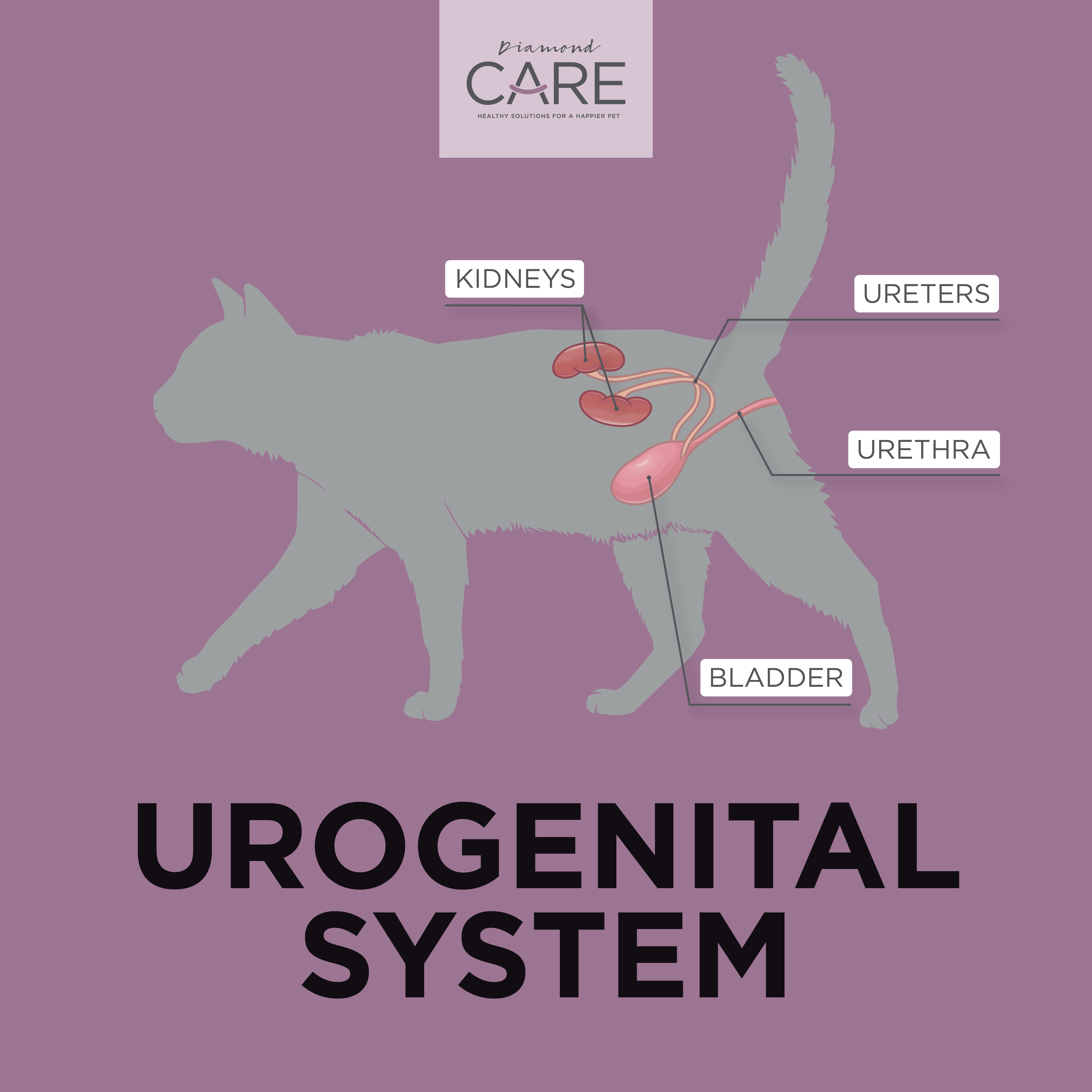
If symptoms appear or worsen, contact your healthcare provider immediately. They can run tests to check for infections such as toxoplasmosis, which can be transmitted through cat urine. Early diagnosis often makes treatment easier and more effective.
Emergency care is necessary if you experience severe breathing problems, chest pain, or high fever. Medical professionals can provide treatments like antibiotics or supportive care to prevent complications. Remember, timely action can save you from long-term health issues.
Credit: www.diamondpet.com
Credit: www.astrobrite.net
Frequently Asked Questions
Does Cat Urine Contain Psychoactive Substances?
No, cat urine does not contain any psychoactive substances. It is primarily made of waste products and chemicals like ammonia. It cannot cause any “high” or mind-altering effects when inhaled or touched.
Can Inhaling Cat Urine Make You Feel High?
Inhaling cat urine can irritate your respiratory system but will not make you feel high. The strong ammonia smell can cause coughing and discomfort, but it has no psychoactive effects.
Is Cat Urine Harmful To Humans?
Yes, cat urine can be harmful if exposure is prolonged. It contains ammonia, which can irritate eyes, skin, and lungs. Proper cleaning and ventilation are important to avoid health risks.
Why Do Some People Think Cat Urine Causes A High?
Some confuse cat urine’s strong odor with hallucinogenic effects. However, no scientific evidence supports that cat urine can cause a high or intoxication.
Conclusion
Cat urine does not cause any high or drug-like effects. It mainly smells bad and can be harmful to health. Avoid breathing in cat urine or letting it touch your skin. Clean any accidents quickly to keep your home safe.
Remember, cat urine is not a drug or something to get high from. Stay informed and keep your pets and family healthy.

Lily Purrington is the founder of MyKittyPicks.com, a cozy corner of the web dedicated to helping cat lovers discover the best cat products, furniture, toys, and home decor ideas.
A lifelong cat enthusiast, Lily shares trusted tips, honest product recommendations, and stylish inspiration designed to keep kitties happy and homes beautiful.
Her mission is simple: to bring together practical advice and purr-fect picks that make life better for cats and the people who love them.


