
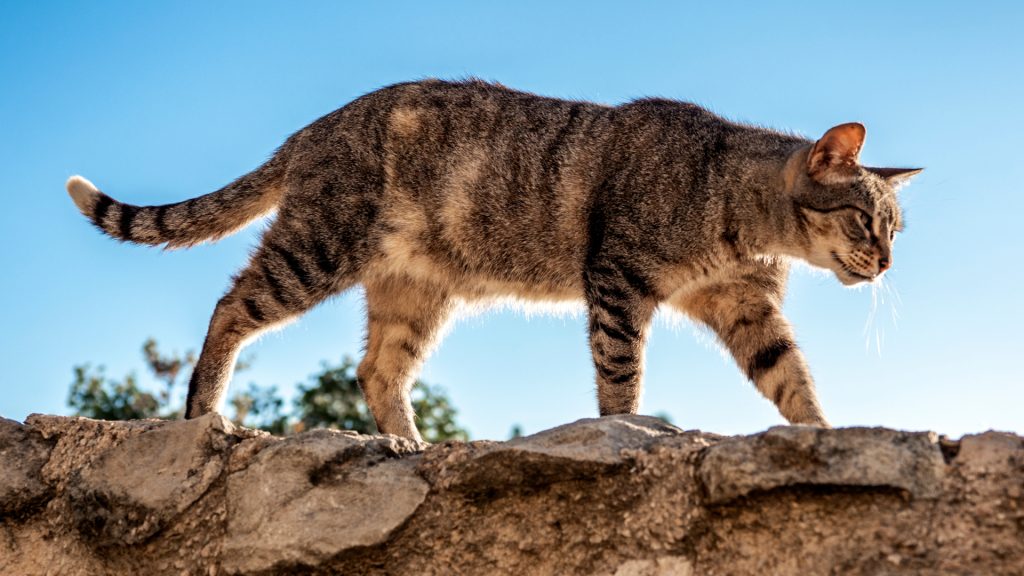
Are mice sneaking into your home and causing trouble? You might have heard that cat urine can keep these pesky rodents away.
But does it really work? If you’ve been wondering whether your feline friend’s scent can protect your space, you’re in the right place. This article will uncover the truth about cat urine and mice, so you can make the best choice for your home.
Keep reading to find out if this natural method is worth trying or just a myth.
Credit: www.livescience.com
Cat Urine And Its Scent
Cat urine has a strong and distinct smell. This scent plays a key role in cat behavior and communication. Understanding this scent helps explain its effect on other animals, like mice. Cats use their urine to mark territory and send messages to other cats. The unique chemical makeup of cat urine creates its powerful odor.
Chemical Composition
Cat urine contains several chemicals that create its strong smell. These include:
- Urea
- Ammonia
- Various sulfur compounds
- Felinine, a special amino acid
Felinine breaks down to produce smelly sulfur compounds. These give cat urine its sharp, pungent odor. The ammonia and urea add a strong, irritating smell that lingers.
Purpose In Cat Behavior
Cats use urine scent to mark their territory. This warns other cats to stay away. The scent signals ownership and helps reduce fights.
Urine marking also helps cats communicate their presence. It can show readiness to mate or signal stress. The strong smell lasts long, making it an effective message.
Because of this, animals like mice may avoid areas with cat urine. The scent signals danger, helping cats keep their hunting grounds safe.
Mice Behavior Around Predators
Mice have strong survival skills shaped by many years of living with predators. Their behavior changes a lot around signs of danger. Understanding how mice act near predators helps explain whether cat urine really keeps them away. Mice use their senses to detect threats and decide their next move. Their reactions vary based on instinct and past experiences.
Natural Instincts
Mice have built-in instincts to protect themselves from harm. These instincts help them sense danger quickly. When mice detect a predator, they try to hide or run away fast. They prefer dark, quiet places where they feel safe. Their natural fear keeps them alert and cautious around new smells or movements. This wariness helps them avoid predators and survive longer.
Responses To Predator Scents
Predator scents trigger strong reactions in mice. These smells can signal the presence of danger nearby. Mice often avoid areas where they smell predators like cats or foxes. The scent causes stress and makes mice less likely to explore or eat. Some studies show mice freeze or flee when they detect these odors. But over time, mice might get used to certain smells if no real threat appears.
Effectiveness Of Cat Urine On Mice
Cat urine contains scents that can scare mice away. Mice often avoid areas marked by cat urine. This natural deterrent may help reduce mouse activity.
The idea that cat urine can deter mice might seem unusual, but there’s a rationale behind it. Cats are natural predators of mice, and their scent can trigger a fear response in rodents. But how effective is cat urine really in keeping mice at bay? Let’s delve into some scientific studies and anecdotal evidence to uncover the truth.Scientific Studies
Scientific research provides some insights into the use of predator scents to influence rodent behavior. Studies have shown that mice can detect and react to the urine of their predators, including cats. The scent signals danger, and mice often choose to avoid areas where these scents are present. However, not all studies agree on the effectiveness. Some suggest that while mice may initially react to the smell, their wariness diminishes over time if no actual threat is present. This could mean that cat urine might only be a temporary deterrent.Anecdotal Evidence
Many pet owners claim that having a cat in the house reduces the number of mice sightings. The presence of a cat might instill fear in the mice, encouraging them to steer clear of your home. This fear could be partly due to the scent of cat urine. However, relying solely on anecdotal evidence can be tricky. What works for one person might not work for another. Factors like the severity of the mouse infestation and the size of your home play a role in whether this natural deterrent will be effective for you. Have you considered the potential effects of using cat urine as a deterrent in your home? It might be worth a try if you’re dealing with a pesky mouse problem, but remember to combine it with other proven methods for best results.Limitations Of Using Cat Urine
Using cat urine to deter mice might seem like a clever natural trick, but it has its limits. Understanding these limitations can help you decide if this method is practical for your situation. Let’s look at some key challenges you might face when relying on cat urine as a mouse repellent.
Scent Fading Over Time
The strong smell of cat urine doesn’t last forever. Over time, the scent fades, especially if exposed to rain, cleaning, or air circulation. This means you’ll need to refresh the area frequently to maintain its effectiveness.
Think about it this way: if you leave a spot untreated for a few days, mice might return because the warning scent is no longer strong enough to scare them off. This can make using cat urine a bit high-maintenance compared to other deterrents.
Habituation By Mice
Mice are smart creatures that can get used to repeated smells. After a while, they might realize that the cat urine doesn’t actually pose a real threat. This process is called habituation, and it means the urine loses its power as a deterrent.
Have you ever noticed how animals sometimes ignore what once scared them? Mice behave similarly. If they keep encountering the same scent without any danger, they’ll start to ignore it. This reduces the long-term reliability of cat urine as a mouse repellent.
Alternative Methods To Deter Mice
Alternative methods to deter mice offer practical solutions beyond cat urine. These options help keep mice away safely and effectively. They focus on preventing mice from entering and making your space less attractive to them.
Natural Repellents
Natural repellents use scents that mice dislike. Peppermint oil is a popular choice. Place cotton balls soaked in peppermint oil near entry points. Mice avoid strong smells like cloves, cayenne pepper, and garlic. Planting mint around your home also helps. These natural options are safe for pets and children.
Physical Barriers
Physical barriers block mice from entering your home. Seal cracks and holes with steel wool or caulk. Use metal or wire mesh to cover vents and openings. Keep doors and windows closed or install door sweeps. These barriers stop mice without harmful chemicals.
Professional Pest Control
Professional pest control offers expert help for serious infestations. Pest control experts use traps and safe rodenticides. They find hidden nests and entry points. Professionals provide advice on long-term prevention. This method ensures thorough removal and peace of mind.

Credit: www.aol.com
Safety And Practical Considerations
Using cat urine to deter mice may seem natural and simple. Safety and practicality matter most before trying this method. Cat urine contains strong smells that mice dislike. But it also carries health risks and needs careful handling. Knowing these facts helps keep your home safe and clean.
Health Risks Of Cat Urine
Cat urine can carry bacteria and parasites. One common risk is toxoplasmosis, a disease harmful to humans. It spreads through contact with infected cat waste. Breathing in ammonia from urine may irritate the eyes and lungs. This is especially risky for children and people with asthma.
Direct contact with cat urine can cause skin irritation. Surfaces soaked in urine may become smelly and hard to clean. Avoid using old or concentrated urine. Use gloves and wash hands after handling it to reduce risks.
Application Tips
Use fresh cat urine rather than stored or dried samples. Place it in small containers or on cloths near mouse entry points. Avoid spreading urine on food surfaces or areas where pets and children play.
Refresh the urine regularly to keep its strong smell. Clean the area well after use to prevent long-term odor. Test a small spot first to avoid stains or damage.
- Wear gloves during application
- Keep away from children and pets
- Use in well-ventilated areas
- Combine with other pest control methods
Credit: www.petscare.com
Frequently Asked Questions
Does Cat Urine Really Repel Mice Effectively?
Cat urine contains scent markers that signal a predator’s presence. Mice often avoid areas marked by cat urine. This natural deterrent works because mice fear predators, making cat urine an effective, eco-friendly mouse repellent in many cases.
How Long Does Cat Urine Deter Mice?
The scent of cat urine typically lasts a few days to a week. Its effectiveness depends on environmental factors like rain and ventilation. Regular reapplication may be necessary to maintain a strong deterrent against mice.
Can Cat Urine Be Used Indoors To Keep Mice Away?
Yes, cat urine can be used indoors, but with caution. It has a strong odor that some may find unpleasant. Use it in small amounts and in well-ventilated areas to avoid discomfort while deterring mice.
Are There Safer Alternatives To Cat Urine For Mice Control?
Yes, there are safer alternatives like peppermint oil, ultrasonic repellents, and mouse traps. These methods avoid strong odors and potential hygiene issues. Choose the method that best fits your space and comfort level.
Conclusion
Cat urine may help keep mice away for some time. The smell can be strong and scary for mice. But it might not work in every situation. Mice often get used to smells after a while. Using other methods along with cat urine works best.
Traps, clean spaces, and sealing holes are helpful. Keep your home tidy and check for signs of mice. A cat’s presence might reduce mice, but it’s not a full solution. Try different ways to protect your home well. Stay patient and keep trying.

Lily Purrington is the founder of MyKittyPicks.com, a cozy corner of the web dedicated to helping cat lovers discover the best cat products, furniture, toys, and home decor ideas.
A lifelong cat enthusiast, Lily shares trusted tips, honest product recommendations, and stylish inspiration designed to keep kitties happy and homes beautiful.
Her mission is simple: to bring together practical advice and purr-fect picks that make life better for cats and the people who love them.


