
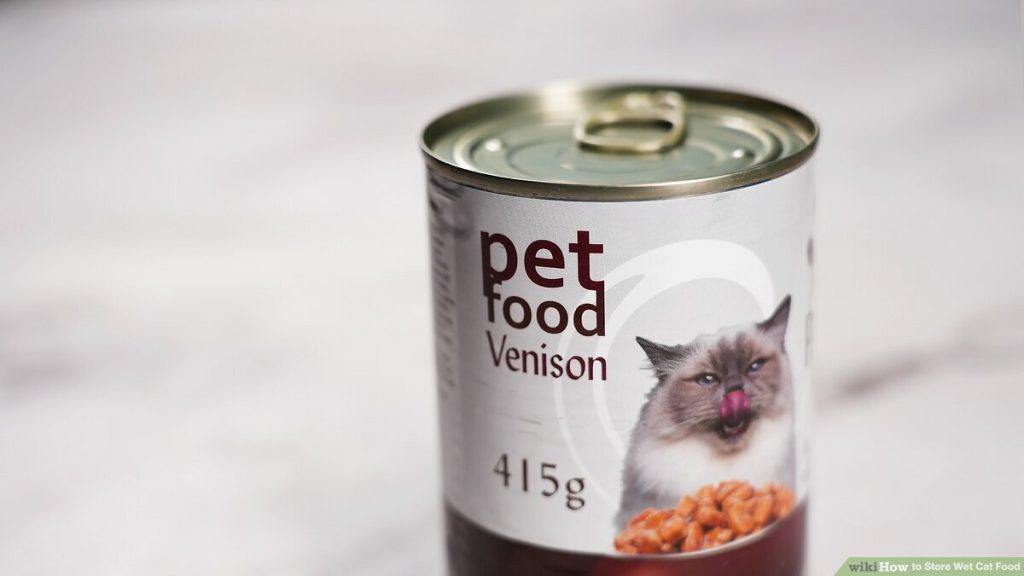
If you’re a cat owner, you’ve probably asked yourself this simple question: does canned cat food need to be refrigerated after opening? It might seem like a small detail, but how you store your cat’s food can make a big difference in keeping your furry friend healthy and happy.
You want to make sure the food stays fresh and safe to eat. You’ll discover the best way to handle opened canned cat food so you don’t risk spoilage or waste. Keep reading to find out exactly what you should do to protect your pet’s meals—and your peace of mind.

Credit: www.wikihow.com
Shelf Life After Opening
Understanding the shelf life of canned cat food after opening is crucial for your pet’s health. Once opened, the food is exposed to air and bacteria, which can cause it to spoil quickly. Knowing how long it lasts and spotting signs of spoilage helps you avoid feeding your cat harmful food.
How Long It Lasts
After opening, canned cat food generally stays fresh for about 3 to 5 days if refrigerated properly. Leaving it out at room temperature can reduce this time to just a few hours. Always transfer leftovers to an airtight container or cover the can tightly to keep the food fresh longer.
Have you ever noticed your cat refusing food that’s been in the fridge for too long? This might be their way of telling you the food isn’t good anymore. Keeping track of the opening date on the can can prevent you from guessing and risking your cat’s health.
Signs Of Spoilage
Check for any changes in smell, texture, or color to spot spoiled canned cat food. A sour or rancid odor is a clear sign the food has gone bad. If the texture becomes slimy or the color darkens, it’s best to discard the food immediately.
Also, watch your cat’s reaction when you serve the food. Hesitation or refusal can be a warning sign. Remember, feeding spoiled food can lead to stomach upset or more serious health problems, so trust your senses and your pet’s behavior.

Credit: www.wikihow.com
Refrigeration Benefits
Refrigerating canned cat food after opening offers clear benefits for your pet’s health and the food’s quality. It helps keep the food fresh and safe to eat. Proper storage ensures your cat enjoys every meal without risks.
Preserving Freshness
Cold temperatures slow down the loss of flavor and moisture in canned cat food. This keeps the food tasty and appealing for your cat. Fresh food encourages better eating habits and prevents waste. Refrigeration stops the food from drying out or smelling bad.
Preventing Bacterial Growth
Bacteria multiply quickly at room temperature. Refrigeration reduces this risk by keeping the food cold. This helps avoid food spoilage and possible illness in cats. Safe food storage protects your cat’s digestive health. It also extends the time you can safely feed the opened can.
Storage Tips
Storing canned cat food properly after opening is crucial to keep it fresh and safe for your furry friend. Improper storage can lead to spoilage, affecting both the taste and nutritional value. Let’s dive into some practical storage tips that help you avoid waste and keep your cat’s meals delicious.
Proper Container Use
Once you open a can, it’s best not to leave the food inside the original container uncovered. Exposure to air accelerates spoilage and can introduce bacteria. Instead, transfer the leftover food into an airtight container made of glass or BPA-free plastic.
Using a container with a tight-fitting lid locks in freshness and prevents odors from spreading in your fridge. I once kept leftover cat food in the open can and noticed my cat refused to eat it the next day. Switching to an airtight container solved that problem immediately.
Also, avoid using aluminum foil directly on the food, as it can cause a metallic taste. A plastic wrap with a sealed lid works better for short-term storage.
Ideal Temperature Settings
Keeping opened canned cat food at the right temperature is essential for safety. Store it in the refrigerator at around 4°C (39°F) to slow bacterial growth. Temperatures above 7°C (45°F) can cause the food to spoil quickly.
If your fridge doesn’t have a thermometer, consider buying one to monitor the temperature accurately. You don’t want to risk feeding your cat spoiled food because the fridge was too warm.
Never leave opened canned food out at room temperature for more than two hours. Even if your cat is a slow eater, refrigerate leftovers promptly to maintain quality and safety.

Credit: www.wikihow.com
Alternatives To Refrigeration
There are practical ways to keep canned cat food fresh without a fridge. These alternatives help maintain quality and prevent spoilage. They also save space and energy while keeping your cat’s food safe.
Using Airtight Containers
Transfer leftover cat food into a clean, airtight container. This limits air exposure and slows down bacteria growth. Glass or BPA-free plastic containers work best. Store the container in a cool, dry place away from direct sunlight. Always use a clean spoon to serve the food. This prevents contamination and extends freshness.
Freezing Leftovers
Freezing is an excellent way to preserve canned cat food. Scoop the leftover food into small portions using freezer-safe containers or bags. Label each container with the date to keep track of freshness. Frozen cat food can last up to two months. Thaw in the refrigerator before serving to keep it safe. Avoid refreezing thawed food to maintain quality and safety.
Risks Of Not Refrigerating
Leaving canned cat food out without refrigeration can lead to several risks that affect both your cat’s health and the quality of the food. You might think it’s harmless to leave it for a few hours, but bacteria and mold can grow quickly at room temperature. Understanding these risks helps you keep your feline friend safe and satisfied.
Health Concerns For Cats
Bacteria such as Salmonella and Listeria can multiply rapidly in unrefrigerated canned cat food. These harmful microbes may cause vomiting, diarrhea, and even more severe illness in your cat.
I once noticed my cat acting lethargic after eating leftover food left out overnight. A quick vet visit confirmed food poisoning, which could have been avoided simply by refrigerating the food.
Do you want to risk your cat’s health for the sake of convenience? Storing opened canned food properly can prevent dangerous contamination and keep your pet safe.
Food Quality Decline
Besides health risks, unrefrigerated canned cat food loses its freshness and taste fast. The fats in the food can go rancid, making it unappetizing for your cat.
Texture changes also occur, turning the food dry or slimy. Your cat might refuse to eat it, leading to wasted money and potential nutritional gaps.
Think about how quickly you lose appetite for spoiled food yourself. Does your cat deserve less? Refrigeration preserves the food’s quality and makes every meal enjoyable for your pet.
Manufacturer Recommendations
Manufacturer recommendations play a crucial role in deciding if canned cat food needs refrigeration after opening. These guidelines are based on safety testing and preserve the food’s nutritional value. Ignoring them could lead to spoiled food and upset tummies for your feline friend.
Reading Labels
Labels on canned cat food provide clear instructions about storage after opening. Look for phrases like “refrigerate after opening”or specific temperature guidelines. Some brands may advise using the food within 24 hours, while others allow a longer window.
Always check the expiration date and any warnings about spoilage. If the label doesn’t mention refrigeration, it’s safer to refrigerate anyway. Have you noticed how some cans come with extra tips on handling? Those are there to help you keep the food fresh and your cat healthy.
Following Brand Guidelines
Each brand formulates their cat food differently, affecting how it should be stored. Wet foods with higher moisture content often require refrigeration to prevent bacteria growth. Dry or semi-moist canned foods may have different rules.
Stick to the brand’s storage advice to maintain quality and taste. If unsure, visit the brand’s website or contact customer support for clarity. Have you ever tried ignoring these guidelines? Chances are, the food didn’t last as long or your cat showed signs of discomfort.
Frequently Asked Questions
Does Canned Cat Food Need Refrigeration After Opening?
Yes, canned cat food should be refrigerated after opening to prevent spoilage. Refrigeration keeps the food fresh and safe for your cat to eat. Leaving it out can cause bacteria growth, which may harm your pet.
How Long Can Opened Canned Cat Food Last Refrigerated?
Opened canned cat food typically lasts 5 to 7 days in the refrigerator. Always store it in an airtight container to maintain freshness. Discard the food if it smells off or changes texture.
Can I Leave Opened Canned Cat Food At Room Temperature?
No, leaving opened canned cat food at room temperature is unsafe. Bacteria multiply quickly in warm conditions, risking your cat’s health. Always refrigerate leftovers promptly after feeding.
Should I Transfer Canned Cat Food To Another Container?
Yes, transferring leftovers to a sealed container helps preserve freshness. Keeping food in the original can can lead to oxidation and metallic taste. Use a clean, airtight container for best results.
Conclusion
Canned cat food should be refrigerated after opening to stay fresh. Leaving it out can cause bacteria to grow quickly. Store the food in a clean, airtight container for best results. Feed your cat within a few days to keep it safe.
Proper storage helps your cat enjoy tasty and healthy meals. Simple steps protect your pet’s health and avoid food waste. Keep your cat happy with safe feeding habits every time.

Lily Purrington is the founder of MyKittyPicks.com, a cozy corner of the web dedicated to helping cat lovers discover the best cat products, furniture, toys, and home decor ideas.
A lifelong cat enthusiast, Lily shares trusted tips, honest product recommendations, and stylish inspiration designed to keep kitties happy and homes beautiful.
Her mission is simple: to bring together practical advice and purr-fect picks that make life better for cats and the people who love them.


