

Have you ever found a stray cat and wondered, “Do I have to pay to rescue it?” If you care about saving a furry friend but worry about the costs, you’re not alone. Understanding what expenses might come up—and how to handle them—can make all the difference.
Keep reading to discover what you need to know before stepping in to help that cat in need. This could save you money and stress while giving a helpless animal a second chance.
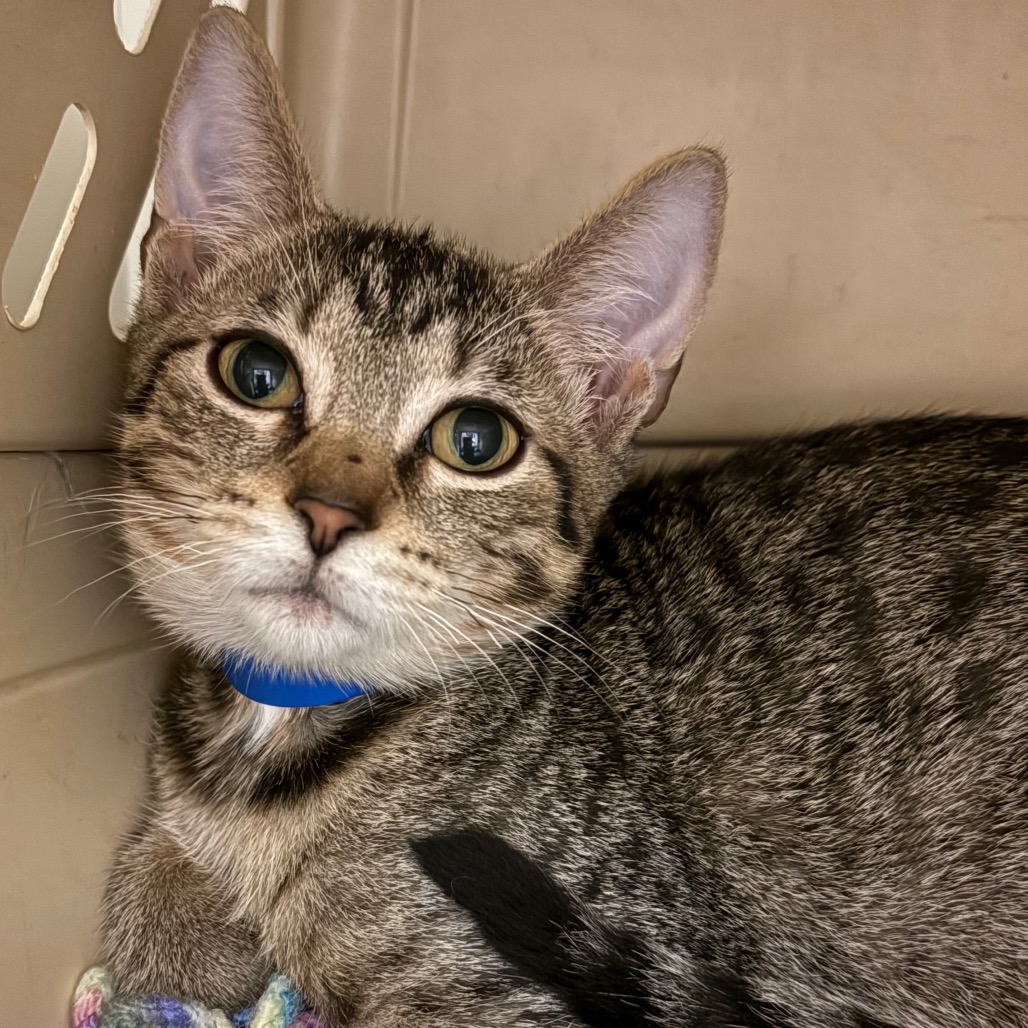
Credit: www.lollypop.org
Cost Factors In Cat Rescue
Rescuing a cat is a rewarding experience, but it often comes with various costs that many first-time rescuers don’t anticipate. Understanding these cost factors helps you prepare financially and emotionally for the responsibility you’re about to take on. Let’s break down where your money might go when you decide to rescue a cat.
Veterinary Care Expenses
One of the biggest expenses in cat rescue is veterinary care. Cats may need vaccinations, spaying or neutering, treatment for parasites, and sometimes emergency care if they’re injured or sick. I once rescued a stray with a broken leg; the vet bill was unexpectedly high but necessary for the cat’s recovery.
Keep in mind that ongoing health checks and medications can add up over time. Can you budget for these regular expenses before bringing a cat home?
Shelter And Rescue Fees
Many shelters and rescue organizations charge adoption or rescue fees to cover their costs. These fees often include initial vet work, microchipping, and sometimes food or supplies. Some places offer reduced fees during special events or for senior cats.
These fees support the shelter’s mission, but they can vary widely. Have you researched local shelters to understand their fee structures and what’s included?
Transportation Costs
Getting the cat from the shelter or rescue to your home can also cost money. Whether you’re driving yourself, using public transport, or hiring a pet taxi, transportation adds to the total expense. For long-distance rescues, costs can increase dramatically, especially if you need specialized carriers or assistance.
Think about how you will transport the cat safely. Do you have the resources to cover these costs, especially if an unexpected trip to the vet is needed right after rescue?

Credit: www.hsccvt.org
Free And Low-cost Rescue Options
Rescuing a cat doesn’t always mean spending a lot of money. There are free and low-cost options available. Many organizations and volunteers want to help. You can find help and give a cat a loving home. Explore these affordable ways to rescue a cat.
Animal Shelters And Nonprofits
Animal shelters often have cats needing homes. These shelters may charge a small fee. This fee usually covers basic care and vaccinations. Nonprofits sometimes offer discounts or even free adoptions. They aim to find homes for as many cats as possible.
Community Rescue Programs
Many communities have rescue programs. These programs often provide free or low-cost adoptions. They focus on rescuing stray or abandoned cats. Check with your local government or community center. They can guide you to these programs.
Volunteer Networks
Volunteer networks play a big role in cat rescue. These groups often foster cats in need of homes. They might waive adoption fees to encourage adoption. Volunteers are passionate about finding homes for cats. They can help you find a cat that suits your family.
Adoption Fees And What They Cover
Adoption fees help cover essential care costs for rescued cats. These fees ensure cats receive proper health checks and treatments. Understanding what adoption fees include helps you see the value behind the cost. It also shows how shelters prepare cats for their new homes.
Vaccinations And Medical Treatments
Adoption fees cover important vaccinations to keep cats healthy. Vaccines protect cats from diseases like rabies and feline distemper. Medical treatments may include deworming and flea control. Shelters also provide basic health exams to check for illnesses. This care helps cats start their new life strong.
Spaying And Neutering
Spaying and neutering are part of adoption fees. These surgeries prevent unwanted litters and reduce stray populations. They also help cats live longer and healthier lives. Shelters perform these procedures before adoption to avoid future health issues. This step supports responsible pet ownership.
Microchipping And Registration
Microchipping is included in many adoption fees. This small chip helps identify cats if they get lost. Registration links the chip to your contact information. It increases the chance of safely returning your cat if they wander away. Microchipping provides peace of mind for new pet owners.

Credit: abc7ny.com
Additional Expenses After Rescue
Rescuing a cat is a rewarding experience, but the expenses don’t stop once you bring your new friend home. You should be prepared for ongoing costs that can add up quickly. These additional expenses ensure your cat stays happy, healthy, and well-adjusted in their new environment.
Food And Supplies
Providing quality food is essential for your cat’s health. Depending on their age and dietary needs, you might spend more on specialized food brands. Don’t forget supplies like litter, bowls, scratching posts, and cozy beds, which all contribute to your cat’s comfort.
Have you thought about the cost difference between dry kibble and wet food? Both have pros and cons, but your cat’s preference might influence your monthly budget. Also, supplies like toys and grooming tools keep your cat engaged and clean, which you’ll want to factor in.
Ongoing Medical Care
Veterinary visits continue after the initial rescue checkup. Regular vaccinations, flea and tick prevention, and dental care add to your expenses. Emergencies can happen unexpectedly—setting aside a small fund for sudden health issues is a smart move.
For example, my rescued cat developed a minor dental problem that required a vet visit and treatment. It wasn’t cheap, but addressing it early prevented bigger costs later. Have you considered pet insurance or wellness plans to manage these costs?
Behavioral Training
Some rescued cats need extra help adjusting to their new home. Behavioral training or working with a cat behaviorist can make a big difference. This might involve costs for classes, consultations, or special calming products.
Think about how a few sessions could prevent destructive habits or anxiety in your cat. Investing in their mental well-being pays off with a more peaceful household. What behaviors does your cat struggle with, and could professional help ease those challenges?
Fundraising And Financial Assistance
Rescuing a cat can bring joy but also unexpected costs. Fundraising and financial help can ease the burden. Many people find support through various sources. These options can cover vet bills, food, and other needs.
Crowdfunding Platforms
Crowdfunding sites let people raise money online. Sharing your story can attract donations from kind strangers. Popular platforms include GoFundMe and Kickstarter. Clear details and photos help gain trust. Small donations add up quickly and make a big difference.
Grants And Subsidies
Some organizations offer grants for animal rescue. These funds help cover medical care and shelter expenses. Local shelters and animal welfare groups may provide subsidies. Applying usually requires proof of need and rescue efforts. Grants can reduce the financial pressure significantly.
Community Support Groups
Many neighborhoods have groups that help with pet rescue. Members share resources, money, and advice. Social media groups can connect rescuers with donors and volunteers. Community events like bake sales can raise funds. Support from neighbors often brings both money and encouragement.
Frequently Asked Questions
Do I Have To Pay To Rescue A Stray Cat?
No, you usually don’t have to pay to rescue a stray cat. Local shelters or rescue groups often assist for free. However, medical or care costs might arise later if you decide to keep the cat.
Are There Fees For Adopting A Rescued Cat?
Yes, adoption fees typically cover vaccinations, spaying/neutering, and medical care. These fees help shelters continue their rescue work. The cost varies by organization but is generally affordable and worthwhile.
Can I Rescue A Cat Without Professional Help?
Yes, you can rescue a cat independently but ensure its safety first. Provide food, water, and shelter. Contact local vets or shelters for medical checkups and advice afterward.
What Costs Are Involved In Rescuing A Cat?
Initial costs may include food, medical exams, vaccinations, and spaying/neutering. Emergency vet visits can increase expenses. Budgeting for ongoing care is important if you keep the cat.
Conclusion
Rescuing a cat can sometimes cost money, but not always. Many shelters and groups help cats for free or low fees. Costs may include medical care, food, and shelter. Think about these expenses before deciding to rescue. Remember, saving a cat’s life is worth the effort.
Caring for animals brings joy and responsibility. You can make a difference, even with small steps. Every rescued cat deserves love and a safe home. Act kindly and wisely to help these animals thrive.

Lily Purrington is the founder of MyKittyPicks.com, a cozy corner of the web dedicated to helping cat lovers discover the best cat products, furniture, toys, and home decor ideas.
A lifelong cat enthusiast, Lily shares trusted tips, honest product recommendations, and stylish inspiration designed to keep kitties happy and homes beautiful.
Her mission is simple: to bring together practical advice and purr-fect picks that make life better for cats and the people who love them.


