
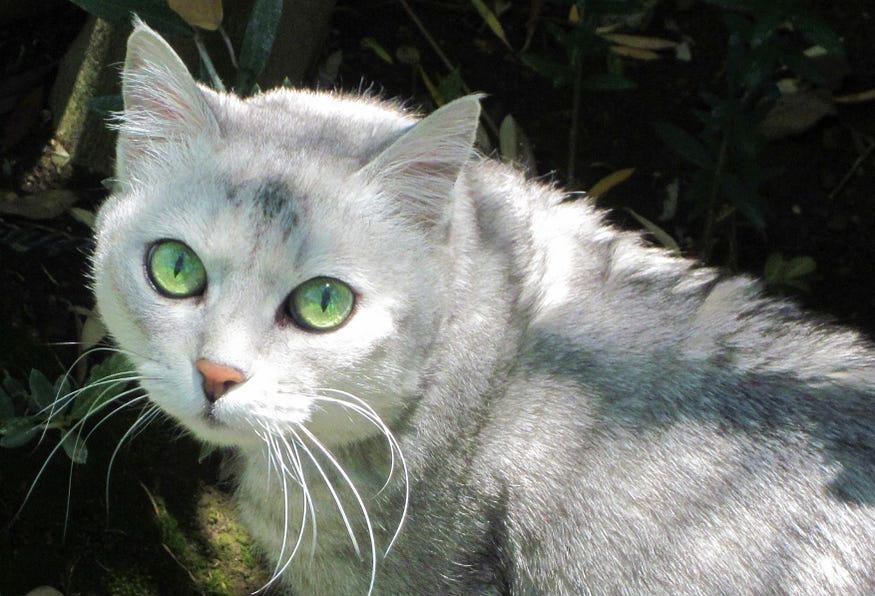
Have you ever wondered what the world looks like through your cat’s eyes? Do they see the same vibrant colors we do, or is their vision more limited?
Understanding how house cats perceive color can deepen your connection with your furry friend and improve their environment. You might be surprised to learn that while cats don’t see the world exactly like humans, their color vision holds unique advantages.
Stick around to discover just how your feline friend experiences the colorful world, and you might just unlock secrets that enhance your cat’s well-being and happiness.
Cat Vision Basics
Understanding how house cats see the world helps us learn about their unique vision. Cat vision basics reveal how their eyes work differently from humans. Cats have special features in their eyes that suit their needs as hunters and night creatures.
How Cats See The World
Cats see better in low light than humans. Their eyes have more rod cells, which detect light and movement. This helps cats spot prey in dim places. Cats also have a reflective layer behind their retinas. It bounces light back and improves night vision.
Colors look different to cats. They see fewer colors but notice blues and greens well. Reds and pinks appear dull or grayish. This color view helps cats focus on shapes and movement more than bright colors.
Differences From Human Vision
Humans have more cone cells in their eyes. These cells help see many colors and fine details. Cats have fewer cones, so their color vision is limited. Humans see a wider color range than cats do.
Cats have a wider field of view. They see about 200 degrees, while humans see about 180 degrees. This wide view helps cats watch for danger or prey from the sides. Their depth perception is less sharp but good enough for jumping and hunting.
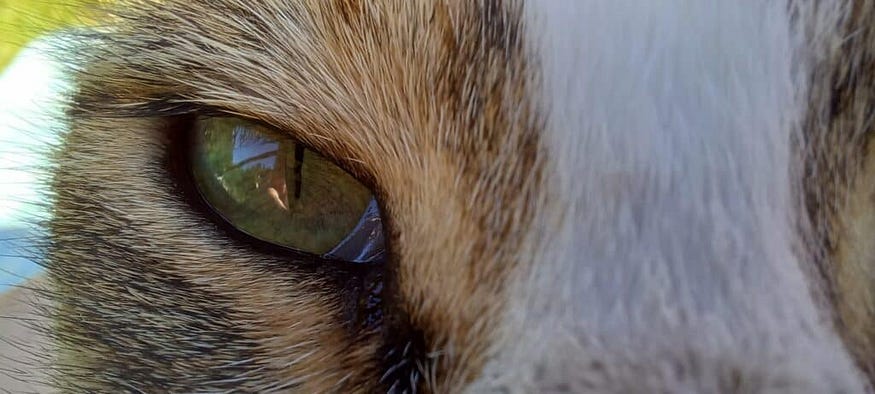
Eye structure also differs. Cats have vertical slit pupils that change size quickly. This controls the amount of light entering their eyes. Humans have round pupils that adjust slower. These differences fit each species’ lifestyle and needs.
Color Perception In Cats
Understanding how house cats perceive color can change the way you see their world. Unlike humans, cats don’t experience the full rainbow. Their vision focuses more on movement and contrast, but they do register some colors differently than you might expect.
Types Of Color Receptors
Cats have two main types of color receptors in their eyes, called cones. Humans have three types, which allows us to see a broader range of colors. Cats’ cones are tuned mainly to blue and green wavelengths.
This means cats see fewer colors and their vision is more limited in spectrum. Their eyes are built to detect motion and work well in low light, not to distinguish every shade of color. Have you ever noticed your cat reacting more to a moving toy than a colorful one? This could explain why.
Colors Cats Can Distinguish
Cats can see blues and greens fairly well, but reds and pinks often appear as shades of gray or brown to them. Yellow and orange tones might look like a muted version of green. This limited color range means your bright red ball might not stand out as much to your cat.
- Blue: Easily seen and distinguished
- Green: Recognizable, but less vibrant
- Red/Pink: Appears dull or grayish
- Yellow/Orange: Seen as muted greens or browns
Knowing this, you can choose toys and objects that catch your cat’s eye better. Have you tried swapping out red toys for blue ones to see if your cat shows more interest? Paying attention to color perception can make playtime more engaging for your furry friend.
Low Light And Night Vision
House cats have a remarkable ability to see in low light and near darkness. This skill helps them hunt and navigate during the night. Understanding how their eyes work gives us insight into their unique vision compared to humans.
Role Of Rod Cells
Rod cells are special light-sensitive cells in a cat’s retina. They don’t detect color but are extremely sensitive to light, allowing cats to see well in dim environments. These cells help cats pick up even the faintest movements in the dark.
Imagine walking outside just before dawn. You notice shapes and shadows more clearly than colors. That’s how rod cells help cats—they focus on brightness and contrast over color details.
Tapetum Lucidum Effect
The tapetum lucidum is a layer behind the retina that reflects light back through the eye. This reflection gives cats a second chance to capture light, boosting their night vision. It’s also why you might see their eyes shine in the dark.
This reflective layer enhances their ability to see in very low light, often six to eight times better than humans. So next time you see a cat’s glowing eyes at night, you’re witnessing this natural light amplifier in action.

Credit: medium.com
Myths About Cat Color Vision
Many people wonder if house cats see the world in full color like humans do. There are lots of ideas and beliefs about cat color vision. Some are true, others are just myths. Understanding these myths helps us learn what cats really see. It also clears up confusion about their vision.
Common Misconceptions
- Cats see only in black and white.
- They cannot see any color at all.
- Cats see the same bright colors humans do.
- Cats’ color vision is poor and not useful.
- Cats cannot distinguish between red and green.
These ideas often come from comparing cat vision directly to human vision. People think that because cats don’t see colors like us, they must see very little color or none at all. This is not accurate.
Scientific Findings
Research shows cats do see colors, but not as vividly as humans. Cats have fewer color-detecting cells called cones in their eyes. They see blues and greens well. Reds and pinks appear more like gray or brown to them.
Cats rely more on their ability to see in low light. Their vision is adapted for hunting at dawn and dusk. Color is less important for them than detecting movement and shapes.
Scientists agree cat color vision is similar to a human with red-green color blindness. This means cats can see some colors but not all. Their world is less colorful but still rich and detailed in other ways.
Impact Of Vision On Cat Behavior
Understanding how cats see the world sheds light on why they behave the way they do. Their vision directly influences their daily actions, from stalking prey to exploring their surroundings. Knowing this can help you create a more cat-friendly environment and strengthen your bond with your feline friend.
Hunting And Movement
Cats rely heavily on their vision for hunting, but their color perception is limited compared to humans. They see mostly in shades of blue and green, which means bright colors don’t distract or confuse them during a chase.
Instead, their eyes are tuned to detect motion and contrast, especially in low light. This explains why your cat can suddenly sprint after a tiny moving insect even in dim rooms.
Have you noticed your cat freezing when something small moves nearby? That’s their visual system kicking in, helping them judge distance and speed precisely. This instinctive behavior is why toys that mimic quick, erratic movements grab their attention so well.
Interaction With Environment
Your cat’s vision affects how they navigate and interact with their world. Since they don’t see a full spectrum of colors, they depend more on other senses and visual cues like shapes and shadows.
They may not respond to colorful toys the way you expect, but they will notice changes in brightness and movement instantly. This means you can engage your cat by using toys that create contrast or flicker in the light rather than relying solely on vivid colors.
Think about how your cat reacts to new objects or furniture. They often approach cautiously, using their sharp vision to assess potential threats or new play areas. This visual caution helps them stay safe and adapt quickly.
What changes in your home’s lighting or layout might affect your cat’s comfort or curiosity? Observing their behavior can offer clues to how their vision guides their daily experiences.
Credit: medium.com
Comparing Cat Vision To Other Animals
Animal vision varies widely across species. Each type of animal sees the world differently. Comparing cat vision to other animals helps us understand their unique abilities. Cats see fewer colors but better in low light. Other animals may have sharper color vision or different visual strengths. This comparison highlights how nature adapts vision for survival.
Dogs Vs. Cats
Dogs and cats both see fewer colors than humans. Cats have two types of color receptors, similar to dogs. Both see mainly blues and greens, but reds look dull to them.
Cats have better night vision than dogs. Their eyes have more rod cells, which detect light. Dogs rely more on scent than vision. Cats depend on sharp eyesight for hunting.
Birds And Reptiles
Birds and reptiles see more colors than cats. Many birds can see ultraviolet light invisible to humans. This helps them find food and mates.
Reptiles also have diverse vision, often better than mammals. Some can see multiple color ranges. Cats’ vision is simpler but suits their hunting style.
How To Enhance Your Cat’s Visual Experience
Cats see the world differently than humans. Their color vision is limited but sharp in low light. Enhancing their visual experience means using colors and settings they can notice easily. This helps keep them active and curious. It also strengthens your bond with your pet.
Choosing Toys And Colors
Cats see blue and green best but struggle with red and orange. Pick toys in shades of blue, green, or violet. Bright colors attract their attention quickly. Use toys with movement to catch their eye. Feather wands, laser pointers, and small balls work well.
- Choose blue or green colored toys
- Use toys that move or flutter
- Try different shapes and textures
Rotate toys often to keep your cat interested. Simple toys with clear colors help them focus. Avoid dull or red toys; they might blend into the background.
Safe Indoor Environments
Indoor spaces should be visually stimulating for cats. Place objects in spots with natural light. Cats enjoy watching birds and insects through windows. Use window perches or shelves to give good views.
- Keep windows clean for better visibility
- Use light-colored furniture to reflect light
- Avoid dark corners where cats might lose interest
Provide varied textures and colors in their play area. Soft rugs, plants, and scratching posts add interest. Bright, safe lighting helps cats see better. Avoid harsh lights that cause glare or shadows.

Credit: www.livescience.com
Frequently Asked Questions
Do House Cats See Colors Like Humans Do?
House cats see colors but not as vividly as humans. Their vision is mostly in shades of blue and green. They have fewer color-detecting cells, making reds and pinks hard to distinguish.
Which Colors Are Cats Most Sensitive To?
Cats are most sensitive to blue and green hues. They struggle to see red and orange clearly. This color sensitivity helps them detect movement better in low light.
How Does A Cat’s Color Vision Help Them Hunt?
Cats use color vision to spot prey in dim light. Their eyes detect blues and greens, aiding in tracking small animals. This vision supports their night hunting skills and improves survival.
Can Cats See In Complete Darkness?
Cats cannot see in total darkness. They rely on low light and moonlight, using their enhanced night vision. Their eyes have more rod cells, which help in dim lighting but not in complete dark.
Conclusion
Cats do see colors, but not like humans do. Their vision is mostly blue and green shades. Reds and pinks look more like gray to them. This helps cats spot movement better, especially in low light. Knowing this can help you choose toys and surroundings they enjoy.
Cats rely more on their sharp eyes than color to hunt and play. Their unique vision suits their needs perfectly. Understanding how cats see helps us care for them better. It’s fascinating how different their world looks through their eyes.

Lily Purrington is the founder of MyKittyPicks.com, a cozy corner of the web dedicated to helping cat lovers discover the best cat products, furniture, toys, and home decor ideas.
A lifelong cat enthusiast, Lily shares trusted tips, honest product recommendations, and stylish inspiration designed to keep kitties happy and homes beautiful.
Her mission is simple: to bring together practical advice and purr-fect picks that make life better for cats and the people who love them.


