
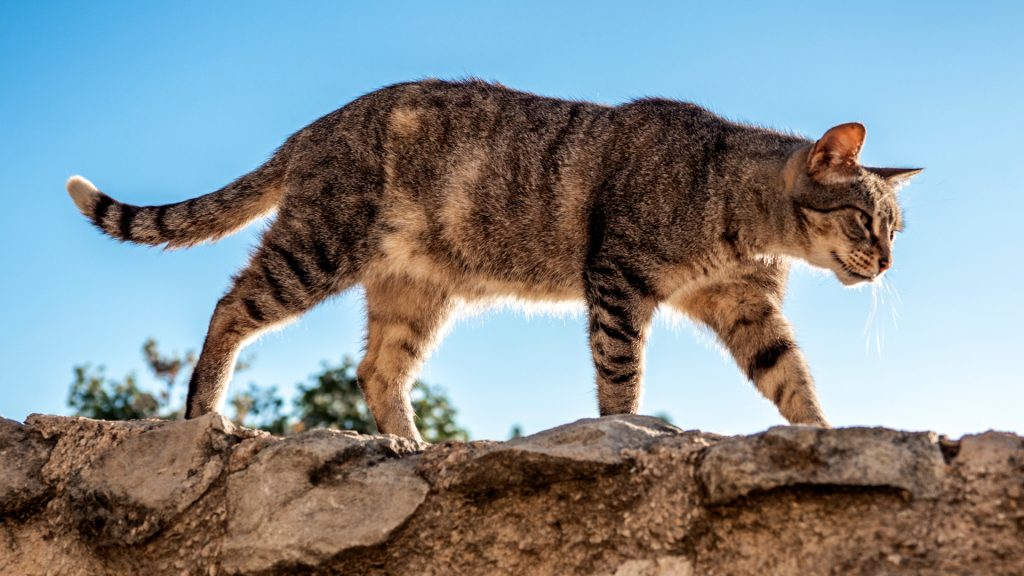
You may have heard that a house cat is your best defense against pesky mice. But is that really true?
If you’ve ever wondered whether your feline friend can keep your home rodent-free, you’re not alone. Understanding this could change the way you look at pet ownership. Imagine a home where mice never dare to tread, all thanks to your adorable companion.
This idea sounds appealing, doesn’t it? But before you rush to conclusions, there are a few surprising facts you should know. By the end of this article, you’ll discover whether your furry friend is the hero you need, or if it’s time to rethink your strategy. Ready to uncover the truth about your cat’s secret talents? Let’s dive in.

Credit: www.oharapestcontrol.com
Cat Hunting Instincts
Understanding cat hunting instincts can give you a clearer picture of whether your house cat will actually keep mice away. These instincts are deeply rooted in their nature, making some cats natural hunters even if they live comfortably indoors. You might be surprised to learn how much of this behavior is hardwired and how it plays out in your home environment.
Natural Predators
Cats are natural predators, evolved to hunt small animals like mice, birds, and insects. Their sharp senses—especially sight, hearing, and smell—help them detect tiny movements quickly. Even if your cat doesn’t seem interested in chasing mice, these instincts are always ready to activate when the opportunity arises.
Think about the last time you saw a cat suddenly freeze and focus on a tiny spot in the room. This is their hunting mode kicking in. It’s not just about catching prey; it’s about survival skills passed down through generations.
Hunting Behavior In Domestic Cats
Domestic cats often display hunting behavior through stalking, pouncing, and batting at objects that resemble prey. Some cats actively hunt mice if given the chance, while others might just play with them or ignore them entirely. Your cat’s personality and environment can influence how strong these hunting behaviors are.
For example, a friend’s cat once caught a mouse in the kitchen and proudly left it near their shoes. It wasn’t just a random act; the cat’s natural hunting instinct was fulfilled. You might ask yourself: does your cat show similar behaviors, or is it more of a lazy house pet?
If you want your cat to help with mice, encourage play that mimics hunting, like using toys that move unpredictably. This can sharpen their instincts and increase the chances they’ll chase real mice. Have you tried using interactive toys to stimulate your cat’s hunting skills?

Credit: www.onefinebay.net
Effectiveness Of Cats Against Mice
Cats are often thought of as natural hunters that keep mice away. Their presence alone can scare mice from entering homes. But how well do cats actually perform at catching mice? The answer depends on several factors. Understanding these can help decide if a cat is a good solution for a mouse problem.
Cats have sharp senses and quick reflexes. These help them detect and chase mice. Yet, not all cats hunt mice with the same skill or interest. Some cats may ignore mice completely. Others might be very active hunters.
Do Cats Actually Catch Mice?
Many cats catch mice, but success varies. Hunting is a natural instinct, but not all cats act on it. Indoor cats may lack the practice or motivation to hunt. Outdoor cats tend to catch more mice as they roam freely.
Some cats catch mice for fun, while others do it for food. A well-fed cat might not feel the need to hunt. Younger cats usually have more energy and curiosity to chase mice. Older cats might be less interested.
Factors Influencing Cat Hunting Success
- Cat’s Age:Younger cats are often better hunters.
- Experience:Cats raised around mice learn to hunt more effectively.
- Environment:Homes with hiding spots make hunting harder.
- Health:Healthy cats have better stamina and reflexes.
- Food Supply:Hungry cats hunt more actively than well-fed ones.
- Personality:Some cats prefer play over hunting.
Limitations Of Cats As Pest Control
Cats often get credit for keeping mice away, but their effectiveness as pest controllers has limits. Understanding these limitations helps you decide if relying on a cat is the right choice for your mouse problem. Let’s look at some key factors that affect how well cats can control pests in your home.
Not All Cats Are Hunters
It’s easy to assume every cat has a natural hunting instinct, but that’s not always true. Some cats show little interest in chasing mice or other small pests. This can depend on their personality, breed, or how they were raised.
If your cat is more of a lap companion than a hunter, counting on it to catch mice might leave you disappointed. Have you noticed your cat ignoring a mouse sighting or simply watching without action? That’s a common sign your cat isn’t motivated to hunt.
Mice Adaptations And Avoidance
Mice are clever survivors and can adapt quickly to threats. They learn to avoid areas where they sense danger, including where cats frequently roam. This means mice might just stay hidden rather than confront your cat.
Even if your cat occasionally catches a mouse, others may simply move to less risky spots. Mice also have acute senses and can detect cats long before you see any sign of them. This ongoing cat-and-mouse game means your feline friend might not eliminate the problem entirely.

Credit: www.oharapestcontrol.com
Alternative Pest Control Methods
House cats may chase mice, but they are not always reliable pest controllers. Many homes need other ways to keep mice away. Alternative pest control methods offer effective solutions. These methods often provide safer and cleaner results than relying on cats alone. They help manage mouse problems in a more controlled way.
Traps And Baits
Traps and baits catch or kill mice quickly. Snap traps are common and easy to use. Place them where mice run or hide. Bait stations attract mice with food and poison. Use these carefully to avoid harm to pets and children. Electronic traps offer a clean, no-touch kill. Check traps often to remove caught mice. These tools reduce mouse numbers without needing a cat.
Professional Pest Services
Experts in pest control handle mouse problems safely. They assess the home to find mouse entry points. Professionals use stronger traps and poisons. They also seal holes and gaps to stop mice. Pest control companies offer regular visits for prevention. Their knowledge and tools deliver better results. Hiring experts means fewer worries about mice coming back.
Safety And Welfare Of Cats
Your cat’s role as a mouse hunter might seem straightforward, but it comes with important considerations for their safety and welfare. Understanding the risks they face and how you can prevent health issues is essential to keeping your feline friend both happy and healthy.
Risks Of Hunting Mice
Chasing and catching mice exposes cats to several dangers. Mice can carry diseases such as hantavirus or parasites like fleas and ticks, which your cat might catch during a hunt.
Sharp teeth and claws from struggling mice can cause injuries or infections. I once saw a friend’s cat develop a nasty abscess after a mouse bite, which required a vet visit and antibiotics.
Also, some mice may have eaten poison, which can poison your cat if ingested. Have you ever thought about what happens if your cat catches a poisoned mouse? This is a serious risk that many overlook.
Preventing Health Issues
Regular veterinary check-ups are vital to catch any illnesses early. Vaccinations and parasite prevention treatments can protect your cat from many common diseases related to hunting.
Keep your cat indoors or supervise outdoor time to reduce exposure to dangerous prey. Providing plenty of toys and playtime can satisfy your cat’s hunting instincts safely.
Inspect your cat regularly for wounds or signs of infection. Promptly cleaning any scratches or bites and seeking veterinary care can stop minor injuries from becoming serious.
Are you providing your cat with enough mental and physical stimulation to reduce the urge to hunt? Sometimes, a happy cat is a safer cat.
When Cats Help Reduce Mice
House cats can play a real role in reducing mice, but their effectiveness depends on several factors. Understanding when cats actually help with pest control can save you time and frustration. Let’s look at the key situations where your feline friend might become a natural mouse deterrent.
Environmental Conditions
Your cat’s hunting success often depends on the environment. Cats tend to be more effective in quieter, less cluttered spaces where mice have fewer hiding spots.
If your home is cluttered or has many cozy nooks, mice can easily avoid your cat. A tidy basement or garage can make it easier for cats to spot and catch mice.
Temperature also matters. In colder months, mice move indoors for warmth, increasing your cat’s chances of encountering them. Have you noticed your cat becoming more active around winter? That might be why.
Complementing Other Pest Controls
Cats work best when combined with other mouse control methods. Using traps or sealing entry points while having a cat around can create a multi-layered defense.
Think of your cat as part of a team. While traps catch mice directly, your cat can discourage mice from settling by their scent and presence.
Keep in mind, relying on your cat alone might not solve a serious infestation. But adding a cat to your pest control strategy often improves overall results.
Frequently Asked Questions
Do House Cats Effectively Keep Mice Away?
Yes, house cats are natural hunters and can reduce mice populations. Their presence alone often deters mice from entering homes.
How Do Cats Detect Mice In The House?
Cats use their sharp senses, especially hearing and smell, to detect mice movements. Their hunting instincts help locate hidden rodents quickly.
Can All House Cats Catch Mice Equally Well?
Not all cats are equally skilled hunters. Some breeds and individual cats have stronger hunting instincts and better agility for catching mice.
Is Having A Cat Enough To Prevent Mice Infestations?
A cat can help control mice but may not fully prevent infestations. Combining cats with proper sanitation and sealing entry points is best.
Conclusion
House cats often help reduce mice in and around homes. They use their natural hunting skills to catch or scare away rodents. Still, not all cats are good hunters. Some may ignore mice completely. Keeping a cat does not guarantee a mouse-free house.
Other steps like sealing holes and keeping areas clean matter too. Cats can be part of a pest control plan, but not the only solution. Choosing a cat for this job needs patience and understanding. Many people enjoy having cats for both company and pest control.

Lily Purrington is the founder of MyKittyPicks.com, a cozy corner of the web dedicated to helping cat lovers discover the best cat products, furniture, toys, and home decor ideas.
A lifelong cat enthusiast, Lily shares trusted tips, honest product recommendations, and stylish inspiration designed to keep kitties happy and homes beautiful.
Her mission is simple: to bring together practical advice and purr-fect picks that make life better for cats and the people who love them.


