

Welcoming a litter of kittens into your home is a heartwarming experience. As you watch the new mom care for her babies, you might notice some changes in her behavior.
One question that might arise is: Do cats get constipated after giving birth? You’re not alone in wondering this. It’s a concern for many cat owners who want to ensure their feline friend remains healthy and comfortable. Your curiosity is valid.
Understanding how giving birth affects your cat’s digestive system can help you provide the best care. This article will explore whether post-birth constipation in cats is a common issue, why it might happen, and what you can do to help. By the end, you’ll have a clearer picture of what to expect and how to keep your furry family member feeling her best. Keep reading to discover essential insights and tips that could make a significant difference in your cat’s postnatal care.

Credit: www.reddit.com
Constipation In Postpartum Cats
Constipation in postpartum cats is a concern many pet owners face. After giving birth, a cat’s body undergoes many changes. These changes can affect digestion and bowel movements. Constipation means the cat has difficulty passing stools or passes very hard stools. This can cause discomfort and health problems if not addressed.
New mother cats may eat less or drink less water, which can contribute to constipation. Stress from caring for kittens can also affect their digestive system. Hormonal changes after birth play a role in slowing down the intestines. Knowing the signs and causes helps in providing better care for the mother cat.
Signs Of Constipation In Postpartum Cats
- Straining to defecate
- Hard, dry stools
- Less frequent bowel movements
- Discomfort or pain when sitting
- Loss of appetite
- Hiding or unusual behavior
Causes Of Constipation After Giving Birth
- Dehydration from low water intake
- Poor diet or lack of fiber
- Hormonal shifts slowing digestion
- Stress from new motherhood
- Lack of physical activity
How To Help A Constipated Postpartum Cat
- Provide fresh water at all times
- Feed a balanced diet with fiber
- Encourage gentle exercise
- Keep the litter box clean
- Consult a vet if symptoms persist
Common Causes Of Constipation
Constipation in cats after giving birth is a common concern. It can cause discomfort and affect their health. Understanding the causes helps in providing better care. Many factors can lead to constipation during this sensitive time.
Changes in diet, water intake, activity level, pain, and medications all play a role. Each factor can slow down the digestive system or reduce bowel movements. Knowing these causes helps to spot problems early and support your cat properly.
Dietary Changes
After giving birth, a cat’s diet often changes. New food types or amounts may upset her digestion. Lack of fiber in the diet can make stool hard and difficult to pass. Sudden shifts in feeding routines can slow bowel movements.
Dehydration
Water is essential for smooth digestion. A cat that drinks less water may become dehydrated. This causes dry, hard stools and constipation. Dehydration can happen easily if the cat is nursing or stressed.
Reduced Activity
New mother cats may rest more and move less. Reduced activity slows down the gut’s natural movement. Less exercise means slower digestion and harder stools. Encouraging gentle play can help prevent constipation.
Pain Or Discomfort
Giving birth can cause pain or soreness. Pain may make a cat reluctant to use the litter box. Discomfort can also slow bowel movements. Treating pain helps the cat feel better and pass stool normally.
Medication Side Effects
Some medications given after birth can cause constipation. Painkillers and antibiotics often affect digestion. These drugs may reduce bowel movement frequency or stool softness. Monitoring the cat’s response to medication is important.
Signs To Watch For
After giving birth, cats may face digestive challenges. Constipation can be one of them. Recognizing early signs helps in timely care. Watch for changes in bathroom habits and eating patterns. Notice any discomfort or unusual behavior. These signs indicate if your cat needs help.
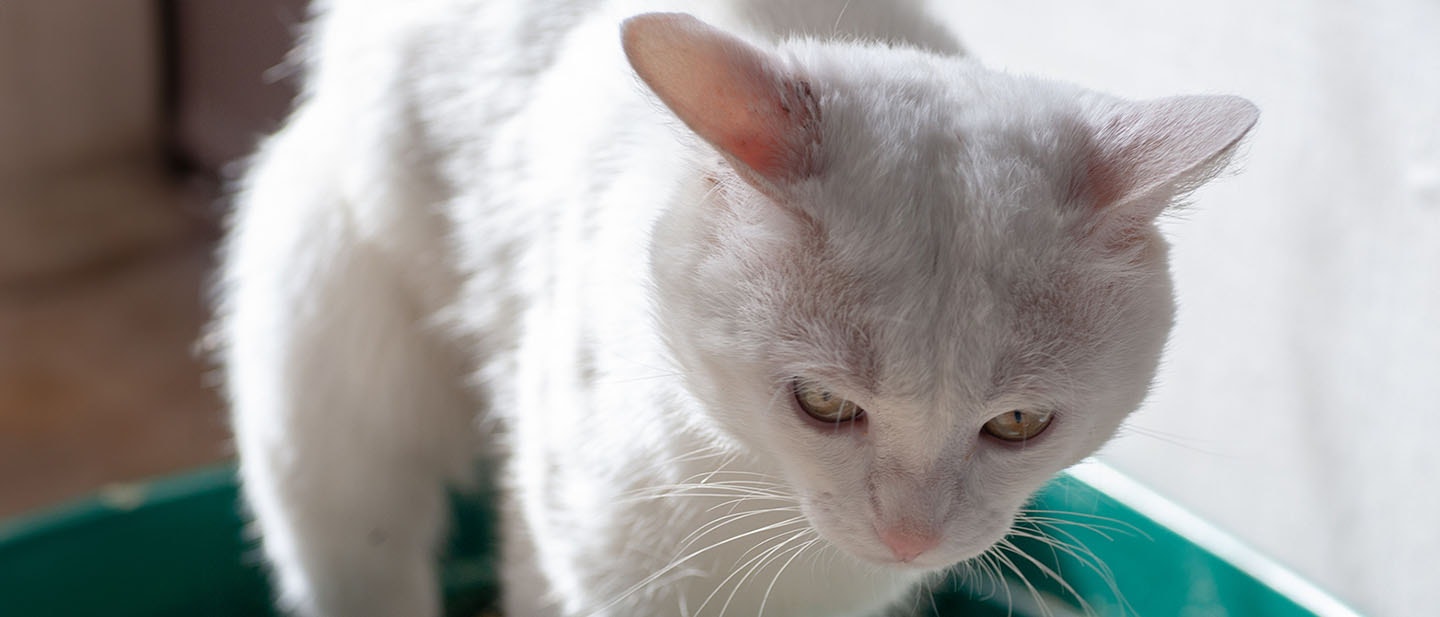
Straining During Bowel Movements
Straining shows your cat is having trouble passing stool. She may spend a long time in the litter box. You might see her push hard without success. This behavior suggests constipation or pain. Pay close attention if straining happens often.
Infrequent Defecation
Normal cats poop daily or every other day. After birth, fewer bowel movements may signal a problem. If your cat goes several days without pooping, watch carefully. Infrequent defecation can cause discomfort and health risks. Early detection is important for recovery.
Hard Or Dry Stools
Hard or dry stools are difficult to pass. Your cat might have small, crumbly poop or none at all. This condition often results from dehydration or diet changes. Observe the texture of her stools to spot constipation. Soft, regular stools are a good sign.
Loss Of Appetite
A cat that refuses food may be in pain or discomfort. Loss of appetite often accompanies digestive issues like constipation. Monitor eating habits closely after birth. Reduced food intake can worsen constipation and delay healing. Encourage eating to support recovery.
Credit: www.whiskas.com.ph
Home Remedies To Relieve Constipation
Constipation can be uncomfortable for cats after giving birth. Gentle care at home often helps ease their discomfort. Simple changes in daily habits can support smoother digestion and bowel movements. These home remedies focus on hydration, diet, and activity to naturally relieve constipation.
Hydration Tips
Water is vital for soft stools and healthy digestion. Provide fresh water at all times. Some cats prefer running water, so a pet water fountain may encourage drinking. Wet food can increase fluid intake and support hydration. Monitor your cat’s water intake closely during postpartum recovery.
Diet Adjustments
Fiber helps regulate bowel movements. Add small amounts of plain canned pumpkin or cooked carrots to your cat’s food. These natural fibers soften stool and promote regularity. Avoid giving large portions at once; introduce new foods gradually. Consult your vet before changing your cat’s diet to ensure safety.
Encouraging Exercise
Mild exercise stimulates digestion and bowel activity. Gently encourage movement through short play sessions. Use toys or soft interaction to motivate your cat without causing stress. Avoid strenuous activity, especially soon after birth. Consistent, light exercise supports healthy digestion and overall well-being.
When To See A Veterinarian
Knowing when to see a veterinarian is crucial if your cat shows signs of constipation after giving birth. Some symptoms might seem normal but could indicate a serious problem. Early care can prevent complications and ensure your cat’s health and comfort.
Persistent Symptoms
Constipation lasting more than two days needs professional attention. Watch for repeated straining without results. Ongoing discomfort or bloating also signals a need for a vet visit. Persistent symptoms rarely improve without treatment.
Severe Discomfort
Your cat may show signs of pain like vocalizing or hiding. Refusal to eat or drink is a warning sign. Notice if she stops caring for her kittens. Severe discomfort requires immediate veterinary care to avoid worsening conditions.
Signs Of Complications
Complications include vomiting, lethargy, and swollen abdomen. Blood in stool or urine is a serious concern. Difficulty breathing or sudden weakness demands urgent vet intervention. These signs can indicate infections or blockages needing prompt treatment.
Preventing Constipation In Future
Preventing constipation in cats after giving birth requires ongoing care. Keeping your cat healthy means watching her diet, habits, and health closely. Small changes can help avoid discomfort and promote smooth digestion. Consistent care supports her recovery and overall well-being.
Balanced Nutrition
Provide a diet rich in fiber to help digestion. Include wet food to increase water intake. Fresh water should always be available to keep her hydrated. Avoid sudden changes in food to prevent stomach upset. Nutritional balance supports regular bowel movements.
Regular Monitoring
Check your cat’s litter box habits daily. Note any signs of straining or discomfort during bowel movements. Track her appetite and energy levels for changes. Early detection of issues helps prevent severe constipation. Keep a simple log to share with your vet.
Safe Laxatives And Supplements
Use only vet-approved laxatives or supplements. These can ease bowel movements if constipation occurs. Avoid human medications as they can harm cats. Probiotics may improve gut health and digestion. Consult your vet before starting any supplement or medication.
Credit: pethelpful.com
Frequently Asked Questions
Do Cats Commonly Get Constipated After Giving Birth?
Yes, some cats may experience mild constipation after birth. Hormonal changes and reduced activity can slow digestion temporarily.
What Are Signs Of Constipation In Postpartum Cats?
Look for infrequent or difficult bowel movements, straining, and hard stools. Cats may also show discomfort or lethargy.
How Can I Help My Cat Avoid Constipation After Birth?
Provide plenty of fresh water, a high-fiber diet, and encourage gentle activity. Consult a vet if symptoms persist.
When Should I See A Vet For My Constipated Cat?
If constipation lasts more than two days or your cat shows pain, vomiting, or loss of appetite, seek veterinary care immediately.
Conclusion
Cats may face constipation after giving birth due to stress or diet changes. Watch for signs like straining or less frequent stools. Feeding a balanced diet and keeping your cat hydrated helps digestion. Regular vet check-ups ensure your cat recovers well.
Prompt care prevents discomfort and health issues. Remember, a healthy mother cat means healthy kittens too. Stay attentive and offer gentle support during this time. Small steps make a big difference in your cat’s recovery.

Lily Purrington is the founder of MyKittyPicks.com, a cozy corner of the web dedicated to helping cat lovers discover the best cat products, furniture, toys, and home decor ideas.
A lifelong cat enthusiast, Lily shares trusted tips, honest product recommendations, and stylish inspiration designed to keep kitties happy and homes beautiful.
Her mission is simple: to bring together practical advice and purr-fect picks that make life better for cats and the people who love them.


