

If you have a cat, you probably want the best for your furry friend’s health and happiness. One way to keep your cat hydrated is by using a cat water fountain.
But have you ever wondered—do cat water fountains really need filters? This question matters because the right filter can keep the water fresh and safe, while the wrong choice might do more harm than good. You’ll discover why filters are important, what types work best, and how to choose the perfect one for your cat’s fountain.
Keep reading to make sure your pet always drinks clean, fresh water every day.

Credit: www.amazon.com
Benefits Of Cat Water Fountains
Cat water fountains offer several benefits that improve your pet’s health and comfort. They provide a steady flow of clean water, which appeals to cats more than still water in bowls. The design helps maintain water quality and encourages pets to drink more often. This section explores the key benefits of using cat water fountains.
Encourages Hydration
Flowing water attracts cats and stimulates their interest in drinking. Cats often drink less from static bowls. A fountain’s movement makes water more appealing. Increased water intake supports kidney health and prevents urinary issues.
Reduces Bacterial Growth
Filters in cat water fountains trap debris and impurities. This reduces the buildup of harmful bacteria. Clean water lowers the risk of infections. Regular filter changes keep the water safe and healthy for your cat.
Promotes Freshness
Continuous circulation keeps water fresh and oxygenated. Stale water loses its taste and smell, which cats dislike. A fountain’s design prevents water from sitting too long. This ensures your cat enjoys fresh-tasting water every time.

Credit: infrakraft.com
Role Of Filters In Water Fountains
Filters play a vital role in keeping cat water fountains clean and safe. They help maintain water quality by removing unwanted substances. Clean water encourages cats to drink more, supporting their health. Filters ensure the water stays fresh and appealing.
Purification Process
Filters remove harmful particles from the water. They catch bacteria, dust, and other impurities. This process helps prevent illnesses caused by dirty water. Some filters also reduce chlorine and heavy metals. Clean water leads to better hydration for cats.
Trap Debris And Hair
Cat water fountains often collect hair and dirt. Filters catch floating debris and pet hair. This stops the water from getting cloudy or dirty. Trapping these particles keeps the fountain cleaner longer. It reduces the need for frequent cleaning.
Odor And Taste Enhancement
Filters improve the water’s smell and taste. They remove bad odors caused by bacteria or chemicals. Fresh water tastes better to cats, encouraging drinking. Improved taste helps keep cats healthy and hydrated. Clean water also makes the fountain more pleasant to use.
Types Of Filters Used
Cat water fountains use different filters to keep water clean and fresh. Filters remove dirt, hair, and bad smells. They also help stop bacteria growth. Each type of filter works in a special way to make water safe for your cat.
Carbon Filters
Carbon filters use activated charcoal to trap impurities. They remove odors and harmful chemicals from the water. These filters improve the taste and smell of water. Carbon filters are common in many cat fountains. They need regular replacement to work well.
Foam Filters
Foam filters catch hair, dust, and large particles. They act as a first step to clean water. Foam filters help protect other filter parts from clogging. These filters are washable and reusable. They last longer but should be cleaned often.
Ceramic Filters
Ceramic filters have tiny holes that block bacteria and dirt. They provide extra purification for your cat’s water. Ceramic filters last longer than other types. They need gentle cleaning to avoid damage. These filters are good for keeping water very clean.
Maintenance Tips For Filters
Maintaining the filters in your cat’s water fountain is key to keeping the water clean and fresh. Neglecting this can lead to unpleasant tastes and even health issues for your furry friend. Let’s look at practical tips to help you care for these filters effectively.
Regular Cleaning Schedule
Set a routine to clean the filter at least once a week. Rinsing it under cool water removes debris and prevents buildup. Avoid using soap, as residues can harm your cat or affect water taste.
Besides the filter, clean the fountain itself regularly. This prevents algae and bacteria growth, which can clog the filter faster.
Filter Replacement Guidelines
Filters don’t last forever. Most manufacturers recommend replacing them every 2 to 4 weeks depending on usage and water quality. If your water is hard or contains a lot of particles, you might need to change filters more often.
Keep spare filters on hand so you don’t run out. Waiting too long can cause the filter to become ineffective, letting contaminants pass through.
Signs Of Filter Wear
How do you know when it’s time for a new filter? Watch for slower water flow or unusual odors. These often mean the filter is clogged or saturated.
Cloudy or discolored water is another sign. If your cat suddenly seems uninterested in drinking, check the filter immediately—it could be affecting the water quality.
Choosing The Right Filter For Your Fountain
Choosing the right filter for your cat water fountain helps keep water clean and fresh. Filters remove dirt, hair, and bad smells. Picking the best filter depends on several factors. Understanding these points ensures your cat drinks healthy water every day.
Compatibility With Fountain Model
Not all filters fit every fountain. Each model uses specific filter types. Check the fountain’s brand and model number first. Use filters made for your exact fountain. Using wrong filters can cause leaks or poor water flow.
Some fountains have unique shapes or sizes. Always read the product details before buying. If possible, buy filters from the same brand. This keeps the fountain working well and lasts longer.
Assessing Water Quality Needs
Water quality differs by location. Some areas have hard water with minerals. Others have chlorine or bad tastes. Choose filters that target your local water issues.
Activated carbon filters remove odors and chlorine. Ion exchange filters reduce minerals in hard water. Some filters combine both methods for better cleaning. Pay attention to the type of impurities in your water supply.
Cost And Availability Considerations
Filters vary in price and how often they need changing. Cheaper filters may need replacement more often. Frequent changes can add up over time.
Check how easy it is to buy replacement filters. Some brands sell filters in stores and online. Others may be hard to find. Choose filters that fit your budget and are easy to get.
Common Myths About Filters
Filters in cat water fountains often come with a lot of confusion and misinformation. Many pet owners wonder if these filters are necessary, how often they need to be changed, or if they could even be harmful to their cats. Let’s clear up some common myths about filters to help you make the best choice for your furry friend.
Do Filters Need Frequent Replacement?
Some believe that filters must be replaced very often, but the truth depends on your cat’s water consumption and fountain model. Most manufacturers recommend changing filters every 2 to 4 weeks to keep the water clean and fresh.
Ignoring this can lead to clogged filters that reduce water flow and trap bacteria. Think about how often you change your own water filter; it’s similar. Regular replacement ensures your cat always has access to clean water without any build-up.
Can Fountains Function Without Filters?
You might wonder if a fountain can work without a filter at all. Technically, yes, it can circulate water, but without a filter, impurities like hair, dirt, and slime can accumulate quickly.
This buildup not only affects water taste and smell but can also cause the pump to fail sooner. A filter acts as a barrier, keeping the water cleaner for longer and reducing maintenance on the fountain itself.
Are Filters Harmful To Cats?
There’s a myth that filters could introduce chemicals or harm cats in some way. In reality, filters are designed to be safe and non-toxic, often made from activated carbon and other pet-safe materials.
Many cats actually prefer filtered water because it tastes fresher and cleaner. If your cat is picky about drinking water, a filtered fountain might encourage better hydration, which is crucial for their health.
Expert Opinions On Cat Water Fountains
Understanding expert opinions on cat water fountains can help you decide if filters are truly necessary. Experts from different backgrounds offer unique viewpoints, making it easier for you to weigh the pros and cons. Let’s look at what veterinarians, pet owners, and manufacturers say about these devices.
Veterinarian Insights
Many veterinarians emphasize the importance of clean water for your cat’s health. They often recommend fountains with filters because these can remove impurities and prevent bacteria buildup. Some vets mention that filtered water encourages cats to drink more, reducing risks of urinary and kidney problems.
However, vets also warn that not all filters are equal. Regular replacement is crucial to avoid contamination. Have you checked how often your fountain’s filter needs changing?
Pet Owner Experiences
Pet owners share mixed experiences with cat water fountains. Some report their cats prefer filtered fountains because the water tastes fresher and stays clearer longer. Others say their cats are indifferent but appreciate the reduced cleaning effort filters provide.
Many owners note that skipping filter changes can lead to unpleasant odors or clogged fountains. This raises a question: are you ready to commit to regular maintenance for your fountain?
Manufacturer Recommendations
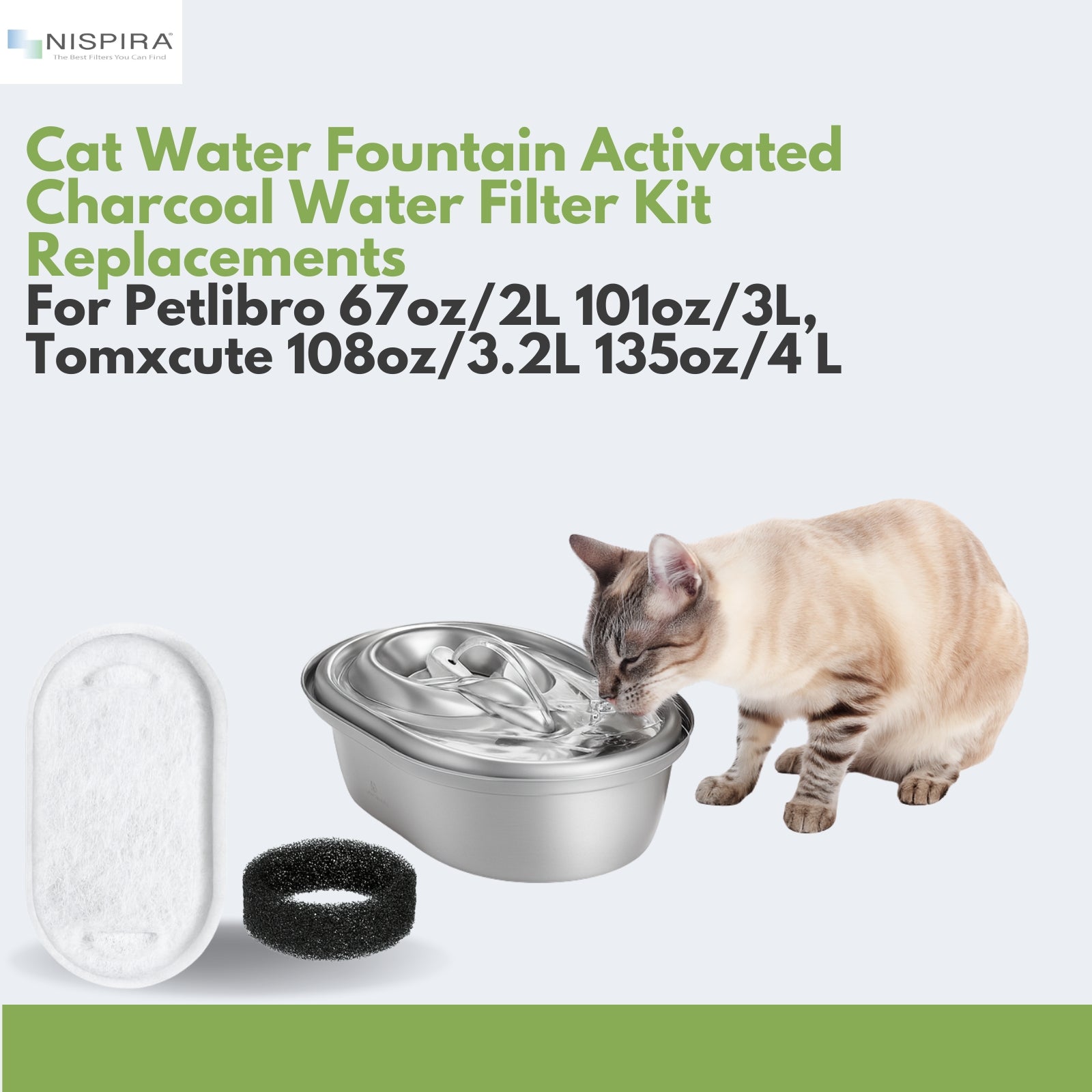
Manufacturers usually recommend using filters to maintain water quality and extend the life of the fountain’s pump. Their instructions often include a schedule for filter replacement, usually every 2 to 4 weeks. They highlight that filters trap hair, debris, and other particles that may harm your cat’s health.
Some brands offer specialized filters tailored for specific water concerns like hard water or chlorine. Checking your local water quality might help you decide which filter works best for your cat’s fountain.
Credit: nispira.com
Frequently Asked Questions
Do Cat Water Fountains Require Filters?
Yes, most cat water fountains need filters to keep water clean. Filters remove debris, hair, and impurities, ensuring fresh water for your cat. Regular filter changes improve water quality and prevent bacterial growth, promoting your cat’s health.
How Often Should I Change Fountain Filters?
Change cat fountain filters every 2 to 4 weeks. Frequent changes maintain water purity and prevent odor or slime buildup. Check the manufacturer’s instructions for specific replacement times.
Can I Use A Cat Fountain Without Filters?
Using a cat fountain without filters is not recommended. Filters trap dirt and contaminants, ensuring fresh water. Without filters, water may become dirty quickly, risking your cat’s health.
What Types Of Filters Do Cat Fountains Use?
Cat fountains typically use carbon and foam filters. Carbon filters remove odors and impurities. Foam filters catch hair and debris. Both types work together to keep water clean and fresh.
Conclusion
Cat water fountains work best with clean water. Filters keep water fresh and remove dirt. They stop bad smells and harmful germs. Changing filters often keeps your cat healthy. Clean water helps cats drink more and stay happy. Filters are a small step with big benefits.
Choose a fountain with easy filter replacement. Your cat deserves fresh water every day.

Lily Purrington is the founder of MyKittyPicks.com, a cozy corner of the web dedicated to helping cat lovers discover the best cat products, furniture, toys, and home decor ideas.
A lifelong cat enthusiast, Lily shares trusted tips, honest product recommendations, and stylish inspiration designed to keep kitties happy and homes beautiful.
Her mission is simple: to bring together practical advice and purr-fect picks that make life better for cats and the people who love them.


