

If you have a ferret, you might wonder if you can use cat litter for their bathroom needs. It sounds simple, but not all litters are safe or comfortable for ferrets.
Choosing the right litter can affect your ferret’s health and happiness. You’ll discover what types of cat litter work best, which ones to avoid, and how to keep your ferret’s space clean and safe. Keep reading to find out exactly what you need to know to make the best choice for your furry friend.
Ferret Litter Basics
Ferret litter basics are essential for every ferret owner. Choosing the right litter helps keep your home clean and your ferret healthy. Not all litters suit ferrets. Understanding their needs makes litter training easier. Cleanliness and safety are top priorities. Ferrets have sensitive noses and paws. Their litter should be dust-free and gentle. Avoid litters that clump too hard or have strong smells. The right litter supports good habits and comfort.
Common Litter Types
- Clay-based litter: Absorbs moisture but can be dusty and heavy.
- Wood pellet litter: Natural, low dust, and controls odor well.
- Paper-based litter: Soft, dust-free, and eco-friendly but less absorbent.
- Corn or wheat litter: Biodegradable and gentle but may attract pests.
- Clumping litter: Easy to clean but may irritate ferret paws.
Ferret Preferences
Ferrets often prefer litter that feels soft underfoot. They dislike strong scents and dust. Avoid scented litters to prevent respiratory issues. Many ferrets choose wood pellets or paper litter. These types reduce dust and odor without harsh chemicals. Some ferrets avoid clay litters due to texture or smell. Observe your ferret’s behavior to find the best fit. Keep litter boxes clean to encourage use. Frequent cleaning helps maintain your ferret’s health and comfort.

Credit: www.reddit.com
Risks Of Cat Litter For Ferrets
Using cat litter for ferrets carries several risks. Ferrets have sensitive respiratory systems and unique behaviors. Many cat litters contain substances harmful to ferrets. Understanding these risks helps pet owners keep ferrets safe and healthy.
Health Concerns
Ferrets breathe quickly and deeply. Dust from cat litter can irritate their lungs. This may cause coughing, sneezing, or breathing problems. Some litters produce strong smells that stress ferrets. Stress weakens their immune system and lowers their energy.
Ferrets often dig and play in their litter. They can accidentally swallow litter particles. This swallowing can cause digestive issues or blockages. Ferrets need soft, non-toxic materials safe for ingestion.
Toxic Ingredients
Many cat litters contain harmful chemicals or clumping agents. Ingredients like sodium bentonite can expand inside a ferret’s digestive tract. This expansion can cause serious health problems or death. Some litters have fragrances or dyes that irritate skin and eyes.
Clay-based litters may carry bacteria or fungi harmful to ferrets. Ferrets have delicate skin and respiratory tracts. Exposure to these toxins can lead to infections or allergic reactions.
Safe Litter Options For Ferrets
Choosing the right litter for ferrets ensures their health and comfort. Ferrets have sensitive respiratory systems. Some litters can be harmful if inhaled. Picking safe litter options keeps your ferrets happy and healthy. Let’s explore some recommended materials and DIY ideas.
Recommended Materials
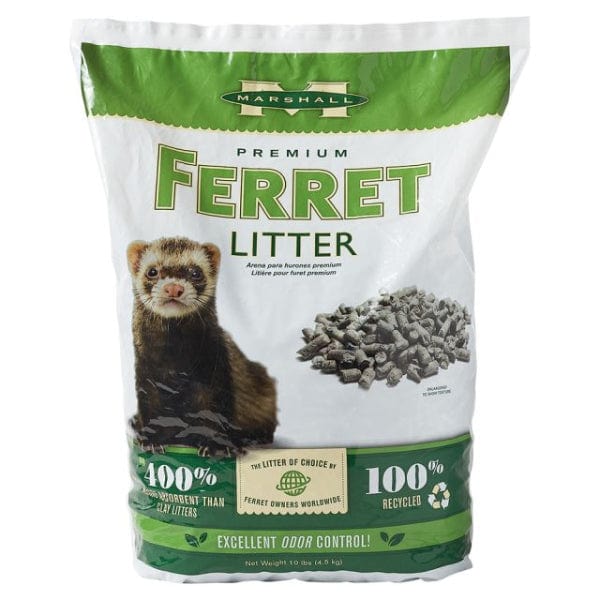
Certain materials work best for ferrets. Paper-based litters are a top choice. They are dust-free and absorbent. Pelleted paper litters are also a safe option. They provide good odor control without harming your ferret. Avoid clay and clumping litters. They can cause respiratory issues.
Wood-based litters can be safe if kiln-dried. Avoid cedar and pine. They release harmful oils. Aspen shavings are a safer alternative. They are less aromatic and gentle on ferrets.
Diy Litter Ideas
Homemade litter can be cost-effective. Shredded newspaper works well. It’s absorbent and easy to find. Avoid newspapers with heavy inks. They can stain or irritate your ferret. Old towels can be another option. Cut them into small pieces for easy cleaning. Wash and reuse them to save money.
Consider using corn cob bedding. It’s natural and absorbent. Ensure it’s dust-free to protect your ferret’s lungs. Always monitor your ferret with new litter. Some may chew or eat it. Safety first!
Training Ferrets To Use Litter
Training ferrets to use a litter box can save you a lot of hassle and keep your home clean. It requires patience and consistency, but your ferret can learn this habit just like a cat. Understanding the right techniques and environment will make the process smoother for both you and your pet.
Litter Box Placement
Where you place the litter box is crucial. Choose a quiet, easily accessible spot that your ferret frequents. Avoid high-traffic areas where your ferret might feel stressed or distracted.
Ferrets often choose corners or hidden spots for their bathroom needs. Placing the litter box there can encourage them to use it more consistently. If your ferret has multiple favorite hangouts, consider adding more than one litter box.
Encouraging Good Habits
Positive reinforcement works wonders. Praise your ferret or offer a small treat immediately after it uses the litter box. This will help your ferret associate the litter box with good things.
Watch your ferret’s behavior closely. If you notice signs they need to go—like sniffing or circling—gently place them in the litter box. Consistency helps them understand what you expect.
- Clean the litter box regularly to keep it inviting.
- Use a ferret-safe litter, avoiding clumping or dusty types.
- Be patient; accidents are part of learning.
Have you noticed your ferret’s preferred spots for bathroom breaks? Using that insight can speed up training significantly. What small changes in your approach might make your ferret more comfortable with the litter box?
Cleaning And Maintenance
Cleaning and maintenance are vital for ferret litter boxes, especially when using cat litter. Keeping the litter box clean ensures your ferret stays healthy and happy. It also helps to control smells and keeps the living area fresh. Proper care means less mess and fewer problems for both you and your pet.
Frequency Of Cleaning
Change the litter at least twice a week. Scoop out solid waste daily to keep the box tidy. Ferrets produce strong odors, so frequent cleaning is important. Wash the litter box with mild soap and water once a week. Avoid harsh chemicals that can harm your ferret.
Preventing Odors
Use unscented, dust-free cat litter to reduce smells. Add a small layer of baking soda under the litter to absorb odor. Keep the litter box in a well-ventilated area. Regular cleaning stops odors before they start. Replace the entire litter regularly to maintain freshness.
Credit: www.petland.ca
Signs Of Litter Issues
Noticing signs of litter issues in ferrets helps keep them healthy and happy. Changes in behavior or health can point to problems with their litter. Early detection prevents bigger troubles and discomfort for your pet.
Behavioral Changes
Ferrets may stop using their litter box if it causes discomfort. Watch for these signs:
- Avoiding the litter box
- Digging or scratching outside the box
- Frequent restlessness or pacing
- Sudden aggression or irritability
- Excessive sniffing around the box
These behaviors can mean the litter is unsuitable or causing distress.
Health Symptoms
Health problems can arise from improper litter use. Common symptoms include:
- Red or irritated paws
- Sneezing or coughing
- Watery or red eyes
- Skin rashes near the feet or belly
- Changes in appetite or energy
These signs suggest the litter may be harmful or irritating your ferret.

Credit: www.healthy-pet.com
Frequently Asked Questions
Can Ferrets Safely Use Cat Litter Boxes?
Ferrets can use cat litter boxes, but only with safe, non-clumping litter. Clumping litter can cause digestive issues if ingested. Choose paper-based or wood pellet litters that are dust-free and non-toxic to keep your ferret healthy and comfortable.
What Type Of Cat Litter Is Best For Ferrets?
The best cat litter for ferrets is dust-free, non-clumping, and made from natural materials. Paper pellets or wood-based litters are ideal. Avoid clay or scented litters, as they can irritate ferrets’ respiratory systems and cause health problems.
Why Shouldn’t Ferrets Use Clumping Cat Litter?
Clumping cat litter can be harmful if ingested by ferrets. It may cause blockages or digestive issues. Ferrets often chew litter, so non-clumping types are safer to prevent internal injuries and keep their digestive tract healthy.
How To Introduce A Ferret To A Cat Litter Box?
Introduce a ferret to a cat litter box by placing it in their living area. Encourage use by placing the ferret in the box after meals or naps. Be patient and clean the box regularly to maintain hygiene and positive litter habits.
Conclusion
Ferrets can use cat litter, but choose the right kind carefully. Avoid clumping or dusty litters, as they may harm your ferret’s health. Use soft, unscented, and natural materials instead. Watch your ferret’s behavior to see what works best. Clean the litter box often to keep it fresh and safe.
Small changes make a big difference in your pet’s comfort. Keep your ferret happy and healthy with proper litter choices. Simple care helps your ferret enjoy a clean home.

Lily Purrington is the founder of MyKittyPicks.com, a cozy corner of the web dedicated to helping cat lovers discover the best cat products, furniture, toys, and home decor ideas.
A lifelong cat enthusiast, Lily shares trusted tips, honest product recommendations, and stylish inspiration designed to keep kitties happy and homes beautiful.
Her mission is simple: to bring together practical advice and purr-fect picks that make life better for cats and the people who love them.


