

Have you ever noticed your cat acting anxious or stressed and wished there was a simple, natural way to help them calm down? You might have heard about Rescue Remedy and wondered, “Can cats have Rescue Remedy safely?” If you want to ease your furry friend’s worries without harsh chemicals or medications, this question is important.
Keep reading to discover what Rescue Remedy is, how it works for cats, and what you need to know before giving it to your pet. Your cat’s comfort and safety come first, and this guide will help you make the best choice.
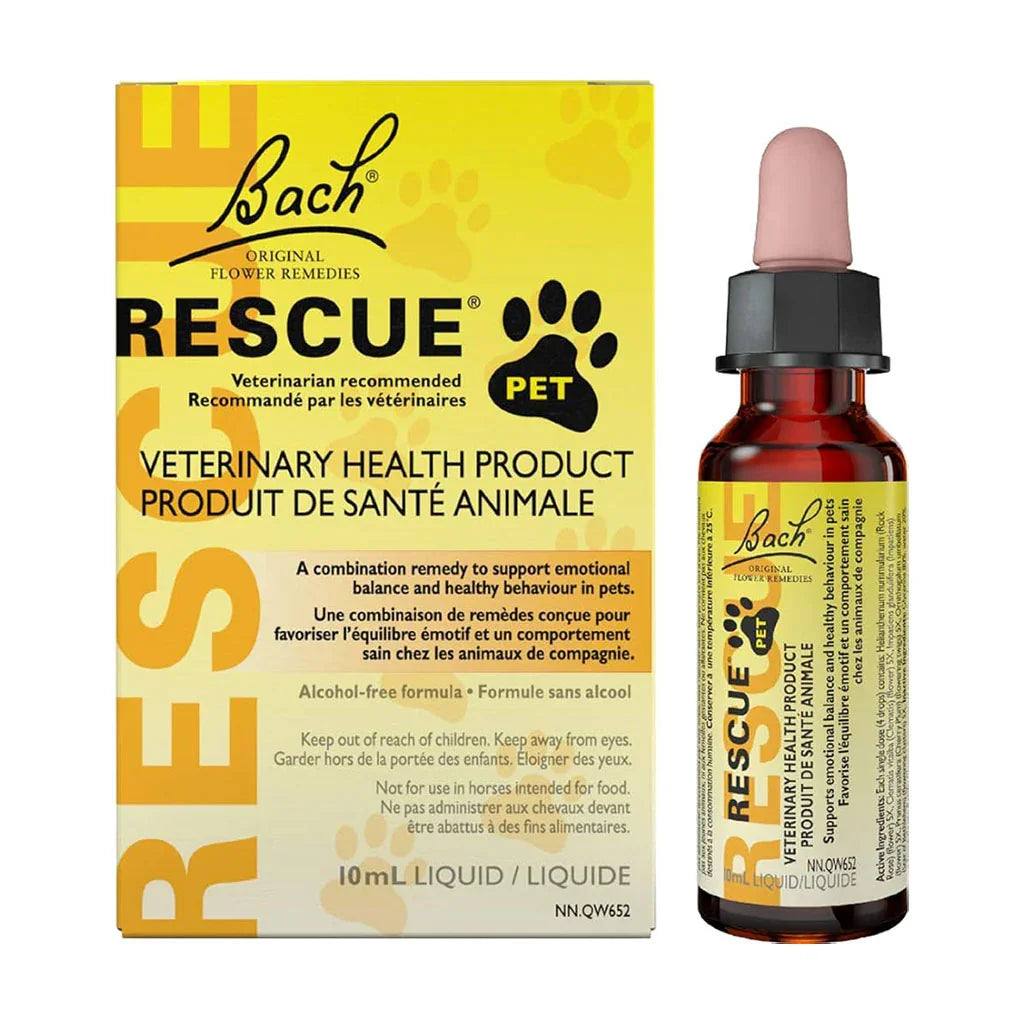
Credit: laboiteagrains.com
What Is Rescue Remedy?
If you’ve noticed your cat acting anxious or stressed, you might have heard about Rescue Remedy as a natural way to help calm them. But what exactly is Rescue Remedy? Understanding its background and how it works can help you decide if it’s right for your feline friend.
Origins And Ingredients
Rescue Remedy is a blend of flower essences developed by Dr. Edward Bach in the 1930s. It was originally designed to ease emotional distress in humans but has since been used for animals too.
The formula contains five key flower extracts:
- Rock Rose – for intense fear and panic
- Clematis – for lack of focus or drowsiness
- Impatiens – for irritability and impatience
- Cherry Plum – for fear of losing control
- Star of Bethlehem – for shock or trauma
These natural ingredients work together to create a calming effect without sedation.
How It Works
Rescue Remedy works by gently influencing your cat’s emotional state rather than physically sedating them. It helps balance their feelings during stressful moments like vet visits or thunderstorms.
Think about a time when your cat suddenly hid or acted restless. Rescue Remedy may help ease that unease by supporting their nervous system.
It’s important to note that Rescue Remedy is not a medication but a natural supplement. You usually give it in small drops added to water or directly into your cat’s mouth.
Have you considered how calming your cat’s environment could be paired with Rescue Remedy for better results? Sometimes, simple changes combined with natural aids can make a big difference.
Is Rescue Remedy Safe For Cats?
When considering natural remedies for your feline friend, you might wonder if Rescue Remedy is safe for cats. This popular herbal solution is often used to alleviate stress and anxiety in humans, but is it suitable for your cat too? Understanding the safety of Rescue Remedy for cats involves exploring expert opinions and potential risks.
Veterinarian Opinions
Veterinarians generally agree that Rescue Remedy can be safe for cats when used correctly. Many vets recommend it as a complementary option for managing anxiety and stress-related behaviors. However, it’s crucial to consult your vet before introducing any new treatment to ensure it’s appropriate for your cat’s specific health needs.
Some vets have observed positive effects, noting that cats seem calmer and more relaxed. Yet, others point out that not all cats respond the same way. Your vet can provide guidance on the appropriate dosage and application method, tailored to your pet.
Potential Risks
While Rescue Remedy is generally considered safe, there are potential risks to be aware of. Overuse or incorrect dosage could lead to unwanted side effects, such as digestive upset or lethargy.
Additionally, some formulations contain alcohol, which can be harmful to cats. Always choose an alcohol-free version specifically designed for pets. Keep an eye on your cat for any adverse reactions, and discontinue use if you notice anything unusual.
Have you ever tried natural remedies for your pets? What was your experience? Ensuring safety while seeking effective solutions can make a world of difference for your furry family member.
When To Use Rescue Remedy For Cats
Rescue Remedy is a natural blend often used to calm cats during challenging moments. Knowing the right times to use it can help your cat feel safer and more relaxed. This remedy works best when your cat faces specific emotional or environmental changes.
Stressful Situations
Cats can get stressed by sudden or loud noises. Fireworks and thunderstorms often scare them. Trips to the vet can also cause anxiety. Rescue Remedy can soothe your cat before and during these events. It helps lower tension and promotes calm behavior.
Moving to a new home is another stressful time. Introducing new pets or people can upset your cat. Rescue Remedy supports your cat’s adjustment process. It eases fear and helps them adapt more smoothly.
Behavioral Triggers
Some cats react strongly to certain triggers. These might include being left alone or changes in routine. Rescue Remedy helps reduce nervousness in these cases. It supports your cat in staying calm and balanced.
Behavioral issues like scratching furniture or hiding can also improve. Rescue Remedy encourages relaxation and lessens anxiety-driven actions. It is a gentle way to support your cat’s emotional health.

Credit: www.amazon.com
How To Administer Rescue Remedy
Administering Rescue Remedy to your cat requires care and attention to ensure it is both safe and effective. Understanding the right dosage and how to deliver it properly can make a big difference in your cat’s response. Let’s break down the best ways to give Rescue Remedy to your feline friend.
Dosage Guidelines
Cats are sensitive creatures, so less is often more when it comes to Rescue Remedy. A typical dose is just a few drops—usually between 2 to 4 drops per dose.
You can give this dose up to three times a day, depending on your cat’s stress level and your vet’s advice. Remember, always start with the lowest dose to see how your cat reacts.
Keep a close eye on your cat after administering the remedy. If you notice any unusual behavior, stop and consult your vet immediately. Do you know your cat’s normal behavior well enough to spot subtle changes?
Methods Of Delivery
- Directly into the Mouth:Use a dropper to place the drops gently inside your cat’s cheek. This ensures quick absorption but requires patience and a calm approach.
- Mixed with Water or Food:Add the drops to your cat’s water bowl or mix them into a small amount of wet food. This method is less stressful but may delay the remedy’s effects slightly.
- Spray Bottle:Some owners prefer a spray bottle to mist the remedy near the cat’s face, allowing them to inhale the calming essence. This can work well for anxious cats who resist oral drops.
Each method has its pros and cons. What feels easiest for you might not be the best fit for your cat’s temperament. Have you tried different ways to see which your cat prefers?
Alternative Calm Tips For Cats
Finding ways to calm your cat without relying solely on Rescue Remedy can be a game-changer for both of you. Cats are sensitive creatures, and small changes in their environment or routine can make a big difference in their stress levels. Here are some practical tips that can help create a peaceful atmosphere and support your cat’s emotional well-being naturally.
Environmental Adjustments
Have you noticed how your cat reacts to sudden noises or changes around the house? Adjusting their environment can reduce stress significantly.
- Create safe spaces:Cats love hiding spots. Add cozy boxes or covered beds where your cat can retreat and feel secure.
- Use calming scents:Certain scents like lavender or chamomile can soothe cats. Try diffusers or sprays made specifically for pets.
- Maintain a routine:Cats thrive on predictability. Feeding, playtime, and quiet time should happen around the same times daily.
- Limit loud noises:Turn down the TV or music volume and avoid sudden loud sounds that might startle your cat.
Adjusting your cat’s environment is often easier than you think. Have you checked if your cat’s favorite hiding spot is accessible and comfortable?
Natural Supplements
Besides Rescue Remedy, several natural supplements can help your cat stay calm. These options are gentle and can be used alongside environmental changes.
- CBD oil:Many cat owners report that CBD oil helps reduce anxiety and promotes relaxation. Always choose pet-specific products and consult your vet first.
- Valerian root:This herb acts like a natural sedative for cats, often used to ease stress during travel or vet visits.
- Fish oil:Omega-3 fatty acids found in fish oil support brain health and can help manage stress responses.
- L-theanine:This amino acid, found in green tea, can have calming effects and is available in supplements made for pets.
Have you ever tried a natural supplement for your cat’s anxiety? Noticing small changes in their behavior can guide you to the best option.

Credit: www.walmart.com
Monitoring Your Cat’s Response
Monitoring your cat’s response after giving Rescue Remedy is vital. It helps you understand if the remedy works or causes any problems. Careful observation ensures your cat’s safety and comfort. Watch your cat closely for changes in behavior and health. Keep a simple daily log to track progress or issues.
Signs Of Improvement
- Your cat appears calmer during stressful situations.
- Reduced hiding or aggressive behavior.
- More relaxed body language, like soft eyes and slow blinking.
- Improved appetite and normal grooming habits.
- Increased interest in playing or interacting with family.
When To Seek Veterinary Help
- Persistent anxiety or worsening behavior after several days.
- Signs of allergic reaction, such as swelling or itching.
- Loss of appetite or vomiting.
- Excessive drooling or unusual lethargy.
- Any sudden or severe changes in your cat’s condition.
Frequently Asked Questions
Can Rescue Remedy Help Calm Anxious Cats?
Yes, Rescue Remedy can help calm anxious cats by reducing stress naturally. It contains flower essences that soothe nervousness without side effects.
Is Rescue Remedy Safe For All Cats?
Generally, Rescue Remedy is safe for most cats when used as directed. However, consult a vet before use, especially for kittens or sick cats.
How Do You Administer Rescue Remedy To Cats?
You can give Rescue Remedy to cats by placing drops in their water or directly on their tongue. Follow the recommended dosage for safety.
How Long Does Rescue Remedy Take To Work In Cats?
Rescue Remedy usually starts working within 15 to 30 minutes. Effects may vary depending on the cat’s stress level and individual sensitivity.
Conclusion
Cats may benefit from Rescue Remedy in some cases. Always check with a vet before giving it to your pet. Use the remedy carefully and watch your cat’s behavior closely. Natural calming options can help, but safety comes first. Each cat reacts differently.
Keep your furry friend comfortable and calm with proper care. Rescue Remedy is one option, not a cure-all. Stay informed and choose what is best for your cat’s health.

Lily Purrington is the founder of MyKittyPicks.com, a cozy corner of the web dedicated to helping cat lovers discover the best cat products, furniture, toys, and home decor ideas.
A lifelong cat enthusiast, Lily shares trusted tips, honest product recommendations, and stylish inspiration designed to keep kitties happy and homes beautiful.
Her mission is simple: to bring together practical advice and purr-fect picks that make life better for cats and the people who love them.


