

If you love your cat but worry about the birds in your garden, you’re not alone. Many cat owners ask themselves: Can cats be trained not to kill birds?
It’s a tough question because hunting is a natural instinct for cats. But what if you could help your furry friend live peacefully alongside the birds you cherish? Imagine enjoying your backyard without the fear of losing feathered visitors. You’ll discover simple, effective ways to protect birds while keeping your cat happy.
Keep reading to learn how you can make a difference today.

Credit: www.aol.com
Cats And Bird Predation
Cats and bird predation is a natural but concerning issue. Many cats enjoy hunting birds, which can affect local wildlife. Understanding why cats hunt and how this impacts bird populations helps us find better solutions. This section explores these topics clearly and simply.
Why Cats Hunt Birds
Cats are natural hunters. They have sharp senses and quick reflexes to catch prey. Hunting birds satisfies their instincts, even if they are well-fed at home. The movement and sounds of birds attract cats. Small birds are easy targets, making them common prey.
Some reasons cats hunt birds include:
- Instinct to chase moving objects
- Practice hunting skills
- Entertainment and exercise
- Natural curiosity
Impact On Bird Populations
Bird predation by cats can harm local bird numbers. Birds may struggle to build nests or raise chicks safely. Some bird species are more vulnerable, especially those already at risk. High cat populations in urban and rural areas increase the threat.
Key impacts on birds include:
- Reduced bird population growth
- Disruption of breeding cycles
- Loss of biodiversity in some areas
- Stress and injury to surviving birds
Training Basics For Cats
Cats can learn to reduce hunting birds through consistent training and redirection. Using toys and positive rewards helps shift their focus away from wildlife. Patience and gentle guidance play key roles in changing this natural behavior.
Training cats not to kill birds can feel like a daunting task. Cats are natural hunters, and their instincts are powerful. However, with patience and understanding, you can guide your feline friend toward more bird-friendly behavior.Reading Cat Behavior
Understanding your cat’s behavior is the first step in training. Notice when your cat becomes more alert or stalks around the house. These are signs of their hunting instincts kicking in. Spend time observing what triggers these instincts. Is it the movement outside the window, or perhaps a toy? Once you know what excites them, you can redirect this energy.Setting Realistic Goals
Aim for progress, not perfection. Expecting your cat to completely stop hunting may be unrealistic. Instead, focus on reducing their opportunities to act on these instincts. Consider providing more indoor entertainment. Toys, climbing structures, and interactive play sessions can help satisfy their hunting desires. Remember, small changes can lead to big results over time. Are there particular times of day when your cat is more active? Use this to your advantage by introducing playtime during these periods.Effective Training Techniques
Training cats not to kill birds takes patience and the right techniques. Cats have strong hunting instincts, but these can be guided in safer ways. Effective training focuses on rewarding good behavior, redirecting natural urges, and controlling outdoor time. These steps help protect birds while keeping cats happy and active.
Using Positive Reinforcement
Reward cats for calm behavior around birds or outdoors. Use treats, praise, or playtime to encourage gentle actions. Avoid punishment; it can cause fear and confusion. Positive reinforcement builds trust and makes cats want to repeat good behavior. Consistent rewards help cats learn what is acceptable.
Redirecting Hunting Instincts
Offer toys that mimic bird movements to satisfy hunting drives. Use feather wands or laser pointers for interactive play sessions. This keeps cats busy and less focused on real birds. Rotate toys to keep interest high. Redirecting hunting energy helps reduce wildlife harm.
Leash Training And Outdoor Supervision
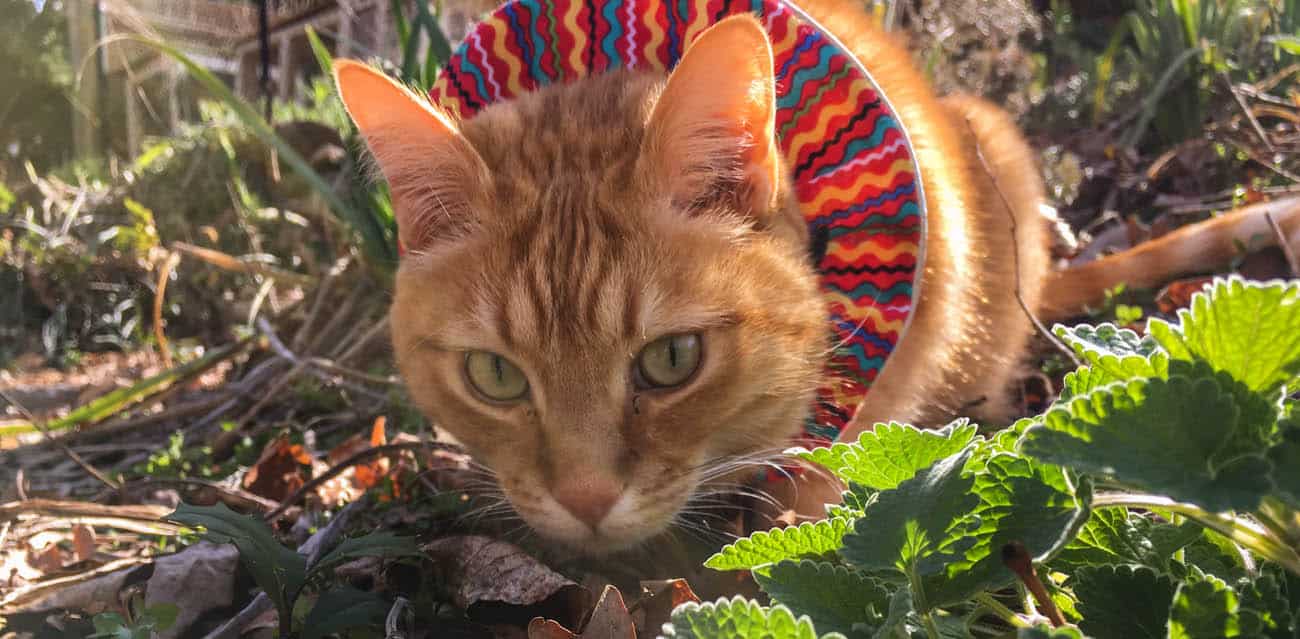
Train cats to walk on a leash for safe outdoor time. Start indoors with short sessions and a comfortable harness. Gradually introduce outdoor environments. Leash walks prevent unsupervised hunting and protect local birds. Supervision outdoors ensures cats stay safe and under control.

Credit: www.aol.com
Environmental Adjustments
Adjusting your environment can greatly reduce the chances of your cat hunting birds. It’s about making outdoor spaces less tempting or accessible to your cat while keeping birds safe. These changes not only protect wildlife but also let your cat enjoy the outdoors without harmful behavior.
Creating Bird-safe Outdoor Spaces
Think about setting up a dedicated outdoor area where your cat can play without threatening birds. A screened-in patio or a “catio” offers fresh air and sunshine safely. You can also add plenty of plants and perches for birds away from your cat’s reach.
Place bird feeders and birdhouses high enough to stay out of your cat’s jumping range. Dense bushes can provide natural cover for birds, making it harder for cats to spot them. Have you tried rearranging your garden to keep your cat and birds in separate zones?
Using Deterrents And Distractions
Deterrents can gently discourage your cat from chasing birds. Items like motion-activated sprinklers or ultrasonic devices can startle your cat without harm. Reflective objects or wind chimes placed near bird areas may also keep your cat’s curiosity at bay.
At the same time, give your cat plenty of toys and activities to focus on. Puzzle feeders, laser pointers, or interactive play sessions reduce boredom and hunting urges. Have you noticed how a busy cat is less likely to stalk wildlife?
Tools To Minimize Bird Hunting
Cats have a natural hunting instinct, making it hard to stop them from chasing birds. Several tools can help reduce bird hunting. These tools work by alerting birds or changing the cat’s behavior. Using the right tools can protect local bird populations while letting cats enjoy outdoor time safely.
Bell Collars And Their Effectiveness
Bell collars are common tools used to warn birds. The bell rings when a cat moves, alerting nearby birds. This noise can give birds time to fly away. Bells are easy to use and affordable.
Effectiveness varies. Some cats learn to move quietly despite the bell. Bells may annoy some cats and cause them to shake or remove the collar. Choosing a lightweight bell collar helps keep cats comfortable. Regularly checking the collar ensures it stays in place and works well.
Birdsafe Collars And Alternatives
BirdSafe collars use bright colors and patterns to warn birds. These collars make cats more visible to birds during hunting. Studies show these collars can reduce bird attacks by up to 70%.
Alternatives include reflective collars and fabric designs that catch birds’ attention. Some collars combine bells and bright colors for better results. Soft, breakaway collars provide safety without harming cats.
Choosing the right collar depends on the cat’s comfort and hunting habits. Monitoring how your cat reacts helps find the best option.
Monitoring And Consistency
Training your cat not to kill birds requires more than just initial effort—it demands ongoing monitoring and consistency. Without keeping a close eye on your cat’s behavior and reinforcing positive actions regularly, old habits can easily resurface. Staying committed to this process helps both you and your cat understand what’s expected and builds trust over time.
Tracking Progress
Start by observing your cat’s behavior daily, especially during times they’re most active outside. Note instances when your cat shows interest in birds but refrains from chasing or hunting. This can be as simple as keeping a small journal or using a phone app to record patterns and triggers.
Celebrate small wins, like your cat responding to a recall command or losing interest in birds nearby. These moments show progress and motivate you to keep training consistent. Have you noticed if certain times of day or environments make your cat more likely to stalk birds? Identifying these helps you intervene early.
Maintaining Long-term Habits
Consistency is key to turning training into lasting habits. Use the same commands and rewards every time your cat behaves well around birds. Mixing up your approach too often can confuse your cat and slow progress.
Involve all family members in the training process to ensure your cat receives uniform signals. If your cat slips up, calmly redirect their attention without punishment. Over time, patience and steady reinforcement will reduce predatory behavior.
Think about how you can keep your cat engaged with alternative activities like interactive toys or play sessions. These distractions lower the chance your cat will hunt birds out of boredom. What new routine can you add today to make your cat’s environment safer for local wildlife?
When Training Isn’t Enough
Sometimes, no matter how patient and consistent you are, training your cat not to kill birds just doesn’t work. Cats have strong hunting instincts that are deeply embedded in their nature. Even the most well-behaved feline can suddenly chase after a bird, especially if the opportunity is tempting.
When training isn’t enough, it’s important to think about other ways to protect wildlife while keeping your cat happy and healthy. This can mean rethinking your cat’s lifestyle or seeking expert advice.
Indoor Cat Lifestyle Benefits
Keeping your cat indoors can significantly reduce their impact on local bird populations. Indoor cats live longer, healthier lives and avoid dangers like traffic and predators.
But how do you keep a cat entertained and stimulated inside? You can add:
- Interactive toys that mimic hunting
- Climbing trees and scratching posts
- Window perches to watch birds safely outside
Many cat owners find that providing plenty of playtime and attention helps satisfy their cat’s hunting urges without letting them harm wildlife. Have you noticed your cat’s behavior change when given more indoor enrichment?
Professional Help And Resources
If you’ve tried training and lifestyle changes without success, consulting a professional can make a big difference. Animal behaviorists understand feline instincts and can offer personalized strategies to reduce hunting behavior.
Veterinarians can also recommend deterrents or calming products that help manage your cat’s impulses. Support groups and online forums provide valuable advice from fellow cat owners facing similar challenges.
Don’t hesitate to reach out—sometimes an outside perspective is what your cat needs to help both of you coexist peacefully with the local wildlife around you.
Credit: www.tyrantfarms.com
Frequently Asked Questions
Can Cats Be Trained To Stop Hunting Birds?
Yes, cats can be trained to reduce bird hunting. Using positive reinforcement, distractions, and supervised outdoor time helps. Training requires patience and consistency to change hunting behavior effectively.
Why Do Cats Instinctively Hunt Birds?
Cats hunt birds due to natural predatory instincts. Hunting satisfies their survival drive and provides mental stimulation. Even well-fed cats may hunt out of instinct.
What Methods Deter Cats From Killing Birds?
Using bell collars, providing toys, and creating bird-safe outdoor spaces deter cats. Training with commands and limiting outdoor access also helps prevent bird hunting.
Does Indoor Living Prevent Cats From Hunting Birds?
Indoor cats rarely hunt birds since they lack outdoor access. Keeping cats indoors protects birds and reduces hunting behavior risks.
Conclusion
Cats can learn to reduce hunting birds with patience and care. Training takes time but helps protect wildlife. Using toys and distractions keeps cats busy and less focused on birds. Providing safe outdoor spaces limits their chances to hunt. Remember, each cat is different and may respond uniquely.
Success depends on consistency and understanding your pet’s behavior. Protecting birds and keeping cats happy is possible. Small efforts make a big difference for both animals. Try these steps to help your cat and local birds coexist peacefully.

Lily Purrington is the founder of MyKittyPicks.com, a cozy corner of the web dedicated to helping cat lovers discover the best cat products, furniture, toys, and home decor ideas.
A lifelong cat enthusiast, Lily shares trusted tips, honest product recommendations, and stylish inspiration designed to keep kitties happy and homes beautiful.
Her mission is simple: to bring together practical advice and purr-fect picks that make life better for cats and the people who love them.


