

Have you ever wondered what it’s like to welcome a litter of cats into your home? The tiny paws, soft purrs, and playful antics can bring endless joy—and a bit of chaos too.
Whether you’re thinking about adopting a whole litter or just curious about how these little bundles grow and thrive, this article is for you. You’ll discover everything you need to know to care for them properly and enjoy every precious moment.
Ready to dive into the world of kittens? Let’s get started!
Preparing For A New Litter
Preparing for a new litter of kittens is an exciting yet delicate task. It requires thoughtful planning to ensure the mother cat and her babies are comfortable and safe. Getting ready ahead of time can make the entire experience smoother for you and less stressful for your feline family.
Setting Up A Safe Space
Choose a quiet, warm area in your home where the mother cat can feel secure. This space should be away from loud noises, other pets, and heavy foot traffic.
A small room or a cozy corner works well. Use a soft blanket or towel to line a box or a pet bed, giving the mother a comfortable place to rest and nurse.
Have you thought about how to keep this space undisturbed yet easily accessible for you to check on the kittens?
Gathering Necessary Supplies
Prepare all the essentials before the kittens arrive. This includes clean towels, heating pads set on low, and a scale to monitor the kittens’ growth.
Don’t forget basic grooming tools and a notebook to track feeding times and health notes. Having a small flashlight can also help during nighttime checks without startling the mother.
Are your supplies organized and within reach to avoid rushing around when the litter arrives?
Understanding Mother Cat’s Needs
The mother cat needs plenty of nutritious food and fresh water to support nursing. High-quality kitten food is best since it has the extra calories and nutrients she requires.
Keep her litter box close but separate from the nesting area to maintain cleanliness without disturbing the kittens.
How often are you planning to observe her behavior to catch any signs of stress or health issues early?

Credit: www.dreamstime.com
Caring For Newborn Kittens
Caring for newborn kittens is a delicate task that requires attention to detail and a gentle touch. These tiny creatures rely entirely on you for their survival and comfort during their first weeks of life. Understanding their needs helps you create a nurturing environment where they can thrive.
Feeding And Nursing Guidelines
Newborn kittens need to feed every two to three hours. If the mother cat is present and healthy, she will nurse them naturally. However, if you must step in, use a kitten milk replacer—not cow’s milk—as it has the right nutrients and is easier to digest.
Use a small bottle with a nipple designed for kittens or a syringe if necessary. Always warm the milk to body temperature before feeding. Watch the kittens closely to make sure they latch on properly and don’t choke.
Keeping Kittens Warm
Newborn kittens can’t regulate their body temperature and get cold quickly. You’ll need to provide a warm, draft-free space with soft bedding. A heating pad set on low, placed under half of their bed, works well so they can move away if it gets too hot.
Check the temperature regularly to avoid overheating. A good sign of proper warmth is kittens sleeping quietly and curling up comfortably. If they’re restless or cry often, it might be too cold or too hot.
Monitoring Health And Growth
Keep a daily log of each kitten’s weight to track their growth. Healthy kittens gain about 10-15 grams per day. If you notice any kitten lagging behind, acting weak, or having trouble breathing, act quickly and consult a vet.
Look for clear eyes, clean noses, and smooth coats as signs of good health. Your attentiveness can catch problems early, making a big difference in their survival and well-being.
Socializing And Handling Kittens
A litter of cats needs gentle handling to build trust and comfort. Spending time with kittens helps them grow social and friendly around people. Early interaction shapes their behavior and strengthens bonds.
Socializing and handling kittens is crucial for their development and future interactions with humans. Whether you’re a new cat parent or fostering a litter, your role in shaping their social skills is pivotal. By engaging with kittens through gentle touch and play, you can help them grow into confident and friendly cats. Let’s dive into the key strategies to ensure your kittens are well-socialized.Introducing Gentle Touch
Begin with gentle strokes and soft pats. Allow the kittens to become familiar with your scent. This helps them associate touch with safety and comfort. Hold each kitten for short periods. Gradually increase the time as they become more comfortable. This builds their tolerance and affection for handling. Notice their reactions. If they squirm or show discomfort, give them space. Respecting their boundaries encourages trust.Encouraging Play And Exploration
Provide safe toys like feather wands and small balls. These stimulate their curiosity and playfulness. Create a secure environment for exploration. Use cardboard boxes or tunnels for them to navigate. This nurtures their adventurous spirit. Observe their play styles. Some kittens may be more timid than others. Tailor the activities to suit each kitten’s personality.Building Trust With Humans
Spend time with the kittens daily. Consistent interaction fosters familiarity and trust. Use a soothing voice when speaking to them. This reassures them and strengthens your bond. Invite friends or family to interact with the kittens. Exposure to different people helps them become well-adjusted. What unique ways have you found to connect with your kittens?
Credit: www.reddit.com
Health Care Essentials
Taking care of a litter of kittens means paying close attention to their health from the very start. Healthy kittens grow into happy, thriving cats, and it all begins with knowing what to watch for and how to protect them. Your role in their early health care can make a big difference in their future well-being.
Recognizing Common Illnesses
Kittens are vulnerable to a range of health issues that can develop quickly. Watch for signs like sneezing, coughing, watery eyes, or a lack of appetite. Even small changes in behavior or energy levels can signal a problem.
For example, I once noticed one kitten was less playful and sneezing more frequently. A quick vet visit revealed a mild respiratory infection that was easily treated. Catching issues early prevents complications and keeps your litter strong.
Vaccination And Deworming Schedule
Vaccinations protect kittens from dangerous diseases like feline distemper and respiratory infections. Deworming removes harmful parasites that can stunt growth and cause illness.
| Age | Vaccination | Deworming |
|---|---|---|
| 6-8 weeks | FVRCP (first dose) | Initial deworming |
| 10-12 weeks | FVRCP (second dose) | Second deworming |
| 14-16 weeks | Rabies vaccine | Final deworming |
Keeping a clear schedule and marking these dates can save you from missing crucial treatments. Have you set reminders for your kittens’ health appointments yet?
When To Visit The Veterinarian
Not every sniffle or sneeze requires a vet trip, but some symptoms demand immediate attention. Persistent vomiting, diarrhea, difficulty breathing, or sudden lethargy should never be ignored.
Trust your instincts. If you feel something is off, don’t hesitate to contact your vet. Early intervention can prevent minor issues from turning serious and costly.
Weaning And Transitioning
Weaning and transitioning a litter of kittens is a delicate phase that shapes their independence and social skills. During this time, you’ll shift their diet from mother’s milk to solid food and introduce habits that prepare them for life beyond the nest. Your patience and attentiveness can make this change smoother and less stressful for both you and the kittens.
Introducing Solid Food
Start by offering a shallow dish with soft, wet kitten food around 3 to 4 weeks of age. Don’t expect them to dive right in—some kittens may take several tries before they show interest. You can mix kitten formula with the wet food to create a mushy texture that feels familiar.
Keep the feeding area clean and close to where the mother feeds. Watch for kittens who seem hesitant; sometimes gently dipping their whiskers into the food sparks curiosity. Have you noticed how some kittens lead the pack, encouraging the others to try new tastes?
Litter Training Tips
Kittens usually learn litter box use by watching their mother, but you can speed up the process. Place them in the litter box after meals and naps to help them associate the box with bathroom time. Choose a low-sided box for easy access, filled with unscented, clumping litter.
Stay consistent and patient—accidents happen. Clean mishaps thoroughly to prevent repeat spots. Have you tried gently placing a kitten’s paws in the litter to show them the texture? This simple act often triggers their instinct to dig and cover.
Preparing For Adoption Or Integration
As kittens grow, they need gradual exposure to new environments and people. Handling them gently every day builds trust and social skills. Introduce new sounds and sights slowly to prevent overwhelm.
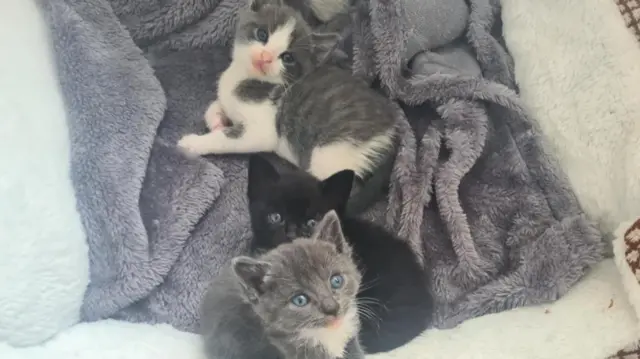
Arrange playdates with other vaccinated cats if you plan to integrate them into a multi-cat household. Before adoption, ensure each kitten is eating well, using the litter box, and showing healthy behavior. How do you balance giving them independence while still providing a sense of security?
Credit: www.bbc.com
Managing Multiple Kittens
Managing a litter of kittens can be both joyful and challenging. Each kitten has its own needs and personality. Giving proper care helps them grow healthy and happy. It also builds strong bonds between you and each kitten.
Ensuring Equal Attention
Spend time with every kitten daily. This helps avoid jealousy and builds trust. Use small play sessions to engage each one. Praise and pet each kitten equally. Watch for shy or quiet kittens. They might need extra encouragement to socialize.
Monitoring Behavior And Development
Track each kitten’s milestones and health closely. Look for signs of illness or delay. Note changes in eating and sleeping habits. Observe how they interact with their siblings. Early detection of problems leads to better care. Keep a simple chart to record growth and behavior.
Handling Sibling Rivalry
Some kittens may compete for attention or food. Separate them during feeding times if needed. Provide multiple toys to reduce fighting. Create safe spaces where each kitten can rest. Use calm voices to break up disputes. Reward peaceful play and sharing to encourage good behavior.
Frequently Asked Questions
What Is A Litter Of Cats?
A litter of cats refers to a group of kittens born to the same mother at one time. Litter sizes vary but usually range from two to six kittens. This term helps describe the early family unit of cats.
How Long Do Kittens Stay With Their Mother?
Kittens typically stay with their mother for about eight to twelve weeks. During this time, they learn essential social and survival skills. Early separation can affect their development and behavior.
How Can I Care For A Newborn Litter Of Cats?
Caring for a newborn litter involves providing warmth, proper nutrition, and a safe environment. Regular vet check-ups ensure the kittens are healthy and vaccinated. Socializing kittens early helps them grow into friendly pets.
When Do Kittens Open Their Eyes?
Kittens usually open their eyes between 7 to 14 days after birth. Their vision improves gradually over the following weeks. This milestone signals their growing awareness of their surroundings.
Conclusion
A litter of cats brings joy and energy to any home. Each kitten has a unique personality and charm. Caring for them takes time, love, and patience. Watching them grow and play is truly rewarding. Remember to give them proper food, shelter, and health care.
These little cats become lifelong friends and companions. Enjoy every moment with your furry family members. A litter of cats can fill your life with happiness.

Lily Purrington is the founder of MyKittyPicks.com, a cozy corner of the web dedicated to helping cat lovers discover the best cat products, furniture, toys, and home decor ideas.
A lifelong cat enthusiast, Lily shares trusted tips, honest product recommendations, and stylish inspiration designed to keep kitties happy and homes beautiful.
Her mission is simple: to bring together practical advice and purr-fect picks that make life better for cats and the people who love them.


