

If your cat has kidney disease, you’re probably wondering how much water they should be drinking. Water is crucial for their health, but too little or too much can cause problems.
Understanding the right amount can help you keep your furry friend comfortable and improve their quality of life. You’ll discover clear, easy-to-follow advice on how to manage your cat’s hydration. Keep reading to find out what you need to know to support your cat’s kidneys the best way possible.

Credit: www.melbournecatvets.com.au
Kidney Disease And Hydration
Cats with kidney disease need special care to stay healthy. Water helps their kidneys work better.
Knowing how much water your cat should drink is important. It helps slow down kidney damage.
Impact Of Kidney Disease On Cats
Kidney disease makes a cat’s kidneys work less well. Waste builds up in their body.
- They may drink more water than usual.
- They often lose weight and feel tired.
- Appetite can decrease over time.
- Kidney disease can cause vomiting and bad breath.
Role Of Water In Kidney Health
Water helps flush waste from the kidneys. It keeps cells healthy and supports body functions.
| Cat Weight (lbs) | Daily Water Intake (ml) |
| 5 | 120 – 180 |
| 10 | 240 – 360 |
| 15 | 360 – 540 |
Wet food also adds to a cat’s water intake. Fresh water should always be available.
Daily Water Intake Needs
Cats need water every day to stay healthy. Water helps their organs work well and keeps their body balanced.
If a cat has kidney disease, its water needs can change. Giving the right amount of water is important to help the cat feel better.
Normal Water Consumption For Cats
On average, a healthy cat drinks about 50 to 60 milliliters of water per kilogram of body weight each day. This includes water from food and drinking water.
- Wet food contains more water than dry food.
- Cats eating dry food usually drink more water from the bowl.
- Temperature and activity level affect how much water a cat needs.
- Older cats may drink less water naturally.
Adjusting Water Intake For Kidney Disease
Cats with kidney disease often need more water. Drinking enough water helps flush toxins from their body and supports kidney function.
| Stage of Kidney Disease | Recommended Daily Water Intake (ml/kg) | Additional Tips |
| Early Stage | 60-70 | Encourage wet food and fresh water |
| Middle Stage | 70-80 | Use water fountains or add water to food |
| Late Stage | 80+ | Consult vet for fluid therapy and hydration plans |
Signs Of Dehydration
Cats with kidney disease often struggle to stay hydrated. Water is vital for their health and helps their kidneys work better.
Recognizing dehydration early can prevent serious problems. Watch for signs that your cat needs more fluids.
Common Symptoms In Cats
Dehydration shows up in many ways. Some signs are easy to see, while others need close attention.
- Dry or sticky gums
- Sunken eyes
- Loss of skin elasticity
- Weakness or lethargy
- Decreased appetite
- Increased heart rate
When To Seek Veterinary Help
If you notice these symptoms, contact a vet quickly. Severe dehydration can cause serious harm.
| Symptom | Action |
| Gums very dry or pale | Call vet immediately |
| Skin stays up when pinched | Visit vet within 24 hours |
| Refusing to drink water | Try to encourage fluids, see vet if no improvement |
| Extreme weakness or collapse | Emergency veterinary care |

Credit: www.outdoorbengal.com
Ways To Increase Water Intake
Keeping a cat with kidney disease well-hydrated is important. It helps maintain their health and comfort. Cats with kidney issues often need extra water intake.
Here are some effective strategies to ensure your cat drinks enough water. These methods can help make water more appealing to your feline friend.
Wet Food And Broths
Wet food is an excellent way to boost water intake. It contains more moisture than dry kibble.
- Switch to wet cat food that has high moisture content.
- Add low-sodium chicken broth to meals for extra flavor.
- Offer plain, unsalted meat broths as a treat.
Water Fountains And Bowls
Cats often prefer moving water. A water fountain can attract them to drink more.
Flavoring Water Safely
Adding flavors to water can make it more appealing. Use safe ingredients that are suitable for cats.
| Flavoring Option | Benefit |
| Tuna Juice | Rich taste encourages drinking |
| Chicken Broth | Boosts flavor naturally |
| Catnip Tea | Entices with a familiar scent |
Monitoring Hydration At Home
Keeping track of your cat’s water intake is important if they have kidney disease. Proper hydration helps support kidney function and overall health. Monitoring at home can catch problems early.
This guide explains how to watch your cat’s water drinking and urine habits. It helps you know when to contact your vet.
Tracking Water Consumption
Measure how much water your cat drinks daily. Use a clean container to refill the water bowl each morning. Record the amount added and left at night.
- Refill the water bowl with a known amount each day.
- Check the water level several times a day.
- Note any changes in drinking habits.
- Offer fresh water in multiple spots.
- Try wet food to increase fluid intake.
Checking Urine Output And Behavior
Observe your cat’s litter box habits and behavior changes. Signs of dehydration or kidney issues can show here.
| What to Watch | Possible Meaning |
|---|---|
| Less frequent urination | Dehydration or kidney problems |
| Urine color darker than usual | Concentrated urine, possible dehydration |
| Straining or discomfort in litter box | Urinary tract issues |
| Excessive licking of lips | Signs of thirst or nausea |
| Lethargy or hiding | General illness or pain |
Veterinary Interventions
Cats with kidney disease need special care. Their water intake is crucial to their health. Veterinarians offer various treatments to help manage their condition.
Understanding these interventions can help keep your cat comfortable. Here, we discuss some options.
Fluid Therapy Options
Fluid therapy helps cats with kidney disease stay hydrated. It can be administered in several ways.
Subcutaneous fluids are common. They are given under the skin to boost hydration.
- Intravenous fluids are used in severe cases
- Oral hydration solutions may be recommended
- Fluid therapy helps remove toxins from the body
Medications And Supplements
Medications can support kidney function. They often help manage symptoms.
Supplements can also be beneficial. They may improve overall health.
- Phosphate binders reduce phosphorus levels
- Potassium supplements may be needed
- Special diets can slow disease progression
Diet And Lifestyle Tips
Caring for a cat with kidney disease requires special attention to diet and lifestyle. Proper care helps manage symptoms and keeps your cat comfortable.
Water intake is important, but diet and activity also play key roles in kidney health. Adjusting these can support your cat’s well-being.
Kidney-friendly Diet Choices
Choose foods that reduce strain on your cat’s kidneys. Lower protein and phosphorus levels help slow kidney damage.
Wet food is better than dry food because it adds extra water to your cat’s diet. This helps with hydration and kidney function.
- Feed wet, low-protein cat food made for kidney health
- Limit high-phosphorus ingredients like fish and organ meats
- Offer fresh water daily and change it often
- Avoid salty treats that increase thirst
Encouraging Activity And Comfort
Keep your cat active but avoid stress. Gentle play helps maintain muscle and overall health without tiring your cat.
Provide cozy resting places near water bowls. This encourages drinking and lets your cat relax in a calm space.
- Use soft beds in quiet areas
- Offer toys for light exercise
- Keep water bowls clean and accessible
- Check water intake daily and consult your vet if it changes
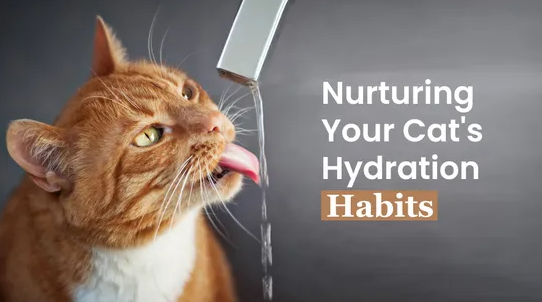
Credit: www.allpets.com.au
Frequently Asked Questions
How Much Water Should A Cat With Kidney Disease Drink Daily?
A cat with kidney disease should drink about 50-60 ml of water per kilogram of body weight daily. Adequate hydration supports kidney function and helps flush toxins. Always consult your vet for personalized advice based on your cat’s condition.
Why Is Hydration Important For Cats With Kidney Disease?
Hydration helps maintain kidney function and slows disease progression. It flushes toxins and prevents dehydration, which worsens kidney damage. Proper water intake improves overall health and comfort in cats with kidney disease.
Can Wet Food Help Increase Water Intake For Kidney Cats?
Yes, wet food contains high moisture content, boosting hydration. It’s beneficial for cats with kidney disease since they naturally drink less water. Incorporate wet food to support hydration and improve kidney health.
What Signs Indicate A Cat With Kidney Disease Is Dehydrated?
Signs include sunken eyes, dry gums, lethargy, and decreased skin elasticity. Dehydration worsens kidney problems and requires immediate attention. Monitor your cat closely and provide ample fresh water.
Conclusion
Cats with kidney disease need more water than healthy cats. Drinking enough water helps keep their kidneys working better. Watch your cat’s water intake daily to spot any changes. Wet food can also help increase their fluid intake. Always check with your vet to find the right amount for your cat.
Small steps can make a big difference in your cat’s health. Keeping your cat well-hydrated supports a better quality of life.

Lily Purrington is the founder of MyKittyPicks.com, a cozy corner of the web dedicated to helping cat lovers discover the best cat products, furniture, toys, and home decor ideas.
A lifelong cat enthusiast, Lily shares trusted tips, honest product recommendations, and stylish inspiration designed to keep kitties happy and homes beautiful.
Her mission is simple: to bring together practical advice and purr-fect picks that make life better for cats and the people who love them.


