
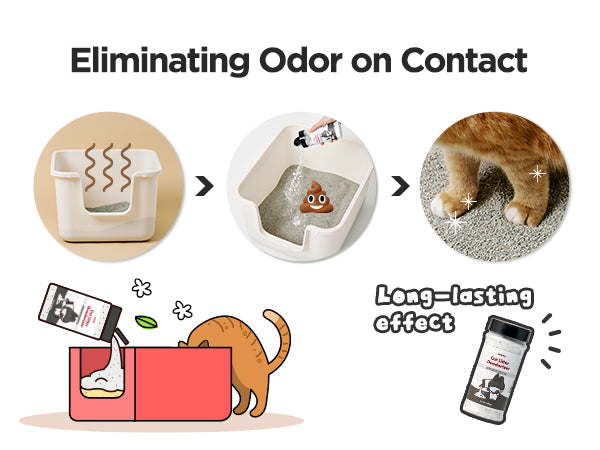
If you’ve ever dealt with the stubborn smell of cat poop in your home, you know how frustrating it can be. That unpleasant odor can linger long after you’ve cleaned the mess, making your space feel less fresh and comfortable.
But don’t worry—there are simple, effective ways to get rid of that smell for good. You’ll discover easy tips and tricks that work fast, so your home can smell clean and inviting again. Ready to say goodbye to that unwanted odor?
Keep reading to find out how.

Credit: www.amazon.com
Sources Of Cat Poop Odor
Cat poop odor can be strong and unpleasant. It often lingers longer than expected. Understanding where the smell comes from helps in removing it effectively. The sources of cat poop odor go beyond the litter box. Knowing these sources is key to keeping your home fresh and clean.
Common Causes
- Leftover waste in the litter box
- Cat urine mixed with feces
- Improper cleaning of the litter box
- Soiled litter that is not changed regularly
- Cat accidents on carpets or furniture
- Bacteria breaking down waste material
How Odor Lingers
Cat poop odor sticks to surfaces like carpet fibers and upholstery. It seeps into cracks and crevices around the litter box area. Moisture from urine helps bacteria grow, making the smell worse. Old litter retains odor if not replaced often. Air circulation affects how fast the smell fades. Without proper ventilation, odor can build up quickly.

Credit: www.walmart.com
Immediate Cleanup Steps
Dealing with cat poop odor right away can save you from long-lasting smells and stains. Acting fast prevents the smell from settling deep into carpets or furniture, making your cleanup much easier. Let’s look at the immediate steps you should take to tackle the mess effectively.
Removing Solid Waste
Start by carefully picking up the solid waste. Use disposable gloves or a plastic bag turned inside out to avoid direct contact.
Gently lift the waste without pressing it further into the surface. Avoid rubbing, as this can spread bacteria and odor.
After removal, dispose of the waste in a sealed bag to prevent any lingering smell in your trash bin.
Blotting Liquid Residue
If there’s any liquid residue left behind, don’t wipe it — blot it instead. Use paper towels or a clean cloth to press down gently and absorb the moisture.
Replace the towels as they become saturated to avoid reintroducing the odor. Blotting keeps the area dry and stops the smell from lingering.
Have you noticed that wiping spreads the stain but blotting traps it? This small habit can make a huge difference in how quickly your home smells fresh again.
Effective Cleaning Solutions
Removing cat poop odor requires quick action and the right cleaning products. Use enzyme-based cleaners to break down odors and prevent them from returning. Fresh air and thorough drying also help keep your home smelling clean.
Eliminating cat poop odor is a challenge every cat owner faces. Effective cleaning solutions are crucial for maintaining a fresh and pleasant home environment. Whether you prefer natural remedies or ready-to-use products, the right approach can make a world of difference.Homemade Remedies
Why not start with solutions you can whip up at home? Baking soda is a fantastic odor neutralizer. Sprinkle it generously over the affected area, let it sit for 15 minutes, and then vacuum it up. White vinegar is another household hero. Mix equal parts vinegar and water in a spray bottle. Spray the mixture on the stained area and blot it with a clean cloth. This not only removes odor but also disinfects the spot. Essential oils can add a pleasant scent. Add a few drops of lavender or lemon essential oil to your vinegar solution. This ensures your home smells inviting, not like a vinegar factory.Commercial Cleaners
Sometimes, homemade solutions might not cut it. That’s where commercial cleaners come into play. Enzyme-based cleaners are specifically designed to break down organic matter, effectively removing stains and odors. Look for products labeled as pet-friendly to ensure they’re safe for your furry friend. Brands like Nature’s Miracle or Rocco & Roxie are popular for their effective enzyme formulas. Read reviews before purchasing. Other pet owners’ experiences can guide you to the most effective product. Investing in a reliable cleaner can save you time and stress in the long run. How do you choose between homemade remedies and commercial cleaners? Consider the severity of the odor and your personal preference. Both have their merits, and sometimes a combination of both works best.Neutralizing Odors Naturally
Neutralizing cat poop odor naturally helps keep your home fresh without harsh chemicals. Natural solutions are safe for pets and children. They break down odors instead of just masking them. Using common household items can be both effective and affordable. These natural options work well on carpets, furniture, and litter boxes.
Baking Soda Uses
Baking soda is a powerful odor absorber. It neutralizes smells by balancing pH levels. Sprinkle baking soda directly on the affected area. Let it sit for at least 15 minutes to absorb odors. For stronger smells, leave it overnight. Vacuum the area thoroughly after to remove residue.
You can also place an open box of baking soda near the litter box. This helps absorb ongoing odors. Mix baking soda with cat litter to reduce smell further. It is safe and simple to use around pets.
Vinegar Applications
White vinegar is excellent for breaking down odor molecules. It works well as a natural deodorizer and cleaner. Mix equal parts vinegar and water in a spray bottle. Spray the solution on the soiled spot. Let it sit for 5 to 10 minutes before blotting dry.
Vinegar removes odors without leaving a strong scent behind. It also helps disinfect the area. Use vinegar to clean hard surfaces or diluted in the laundry. Avoid using vinegar on natural stone or hardwood floors to prevent damage.
Preventing Future Odors
Stopping cat poop odor before it starts is much easier than dealing with the smell after it lingers. Prevention focuses on daily habits and smart choices that keep your home fresh and your cat happy. Let’s look at how simple changes in your litter box care and the type of litter you use can make a big difference.
Litter Box Maintenance
Cleaning the litter box regularly is the most direct way to prevent odors. Scoop out waste at least once a day to stop smells from building up. A clean box encourages your cat to use it consistently, reducing accidents that cause smells elsewhere.
Every week, completely change the litter and wash the box with mild soap and warm water. Avoid strong-smelling cleaners that might repel your cat or mix badly with the litter. Keeping the box in a well-ventilated area can also help odors from settling in your living space.
Have you noticed if your cat avoids the litter box sometimes? It might be a sign the box isn’t clean enough or is too small. Providing one box per cat plus one extra can reduce territorial issues and keep things odor-free.
Choosing The Right Litter
Not all cat litters control odor equally. Some types absorb moisture better, while others neutralize smell chemically. You might need to try a few to see which one works best for your cat and your home.
- Clumping clay litters:Easy to scoop and generally good at controlling odor.
- Silica gel litters:Absorb moisture and trap odors but can be pricier.
- Natural litters:Made from materials like corn or pine, they offer eco-friendly options with varying odor control.
Think about your cat’s preferences too. Some cats dislike dusty litters or strong scents. Have you noticed your cat being picky about the litter? Switching to a less dusty or unscented option might help them feel more comfortable.
Air Freshening Techniques
Dealing with cat poop odor can be tricky, but fresh air can work wonders in clearing out the smell. Air freshening techniques focus on improving the quality of the air around the affected area. These simple yet effective steps can help you maintain a clean, odor-free environment without masking the smell with heavy fragrances.
Ventilation Tips
Opening windows and doors is the easiest way to let fresh air circulate and push out stale, smelly air. Even a few minutes a day can make a noticeable difference in reducing odors.
If you live in a space with limited ventilation, consider using exhaust fans in bathrooms or kitchens near the litter box. These fans help pull out unpleasant smells quickly.
Have you tried positioning your cat’s litter box near a window or a well-ventilated corner? This small change lets odors escape more easily, keeping your living space fresher.
Using Air Purifiers
Air purifiers equipped with HEPA filters capture tiny particles that carry odors, making the air cleaner and fresher. Some models also have activated carbon filters designed specifically to absorb smells.
Place an air purifier close to the litter box to catch odors at the source before they spread. Running it continuously can maintain a neutral-smelling room, especially in smaller spaces.
Wondering which air purifier suits your needs? Look for one with a high Clean Air Delivery Rate (CADR) for effective odor removal. This investment often pays off by improving overall air quality, not just masking the smell.
When To Seek Professional Help
Sometimes, cat poop odor can be stubborn and hard to remove. Home cleaning may not solve the problem completely. Knowing when to call for professional help saves time and effort. Professionals have tools and knowledge to handle tough odors safely. This section guides you on when to seek expert cleaning services.
Persistent Odors
Odors that last after cleaning show a deeper issue. Cat poop can soak into carpets, furniture, and walls. Regular cleaning products may not reach all areas. Persistent smells can cause discomfort and embarrassment. Professionals use special techniques to find and treat hidden sources. They can remove odors that do not fade with home methods.
Deep Cleaning Services
Deep cleaning involves more than surface wiping. Experts use steam cleaning, ozone treatments, or enzymatic cleaners. These methods break down odor-causing molecules at the source. Professionals can clean areas that are hard to reach. They also protect your belongings from damage. Deep cleaning is often needed for long-term odor removal. It restores freshness to your home environment effectively.
Credit: www.walmart.com
Frequently Asked Questions
How Can I Quickly Remove Cat Poop Odor At Home?
Use a mixture of baking soda and vinegar. First, clean the area, then apply the mix. Let it sit for 10 minutes, and wipe clean. This neutralizes odors effectively and is safe for pets.
What Products Work Best To Eliminate Cat Poop Smell?
Enzyme-based cleaners break down odor-causing molecules. They are more effective than regular detergents. Look for pet-specific enzyme cleaners to ensure thorough odor removal.
Is Vinegar Safe For Removing Cat Poop Odor?
Yes, vinegar is a natural deodorizer and disinfectant. Dilute it with water before use. It helps neutralize the smell without harmful chemicals, making it safe for pets and surfaces.
How Do I Prevent Cat Poop Odor In Litter Boxes?
Scoop litter daily and change it regularly. Use clumping litter and a deodorizing additive. Clean the box weekly with mild soap and water to maintain freshness.
Conclusion
Removing cat poop odor is simple with the right steps. Clean the area quickly to stop smells. Use natural cleaners like vinegar or baking soda. These help remove odors without harsh chemicals. Keep your cat’s litter box clean every day.
Fresh air and sunlight also help reduce smells. Small efforts make your home smell fresh again. Enjoy a clean, odor-free space with these tips.

Lily Purrington is the founder of MyKittyPicks.com, a cozy corner of the web dedicated to helping cat lovers discover the best cat products, furniture, toys, and home decor ideas.
A lifelong cat enthusiast, Lily shares trusted tips, honest product recommendations, and stylish inspiration designed to keep kitties happy and homes beautiful.
Her mission is simple: to bring together practical advice and purr-fect picks that make life better for cats and the people who love them.


