

If your cat has been diagnosed with kidney disease, you’re probably feeling worried and unsure about what to do next. You want to give your furry friend the best care possible, but it can be hard to know where to start.
The good news is, with the right steps, you can help manage your cat’s condition and improve their quality of life. You’ll discover simple, effective ways to treat your cat’s kidney disease. Keep reading to learn how small changes can make a big difference for your beloved pet.
Recognizing Kidney Disease In Cats
Kidney disease is common in older cats. Early detection helps manage the illness better. Owners should watch for signs that show kidney problems.
This guide explains common symptoms and tests used to diagnose kidney disease in cats.
Common Symptoms
Kidney disease symptoms can be hard to spot at first. Cats may show changes in behavior or health that signal kidney trouble.
- Increased thirst and urination
- Loss of appetite or weight loss
- Vomiting or nausea
- Weakness or lethargy
- Bad breath with a chemical smell
- Poor coat condition or dull fur
- Dehydration signs like dry gums
Diagnostic Tests
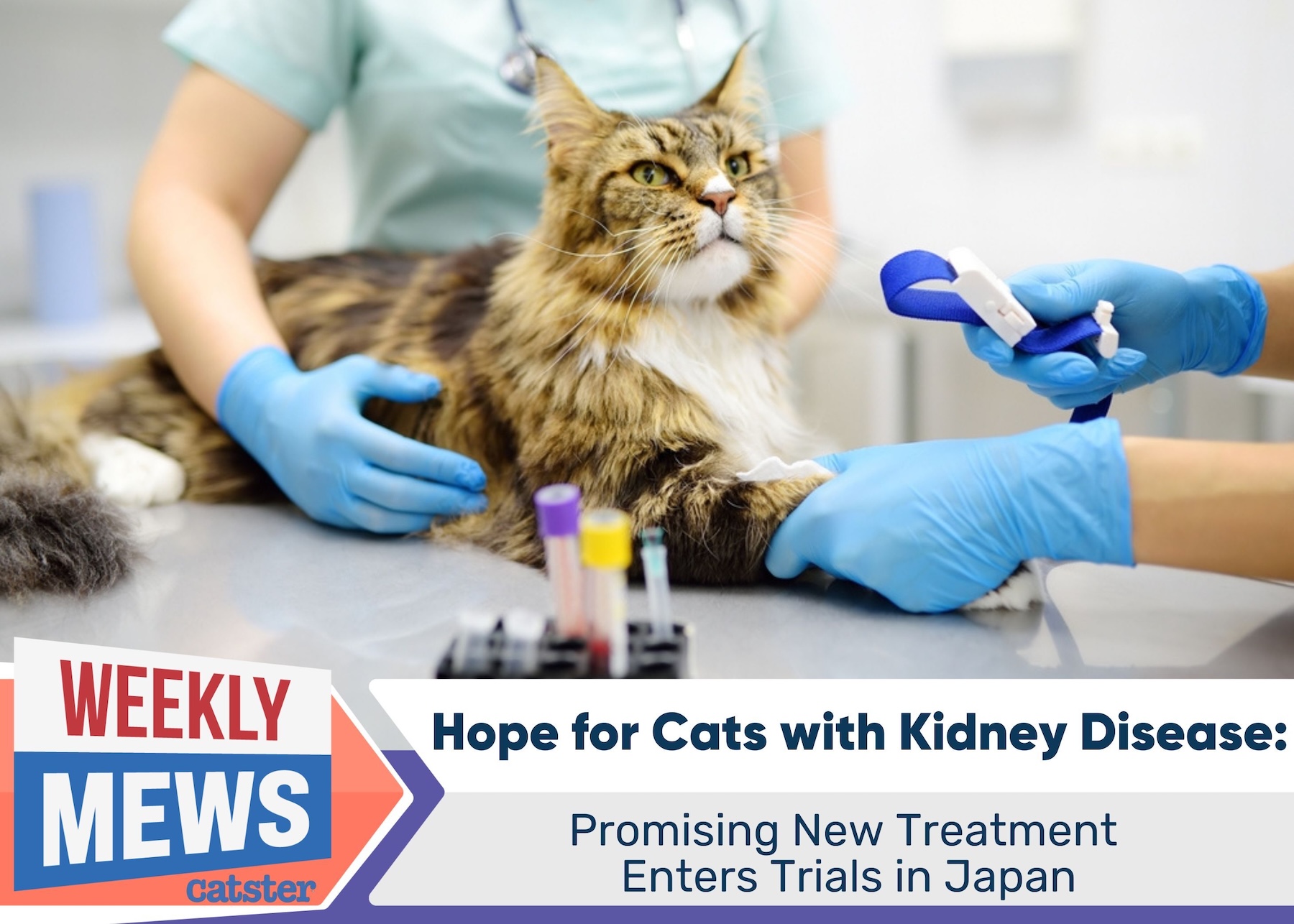
Veterinarians use several tests to check kidney health. These tests help confirm if a cat has kidney disease.
| Test | Purpose | Details |
| Blood Test | Measures kidney function | Checks levels of creatinine and blood urea nitrogen (BUN) |
| Urinalysis | Checks urine concentration | Detects protein or waste in urine |
| Ultrasound | Visualizes kidney structure | Shows size and shape changes in kidneys |
| Blood Pressure | Monitors for hypertension | High pressure often occurs with kidney disease |

Credit: ingridking.com
Dietary Adjustments
Diet changes help cats with kidney disease live better. Feeding the right foods supports their kidney health.
Adjusting diet slows kidney damage and keeps cats feeling good. Focus on special diets, water, and foods to avoid.
Specialized Kidney Diets
Special kidney diets have less protein and phosphorus. These lower the kidney’s work and reduce damage.
Many kidney diets also have more omega-3 fatty acids. These help reduce inflammation in the kidneys.
- Low protein to ease kidney workload
- Reduced phosphorus to prevent buildup
- Added omega-3 fatty acids for kidney health
- Balanced vitamins and minerals
Hydration Importance
Water helps flush toxins from a cat’s body. Cats with kidney disease need more fluids.
Wet food adds moisture to their diet. Always provide fresh water for your cat.
- Feed wet or canned food daily
- Keep water bowls clean and full
- Use water fountains to encourage drinking
Foods To Avoid
Avoid foods high in phosphorus and salt. These can hurt kidneys and raise blood pressure.
Do not give your cat raw fish or bones. These may cause infections or blockages.
- High-phosphorus foods like organ meats
- Salty snacks or treats
- Raw fish and bones
- Foods with artificial additives or preservatives
Medications And Supplements
Treating a cat with kidney disease often needs medicines and supplements. These help support kidney function and improve quality of life.
Your veterinarian will guide you on the right medicines and natural options for your cat’s health needs.
Pharmaceutical Options
Vets use medicines to control symptoms and protect the kidneys. These drugs help reduce waste and balance fluids.
Common medicines include those that lower blood pressure and reduce protein loss in urine.
- Angiotensin-converting enzyme (ACE) inhibitors lower blood pressure.
- Phosphate binders reduce phosphorus in the blood.
- Anti-nausea drugs help cats eat better.
- Appetite stimulants encourage food intake.
- Fluids given under the skin help hydration.
Natural Supplements
Natural supplements can support kidney health and reduce inflammation. These do not replace medicines but add benefits.
Always check with your vet before starting supplements to avoid side effects or interactions.
- Omega-3 fatty acids help reduce kidney inflammation.
- Antioxidants protect cells from damage.
- Probiotics improve gut health and waste removal.
- Herbal supplements like astragalus may support kidneys.
Monitoring And Regular Checkups
Taking care of a cat with kidney disease needs careful watching. Monitoring your cat’s health helps spot changes early.
Regular checkups with the vet keep your cat’s treatment on track. These visits help manage the disease well.
Tracking Symptoms
Watch your cat daily for any signs of illness. Note changes in eating, drinking, or bathroom habits.
Keep a journal to record symptoms like vomiting, weight loss, or lethargy. This helps the vet understand your cat’s condition.
- Change in appetite or thirst
- Frequent urination or accidents
- Vomiting or diarrhea
- Weight loss or weakness
- Changes in behavior or activity
Routine Vet Visits
Schedule regular vet visits to check kidney health. The vet will run tests to track disease progress.
These visits allow the vet to adjust treatment plans. Early changes in medicine or diet improve your cat’s quality of life.
- Blood tests to check kidney function
- Urine tests to monitor waste levels
- Weight and hydration checks
- Medication review and adjustment
- Diet and lifestyle advice
Managing Symptoms At Home
Taking care of a cat with kidney disease needs patience and gentle care. You can help your cat feel better by managing symptoms at home.
Focus on simple ways to support your cat’s health and comfort every day.
Encouraging Fluid Intake
Water helps flush toxins from your cat’s body. Cats with kidney disease need extra fluids to stay healthy.
Try offering fresh water often and in different places. Some cats like running water from a fountain.
- Use shallow bowls to make drinking easier
- Add a little water to wet food
- Offer ice cubes for your cat to lick
- Keep water bowls clean and refill daily
Comfort And Stress Reduction
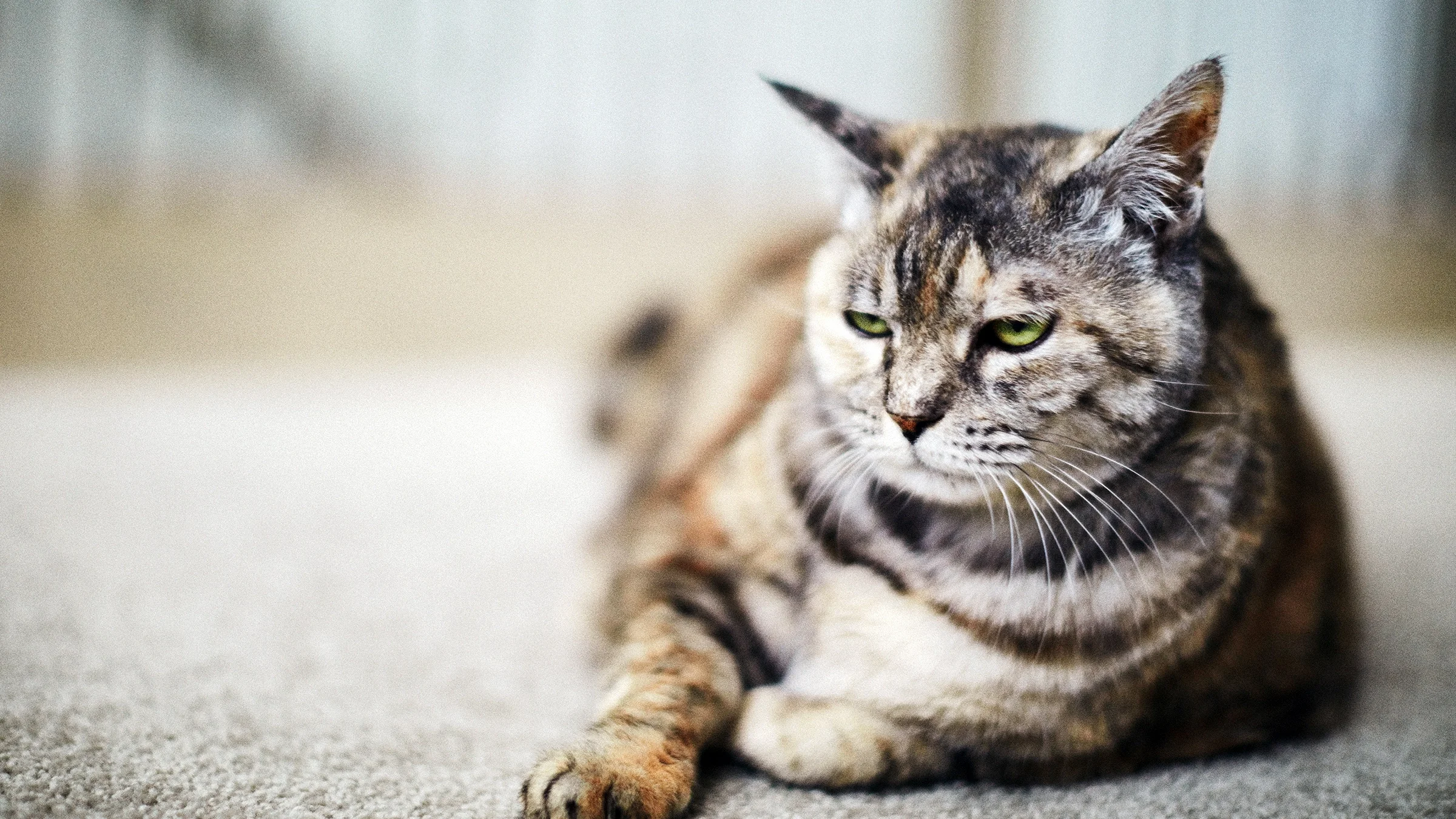
Stress can make kidney disease worse. Keep your cat calm and comfortable at home.
Give your cat a quiet space with soft bedding. Avoid loud noises and sudden changes.
- Provide a warm, cozy bed in a quiet room
- Spend gentle time petting and talking softly
- Keep the litter box clean and close by
- Keep a regular feeding and play schedule
Credit: www.goodrx.com
When To Seek Emergency Care
Kidney disease in cats is serious. Some situations need emergency care. Know when to act quickly to help your cat.
Immediate attention can save your cat’s life. Learn the signs of an emergency.
Severe Dehydration
Dehydration is common in cats with kidney disease. Look for dry gums and sunken eyes.
If your cat is very weak or not drinking, seek help quickly.
Frequent Vomiting
Vomiting a lot can be dangerous. It leads to loss of fluids and nutrients.
If vomiting does not stop, your cat needs emergency care.
Inability To Urinate
Watch if your cat is straining to urinate or not going at all. This can mean a blockage.
A blockage is life-threatening. Go to the vet right away.
Sudden Weight Loss
Rapid weight loss is a red flag. It shows your cat is not absorbing nutrients.
If weight drops quickly, seek emergency medical help.
Unusual Lethargy
If your cat is too tired or inactive, it might be an emergency. Cats with kidney issues can become very weak.
If your cat does not respond or move, visit the vet immediately.
Credit: www.catster.com
Frequently Asked Questions
What Are Common Symptoms Of Kidney Disease In Cats?
Common symptoms include increased thirst, frequent urination, weight loss, vomiting, and lethargy. Early detection helps manage the disease effectively.
How Is Kidney Disease Diagnosed In Cats?
Veterinarians diagnose kidney disease through blood tests, urine analysis, and physical exams. These tests assess kidney function and detect abnormalities.
What Dietary Changes Help Cats With Kidney Disease?
Feeding low-protein, low-phosphorus diets supports kidney health. Special prescription foods reduce kidney workload and slow disease progression.
Can Kidney Disease In Cats Be Cured?
Kidney disease cannot be cured but can be managed. Proper treatment improves quality of life and slows disease advancement.
Conclusion
Caring for a cat with kidney disease takes patience and care. Feed special food and keep fresh water nearby. Give medicine as the vet says. Watch your cat’s behavior every day. Small changes can mean a lot. Regular vet visits help catch problems early.
Love and attention improve your cat’s life. You can make a difference in your cat’s health. Stay calm and keep learning. Your cat depends on you.

Lily Purrington is the founder of MyKittyPicks.com, a cozy corner of the web dedicated to helping cat lovers discover the best cat products, furniture, toys, and home decor ideas.
A lifelong cat enthusiast, Lily shares trusted tips, honest product recommendations, and stylish inspiration designed to keep kitties happy and homes beautiful.
Her mission is simple: to bring together practical advice and purr-fect picks that make life better for cats and the people who love them.


