
Is your cat suddenly choosing your carpet or sofa to relieve itself? You’re not alone, and it can be really frustrating.
When your furry friend starts urinating in the house, it disrupts your peace and creates a mess you don’t want to deal with. But don’t worry—there are simple, effective ways to stop this behavior. You’ll discover easy steps to understand why your cat is doing this and how you can fix it quickly.
Keep reading, because the solution to a cleaner, happier home is closer than you think.
Reasons Cats Urinate Indoors
Cats urinating inside the house can be frustrating for any pet owner. Understanding why cats behave this way is key to solving the problem. Cats do not urinate indoors without a reason. Several factors can cause this behavior, ranging from health issues to environmental stress. Identifying the cause helps in addressing the problem effectively.
Medical Issues
Health problems often cause cats to urinate in unusual places. Urinary tract infections can make urination painful. Kidney disease and diabetes also affect bladder control. If a cat suddenly starts urinating indoors, a vet check is important. Treating medical issues can stop this behavior quickly.
Stress And Anxiety
Cats are sensitive to changes in their environment. Moving to a new home or adding a new pet can cause stress. Loud noises and unfamiliar people may also upset cats. Stress can lead to indoor urination as a coping mechanism. Reducing stress helps cats feel safe and secure.
Territorial Marking
Male and female cats may mark territory by urinating. This behavior signals ownership to other animals. Cats often mark places they feel threatened or insecure. Spraying is common in multi-cat households. Neutering or spaying can reduce territorial marking in cats.
Litter Box Problems
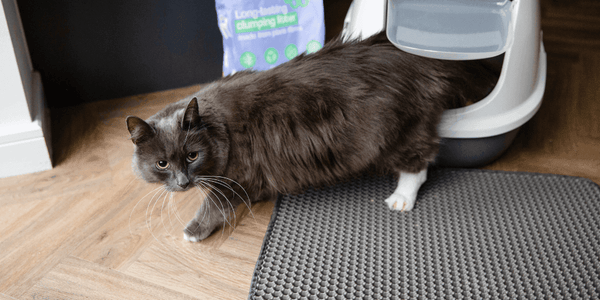
Cats need a clean and accessible litter box. Dirty or smelly boxes drive cats away. The wrong type of litter or box size can also cause problems. Some cats dislike covered litter boxes or certain locations. Providing a clean, comfortable litter box encourages proper use.

Credit: www.feliway.co.uk
Choosing The Right Litter Box
Choosing the right litter box plays a crucial role in stopping your cat from urinating in unwanted spots around the house. The litter box is your cat’s bathroom, and if it isn’t comfortable or accessible, your cat may look for alternatives. Paying attention to size, type, number, and placement can make all the difference.
Size And Type
Does your cat have enough room to move and dig comfortably? A litter box that’s too small can frustrate your cat and cause accidents. Aim for a box that is at least one and a half times your cat’s length from nose to tail.
Some cats prefer open boxes where they can see their surroundings, while others like covered boxes for privacy. Try different types to see which your cat prefers. For example, a senior cat might prefer a low-sided box for easy access.
Number Of Boxes
How many litter boxes do you have in your home? The general rule is to have one more box than the number of cats. If you have two cats, provide three boxes in different locations.
This reduces competition and gives your cat options. Multiple boxes can prevent territorial issues and decrease the chance of accidents.
Placement Tips
Where you put the litter box matters a lot. Avoid noisy or high-traffic areas that might scare your cat. Quiet, private spots work best to make your cat feel safe.
Place boxes on each floor if you have a multi-level home. Keep boxes away from the cat’s food and water bowls. Have you noticed your cat avoiding a box placed near the washing machine? That’s a common issue to watch for.
Litter Box Maintenance
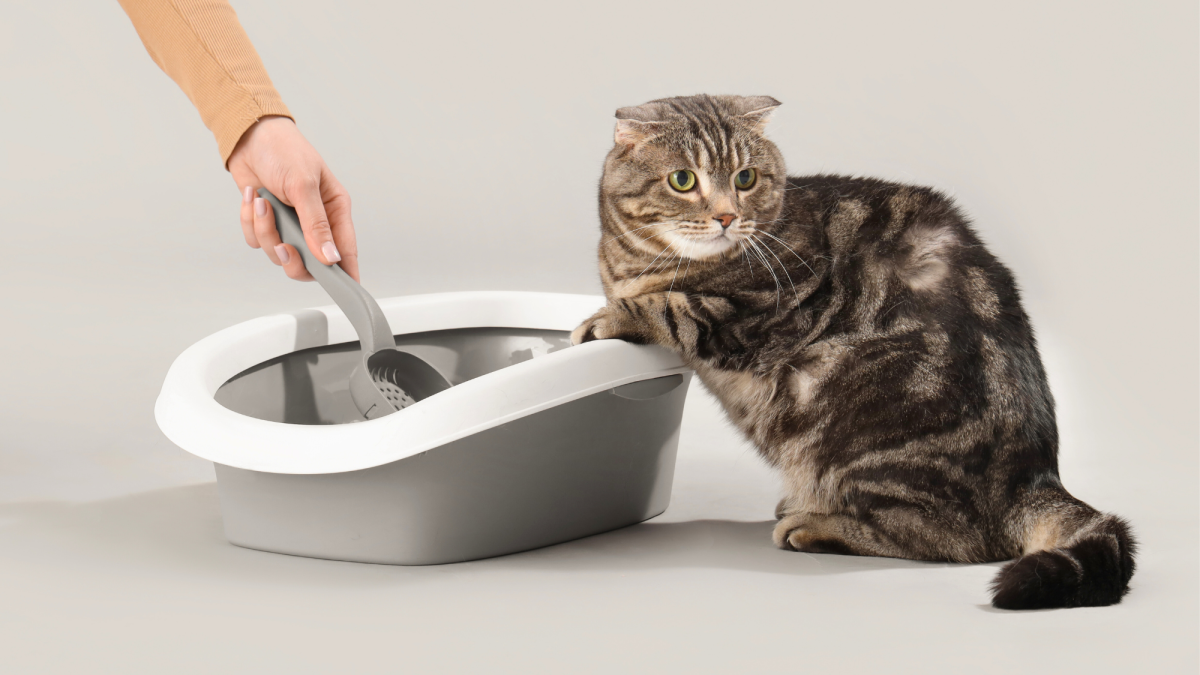
Keep the litter box clean and fresh to encourage your cat to use it regularly. Place the box in a quiet, accessible spot to make your cat comfortable. Regular maintenance helps prevent accidents and keeps your home odor-free.
Litter box maintenance is crucial in preventing your cat from urinating in the house. A well-maintained litter box can encourage your feline friend to use it consistently. Let’s explore key aspects of litter box upkeep to ensure a clean and inviting space for your cat.Cleaning Frequency
Regular cleaning is vital. Scoop the litter box daily to remove waste. This minimizes odors and keeps the box appealing. Deep clean the box once a week. Use mild soap and water to wash it thoroughly. Avoid strong-smelling cleaners that could deter your cat.Litter Types
Choosing the right litter can make a difference. Many cats prefer unscented clumping litter. It mimics their natural environment. Experiment with different types if your cat avoids the box. Some cats have preferences for texture or material.Odor Control
Odor control is essential for both you and your cat. Baking soda can help. Sprinkle a small amount in the litter. It neutralizes smells without overpowering scents. Ensure the box is in a well-ventilated area. This reduces odor buildup and keeps the space fresh.Behavioral Adjustments
Changing a cat’s behavior can stop unwanted urination inside the house. Behavioral adjustments focus on how you interact with your cat and the environment around it. These changes help your cat feel safe, motivated, and less stressed. Small efforts can make a big difference in your cat’s habits and comfort at home.
Positive Reinforcement
Use treats and praise to reward your cat for using the litter box. Cats respond well to positive feedback. Give a treat right after your cat uses the right spot. This helps link good behavior with rewards.
Keep the litter box clean and in a quiet area. A clean box encourages your cat to use it more often. Praise your cat calmly and softly to avoid stress.
Deterring Unwanted Areas
Make places where your cat urinates less inviting. Use safe sprays with scents cats dislike. Place aluminum foil or double-sided tape on problem spots. Cats avoid rough or sticky surfaces.
Block access to these areas if possible. Use furniture or pet gates to keep cats away. Change the environment to reduce the chance of accidents.
Reducing Stress
Stress can cause cats to urinate inside. Keep your home calm and quiet. Create safe spaces with cozy beds and hiding spots. Play with your cat daily to reduce anxiety.
Maintain a routine for feeding and cleaning. Sudden changes can upset your cat. A peaceful cat is less likely to mark inside.
Medical Treatments
Medical treatments play a key role in stopping a cat from urinating in the house. Many times, inappropriate urination links to health problems. Identifying and treating these issues helps manage the behavior effectively.
When To Visit A Vet
Take your cat to a vet if it urinates outside the litter box often. Signs like frequent urination, blood in urine, or straining are urgent. Sudden changes in urination habits need professional attention. A vet can diagnose hidden health issues causing the problem.
Common Urinary Disorders
Several urinary disorders cause cats to urinate inappropriately. These include:
- Urinary tract infections (UTIs)
- Bladder stones or crystals
- Feline lower urinary tract disease (FLUTD)
- Kidney problems
Each disorder causes discomfort and affects urination patterns. Early diagnosis prevents worsening symptoms and complications.
Medications And Therapies
Vets may prescribe antibiotics for infections. Pain relievers reduce discomfort during urination. Special diets help dissolve bladder stones or crystals. Stress reduction therapies improve urinary health in anxious cats.
Follow the vet’s instructions carefully for best results. Consistent treatment often stops inappropriate urination quickly.
Credit: www.feliway.co.uk
Environmental Enhancements
Changing your cat’s environment can make a big difference in stopping unwanted urination inside your home. Cats need spaces where they feel safe and entertained, plus a predictable routine to reduce stress. Small, thoughtful changes can help your cat feel more comfortable and less likely to mark their territory indoors.
Providing Hiding Spots
Cats love having quiet, cozy places to retreat to when they feel stressed or overwhelmed. You can create hiding spots using cardboard boxes, covered beds, or even a simple blanket draped over a chair. These safe zones give your cat a sense of security and can reduce anxiety-driven urination.
Think about your cat’s favorite resting spots and add more options nearby. Have you noticed your cat preferring under the couch or behind the curtains? Adding similar spaces can encourage them to relax instead of acting out.
Interactive Toys
Boredom can lead to behavioral problems like inappropriate urination. Keep your cat mentally and physically stimulated with interactive toys such as puzzle feeders, feather wands, or laser pointers. These toys engage your cat’s hunting instincts and help burn off excess energy.
Try rotating the toys regularly to keep your cat interested. Have you seen how a new toy can instantly grab your cat’s attention? Use that curiosity to divert their energy away from negative behaviors.
Routine And Stability
Cats thrive on routine. Feeding, playtime, and litter box cleaning should happen at consistent times every day. This predictability lowers stress and makes your cat feel more secure.
Sudden changes in your schedule or environment can cause confusion and anxiety. Could your cat’s urination be a reaction to something new, like a move or a new pet? Keeping daily patterns steady helps prevent these issues before they start.
Cleaning And Odor Removal
Cleaning and odor removal play a crucial role in stopping your cat from urinating inside the house. If the scent of urine lingers, your cat may return to the same spot, thinking it’s an acceptable bathroom area. Tackling both visible stains and hidden smells is key to breaking this habit and keeping your home fresh.
Safe Cleaning Products
Choose cleaning products that are safe for both your cat and your home surfaces. Avoid ammonia-based cleaners since their smell can resemble cat urine and attract your pet back to the spot.
Look for enzymatic cleaners specifically designed to break down urine molecules. These cleaners work by digesting the organic material, effectively removing stains and odors without harsh chemicals.
Natural options like vinegar diluted with water can help too, but they might not be as effective on deep-set smells. Always test any product on a small area to ensure it doesn’t damage your flooring or furniture.
Eliminating Residual Smells
Even if the stain looks gone, residual smells can linger in carpets, upholstery, or wood. These hidden odors are what often cause repeat accidents.
Use a black light to find hidden urine spots that you might have missed. Treat these areas with an enzymatic cleaner and allow them to air dry completely to prevent moisture buildup.
Consider sprinkling baking soda over carpets after cleaning to absorb any leftover odors. Let it sit for a few hours, then vacuum thoroughly to refresh the area.
Preventing Repeat Accidents
After cleaning, it’s vital to discourage your cat from returning to the same spot. You can place a litter box nearby or temporarily block access to the area.
Some cat owners find success by putting aluminum foil or double-sided tape on the problem spots—cats tend to dislike the texture and avoid those areas.
Regularly cleaning and refreshing problem zones shows your cat that those places are no longer acceptable for urinating. Have you noticed specific triggers that bring your cat back to certain spots? Addressing those can make a big difference.
Credit: pethelpful.com
Frequently Asked Questions
Why Is My Cat Urinating In The House?
Cats may urinate indoors due to stress, health issues, or litter box problems. Identifying the cause helps address the behavior effectively.
How Can I Stop My Cat From Urinating Indoors?
Clean litter boxes regularly, reduce stress, and visit a vet to rule out medical causes. Positive reinforcement helps retrain your cat.
What Type Of Litter Box Prevents Indoor Urination?
Use a large, clean litter box with low sides. Place it in a quiet, accessible area to encourage use.
Can Cleaning Products Remove Cat Urine Smell Effectively?
Yes, enzymatic cleaners break down urine molecules, removing odors completely. Avoid ammonia-based cleaners as they can attract cats back.
Conclusion
Stopping a cat from urinating inside takes patience and care. Watch your cat’s behavior closely. Clean spots well to remove smells. Provide a clean litter box in a quiet place. Keep your cat healthy with regular vet visits. Use gentle training to change habits.
Small changes can make a big difference. Your home will stay fresh and comfortable. Trust the process and stay calm. Your cat will learn with time and love.

Lily Purrington is the founder of MyKittyPicks.com, a cozy corner of the web dedicated to helping cat lovers discover the best cat products, furniture, toys, and home decor ideas.
A lifelong cat enthusiast, Lily shares trusted tips, honest product recommendations, and stylish inspiration designed to keep kitties happy and homes beautiful.
Her mission is simple: to bring together practical advice and purr-fect picks that make life better for cats and the people who love them.


