
Have you ever caught a strange smell and wondered if it could be something more serious? If you’re asking, “Does meth smell like cat urine?”
You’re not alone. Many people notice a peculiar odor and worry about what it might mean for their safety or their home. Understanding this smell could protect you and your loved ones from hidden dangers. Keep reading to discover the truth behind the scent and what signs you should never ignore.
Your awareness could make all the difference.
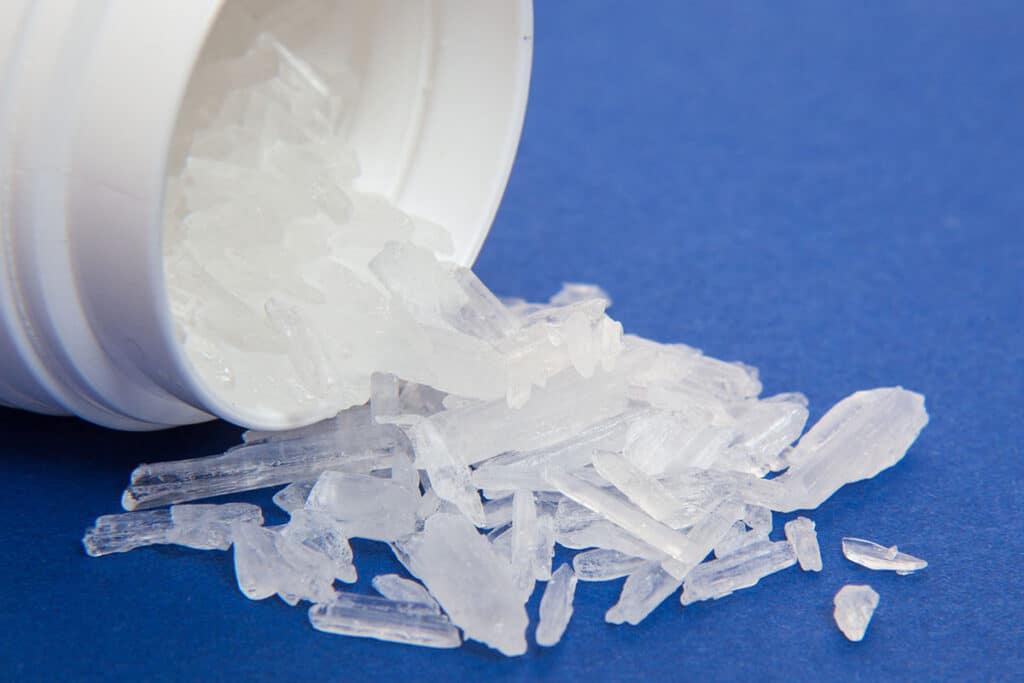
Credit: www.gardenstatetreatmentcenter.com
Methamphetamine Odor Profile
The smell of methamphetamine is distinct and often described in various ways. Understanding its odor profile helps identify its presence. People sometimes confuse the smell of meth with other strong odors, like cat urine. Knowing the real characteristics can clear up this confusion.
Common Smell Characteristics
- Sharp and chemical-like
- Burnt plastic or rubber scent
- Strong ammonia or bleach notes
- Slightly sweet or metallic undertones
- Unpleasant and pungent
The smell can vary depending on the meth’s purity and production method. It often lingers in enclosed spaces and on surfaces. This odor is usually harsh and easy to notice.
Chemical Components Behind The Odor
Methamphetamine’s smell comes from chemicals used during its production. Some common chemicals include:
- Ammonia – gives a strong, sharp smell
- Acetone – adds a sweet, nail polish-like scent
- Hydriodic acid – creates a pungent, irritating odor
- Red phosphorus – contributes to a burnt smell
- Various solvents – add to the chemical aroma
These chemicals mix to form the recognizable meth odor. The presence of these harsh compounds explains why the smell is often compared to cat urine. Both share ammonia-like scents, but meth’s odor is more complex and chemical-based.

Credit: www.elev8centers.com
Cat Urine Scent Explained
Cat urine has a strong and distinct odor that many find unpleasant. This scent often raises questions because it is unique and easy to recognize. Understanding what causes this smell helps clarify why some substances, like meth, might be confused with it.
The smell of cat urine is caused by specific chemicals released when a cat marks its territory. These chemicals are strong and linger for a long time, making the scent hard to ignore. Knowing the source of this smell can help identify it correctly in different situations.
What Makes Cat Urine Smell Unique
Cat urine has a powerful scent that stands out from other animals. This is due to the high concentration of ammonia and other waste products. Cats also produce special proteins that add to the odor.
- Strong ammonia content causes a sharp, pungent smell.
- Proteins break down and create additional odors over time.
- Territorial marking increases the intensity of the scent.
The combination of these factors makes cat urine smell very distinct and hard to confuse with other odors.
Chemical Makeup Of Cat Urine
The main chemicals in cat urine include ammonia, urea, and creatinine. Ammonia is the most noticeable and gives the urine its sharp smell. Urea breaks down into ammonia when exposed to air.
| Chemical | Role | Effect on Smell |
|---|---|---|
| Ammonia | Breakdown product of urea | Sharp, pungent odor |
| Urea | Waste product excreted by cats | Turns into ammonia over time |
| Creatinine | Byproduct of muscle metabolism | Contributes to urine’s strong smell |
These chemicals make cat urine smell strong and long-lasting. This explains why the scent can be so noticeable and sometimes mistaken for other substances.
Comparing Meth And Cat Urine Smells
Methamphetamine production and usage can result in a distinct smell. Many people describe it as being similar to cat urine. Understanding these odors can help in identifying meth presence. Let’s explore the similarities and differences between these two smells.
Similarities In Odor
Both meth and cat urine produce a pungent, ammonia-like scent. This smell is strong and sharp. It can linger in enclosed spaces. Meth labs often emit a chemical odor. Cat urine has a similar sharpness, making them comparable.
Differences To Notice
Despite similarities, there are distinct differences. Meth smells often have a chemical undertone. This can include scents like ether or acetone. Cat urine lacks these chemical notes. Instead, it has a more organic smell. Meth odors can vary based on ingredients used. Cat urine maintains a consistent ammonia scent.
Reasons For Confusion
People often confuse the smell of meth with cat urine. This mix-up happens for several reasons. Understanding these reasons helps clear up doubts and prevents wrong assumptions.
Environmental Factors
Surroundings can change how smells appear. Old buildings or places with poor ventilation hold strong odors. These smells can mix and create new, confusing scents.
Some chemicals used in meth production have sharp, ammonia-like smells. Ammonia is also a key part of cat urine. This similarity can trick the nose.
Places where meth is made often have trash or spoiled food. These add to the bad smells. This mix can remind someone of cat urine.
Contamination And Residue Issues
Meth labs often have leftover chemicals and waste. These residues produce strong, unpleasant odors. Sometimes, these smells are close to cat urine.
Residue from meth can stick to walls, floors, and furniture. The longer it stays, the stronger the smell becomes. This residue smell can confuse people.
Contaminated objects from meth labs can carry strange odors. These items may smell like cat urine due to chemical reactions. This adds to the confusion about the smell.
Health Risks Of Meth Odors
The distinct smell often associated with methamphetamine production and use is more than just unpleasant—it poses serious health risks. Recognizing these risks can protect you and those around you from harmful effects that go beyond the initial odor. Understanding what happens when you are exposed to meth odors is crucial for your safety and well-being.
Toxic Exposure Effects
Breathing in meth odors can expose you to toxic chemicals like ammonia, lithium, and solvents. These substances can irritate your eyes, nose, and throat, causing symptoms such as coughing, headaches, and dizziness.
Longer exposure may lead to more severe problems like respiratory issues, skin rashes, and even neurological damage. Have you noticed unexplained health issues after being near a suspicious smell? It might be related to chemical exposure from meth.
Safety Precautions
If you ever come across a strong chemical smell resembling cat urine or ammonia, avoid lingering in the area. Make sure to ventilate the space immediately by opening windows and doors.
Wear protective gear like gloves and masks if you must enter a contaminated space. Never try to clean up suspected meth labs yourself—calling professionals is the safest option.
- Report suspicious odors to local authorities promptly.
- Keep children and pets away from the area.
- Consider medical evaluation if you experience symptoms after exposure.
Detecting Meth Smell Accurately
Detecting the smell of meth accurately is important for safety and awareness. The odor often gets confused with other strong smells like cat urine. This confusion makes it hard to identify meth by smell alone. Using the right detection methods can help confirm the presence of meth and avoid mistakes.
Professional Detection Methods
Experts use trained dogs to detect meth. These dogs can smell chemicals specific to meth production. They alert handlers quickly and accurately. This method is common in law enforcement and safety inspections.
Another approach involves chemical tests. Specialists collect samples from the area or objects. They use special kits that change color if meth is present. These tests provide quick and reliable results.
Trained professionals also rely on visual clues. Signs like chemical stains, unusual containers, and residue indicate meth activity. Combining smell with these clues improves detection accuracy.
Using Technology For Identification
Electronic devices now help detect meth odors. Portable sensors analyze the air for meth chemicals. These devices give instant feedback and reduce human error.
Some tools use gas chromatography or mass spectrometry. These are advanced lab techniques that identify meth at a molecular level. They provide precise and detailed results.
Technology helps in places where meth smell is faint or mixed with other odors. It supports professionals in confirming meth presence safely and effectively.
What To Do If You Smell Meth
Smelling meth can be alarming and dangerous. Knowing what to do protects your health and safety. Acting quickly reduces risks linked to meth exposure. Stay calm and follow clear steps to stay safe.
Steps To Take For Safety
- Leave the area immediately to avoid inhaling toxic fumes.
- Open windows and doors to increase ventilation if possible.
- Avoid touching surfaces that might be contaminated.
- Wash your hands and face thoroughly with soap and water.
- Change clothes to prevent carrying harmful residues outside.
- Do not try to clean or remove substances yourself.
- Keep children and pets away from the area.
Who To Contact
- Call local law enforcement to report suspicious odors or activities.
- Notify your local fire department if you suspect a meth lab.
- Contact poison control for advice on chemical exposure.
- Reach out to local health authorities for guidance.
- Inform your landlord or property manager if you live in an affected building.
- Seek professional help for cleanup by certified hazardous material teams.

Credit: www.armsacres.com
Frequently Asked Questions
Does Meth Smell Like Cat Urine?
Methamphetamine often emits a chemical odor that some compare to cat urine. This smell results from impurities in its production. However, not all meth smells the same. The odor can vary based on the manufacturing process and additives used.
Why Does Meth Sometimes Smell Like Ammonia?
Meth can smell like ammonia because of chemicals used during its synthesis. Ammonia and related compounds are common in illicit meth labs. These chemicals create strong, pungent odors similar to cat urine or cleaning products.
Can Meth Smell Vary Depending On Its Purity?
Yes, meth’s smell varies with its purity and ingredients. Higher purity meth usually has a less intense chemical odor. Impure meth often carries stronger, unpleasant smells, including ammonia or cat urine-like scents.
Is The Cat Urine Smell A Sign Of Meth Presence?
A cat urine-like smell can indicate meth, but it’s not a definite sign. Other substances and environmental factors may cause similar odors. Proper testing is necessary to confirm meth presence safely.
Conclusion
Meth can sometimes smell like cat urine, but not always. The odor comes from chemicals used during its production. Recognizing this smell may help identify hidden drug use or manufacturing. Still, many factors affect the scent, so trust your instincts and stay cautious.
Always seek expert advice if you suspect meth presence. Knowing this can protect you and your loved ones. Stay aware and safe.

Lily Purrington is the founder of MyKittyPicks.com, a cozy corner of the web dedicated to helping cat lovers discover the best cat products, furniture, toys, and home decor ideas.
A lifelong cat enthusiast, Lily shares trusted tips, honest product recommendations, and stylish inspiration designed to keep kitties happy and homes beautiful.
Her mission is simple: to bring together practical advice and purr-fect picks that make life better for cats and the people who love them.


