
Have you ever wondered if your cat could face serious health risks just because she hasn’t mated? It’s a question many cat owners ask but often hesitate to explore.
You might be worried about your furry friend’s well-being and want to know the truth behind this common concern. Understanding whether cats can die from not mating isn’t just important—it could change how you care for your pet. Keep reading, because what you discover here could help you make the best decisions for your cat’s health and happiness.

Credit: www.reddit.com
Cats And Reproduction Basics
Cats have unique reproductive systems that influence their behavior and health. Understanding these basics helps clarify many common questions. Many wonder if cats can die from not mating. The answer lies in their natural reproductive cycle and behavioral responses during heat.
Reproductive Cycle In Cats
Cats are seasonally polyestrous. This means they have multiple heat cycles during certain times of the year. The cycle begins with proestrus, followed by estrus, metestrus, and diestrus phases. Female cats enter heat, or estrus, when they are ready to mate. This stage lasts several days and can repeat every few weeks if mating does not occur.
Unlike some animals, cats do not have a menstrual cycle. Instead, their hormones trigger behaviors to attract mates. Ovulation happens only after mating, making cats induced ovulators. This means they do not release eggs unless they mate.
Behavioral Changes During Heat
During heat, female cats show clear behavioral changes. They may become more vocal, restless, and affectionate. Some cats roll on the floor or raise their hindquarters when petted. These behaviors signal readiness to mate.
Male cats also react to females in heat. They may roam, spray urine, or become more aggressive. These actions are driven by strong hormones and instincts.
Not mating during heat does not directly harm a cat. However, repeated cycles without mating can cause stress and discomfort. Spaying or neutering helps manage these cycles and improves overall health.
Common Myths About Cats And Mating
Many cat owners worry about the effects of mating—or the lack of it—on their pets. There’s a lot of confusion and myths surrounding whether cats need to mate to stay healthy or even alive. Understanding the truth helps you care for your cat better and avoid unnecessary stress.
Myth: Cats Need To Mate To Survive
Some people believe cats must mate to stay alive or maintain good health. This is simply not true. Cats do not rely on mating for survival; they can live perfectly healthy lives without ever reproducing.
Think about feral cats or indoor-only pets who never mate yet thrive for many years. Their survival depends on proper nutrition, medical care, and a safe environment—not breeding. So, if your cat isn’t mating, don’t worry that it’s harming their life expectancy.
Myth: Health Risks From Not Mating
Another common myth is that cats will develop health problems if they don’t mate. Some believe unbred cats suffer from reproductive diseases or hormonal imbalances. In reality, spaying or neutering your cat often reduces health risks.
For example, spayed female cats have a much lower risk of uterine infections and breast cancer. Neutered males avoid testicular cancer and some prostate issues. If your cat isn’t mating, it’s usually beneficial to prevent potential health complications rather than risk them by allowing uncontrolled breeding.
Have you ever noticed how calm and well-adjusted spayed or neutered cats tend to be? This is another reason many vets recommend it. Your cat’s wellbeing doesn’t depend on mating—it depends on good care and regular vet visits.
Health Impacts Of Not Mating
Not mating can affect a cat’s health in various ways. The absence of mating impacts both physical and mental well-being. Understanding these effects helps in caring for cats better.
Physical Effects On Female Cats
Female cats that do not mate may face health problems. They can develop a condition called pyometra, an infection in the uterus. This condition is life-threatening without treatment.
Unmated females also experience repeated heat cycles. Each cycle causes hormonal changes that strain their bodies. Over time, this can lead to fatigue and weakened immunity.
Spaying is often recommended to prevent these issues. It stops heat cycles and lowers the risk of infections and cancer.
Behavioral Effects And Stress
Cats unable to mate may show signs of stress and frustration. Female cats in heat often yowl loudly and pace around. These behaviors indicate discomfort and anxiety.
Male cats that cannot mate may become aggressive or restless. They might spray urine to mark territory or escape attempts increase. Stress from unmet mating instincts can affect overall health.
Providing toys and environmental enrichment helps reduce stress. Regular playtime and attention can calm restless cats.
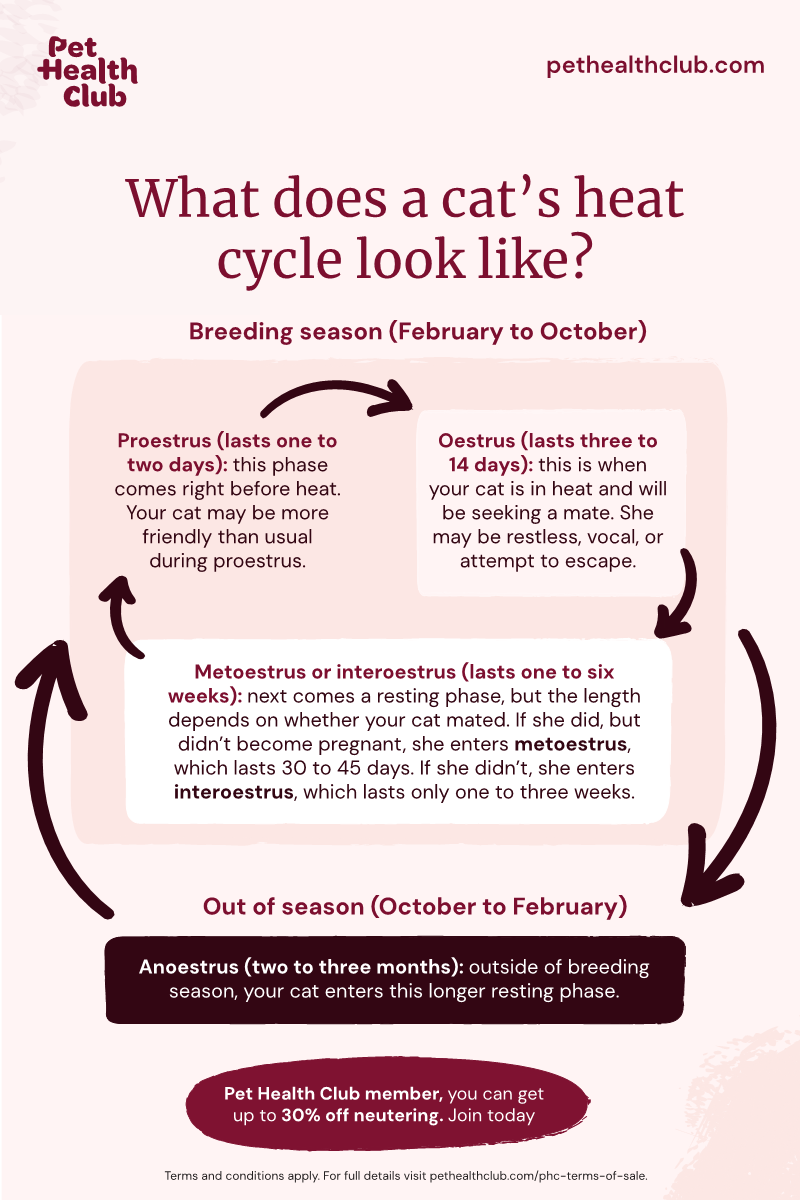
Credit: www.pethealthclub.com
Spaying And Neutering Benefits
Spaying and neutering cats offer many important benefits beyond controlling pet populations. These procedures improve cats’ health and help reduce the number of unwanted animals. Understanding these benefits helps owners make the best choices for their pets.
Preventing Health Issues
Spaying and neutering lower the risk of serious health problems in cats. Female cats avoid uterine infections and certain types of cancer. Male cats have a reduced chance of prostate issues and testicular cancer. These surgeries also stop behaviors linked to hormones, such as spraying and roaming. Overall, spaying and neutering promote longer, healthier lives for cats.
Reducing Unwanted Litters
Spaying and neutering prevent cats from having unplanned litters. This reduces the number of homeless cats and kittens. Fewer stray animals mean less strain on animal shelters and rescue groups. It helps communities manage cat populations humanely. Preventing unwanted litters also saves pet owners from unexpected costs and responsibilities.
When To Consult A Veterinarian
Knowing when to consult a veterinarian about your cat’s reproductive health is crucial. Cats don’t need to mate to stay healthy, but ignoring signs of distress during heat cycles can lead to serious issues. Being aware of what to watch for and how to manage your cat’s condition safely can protect her well-being.
Signs Of Reproductive Health Problems
Watch your cat closely during her heat cycles. If she shows unusual signs like constant yowling, excessive licking of her genital area, or swollen and red vulva beyond the typical cycle length, it’s time to get professional advice.
Other warning signs include:
- Loss of appetite or sudden weight loss
- Frequent urination or signs of pain when urinating
- Unusual discharge or bleeding
- Lethargy or hiding more than usual
Ignoring these signs could mean missing an infection or other reproductive health problems that need treatment.
Managing Heat Cycles Safely
If your cat is not spayed and going through heat cycles, there are ways to ease her discomfort safely at home. Provide a quiet, warm place where she can relax and reduce stress.
You can also distract her with playtime and affection, which often helps reduce the intensity of her behaviors. Avoid letting her outside during this time to prevent unwanted mating and injury.
If her symptoms become too intense or last too long, consulting a vet can help you explore options like hormone treatments or spaying. Have you noticed your cat’s behavior change dramatically during heat? That might be a sign it’s time for professional care.
Credit: pethelpful.com
Frequently Asked Questions
Can Cats Die From Not Mating Naturally?
No, cats cannot die from not mating naturally. Their health does not depend on reproduction. However, unspayed females may face health risks like pyometra if left unbred.
What Health Risks Do Unmated Female Cats Face?
Unmated female cats can develop pyometra, a dangerous uterine infection. Spaying helps prevent this condition and other reproductive issues, promoting long-term health.
Does Mating Affect A Cat’s Emotional Well-being?
Mating does not directly impact a cat’s emotional health. Cats adapt well without mating, and their happiness depends more on care and environment.
Should I Let My Cat Mate To Avoid Health Problems?
Allowing your cat to mate is not necessary for health. Spaying or neutering is the best way to prevent reproductive diseases and unwanted litters.
Conclusion
Cats do not die from not mating. They can live healthy lives. Neutering or spaying is safe for them. It prevents unwanted kittens. It also reduces certain health risks. Always consult a vet for advice. Understand your cat’s needs. Provide love and care.
Your cat’s well-being matters. Happy and healthy pets lead to happy homes.

Lily Purrington is the founder of MyKittyPicks.com, a cozy corner of the web dedicated to helping cat lovers discover the best cat products, furniture, toys, and home decor ideas.
A lifelong cat enthusiast, Lily shares trusted tips, honest product recommendations, and stylish inspiration designed to keep kitties happy and homes beautiful.
Her mission is simple: to bring together practical advice and purr-fect picks that make life better for cats and the people who love them.


