
Have you ever come across the term “Cat C” when looking at cars and wondered what it really means? You’re not alone.
Many people find themselves intrigued yet puzzled by this classification. Understanding it could be crucial for your next car purchase decision. Imagine uncovering the secrets behind car categories and making a choice that could save you money and give you peace of mind.
Knowing what a Cat C on a car truly entails can empower you and ensure you avoid costly mistakes. Stick around, and you’ll uncover everything you need to know about this intriguing car category.

Credit: kalsilaw.com
Cat C Explained
Understanding what a Cat C means on a car is important for buyers and sellers. It shows the level of damage a vehicle has had and its insurance status. This section breaks down the details of Cat C ratings and how these categories affect a car’s value and safety.
Meaning Of Cat C
Cat C stands for Category C, a classification used by insurance companies. It means the car had damage that was significant but repairable. The vehicle was written off by the insurer because repair costs were high compared to its value.
Cars with a Cat C status can be fixed and put back on the road. However, the damage was serious enough to affect the insurance claim process. Buyers should be aware that Cat C cars might have hidden issues.
How Category Ratings Work
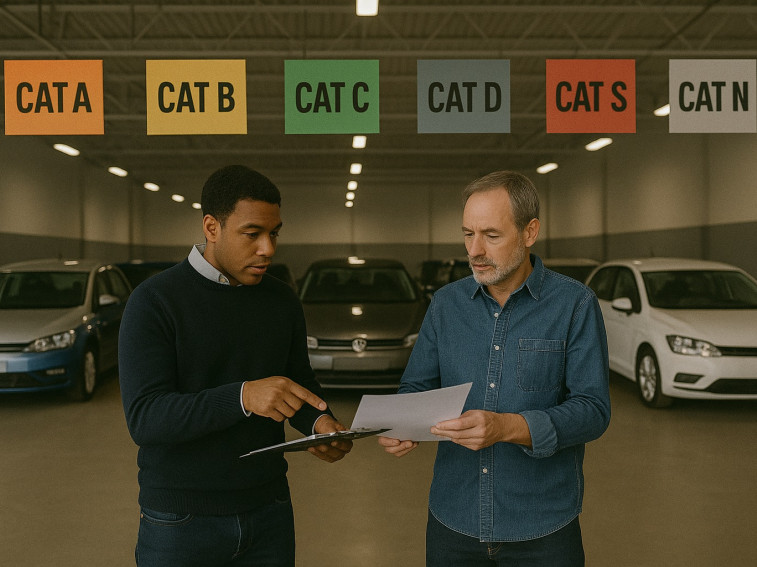
Category ratings classify vehicles based on damage severity. Each category shows the type of write-off the car received from the insurer. These categories help buyers understand the car’s history and condition.
- Category A:The car is scrap only, no repairs allowed.
- Category B:Parts can be salvaged, but the vehicle cannot be repaired.
- Category C:The car can be repaired and returned to the road.
- Category D:Damage was less severe, repairable, and often cheaper.
The categories guide insurers, mechanics, and buyers on the car’s safety and repair history. Cat C signals that repairs were costly but possible.
Common Causes For Cat C
Understanding the common causes behind a Cat C classification can help you make smarter decisions when buying or selling a car. Cat C means the vehicle has sustained damage that’s costly to repair but not beyond repair. Knowing what leads to this status will give you a clearer picture of the car’s history and potential future issues.
Types Of Damage Involved
Damage that lands a car in Cat C can vary widely, but it usually affects the structure or key components. This includes:
- Structural damage:Bent frames or chassis damage that compromises the car’s safety.
- Mechanical issues:Broken suspension parts or engine damage that require expensive fixes.
- Electrical problems:Faulty wiring or damaged electronic systems from impact or water ingress.
- Bodywork damage:Severe dents, crushed panels, or smashed windows that need replacement.
Even if the car looks okay from the outside, hidden damage can push repair costs beyond what insurers consider economical. Have you ever bought a car that seemed fine but later revealed costly hidden faults? That’s often the case with Cat C vehicles.
Accidents Leading To Cat C
Most Cat C cars have a history of accidents that caused substantial damage. Common scenarios include:
- Front or rear-end collisions that crumple the bumper, hood, or trunk area.
- Side impacts affecting doors, pillars, or even the frame.
- Rollovers or multi-car pile-ups causing widespread damage.
- Hit-and-run incidents where the damage is severe but the responsible party is unknown.
Even minor crashes can result in a Cat C if repair costs climb too high. When you look at a Cat C car, ask yourself: what kind of accident caused this damage, and was it properly fixed? Your safety could depend on the answer.
Impact On Vehicle Value
Understanding the impact of a Cat C status on your vehicle’s value is crucial if you’re considering buying or selling a car with this classification. A Cat C rating means the car has sustained structural damage and was deemed uneconomical to repair by an insurance company. This label heavily influences how much the vehicle is worth now and in the future.
Depreciation Factors
A Cat C car loses value much faster than a clean title vehicle. The damage history scares off many buyers who worry about hidden issues or safety concerns. Even if repairs are done well, the stigma attached to Cat C reduces demand.
Think about how you would feel paying full price for a car that was once declared structurally damaged. Would you trust its longevity? This doubt leads to lower offers from buyers and dealers alike.
- Insurance companies may charge higher premiums.
- Future resale prices drop significantly.
- Financing options can become limited or more expensive.
Resale Challenges
Reselling a Cat C vehicle can be tricky. Many buyers avoid these cars outright, fearing ongoing problems or costly repairs. You’ll likely spend more time and effort finding the right buyer.
Be upfront about the car’s history. Transparency builds trust and can sometimes ease buyer concerns. However, expect to negotiate hard on price, as buyers will factor in the risk they’re taking.
Do you think you could recover your investment if you decide to sell a Cat C car? Most sellers face tough choices, including accepting lower offers or investing more money to improve the car’s condition and appeal.
Risks When Buying Cat C Cars
Buying a Cat C car can save money upfront, but it brings several risks. These vehicles have been damaged and declared a total loss by insurers. The repairs may not always meet high standards. Understanding the risks helps avoid costly mistakes and safety problems later.
Safety Concerns
Cat C cars often have hidden structural damage. This can weaken the frame and affect crash protection. Safety features like airbags might not work properly. Repairs may fail to restore the car to factory safety levels. This raises risks for drivers and passengers.
Hidden Mechanical Issues
Mechanical problems often hide beneath the surface. The engine, transmission, or brakes may have unseen damage. Poor repairs can cause frequent breakdowns. Electrical faults might appear after some time. These issues lead to expensive repairs and unreliable performance.
Inspection Tips For Cat C Vehicles
Inspecting a Cat C vehicle requires more than just a quick look. These cars have been written off due to structural damage, so understanding what to check can save you from costly surprises. Careful inspection helps you decide if the car is worth your investment and safe to drive.
Professional Assessment
Always get a qualified mechanic to assess a Cat C vehicle before buying. They can spot hidden damage that you might miss, like frame twists or weakened chassis parts. A professional inspection report gives you a clear picture of the car’s condition and potential repair costs.
Ask the mechanic specific questions about the repairs done. Were genuine parts used? Is there any sign of rushed or poor workmanship? A thorough professional evaluation reduces the risk of buying a car with ongoing problems.
Key Areas To Check
Pay close attention to the car’s structural integrity. Look for uneven panel gaps, misaligned doors, or cracks in the paint which might indicate poor repairs. Check the chassis and undercarriage for rust, bends, or signs of welding.
- Suspension and Steering:Test for unusual noises or pulling during a test drive.
- Electrical System:Ensure all lights, sensors, and electronics work properly, as wiring can be damaged in accidents.
- Fluid Leaks:Look under the car for any leaks, especially around the engine and transmission.
Have you ever noticed small cracks around the windshield or headlights? These subtle signs often hint at past impact. Being alert to these details can help you avoid hidden problems later on.
Credit: www.raw2k.co.uk
Insurance Considerations
Understanding the insurance implications of a Cat C car is vital for any buyer. A Cat C classification means the car has suffered structural damage but can be repaired. This classification affects how insurance companies view the vehicle and what coverage options they offer. Knowing these details helps avoid surprises and ensures you get the right protection.
Coverage Limitations
Insurance companies often limit coverage on Cat C cars. Some may refuse to offer comprehensive insurance. Others might exclude coverage for certain parts or damages. This limitation exists because the car’s history shows it was once damaged. Insurers see this as a higher risk for future claims. Checking policy details before buying is important.
Cost Implications
Insurance for Cat C cars usually costs more than normal cars. The higher price reflects the increased risk of repairs or breakdowns. Some insurers charge extra fees or higher premiums. Repair costs can also be higher due to past structural damage. Buyers should compare quotes from different companies. This helps find the best price and coverage combination.
Repair And Roadworthiness
Understanding the repair process and roadworthiness of a Cat C vehicle is crucial if you’re considering buying one. These cars have sustained damage significant enough to be recorded on their history, but that doesn’t always mean they’re unsafe or unusable. What really matters is how well the repairs were done and whether the car meets legal road standards afterwards.
Quality Of Repairs
The quality of repairs on a Cat C car can vary widely. Some vehicles may have undergone professional, factory-standard repairs, while others might have been fixed cheaply without proper safety checks.
Always ask for detailed repair records and, if possible, get a trusted mechanic to inspect the car. Look for signs like:
- New parts with warranties
- Proper alignment and smooth handling
- Consistent paintwork without mismatched colors or textures
Remember, a poorly repaired car can cause issues down the line, affecting your safety and costing more money. Have you ever bought a car that looked fine but started showing problems a few months later? That’s often the result of low-quality repairs.
Legal Requirements
To legally drive a Cat C vehicle, it must meet specific roadworthiness standards set by authorities. This means passing mandatory inspections that check brakes, lights, tires, and overall vehicle safety.
The car must also have all its damaged parts properly repaired or replaced. Any substandard fix or missing safety feature can result in failed inspections and legal troubles.
Are you aware that driving a Cat C car without meeting these standards can lead to fines or insurance issues? Make sure your vehicle has a valid MOT certificate or equivalent proof of roadworthiness before hitting the road.

Credit: www.youtube.com
Alternatives To Buying Cat C Cars
Buying a Cat C car might seem like a good deal, but there are other choices that offer more peace of mind. These alternatives come with benefits like better reliability and less risk. Exploring different options helps you find a car that fits your budget and needs without compromising quality.
Certified Pre-owned Options
Certified pre-owned cars come with a warranty and have passed strict checks. Dealers inspect these cars thoroughly to ensure they meet high standards. They often include services like roadside assistance and free maintenance for a period. These cars offer a safer choice than Cat C vehicles and usually have clear histories.
New Vs Used Comparisons
New cars cost more but offer full warranties and the latest features. They need less maintenance and have no accident history. Used cars are cheaper but may have hidden issues unless from a trusted source. Comparing new and used cars helps balance cost, reliability, and features. This way, you can decide what matters most for your purchase.
Frequently Asked Questions
What Does Cat C Mean On A Car?
Cat C is a UK insurance category for damaged cars. It means the car was severely damaged but repairable. After repair, it must pass inspections before being roadworthy. This category impacts resale value and insurance premiums.
How Does Cat C Affect Car Value?
Cat C cars have lower resale value due to past severe damage. Buyers see them as higher risk, which reduces demand. Insurance companies also charge higher premiums for Cat C vehicles, reflecting their repair history.
Can You Insure A Cat C Car?
Yes, you can insure a Cat C car, but it may be costly. Insurers consider these cars higher risk due to their damage history. Full coverage might be limited or more expensive than standard vehicles.
Is It Safe To Buy A Cat C Car?
Buying a Cat C car can be safe if properly repaired. Always get a professional inspection to check repair quality. Be aware of potential hidden damages and lower resale value risks.
Conclusion
A Cat C on a car means serious damage. It shows the vehicle had major repairs or was unsafe. Knowing this helps you decide before buying. Always check the car’s history and condition carefully. This way, you avoid surprises and costly fixes later.
Understanding Cat C keeps you safer and smarter on the road.

Lily Purrington is the founder of MyKittyPicks.com, a cozy corner of the web dedicated to helping cat lovers discover the best cat products, furniture, toys, and home decor ideas.
A lifelong cat enthusiast, Lily shares trusted tips, honest product recommendations, and stylish inspiration designed to keep kitties happy and homes beautiful.
Her mission is simple: to bring together practical advice and purr-fect picks that make life better for cats and the people who love them.


