
Caring for a cat with Feline Immunodeficiency Virus (FIV) might feel daunting at first. You love your furry friend, and you want to ensure they live a healthy and happy life.
But where do you start? The truth is, with a little knowledge and the right approach, you can make a significant difference in your cat’s well-being. This guide will unravel the essentials of FIV care, empowering you with tips and strategies that are both simple and effective.
Imagine the comfort of knowing you’re doing everything possible to give your cat the best life. Read on to discover how you can transform worry into confident, caring action.
Credit: catfriendly.com
Fiv Basics
Understanding the basics of Feline Immunodeficiency Virus (FIV) is essential if you have a cat living with this condition. Knowing what FIV is and how it affects your cat helps you provide the right care and support. Let’s break down the essentials so you can feel confident in managing your cat’s health.
What Is Fiv?
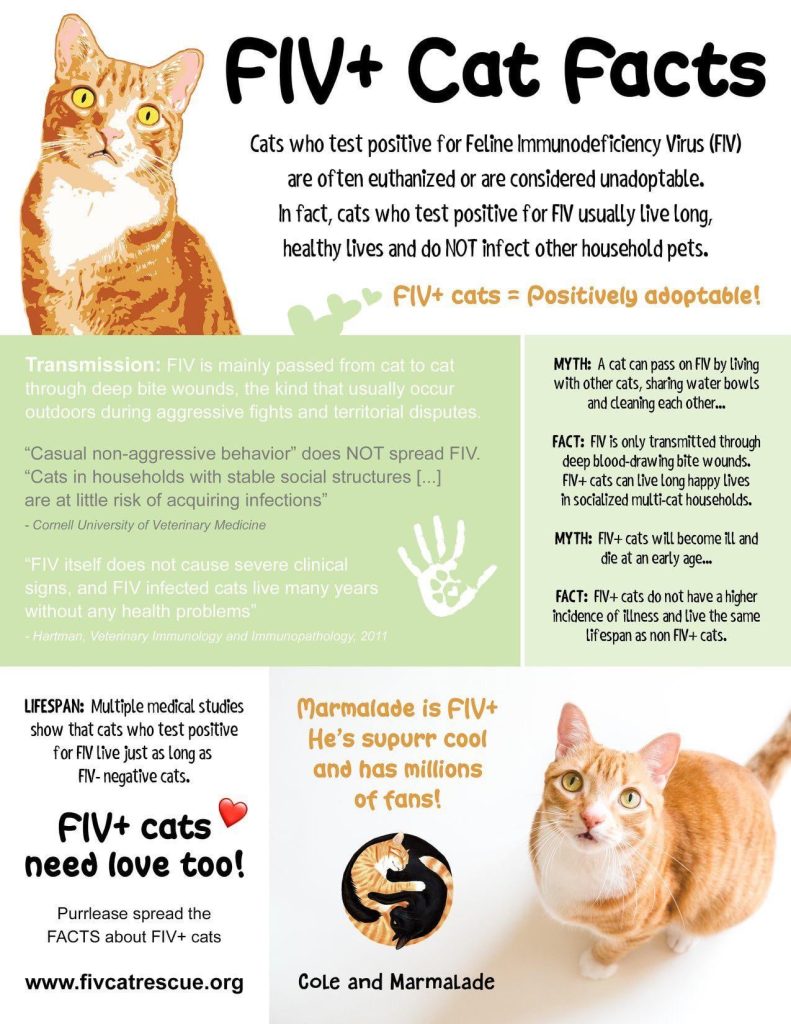
FIV is a virus that weakens a cat’s immune system, making it harder for them to fight off infections. It spreads mainly through deep bite wounds, which is why outdoor, fighting cats are more at risk. Unlike humans with HIV, cats with FIV can live many years without severe symptoms if properly cared for.
Think about your cat’s immune system like a shield. FIV slowly damages that shield, but it doesn’t destroy it overnight. This slow progression means your cat can still enjoy life with some adjustments to their care.
How Fiv Affects Cats
FIV doesn’t cause immediate illness. Instead, it gradually reduces the cat’s ability to fight diseases. You might notice your cat getting sick more often or taking longer to recover from minor infections.
Many cats with FIV stay healthy for years, but some may develop secondary infections like dental disease, skin problems, or respiratory infections. You can help by keeping your cat indoors, feeding a balanced diet, and scheduling regular vet visits.
Have you noticed changes in your cat’s behavior or health? Paying close attention allows you to catch problems early. Your proactive care can make a big difference in how your cat lives with FIV.
Recognizing Symptoms
Recognizing symptoms of Feline Immunodeficiency Virus (FIV) early helps protect your cat’s health. This virus weakens the immune system slowly. Signs may seem mild at first but need attention. Knowing what to watch for aids prompt care and comfort for your cat.
Early Signs
- Swollen lymph nodes under the jaw or neck
- Recurring fever or mild weight loss
- Gum inflammation and mouth sores
- Reduced appetite and less energy
- Persistent eye or respiratory infections
These signs can be subtle and easy to miss. Keep a close eye on your cat’s daily behavior and health.
Progression Indicators
- Chronic infections that do not heal
- Severe weight loss and muscle loss
- Skin problems like persistent wounds or hair loss
- Neurological issues such as seizures or tremors
- Frequent diarrhea or digestive troubles
Symptoms worsen as the virus advances. Immediate veterinary care is crucial to manage these changes and improve quality of life.
Regular Vet Visits
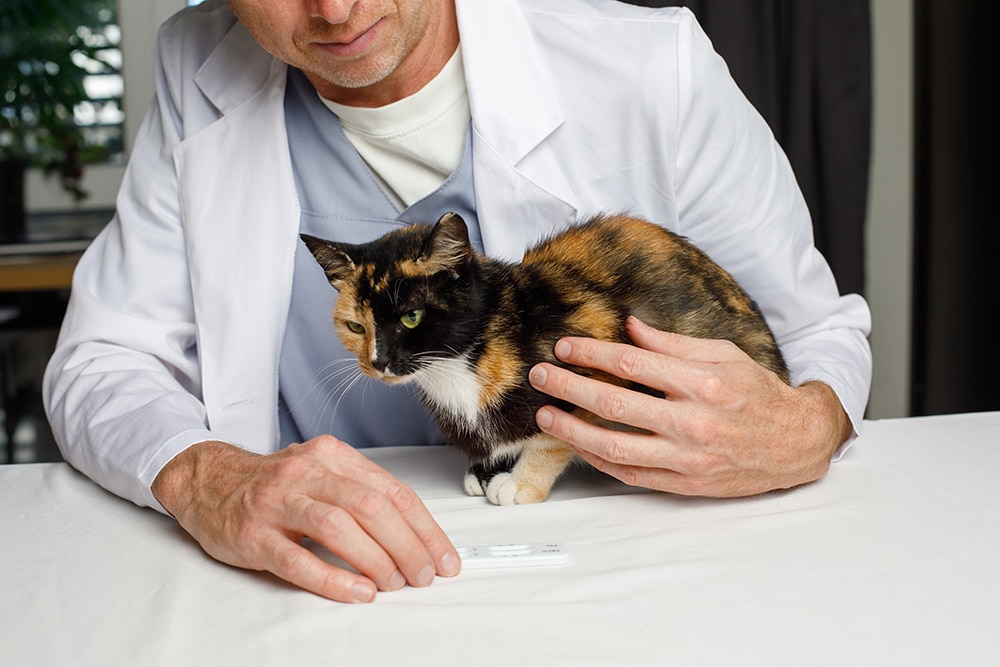
Regular vet visits are essential for cats with FIV. These visits help catch health problems early. They also ensure your cat stays as healthy as possible. Monitoring your cat’s condition is key to managing FIV effectively.
Routine Checkups
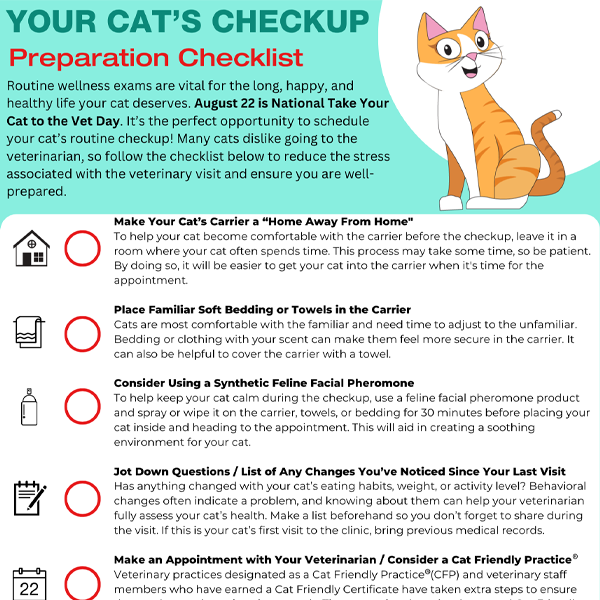
Schedule vet visits every three to six months. During checkups, the vet will examine your cat thoroughly. They check weight, teeth, and overall condition. Blood tests may be done to monitor immune health. Early detection of infections or illnesses improves treatment success. Keep a record of all vet visits and findings.
Vaccinations And Treatments
Vaccinations protect your cat from other diseases. Your vet will recommend safe vaccines for FIV-positive cats. Treatments may include antibiotics to fight infections. Parasite control is important for maintaining health. Follow your vet’s advice on medication schedules strictly. Never give medicine without consulting your vet first.

Credit: www.reddit.com
Nutrition And Diet
Caring for a cat with FIV means paying close attention to their nutrition and diet. The right food can help strengthen their immune system and improve overall health. You want to provide meals that support their body while minimizing stress on their immune defenses.
Balanced Meals
Focus on high-quality proteins like chicken, turkey, or fish to help maintain muscle mass. Cats with FIV need foods rich in essential amino acids such as taurine, which supports heart and eye health.
Choose diets low in carbohydrates since cats are obligate carnivores and don’t process carbs efficiently. Wet food is often better than dry because it keeps your cat hydrated and tends to have fewer fillers.
Have you checked the ingredient list on your cat’s food lately? Avoid artificial additives and fillers that can burden their system. Feeding small, frequent meals may help your cat maintain energy throughout the day.
Supplements For Immune Support
Adding certain supplements can give your cat’s immune system a boost. Omega-3 fatty acids from fish oil reduce inflammation and support skin and coat health.
Antioxidants like vitamin E and C help fight free radicals that can damage cells. Before adding supplements, consult your vet to find the right dosage and avoid interactions with any medications.
Probiotics may improve gut health, which is closely linked to immune function. Have you noticed changes in your cat’s digestion? A simple supplement might help stabilize their stomach and improve nutrient absorption.
Safe Living Environment
Creating a safe living environment is crucial for a cat with FIV. This virus weakens their immune system, making them more vulnerable to infections and stress. Your goal is to provide a space that minimizes risks and supports their overall well-being.
Indoor Vs. Outdoor
Keeping your FIV-positive cat indoors is the safest choice. Outdoor cats face dangers like fights, parasites, and exposure to other diseases, which can overwhelm their immune system.
Indoor cats benefit from fewer threats and a controlled environment. However, if you want your cat to enjoy the outdoors, consider a secure catio or leash walks to prevent contact with other animals.
Have you thought about how much risk your cat faces outside compared to inside? Even a single encounter with an aggressive cat can lead to serious complications.
Stress Reduction Tips
Stress weakens your cat’s immune defenses, so reducing it is essential. Create quiet spaces where your cat can retreat and feel safe.
- Provide cozy beds or hiding spots in calm areas of your home.
- Keep a consistent routine for feeding and playtime to help your cat feel secure.
- Use calming diffusers with pheromones designed for cats to soothe anxiety.
- Limit loud noises and sudden changes in your cat’s environment.
Think about your cat’s reactions to household changes—do they hide or act nervous? Adjusting your home setup could make a big difference in their comfort.
Managing Secondary Infections
Managing secondary infections is critical when caring for a cat with Feline Immunodeficiency Virus (FIV). These infections can quickly worsen your cat’s health because their immune system is weakened. Paying close attention to signs and acting fast can make a big difference in your cat’s quality of life.
Common Infections
Your cat with FIV is more vulnerable to several infections that might seem minor but can cause serious problems. Upper respiratory infections are frequent, causing sneezing, nasal discharge, and eye irritation.
Dental infections also appear often, leading to bad breath, swollen gums, and difficulty eating. Skin infections might show up as sores, redness, or hair loss.
Urinary tract infections can cause frequent urination or discomfort. Recognizing these infections early helps you get your cat the treatment they need quickly.
Prevention Strategies
Preventing secondary infections is all about keeping your cat’s environment clean and reducing stress. Regular vet checkups allow early detection and prompt treatment of any emerging infections.
Keep your cat indoors to minimize exposure to pathogens and other sick animals. Maintain a clean litter box, fresh water, and nutritious food to support your cat’s immune system.
Brush your cat’s teeth regularly or provide dental treats to reduce the risk of dental infections. Also, observe your cat daily for any changes in behavior or appearance—catching problems early can save your cat from serious illness.
How often do you check your cat for subtle signs of infection? Making it part of your routine can help your FIV cat stay healthier longer.
Behavioral Changes
Caring for a cat with FIV means paying close attention to changes in behavior. These changes can be subtle or more obvious, but they always provide clues about your cat’s health and comfort. Understanding these shifts helps you respond better and create a supportive environment for your furry friend.
Monitoring Mood
Your cat’s mood might shift due to FIV-related discomfort or stress. You may notice your cat becoming more withdrawn or less playful than usual. Watch for signs like hiding, reduced appetite, or increased irritability.
Keep a daily log of your cat’s behavior to spot patterns. Does your cat seem more lethargic after vet visits or medication? Tracking these details helps you and your vet make informed decisions.
Ask yourself: Is your cat seeking less interaction or showing signs of pain? These questions guide you in adjusting care to ease their mood.
Adapting To Needs
Behavioral changes mean your cat’s needs might also change. They may require quieter spaces or more gentle handling than before. Create cozy spots where your cat can retreat without disturbance.
Offer toys and activities that suit your cat’s current energy level. If your cat used to enjoy vigorous play but now prefers calm interaction, respect that shift. Your cat’s new preferences are key to their happiness.
Consider small adjustments like softer bedding or easily accessible food and water. These simple changes can make a big difference in your cat’s daily comfort.
How will you tailor your home and routine to meet these evolving needs? Your attentiveness can improve your cat’s quality of life dramatically.
Supporting Quality Of Life
Supporting the quality of life for a cat with Feline Immunodeficiency Virus (FIV) is key. It helps your cat stay happy and comfortable. Small changes in daily care can make a big difference. Focus on creating a safe and loving environment. Observe your cat’s needs closely and respond with kindness.
Comfort Measures
Provide soft bedding in quiet areas. Cats with FIV may feel tired more often. Warm and cozy spots help them rest well. Keep their living space clean and free from stress. Use gentle grooming to remove loose fur and dirt. Regularly check their body for any signs of illness. Offer fresh water and nutritious food at all times.
Exercise And Play
Encourage gentle play to keep your cat active. Short play sessions help improve their mood. Use soft toys that are easy to catch and carry. Avoid rough play to prevent stress or injury. Interactive toys can stimulate their mind and body. Let your cat rest whenever they seem tired. Balance activity with plenty of quiet time for recovery.
Credit: justcatsclinic.com
Frequently Asked Questions
What Is Fiv In Cats And How Is It Transmitted?
FIV stands for Feline Immunodeficiency Virus. It spreads mainly through bite wounds from infected cats. It weakens a cat’s immune system, making them prone to infections and illnesses.
How Can I Care For A Cat With Fiv?
Provide a stress-free, indoor environment for your FIV cat. Feed a balanced diet and schedule regular vet check-ups. Keep vaccinations up-to-date and treat any infections promptly.
Can Fiv Cats Live Normal Lives?
Yes, with proper care, FIV cats can live many healthy years. Avoid exposure to other cats and monitor their health closely to catch issues early.
Should I Isolate My Fiv Cat From Other Pets?
It’s best to keep FIV cats indoors and away from uninfected cats. This prevents virus spread and reduces the risk of injuries or infections.
Conclusion
Caring for a cat with FIV takes patience and love. Keep your cat indoors to avoid infections. Feed a healthy diet and provide fresh water daily. Regular vet visits help catch problems early. Give your cat a calm and safe space to rest.
Watch for changes in behavior or health. Small steps make a big difference in your cat’s life. Your care helps your feline friend live longer and feel better. Stay attentive and enjoy the special bond you share.

Lily Purrington is the founder of MyKittyPicks.com, a cozy corner of the web dedicated to helping cat lovers discover the best cat products, furniture, toys, and home decor ideas.
A lifelong cat enthusiast, Lily shares trusted tips, honest product recommendations, and stylish inspiration designed to keep kitties happy and homes beautiful.
Her mission is simple: to bring together practical advice and purr-fect picks that make life better for cats and the people who love them.


