
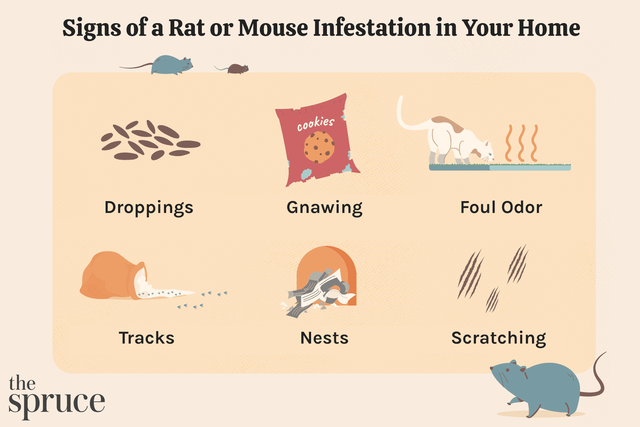
Have you ever caught a strange smell in your home and wondered if it’s mouse urine or cat urine? Telling the difference can be tricky, but it matters—especially if you want to handle the problem the right way.
You might think all animal urine smells the same, but there are subtle differences that can help you identify the source. Keep reading, and you’ll learn how to spot the signs, protect your space, and take action before the smell takes over your home.
Credit: pethelpful.com
Scent Profiles Of Mouse And Cat Urine
Mouse and cat urine have very different scent profiles. Understanding these differences helps in identifying which animal caused the smell. Both animals use urine to mark territory, but their urine contains unique chemicals that create distinct odors.
Chemical Composition Differences
Mouse urine contains high levels of ammonia and specific proteins called pheromones. These pheromones help mice communicate with each other. Cat urine also has ammonia but contains additional sulfur compounds. These sulfur compounds make the smell stronger and more pungent.
In mice, the main chemicals include:
- Ammonia
- Urea
- Pheromones unique to mice
Cat urine has:
- Higher ammonia concentration
- Thiols (sulfur compounds)
- Urine crystals that form strong odors
Distinctive Odor Characteristics
Mouse urine has a sharp but milder smell. It often smells slightly sweet or musty due to pheromones. The odor is usually less intense and fades faster.
Cat urine has a very strong, ammonia-like smell. It can be overpowering and linger for a long time. The sulfur compounds give cat urine a rotten or skunky scent. This makes it easier to detect even in small amounts.
People often confuse mouse urine with cat urine at first. The key is that cat urine smells harsher and lasts longer. Mouse urine is more subtle and less offensive.
Why Mouse Urine Odor Matters
Mouse urine odor is more than a simple nuisance. It signals the presence of rodents in your living space. Recognizing why this odor matters helps protect health and maintain a clean home. This smell can affect your daily life in ways you might not expect. Understanding these effects is key to taking proper action.
Health Risks And Allergies
Mouse urine contains harmful bacteria and viruses. Breathing in the odor can cause respiratory problems. Some people may develop allergies from exposure to mouse urine. Symptoms include sneezing, coughing, and itchy eyes. Long-term exposure may worsen asthma or other lung conditions. Taking steps to remove mouse urine reduces these health risks.
Impact On Home Environment
The strong smell of mouse urine affects your home’s comfort. It can stain walls, floors, and furniture over time. This odor often spreads to fabrics like curtains and carpets. A persistent smell lowers the overall cleanliness of your home. It can also discourage guests from visiting. Cleaning and controlling rodents help restore a fresh environment.
Common Misconceptions About Urine Smells
Understanding urine smells can be puzzling. Many assume all animal urine smells alike. This leads to common misconceptions. Especially between mouse and cat urine odors. Let’s explore these misconceptions further.
Mistaking Mouse Urine For Cat Urine
People often confuse mouse urine with cat urine. Both emit strong, unpleasant odors. Yet, they differ in distinct ways. Mouse urine has a musky scent. Cat urine smells more like ammonia. This confusion often arises in homes with both pests.
Pet owners might smell urine and blame their cats. In reality, it could be mice. Identifying the correct source is crucial. It helps in addressing the problem effectively.
Factors Influencing Urine Odor
Several factors affect urine odor. Diet plays a significant role. Foods rich in protein increase ammonia levels in urine. This makes the smell stronger.
Hydration levels also impact odor. Dehydrated animals produce more concentrated urine. It smells stronger than usual. Environmental conditions can alter the scent too. Warm, humid areas intensify odors.
Understanding these factors is essential. It helps differentiate between mouse and cat urine smells. This knowledge aids in proper identification and resolution.
Detecting And Identifying Urine Smells
Detecting and identifying urine smells can be tricky. Mouse urine and cat urine have distinct scents but can sometimes seem similar. Knowing how to tell them apart helps in managing pest problems or cleaning your home properly. The key is to use the right tools and methods to sniff out the source and type of urine.
Urine smells vary in strength and odor depending on the animal and its diet. Mouse urine tends to have a sharp, ammonia-like smell. Cat urine usually has a stronger, more pungent odor. Understanding these differences allows for accurate detection and proper treatment.
Tools And Techniques
- Blacklight or UV flashlight: Mouse urine glows under UV light, making it easier to spot.
- Smell test: Carefully sniff the area to detect strong ammonia or pungent odors.
- Visual inspection: Look for small yellowish stains or damp spots on floors or walls.
- Absorbent paper: Use white paper to dab the area and check for discoloration.
- Moisture meter: Detect wet or damp areas where urine might be present.
Tips For Accurate Identification
- Check multiple spots: Urine stains are often scattered around nesting or toileting areas.
- Note odor strength: Mouse urine smells lighter and sharper; cat urine is stronger.
- Consider location: Mouse urine appears in hidden corners; cat urine often appears near litter boxes or favorite spots.
- Use gloves to avoid contamination while inspecting.
- Clean small areas to see if the odor returns, confirming presence of urine.
Effective Cleaning And Odor Removal
Getting rid of mouse or cat urine odors can feel like a never-ending battle. Both types of urine have strong smells that linger if not cleaned properly. Effective cleaning and odor removal require the right approach and products to truly eliminate the source, not just mask the smell.
Safe Cleaning Products
Using the right cleaners is crucial. Avoid harsh chemicals like bleach, which can react with urine and make the smell worse. Instead, opt for enzymatic cleaners designed specifically to break down urine proteins.
These cleaners work by targeting the molecules that cause odors. You can find them at pet stores or online, often labeled for pet stain and odor removal. Many users have noticed that these products not only remove the smell but also discourage animals from marking the same spot again.
Preventing Recurring Odors
After cleaning, preventing the smell from coming back is just as important. Make sure the area is completely dry before allowing pets or pests near it again. Moisture can keep odors active and attract animals back.
Consider sealing surfaces with a protective coating once the odor is gone. This can block any urine residues trapped in porous materials like wood or fabric. Have you ever wondered why some smells keep returning despite cleaning? It’s often because the urine soaked deep into the material and wasn’t fully neutralized.
Regular cleaning and monitoring your home for new signs of pests or pets marking can save you frustration later. Taking these steps can help you maintain a fresh and odor-free living space.
Credit: www.hammertechltd.com
Preventing Mouse And Cat Urine Odors
Preventing the unpleasant odors of mouse and cat urine requires a focused approach. Both animals leave distinct smells that can linger and cause discomfort in your living space. Taking control early can make a big difference in maintaining a fresh and odor-free home.
Pest Control Strategies
Effective pest control is key to stopping mouse urine smells before they start. Seal all entry points like cracks, holes, and gaps around doors and windows to block mice from entering. Setting traps or using bait stations can reduce the mouse population quickly.
Regularly inspect hidden areas such as basements and behind appliances where mice like to hide. Clean these spots thoroughly to remove any urine traces that attract more rodents. Could a small hole in your wall be the source of that persistent smell?
Managing Cat Litter And Hygiene
Keeping your cat’s litter box clean is essential to control cat urine odors. Scoop daily and change the litter completely at least once a week to prevent smells from building up. Use clumping litter designed to trap moisture and odor for better results.
Consider placing the litter box in a well-ventilated area to help disperse odors quickly. Washing the box with mild soap and hot water regularly also helps eliminate lingering smells. Have you noticed how a fresh litter box can instantly improve your home’s atmosphere?
Credit: www.livescience.com
Frequently Asked Questions
Does Mouse Urine Smell Like Cat Urine?
Mouse urine has a strong ammonia-like odor but is usually less pungent than cat urine. Cat urine often smells sharper due to different proteins and chemicals. Both smells are distinct but can be mistaken by some people.
Why Does Cat Urine Smell Stronger Than Mouse Urine?
Cat urine contains higher concentrations of urea and protein, making its smell sharper and more intense. Mouse urine has fewer compounds that create odor, so it typically smells milder and less offensive.
Can Mouse Urine Cause Similar Odor Problems As Cat Urine?
Yes, mouse urine can create noticeable odors if the infestation is large. However, cat urine generally causes more persistent and stronger smells, especially in enclosed spaces.
How To Differentiate Mouse Urine Smell From Cat Urine?
Mouse urine smell is usually ammonia-like and less intense. Cat urine has a stronger, sharper, and more pungent smell due to specific compounds. Paying attention to the smell’s strength and sharpness helps in identification.
Conclusion
Mouse urine and cat urine smell quite different from each other. Cat urine has a strong, sharp odor that many find unpleasant. Mouse urine often has a lighter, more subtle scent. Knowing these differences helps you identify the source of the smell.
This can guide how you clean and handle the problem. Paying attention to the smell can prevent bigger issues later. Trust your nose—it often knows best.

Lily Purrington is the founder of MyKittyPicks.com, a cozy corner of the web dedicated to helping cat lovers discover the best cat products, furniture, toys, and home decor ideas.
A lifelong cat enthusiast, Lily shares trusted tips, honest product recommendations, and stylish inspiration designed to keep kitties happy and homes beautiful.
Her mission is simple: to bring together practical advice and purr-fect picks that make life better for cats and the people who love them.


