

Dealing with cat urine stains can be frustrating and stressful. You want your home to smell fresh and look clean, but those stubborn spots keep coming back.
If you’ve tried cleaning before and still struggle with the smell or marks, you’re not alone. This guide will show you simple, effective ways to get rid of cat urine stains for good. By the end, you’ll have the tools and confidence to restore your space and keep it fresh.
Ready to take control of your home’s cleanliness? Let’s get started.

Credit: ecostrong.com
Why Cat Urine Stains Are Tough
Cat urine stains pose a big challenge for many pet owners. These stains are hard to remove and often leave a strong smell behind. Understanding why these stains are tough helps in finding the right cleaning method. The unique makeup of cat urine and its effect on different materials make it stubborn and persistent.
Chemical Composition Of Cat Urine
Cat urine contains several compounds that make stains difficult to clean. Urea breaks down into ammonia, which has a strong, sharp odor. Urates and creatinine form crystals that stick deep into fabrics and surfaces. Proteins and other organic materials in the urine also contribute to the staining.
This complex mix causes a chemical reaction with many cleaning agents. The ammonia can even worsen the smell if not treated properly. The crystals can embed themselves tightly, making simple washing ineffective.
Effects On Fabrics And Surfaces
Cat urine reacts differently depending on the material it touches. On porous fabrics like carpets and upholstery, urine soaks deep into fibers. This makes stains visible and odors linger long after cleaning. Hard surfaces may absorb urine into tiny cracks and crevices, causing discoloration and smell.
Repeated exposure can damage materials over time. Fabrics may weaken and colors can fade. Surfaces like wood or stone can become permanently stained. The smell from dried urine is hard to remove and often returns after cleaning.
Immediate Actions To Take
Dealing with cat urine stains immediately can save you a lot of trouble later. The quicker you act, the less chance the odor and stain have to set deep into your fabric or carpet. Taking the right steps right away makes a huge difference in fully removing both the stain and the smell.
Blotting The Stain
Start by gently blotting the urine stain with paper towels or a clean cloth. Press down firmly to soak up as much liquid as possible without rubbing. Rubbing spreads the stain and pushes it deeper into the fibers, making it harder to remove.
Use fresh towels as needed and avoid scrubbing. If you have a wet vacuum, it can help suck out the urine more effectively at this stage. The key is to absorb the urine quickly before it dries.
Avoiding Common Mistakes
Many people reach for harsh cleaners or ammonia-based products, but these can make the problem worse. Ammonia smells like urine to cats and may encourage them to pee in the same spot again. Stay away from bleach or steam cleaning, as heat can set the stain permanently.
Don’t delay cleaning or use water alone to dilute the stain. That often spreads the urine and odor. Instead, use enzymatic cleaners designed specifically for pet stains — they break down the urine molecules and neutralize the smell.
Have you ever tried to clean a cat urine stain and found it only got worse? Understanding what not to do is just as important as knowing what to do first.
Homemade Cleaning Solutions
Vinegar and baking soda create a strong homemade cleaner to remove cat urine stains. Apply the mixture, let it sit, then blot to lift odors and marks. This simple solution helps keep carpets fresh without harsh chemicals.
Having a furry friend at home is a joy, but dealing with cat urine stains is anything but fun. If you’ve ever had a cat, you’ve probably encountered this issue. The good news is that you can tackle these pesky stains without resorting to harsh chemicals. Homemade cleaning solutions not only save you money, but they also keep your home environment safe for your pets. Let’s dive into some tried-and-true methods using common household items.Vinegar And Baking Soda Mix
This dynamic duo is a household staple for a reason. Vinegar is acidic, which helps neutralize the ammonia in cat urine. Baking soda works as a natural deodorizer, absorbing unpleasant odors. Start by blotting up as much of the urine as possible with paper towels. Then, mix equal parts of water and vinegar in a spray bottle. Spray the solution generously over the stained area and let it sit for about 10 minutes. Afterward, sprinkle baking soda over the treated area. The fizzing reaction between the vinegar and baking soda helps lift the stain. Once it dries completely, vacuum up the baking soda residue. Have you tried this method before? It’s surprisingly effective!Hydrogen Peroxide Method
Hydrogen peroxide is another excellent tool for tackling stubborn urine stains. It’s a mild bleaching agent, so always test a small area first to ensure it won’t discolor your carpet or fabric. For this method, you’ll need hydrogen peroxide, dish soap, and baking soda. First, blot the stain with a clean cloth to remove excess moisture. Then, combine a cup of hydrogen peroxide with a teaspoon of dish soap. Pour the mixture over the affected area. After a few minutes, sprinkle a layer of baking soda on top. Let it sit until it dries completely. Finally, vacuum up the residue. Isn’t it amazing how simple household items can work such wonders?
Credit: smart.dhgate.com
Commercial Cleaners That Work
Dealing with cat urine stains can be frustrating, especially when the smell lingers despite your best efforts. Choosing the right commercial cleaner can make all the difference in removing both stains and odors effectively. Here’s a closer look at products designed to tackle these stubborn issues and help you restore your home’s freshness.
Enzyme-based Cleaners
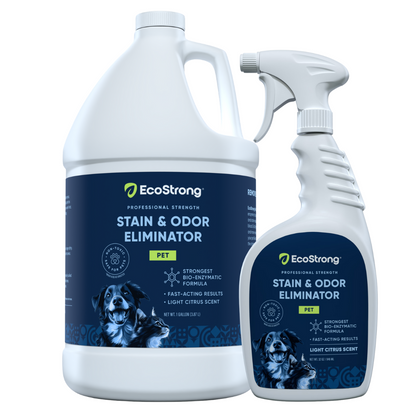
Enzyme-based cleaners are specifically formulated to break down the proteins in cat urine. These products don’t just mask the smell—they actually eliminate the source of the odor. If you’ve ever noticed a persistent scent that returns after cleaning, enzyme cleaners could be the solution you need.
Look for cleaners that mention “bio-enzymatic” or “pet stain remover” on the label. These enzymes digest organic matter, which stops your cat from being attracted back to the same spot. Applying the cleaner generously and allowing it to air dry usually gives the best results.
- Nature’s Miracle: A popular choice known for its strong enzymatic action.
- Rocco & Roxie Supply Co.: Effective for tough stains and odors on carpets and upholstery.
- Simple Solution: Great for quick cleaning and odor control.
Odor Neutralizers
Odor neutralizers work by chemically neutralizing or absorbing unpleasant smells rather than just covering them up. They can be a good follow-up after enzyme cleaners to ensure any lingering odor is fully eliminated. Have you ever sprayed something that only made the smell worse? Neutralizers avoid that problem.
Products containing activated charcoal, baking soda, or specialized odor-absorbing compounds can refresh your space. These cleaners are often safe to use around pets and children, so you don’t have to worry about harmful chemicals. Consider using them on fabrics, carpets, and even hard surfaces where the urine has settled.
- Zero Odor: Known for neutralizing odors without any fragrance.
- Fresh Wave: Uses natural ingredients to absorb and eliminate smells.
- Angry Orange: Combines citrus oils with odor neutralization for a fresh scent.
Cleaning Different Surfaces
Cat urine stains can damage many types of surfaces. Each surface needs a different cleaning approach to remove stains and odors effectively. Proper cleaning helps prevent your cat from marking the same spot again.
Carpets And Rugs
Blot the urine spot immediately with paper towels or a clean cloth. Avoid rubbing to prevent spreading the stain. Use a mixture of white vinegar and water to neutralize the odor. Apply the solution and let it sit for 10 minutes. Blot again to remove excess moisture.
Next, sprinkle baking soda over the area to absorb odors. After 15 minutes, vacuum the baking soda thoroughly. For tough stains, consider an enzymatic cleaner made for pet stains. These cleaners break down urine proteins and stop odors.
Hardwood Floors
Wipe the urine with a soft cloth as soon as possible. Avoid harsh scrubbing to protect the wood finish. Use a mild soap diluted in water to clean the area gently. Dry the spot completely with a clean towel.
If the smell lingers, apply a small amount of white vinegar mixed with water. Use a soft cloth to prevent scratching. Avoid using ammonia-based cleaners as they can attract cats back to the spot. Maintain hardwood floors by sealing cracks to prevent urine absorption.
Upholstery And Fabrics
Remove any excess urine by blotting with paper towels. Test any cleaning solution on a hidden fabric area first. Use an enzymatic cleaner to break down urine odors and stains. Spray the cleaner lightly and let it work for 10-15 minutes.
Blot the area with a clean cloth until dry. Avoid soaking fabrics to prevent damage. For washable covers, wash them in the machine with mild detergent. Air dry to avoid shrinking or damage.
Preventing Future Accidents
Stopping cat urine stains starts with preventing future accidents. Understanding your cat’s needs and habits is key. Small changes in your home and routine can make a big difference.
Litter Box Tips
- Keep the litter box clean by scooping daily.
- Place the box in a quiet, private area away from noise.
- Use unscented litter, as strong scents may deter cats.
- Provide one more litter box than the number of cats you have.
- Try different types of litter to find your cat’s preference.
- Make sure the litter box is large enough for your cat to move comfortably.
Behavioral Strategies
- Spend time playing with your cat to reduce stress and boredom.
- Use calming sprays or diffusers designed for cats.
- Avoid sudden changes in your cat’s environment.
- Reward your cat with treats when it uses the litter box correctly.
- Observe for any signs of illness and visit the vet if needed.
- Keep a consistent feeding schedule to support routine.
When To Call A Professional
Cat urine stains can be tough to remove completely. Sometimes home cleaning methods do not work well. Recognizing when to call a professional helps save time and effort. Professionals have special tools and cleaners for deep cleaning. They prevent damage to your floors and fabrics.
Persistent Stains
Some cat urine stains stay visible after several cleanings. These stains may have soaked into the material deeply. Regular cleaning products might not break down the urine crystals. Professionals use advanced techniques to lift these stubborn stains. They also protect your surfaces from further discoloration or damage.
Deep Odor Removal
Cat urine often leaves strong odors that linger for weeks. Ordinary cleaners may mask the smell but not remove it fully. Professional services use enzymes and ozone treatments to neutralize odors. They reach into carpets, padding, and wood to clear hidden smells. This helps keep your home fresh and odor-free for a long time.
Credit: ecostrong.com
Frequently Asked Questions
How Do I Remove Cat Urine Stains From Carpet?
Blot the stain gently with paper towels to absorb urine. Apply an enzymatic cleaner to break down odor molecules. Let it sit for 10-15 minutes, then blot dry. Avoid using steam cleaners, as heat can set the stain permanently.
What Household Items Remove Cat Urine Odor Effectively?
White vinegar and baking soda are effective. Mix vinegar with water, spray on the stain, then sprinkle baking soda once dry. Let it sit overnight and vacuum. These neutralize odors and help remove urine stains naturally and safely.
Can Professional Cleaners Remove Old Cat Urine Stains?
Yes, professional cleaners use specialized enzymatic products that break down old urine molecules. They also deep clean carpet fibers and upholstery, removing stubborn stains and odors more effectively than DIY methods.
Is It Safe To Use Bleach On Cat Urine Stains?
No, bleach can damage fabric and worsen odors when mixed with ammonia in urine. It also poses health risks to pets. Instead, use enzymatic cleaners designed specifically for pet stains and odors.
Conclusion
Cleaning cat urine stains needs quick action and proper care. Use gentle cleaners made for pet stains to avoid damage. Always blot the area, never rub, to stop spread. Rinse with water and dry well to remove smell. Keep your cat’s litter box clean to prevent accidents.
With patience and the right steps, your home stays fresh and clean. Small efforts make a big difference in keeping pets and spaces happy.

Lily Purrington is the founder of MyKittyPicks.com, a cozy corner of the web dedicated to helping cat lovers discover the best cat products, furniture, toys, and home decor ideas.
A lifelong cat enthusiast, Lily shares trusted tips, honest product recommendations, and stylish inspiration designed to keep kitties happy and homes beautiful.
Her mission is simple: to bring together practical advice and purr-fect picks that make life better for cats and the people who love them.


