
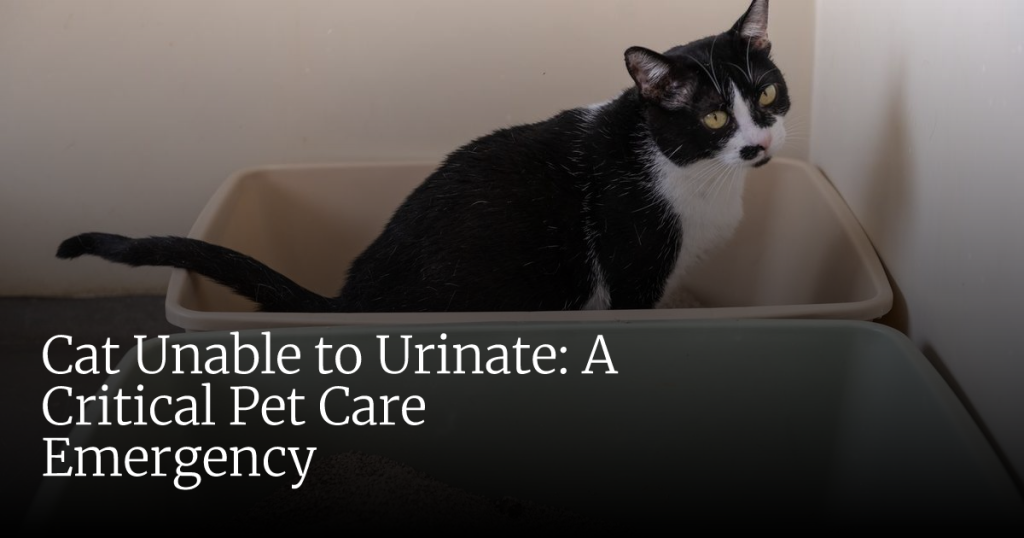
Are you worried because your cat isn’t urinating like usual? It’s a serious sign that something might be wrong with your furry friend.
When your cat stops urinating or struggles to go, it can quickly turn into a dangerous health issue. You need to understand why this happens and what steps you should take right away. Keep reading to discover the key reasons behind this problem and how you can help your cat feel better fast.
Your pet’s well-being depends on the actions you take now.
Credit: gsvs.org
Common Causes
When your cat stops urinating, it signals a serious health issue that needs your immediate attention. Understanding the common causes can help you act quickly and seek the right treatment. Let’s look at some frequent reasons why your cat might not be urinating.
Urinary Tract Infections
Urinary tract infections (UTIs) happen when bacteria enter your cat’s urinary system. This causes pain and inflammation, making it hard for your cat to urinate normally. Have you noticed your cat licking its private area more often or crying while trying to pee? These signs often point to a UTI.
Bladder Stones
Bladder stones are hard mineral deposits that form inside your cat’s bladder. They can block the flow of urine, causing discomfort and preventing urination. If your cat is straining without producing urine, bladder stones could be the cause. This condition can quickly become dangerous, so don’t delay a vet visit.
Feline Lower Urinary Tract Disease
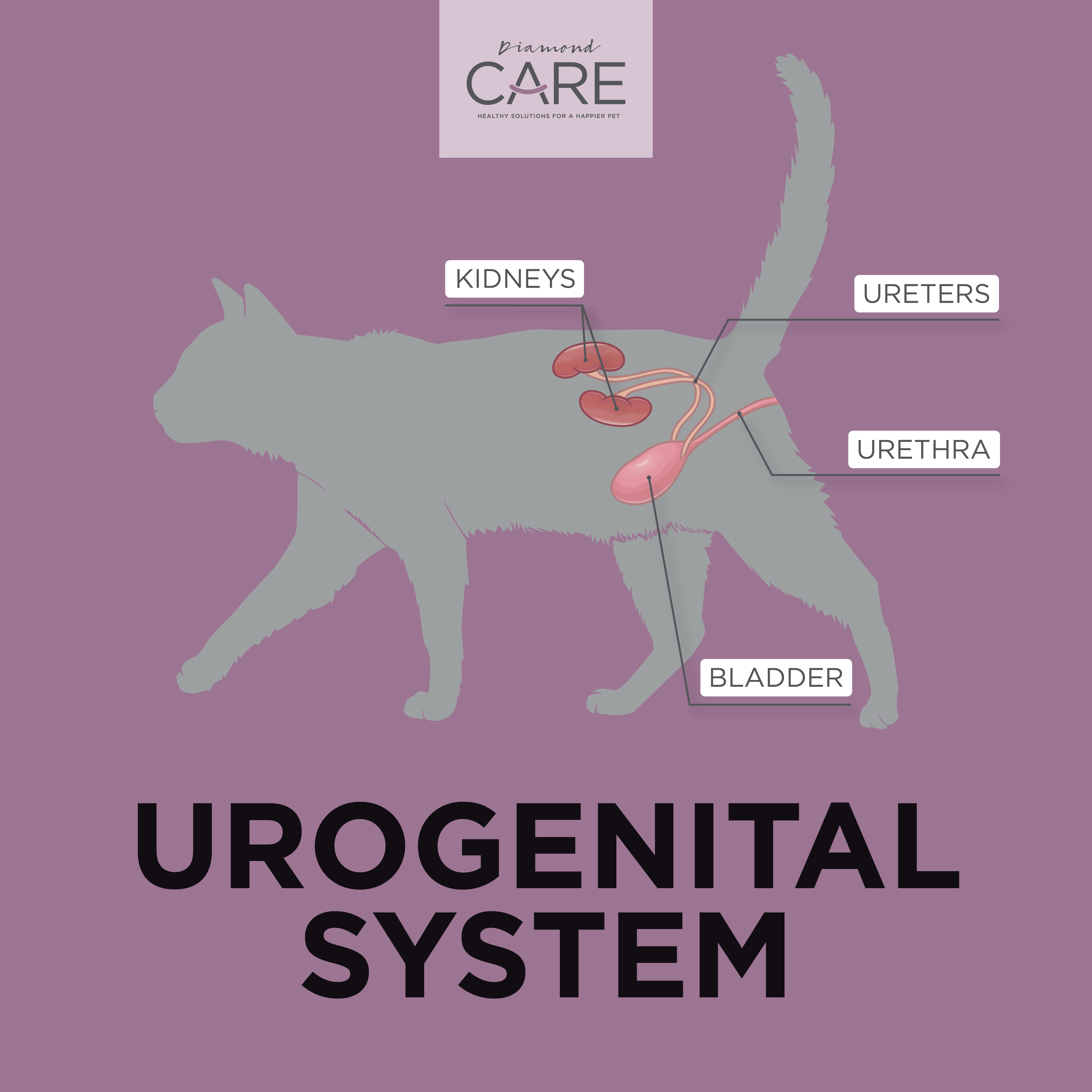
Feline Lower Urinary Tract Disease (FLUTD) is a term covering several issues affecting your cat’s bladder and urethra. Symptoms include frequent attempts to urinate, blood in the urine, and complete blockage. FLUTD can be triggered by infections, stones, or even diet problems, so pinpointing the exact cause is crucial.
Kidney Issues
Your cat’s kidneys play a key role in filtering waste and maintaining fluid balance. Kidney problems can reduce urine production or cause painful urination. If your cat seems lethargic and drinks less water, kidney issues might be affecting its ability to urinate.
Stress And Anxiety
Stress isn’t just a human problem—it can affect cats deeply too. Changes in the environment, new pets, or loud noises can trigger anxiety, which sometimes leads to urination problems. Has your cat recently experienced any major changes? Stress can cause your cat to hold in urine, risking serious complications.
Recognizing Urgent Signs
Noticing that your cat is not urinating can be alarming. Quick action is crucial because some signs indicate an urgent health issue. Recognizing these signs early can help you get the right care before the situation worsens.
Straining To Urinate
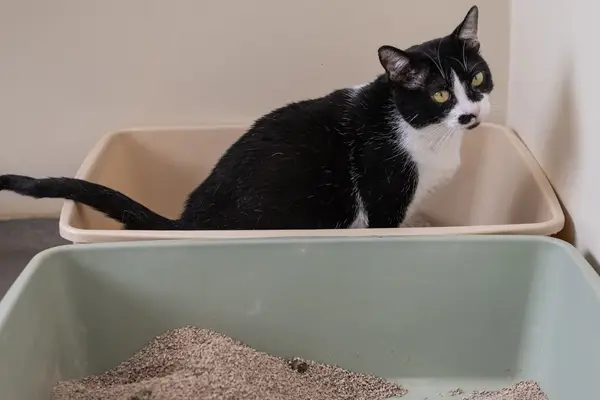
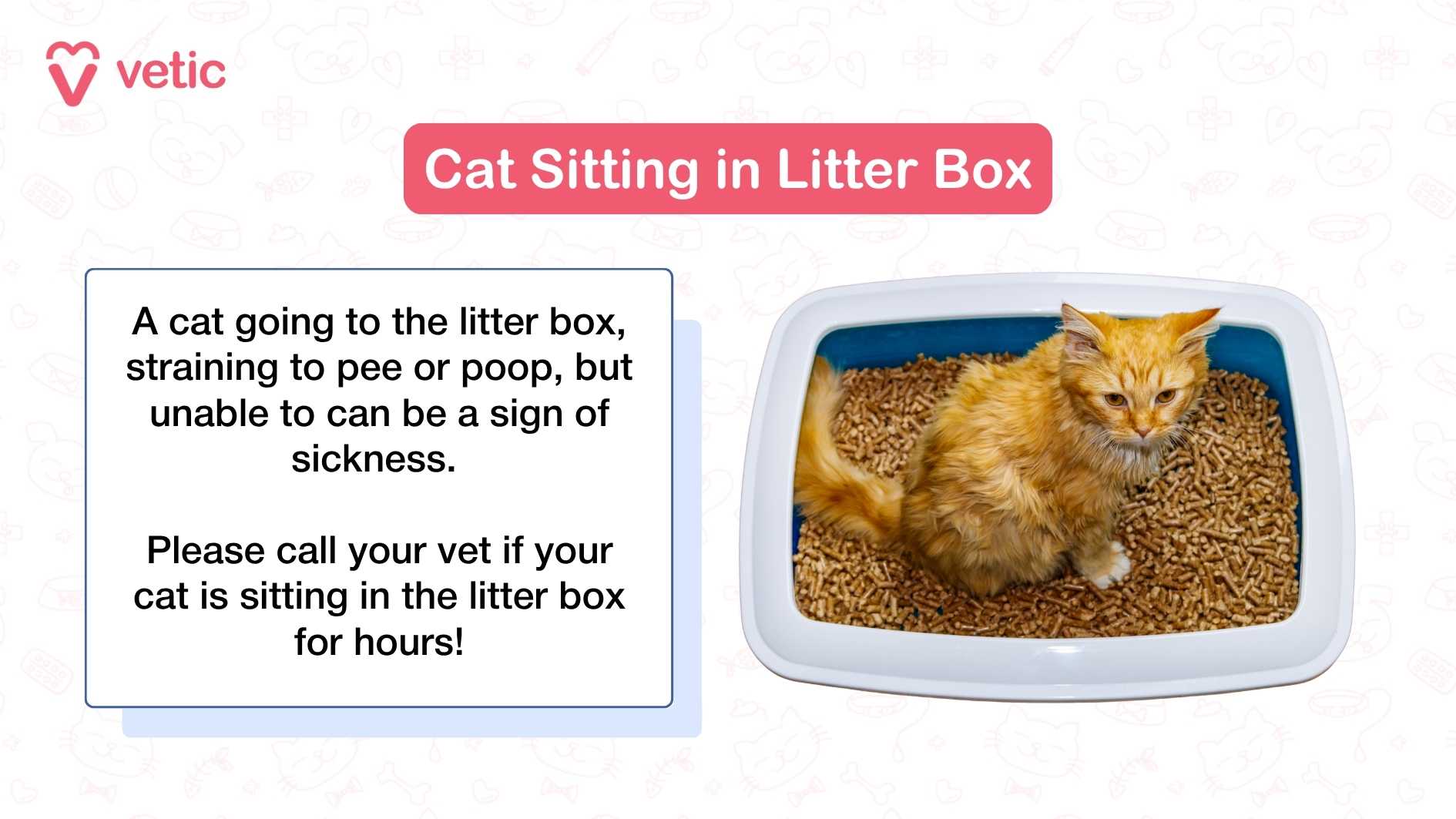
If your cat spends a long time in the litter box but only produces a few drops, this is a red flag. Straining often means there is a blockage or inflammation in the urinary tract. Ignoring this can lead to severe complications like urinary retention.
Frequent Attempts With Little Output
Does your cat keep returning to the litter box but hardly produces urine? This pattern suggests discomfort and possible obstruction. It’s essential to monitor how often your cat tries to urinate because frequent, unsuccessful attempts need urgent veterinary attention.
Blood In Urine
Seeing blood in your cat’s urine is a serious warning sign. It can indicate infections, stones, or even trauma. If you spot any pink or red discoloration in the litter box, don’t wait—contact your vet immediately.
Lethargy And Loss Of Appetite
Your cat may seem tired, less playful, or uninterested in food. These subtle signs often accompany urinary problems and hint at underlying pain or discomfort. Don’t dismiss these changes; they show your cat is struggling and needs help.
Vocalizing Pain
Pay attention if your cat meows or cries while trying to urinate or seems restless. Vocalizing pain is a clear sign that something is wrong. Have you noticed your cat acting differently during bathroom time? This could be their way of telling you they’re in distress.
Home Care Tips
When a cat stops urinating, it can be worrying for pet owners. Addressing this issue at home is possible with careful attention to their needs. Here are some home care tips to help your feline friend.
Encouraging Hydration
Cats need to stay hydrated for healthy urination. Ensure fresh water is always available. Use a clean bowl, and change the water daily. Some cats prefer running water. Consider a cat water fountain for them. Wet food can increase their moisture intake too. Add a little water to their dry food. This can help them stay hydrated.
Maintaining Clean Litter Boxes
A clean litter box encourages regular use. Scoop the box daily. Cats dislike dirty boxes. Use unscented litter to avoid overwhelming smells. Place the box in a quiet, accessible location. Multiple boxes might be needed for multiple cats. Consider one box per cat, plus one extra. This reduces competition and stress.
Reducing Stress Triggers
Stress can affect a cat’s urination habits. Provide a calm environment for them. Avoid sudden changes in their routine. Create safe spaces where they can retreat. Use pheromone diffusers to calm them naturally. Regular playtime helps reduce anxiety. Gentle interaction builds trust and comfort.
Diet Adjustments
A balanced diet supports urinary health. Feed them high-quality cat food. Special urinary health formulas are available. Consult a vet for diet recommendations. Avoid giving them human food or treats. Ensure their diet meets their nutritional needs. Proper nutrition promotes overall health and well-being.
Credit: www.diamondpet.com
When To See A Vet
Noticing your cat is not urinating is a serious concern. Immediate action can prevent severe health problems. Knowing when to visit a vet is crucial for your pet’s safety. Signs of distress or unusual behavior should never be ignored.
Emergency Symptoms
- Straining to urinate without success
- Crying or vocalizing in pain
- Swollen or hard belly
- Lethargy or weakness
- Vomiting or loss of appetite
- Frequent attempts to urinate with little output
These signs indicate a possible urinary blockage, a life-threatening condition. Immediate veterinary care is essential to save your cat’s life.
Diagnostic Tests
Veterinarians use tests to find the cause of urination problems. Common tests include:
- Urinalysis to check urine quality and infection
- Blood tests to assess kidney function
- X-rays or ultrasound to detect blockages or stones
- Physical exam to check bladder size and pain
These tests help vets decide the best treatment for your cat.
Treatment Options
Treatment depends on the diagnosis and severity of the problem. Options include:
- Fluids to relieve dehydration and flush the bladder
- Medications to ease pain and inflammation
- Catheterization to clear blockages
- Surgery for severe cases or recurrent problems
Early treatment improves your cat’s chances of recovery. Delay can lead to kidney damage or death.
Preventive Measures
Preventing urinary problems in cats is easier than treating them. Simple daily care helps keep your cat healthy and comfortable. Small changes in routine can make a big difference. Focus on regular health checks, good diet, and a happy environment.
Regular Checkups
Schedule vet visits twice a year. Early detection of issues stops serious problems. The vet can check for infections or blockages. Keep vaccination and parasite control up to date. These steps support your cat’s overall health.
Balanced Diet
Feed your cat high-quality food made for urinary health. Avoid too many dry foods, which can cause dehydration. Fresh water should always be available. Wet food helps increase water intake. Balanced nutrition supports kidney and bladder function.
Environmental Enrichment
Keep your cat active with toys and playtime. Stress can cause urinary issues. Provide quiet, safe spaces for rest. Clean litter boxes daily to encourage use. A calm, stimulating environment helps your cat relax and urinate normally.
Credit: vetic.in
Frequently Asked Questions
Why Is My Cat Not Urinating At All?
Your cat may have a urinary blockage or infection. This is a medical emergency requiring immediate vet care to prevent serious complications.
What Are Common Causes Of Feline Urinary Retention?
Urinary retention in cats often results from bladder stones, infections, or urethral obstruction. Stress and dehydration can also contribute.
Can Diet Affect My Cat’s Urination Habits?
Yes, diet impacts urine pH and volume. Poor nutrition or dehydration can cause urinary problems and reduce urination frequency.
How Can I Tell If My Cat’s Urination Is Abnormal?
Signs include straining, frequent attempts, blood in urine, or crying while urinating. These symptoms need prompt veterinary attention.
Conclusion
A cat not urinating signals a serious health problem. Act quickly to avoid pain or worse issues. Watch for signs like straining or hiding. Clean the litter box often to spot changes early. Visit a vet for a proper diagnosis and treatment.
Early care helps your cat feel better fast. Remember, your cat depends on you for help. Don’t wait if you notice any problems. Your quick action can save your cat’s life. Stay calm and act wisely.

Lily Purrington is the founder of MyKittyPicks.com, a cozy corner of the web dedicated to helping cat lovers discover the best cat products, furniture, toys, and home decor ideas.
A lifelong cat enthusiast, Lily shares trusted tips, honest product recommendations, and stylish inspiration designed to keep kitties happy and homes beautiful.
Her mission is simple: to bring together practical advice and purr-fect picks that make life better for cats and the people who love them.


