

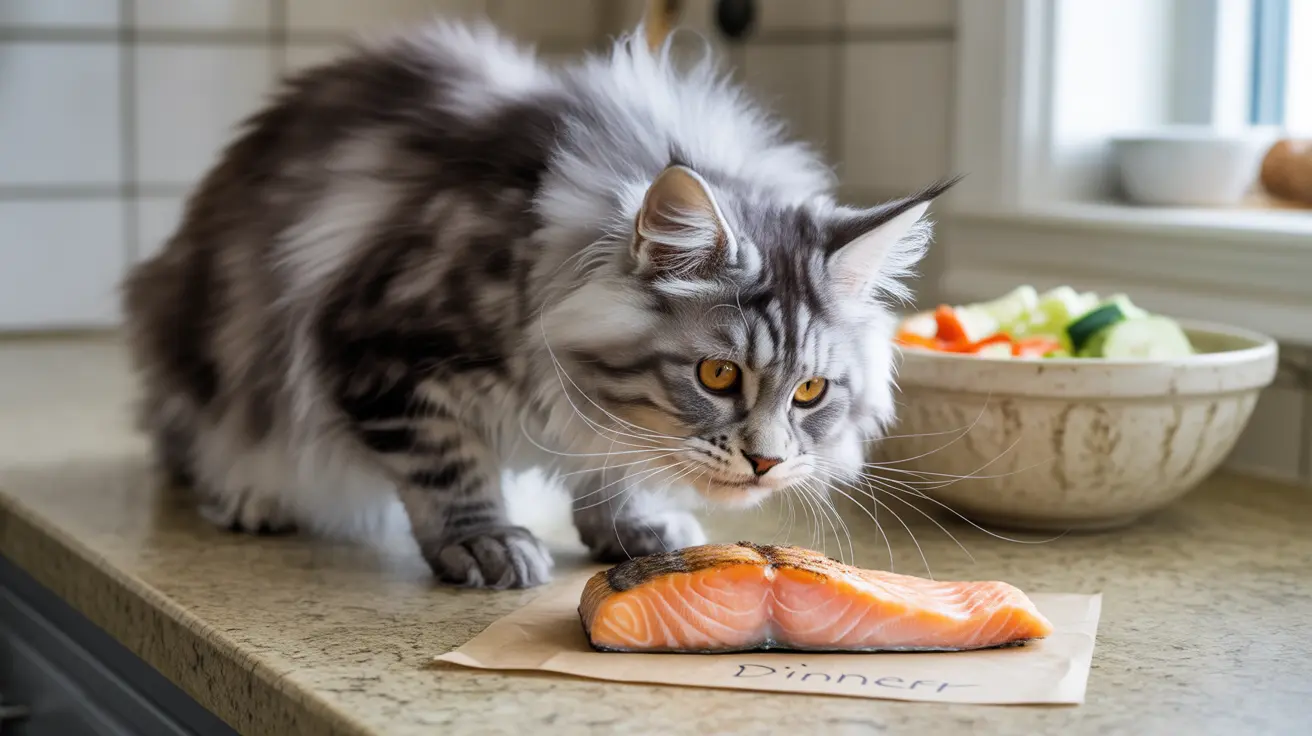
Have you ever wondered if your furry feline can enjoy a bite of raw fish? You might be tempted to share a piece of sushi or a fresh catch with your curious cat.
But before you do, it’s crucial to understand whether this treat is safe for their health. As a pet owner, you want to make the best choices for your beloved companion. We’ll explore the pros and cons of feeding raw fish to house cats.
By the end, you’ll have a clear answer to whether your kitty can indulge in this seemingly tempting meal. Keep reading to find out how you can keep your pet happy and healthy while satisfying their taste buds.
Raw Fish And Cat Diets
Raw fish often sparks curiosity among cat owners wondering if it’s a safe and healthy treat for their feline friends. Understanding how raw fish fits into a cat’s diet is key before deciding to offer it. Let’s look closely at what raw fish provides nutritionally and how it aligns with a cat’s natural eating habits.
Nutritional Content Of Raw Fish
Raw fish is rich in protein and omega-3 fatty acids, which are good for your cat’s coat and skin. It also contains vitamins like B12 and minerals such as selenium that support overall health.
However, raw fish lacks certain nutrients cats need, like taurine and some essential vitamins, which means it shouldn’t replace their regular balanced food.
Remember, raw fish can carry parasites and bacteria that may harm your cat. Proper freezing and handling reduce this risk but don’t eliminate it completely.
Natural Eating Habits Of Cats
Cats are natural hunters who eat small prey, including fish sometimes, but usually not in large amounts or raw form. Their digestive systems are adapted to handle raw meat but not all raw fish safely.
In the wild, cats rarely eat raw fish alone; they consume the entire prey, getting a balance of nutrients. Feeding only raw fish to your cat may cause nutritional gaps and health issues.
Have you noticed your cat’s reaction when you offer fish? Some cats love it, while others ignore it. Observing their preferences helps you decide if occasional raw fish treats fit your cat’s diet.
Health Risks Of Raw Fish
Feeding raw fish to your house cat might seem like a natural treat, but it comes with several health risks you should know. Raw fish can carry hidden dangers that might seriously affect your cat’s well-being. Understanding these risks helps you make safer food choices for your furry friend.
Bacterial Contamination
Raw fish can harbor harmful bacteria such as Salmonella and Listeria. These bacteria can cause severe digestive issues in cats, including vomiting and diarrhea. Have you ever noticed your cat acting off after a new food? It might be due to bacterial contamination.
Since cats have sensitive stomachs, even a small amount of bacteria can trigger illness. Always think twice before offering raw fish, especially if you’re unsure about its source or freshness.
Parasite Threats
Parasites like tapeworms and flukes often live in raw fish. These parasites can infect your cat, causing symptoms like weight loss, itching, or lethargy. Imagine your playful cat suddenly losing energy—parasites could be the hidden cause.
Cooking fish properly kills these parasites. If you prefer raw feeding, consider freezing the fish first to reduce the parasite risk. Have you checked if your cat shows any unusual signs after eating fish?
Thiamine Deficiency
Raw fish contains an enzyme called thiaminase, which breaks down thiamine (vitamin B1) in your cat’s body. Thiamine is crucial for nerve and muscle function. Without enough of it, your cat could develop neurological problems like seizures or loss of appetite.
This risk is often overlooked. If you’ve noticed your cat behaving strangely after eating fish, thiamine deficiency might be at play. Cooking fish destroys thiaminase, making it safer for your pet.
Potential Benefits Of Raw Fish
Raw fish can offer several nutritional benefits to house cats when given in moderation and prepared properly. Understanding these benefits helps you make informed choices about your cat’s diet and health. Let’s look at the key advantages that raw fish provides.
High Protein Source
Fish is packed with protein, which is essential for your cat’s muscle health and energy. Cats are obligate carnivores, meaning they need animal protein to thrive. Feeding raw fish occasionally can add variety and important amino acids to their diet.
Protein from fish supports strong muscles, sharp claws, and a shiny coat. Have you noticed how your cat’s energy improves after a protein-rich meal? That’s the power of quality protein at work.
Omega-3 Fatty Acids
Raw fish is rich in omega-3 fatty acids, which help reduce inflammation and support brain function in cats. These healthy fats contribute to a glossy coat and can improve skin health. Omega-3s also play a role in keeping your cat’s joints flexible and comfortable.
Including omega-3s in your cat’s diet may even boost their immune system, helping them fight off illness more effectively. If your cat has dry skin or dull fur, adding a bit of raw fish could make a noticeable difference.

Credit: www.catit.com
Safe Feeding Practices
Feeding raw fish to house cats requires careful attention to safety. Not all fish are safe, and improper handling can cause illness. Safe feeding practices protect your cat’s health and keep mealtime enjoyable. Understanding the right fish, preparation, and portion sizes helps prevent risks.
Choosing The Right Fish
Select fish with low mercury and fewer parasites. White fish like cod and haddock are better choices. Avoid large predatory fish like tuna or swordfish. Freshness matters; use fish caught recently. Frozen fish can be safer as freezing kills some parasites.
Proper Preparation Methods
Wash fish thoroughly before feeding. Remove bones to prevent choking hazards. Cut fish into small, manageable pieces. Freezing fish at -4°F (-20°C) for at least 7 days kills parasites. Avoid seasoning or adding salt, as cats need plain fish. Use clean utensils and surfaces to avoid contamination.
Portion Control
Feed raw fish only occasionally as a treat. Small portions avoid nutritional imbalance. A few small bites are enough for most cats. Monitor your cat for any allergic reactions or stomach upset. Balance the diet with commercial cat food or other protein sources. Never replace the entire diet with raw fish alone.
Signs Of Fish-related Illness
Fish can be a risky food for house cats. Eating raw fish might cause illness. Recognizing signs of fish-related illness helps protect your pet’s health. Watch closely after your cat eats fish. Early detection leads to faster care and better recovery.
Digestive Issues
One common sign is digestive trouble. Your cat may vomit often or have diarrhea. Stomach pain can make them avoid food. Notice if your cat’s litter box habits change. Constipation or unusual stools are warning signs. Digestive problems often appear within hours after eating raw fish.
Behavioral Changes
Fish-related illness can affect your cat’s behavior. They might seem weak or tired. Lack of interest in play or usual activities is a red flag. Some cats hide or avoid contact with people. Restlessness or unusual meowing can also occur. These changes show your cat is not feeling well.

Credit: www.catit.com
Expert Advice On Feeding Fish
Feeding fish to house cats raises many questions about safety and nutrition. Experts provide clear guidance to help pet owners make wise choices. Understanding their advice helps keep cats healthy and happy.
Veterinarian Recommendations
Veterinarians often warn against feeding raw fish to cats. Raw fish can carry parasites and bacteria harmful to cats. It may also contain an enzyme that destroys vitamin B1. A lack of vitamin B1 leads to serious health problems like nerve damage.
Cooked fish is safer because heat kills parasites and harmful bacteria. Many vets suggest limiting fish to occasional treats. Fish should not replace a balanced cat diet. Always check with a vet before adding fish to your cat’s meals.
Alternatives To Raw Fish
Safe fish options include cooked or canned fish without added salt or spices. Salmon, tuna, and whitefish are popular choices. These types provide good protein and omega-3 fatty acids. Omega-3 supports a shiny coat and healthy skin.
- Cook fish thoroughly to kill parasites and bacteria
- Offer small portions to avoid stomach upset
- Choose fish free from seasoning or sauces
- Use high-quality commercial cat foods with fish ingredients
Other protein sources like chicken or turkey are great alternatives. They offer balanced nutrition without risks linked to raw fish. Variety in your cat’s diet helps maintain health and interest in food.
Credit: www.petscare.com
Frequently Asked Questions
Can House Cats Safely Eat Raw Fish?
Raw fish can carry bacteria and parasites that harm cats. It’s best to avoid feeding raw fish to house cats to prevent illness.
What Risks Come From Feeding Cats Raw Fish?
Raw fish may cause infections and nutrient imbalances in cats. It can also lead to thiamine deficiency, which affects cat health.
How Often Can Cats Eat Fish Safely?
Fish should be an occasional treat, not a daily meal. Moderation helps avoid nutritional problems and keeps cats healthy.
Is Cooked Fish Better Than Raw For Cats?
Yes, cooked fish eliminates harmful bacteria and parasites. Always ensure fish is plain, without seasoning or additives.
Conclusion
Raw fish can pose health risks to house cats. It may contain bacteria or parasites that harm them. Cooking fish removes these dangers and is safer. Cats need a balanced diet for good health. Treat raw fish only occasionally and with care.
Always check with your vet before offering new foods. Your cat’s safety and happiness matter most. Choose safe, healthy food to keep them strong.

Lily Purrington is the founder of MyKittyPicks.com, a cozy corner of the web dedicated to helping cat lovers discover the best cat products, furniture, toys, and home decor ideas.
A lifelong cat enthusiast, Lily shares trusted tips, honest product recommendations, and stylish inspiration designed to keep kitties happy and homes beautiful.
Her mission is simple: to bring together practical advice and purr-fect picks that make life better for cats and the people who love them.


