
Are you wondering if crystal cat litter is a safe choice for your furry friend? With so many options available, it’s easy to feel confused about what’s best for your cat’s health and comfort.
You want something that keeps your home fresh without causing harm to your pet. You’ll discover the truth about crystal cat litter, including its safety, benefits, and what you should watch out for. Keep reading to make the best decision for your cat and your peace of mind.
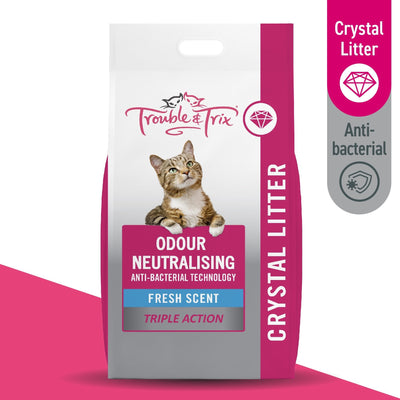
Credit: woononapetfoods.com.au
What Is Crystal Cat Litter
Crystal cat litter is a popular choice among cat owners. It offers a different approach to managing cat waste compared to traditional clay litters. This type of litter uses unique materials to control odor and absorb moisture efficiently. Many pet owners choose crystal cat litter for its low dust and long-lasting use.
Composition And Materials
Crystal cat litter is made from silica gel crystals. These crystals are tiny, transparent beads. Silica gel is a form of silicon dioxide. It has a porous structure that traps moisture effectively. The crystals do not clump like clay but absorb liquid quickly. Some brands add fragrances to mask odors, while others keep it unscented for sensitive cats.
How It Works
The crystals absorb urine instantly and lock in moisture. This stops the litter box from becoming wet and smelly. Solid waste remains on the surface for easy scooping. The silica gel also traps odors inside the beads. This helps keep the litter box fresh for longer periods. Crystal litter usually lasts longer than clay litter, reducing the frequency of changes.

Credit: crystalcleanlitter.com
Safety For Cats
Cat owners want the best for their pets. Safety is a top concern when choosing cat litter. Crystal cat litter is popular due to its absorbency and odor control. Understanding its safety for cats helps owners make smart choices. This section explores key safety aspects for cats using crystal litter.
Non-toxic Properties
Crystal cat litter is mostly made from silica gel beads. These beads are non-toxic and safe if cats touch or walk on them. They do not contain harmful chemicals or fragrances. This reduces the risk of poisoning or allergic reactions. Non-toxic materials help keep cats healthy and comfortable.
Potential Health Risks
Dust from crystal litter can irritate a cat’s lungs. Cats with breathing problems may cough or sneeze near the litter box. Swallowing small amounts of beads is usually not harmful but should be avoided. Sharp edges on some crystals may cause minor paw discomfort. Monitoring your cat’s reaction is important to spot any issues early.
Suitability For Sensitive Cats
Cats with sensitive skin or allergies may react to crystal litter. The rough texture can cause paw irritation in some cats. Cats prone to respiratory problems might not do well with dusty types. Testing a small amount first helps check for any negative effects. For sensitive cats, softer or low-dust litters might be better options.
Safety For Humans
When choosing cat litter, human safety is a vital concern. Crystal cat litter, made from silica gel, offers several benefits. Yet, understanding its safety for humans is essential.
Dust And Allergens
Crystal cat litter produces less dust compared to clay litter. This means fewer airborne particles to breathe in. For people with allergies, this can be beneficial. Less dust means fewer sneezes and less irritation.
Despite its low dust levels, some sensitive individuals might still experience reactions. Always monitor for any signs of discomfort when near the litter box.
Handling Precautions
Handling crystal cat litter requires care. Always wash your hands after touching the litter. This prevents any potential irritation. Use a scoop to handle the litter instead of bare hands.
Keep the litter away from your face while scooping. This reduces the risk of inhaling small particles. It is also wise to store the litter in a dry place. Moist conditions can alter the litter’s texture and effectiveness.
Environmental Impact
Crystal cat litter has gained popularity for its odor control and low dust features. Understanding its environmental impact helps pet owners make responsible choices. This section explores the biodegradability and disposal methods of crystal cat litter. These factors determine how eco-friendly this litter truly is.
Biodegradability
Most crystal cat litters are made from silica gel, a non-biodegradable material. Silica crystals do not break down naturally in soil or water. This means they can remain in the environment for a long time. Unlike clay or natural plant-based litters, silica litter is not compostable.
Because it does not decompose, crystal litter can contribute to landfill waste. This is a concern for eco-conscious pet owners. Choosing biodegradable litters helps reduce environmental harm. Crystal litter’s long-lasting nature offers convenience but lessens its green credentials.
Disposal Methods
Disposing of crystal cat litter requires care to protect the environment. This litter cannot be flushed down toilets or drains. Doing so may cause plumbing problems and water pollution.
The best way to dispose of used crystal litter is in the trash. Place the litter in a sealed bag to prevent dust and odor. Dispose of it with regular household waste. Avoid dumping it in nature or gardens.
Some communities have special waste programs for pet litter. Check local guidelines for proper disposal options. Following safe disposal practices helps reduce environmental damage from crystal litter.
Comparing Crystal Litter With Other Types
Choosing the right cat litter can feel overwhelming with so many options available. Comparing crystal cat litter with other popular types helps you understand what fits your lifestyle and your cat’s needs best. Let’s look closely at how crystal litter stacks up against clumping clay and natural biodegradable litters.
Clumping Clay Litter
Clumping clay litter is one of the most common types you’ll find. It forms solid clumps when wet, making scooping easier and helping control odors effectively.
However, clay litter can be dusty, which might irritate your cat’s respiratory system or even yours. In contrast, crystal litter produces little to no dust, making it a better option if you or your pet have allergies.
Another consideration is weight. Clay litter is often heavier, so carrying and changing it can be a chore. Crystal litter is lighter, which can save you some hassle during litter box maintenance.
Natural And Biodegradable Options
Natural litters like those made from corn, wheat, or pine appeal to eco-conscious cat owners. These options break down faster in the environment, reducing landfill waste.
But natural litters often don’t control odor as well as crystal litter does, and some cats may take longer to adjust to the texture. Crystal litter excels in odor control thanks to its silica gel beads, which trap moisture efficiently.
Think about your priorities: Is biodegradability more important, or is odor control your top concern? Your choice might depend on which factor matters more to your daily routine and your cat’s comfort.

Credit: petsdomain.com.au
Expert Tips For Using Crystal Litter
Using crystal cat litter correctly helps keep your home fresh and your cat happy. Experts share tips to get the best results with this litter type. Proper use also extends the litter’s life and maintains safety for your pet.
Best Practices For Maintenance
- Scoop out solid waste daily to prevent odor build-up.
- Stir the crystals gently to spread moisture evenly.
- Replace the entire litter every two to three weeks.
- Wash the litter box with mild soap during litter changes.
- Keep the litter box in a dry, well-ventilated area.
- Monitor the litter level; add fresh crystals as needed.
Signs To Switch Litter Types
- Your cat avoids the litter box or shows distress.
- Persistent strong odors despite regular cleaning.
- Excessive dust causing respiratory issues for you or your cat.
- Crystals clumping or breaking down too quickly.
- Your cat develops skin irritation or allergies.
- Difficulty maintaining cleanliness or litter box hygiene.
Frequently Asked Questions
Is Crystal Cat Litter Safe For My Cat’s Health?
Yes, crystal cat litter is generally safe for cats. It is made from silica gel, which controls odor and moisture effectively. However, some cats may be sensitive to dust, so monitor your cat’s reaction when switching to this litter.
Can Crystal Litter Cause Respiratory Problems In Cats?
Crystal cat litter produces minimal dust compared to clay litter. This reduces the risk of respiratory issues. Still, ensure good ventilation in the litter area to keep your cat comfortable and healthy.
How Does Crystal Cat Litter Affect Odor Control?
Crystal litter excels at odor control by absorbing moisture quickly. Its silica crystals trap odors effectively, keeping the litter box fresher longer. This makes it a preferred choice for many cat owners.
Is Crystal Cat Litter Safe For Kittens And Pregnant Cats?
Crystal litter is generally safe but may not be ideal for kittens or pregnant cats. Their sensitive respiratory systems might react to the crystals. Consult your vet before using it for these cats.
Conclusion
Crystal cat litter offers good odor control and easy cleanup. It is generally safe for healthy cats and homes. Some cats may not like the texture or dust. Always watch your pet’s reaction when trying new litter. Clean the litter box often to keep it fresh and healthy.
Choose a litter that fits your cat’s needs and your lifestyle. Safety and comfort matter most for your pet’s happiness.

Lily Purrington is the founder of MyKittyPicks.com, a cozy corner of the web dedicated to helping cat lovers discover the best cat products, furniture, toys, and home decor ideas.
A lifelong cat enthusiast, Lily shares trusted tips, honest product recommendations, and stylish inspiration designed to keep kitties happy and homes beautiful.
Her mission is simple: to bring together practical advice and purr-fect picks that make life better for cats and the people who love them.


