

Have you ever checked your cat food label and wondered, “What exactly is chicken meal?” If you’re trying to give your furry friend the best nutrition, understanding ingredients like chicken meal is key. It’s more than just a fancy term—it can affect your cat’s health and energy.
Keep reading, because knowing what chicken meal really means will help you make smarter choices for your pet’s diet.
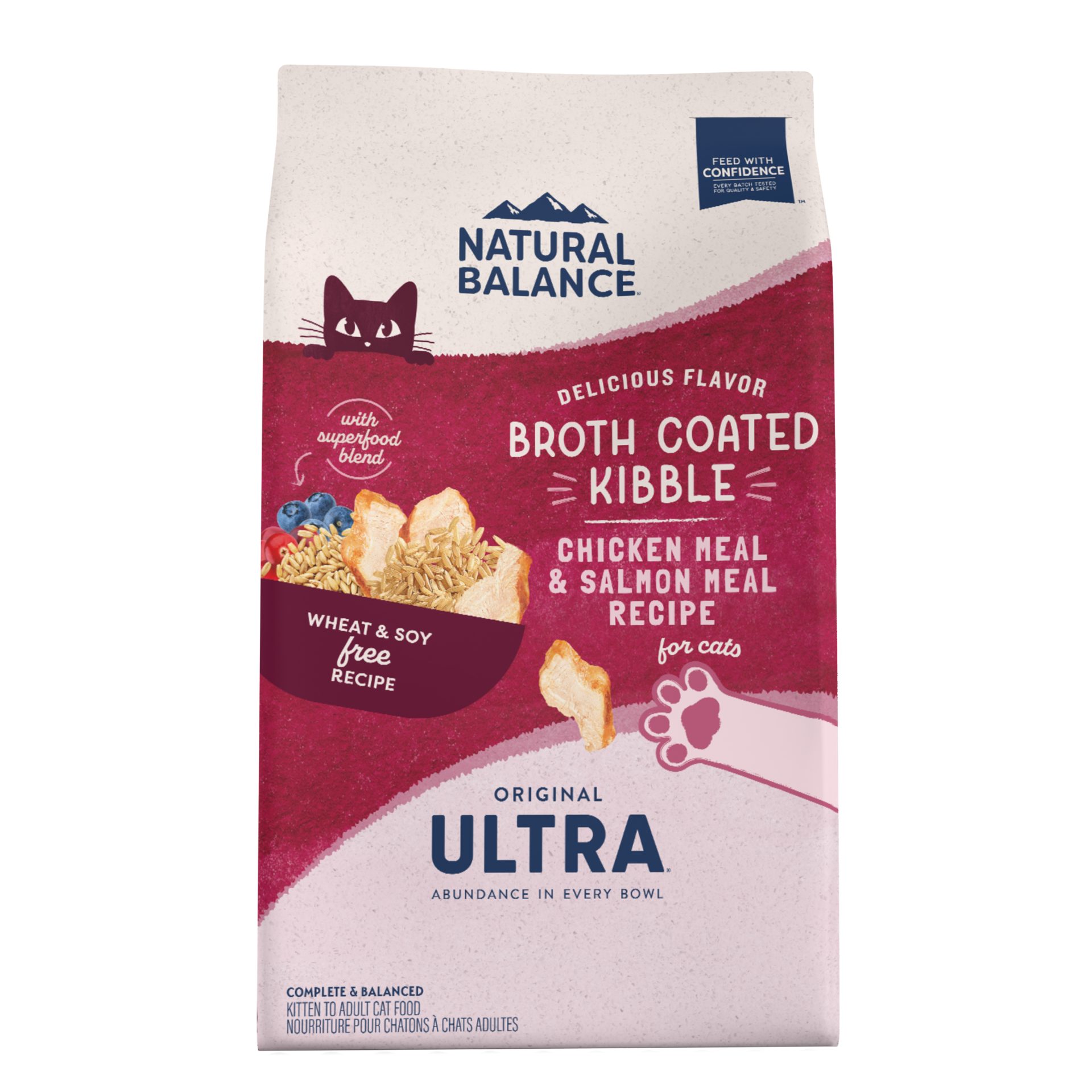
Credit: www.naturalbalanceinc.com
What Is Chicken Meal
Chicken meal is a common ingredient in many cat foods. It provides essential nutrients that support your cat’s health. Understanding chicken meal helps pet owners make better food choices for their cats.
What Is Chicken Meal?
Chicken meal is a dry, ground product made from chicken parts. These parts include muscle, skin, and sometimes bones. It is cooked at high temperatures to remove water and fat.
This process concentrates the protein content. Chicken meal contains more protein than regular chicken meat. It is often used in pet food to boost protein levels without adding extra moisture.
How Is Chicken Meal Made?
The process starts with fresh chicken parts. They are cooked to remove fat and water. Then, the cooked parts are ground into a fine powder.
This powder is chicken meal. It has a long shelf life and is easy to mix with other ingredients. The cooking process kills bacteria, making it safe for pets.
Why Is Chicken Meal Used In Cat Food?
- High protein content to support muscle growth
- Concentrated nutrients for balanced cat diets
- Long shelf life compared to fresh chicken
- Cost-effective protein source for manufacturers
Is Chicken Meal Healthy For Cats?
Chicken meal provides essential amino acids cats need. It supports healthy skin, coat, and muscles. Quality chicken meal is free from fillers and low-grade parts.
Choosing cat food with named meat meals is often a good sign. It shows the food contains real protein sources rather than by-products or fillers.
Nutritional Benefits Of Chicken Meal
Chicken meal is a concentrated source of nutrients in cat food, offering more than just protein. It provides essential building blocks that support your cat’s overall health, energy, and vitality. Understanding the nutritional benefits helps you make smarter choices for your feline friend’s diet.
High Protein Content For Muscle Health
Chicken meal contains a high amount of protein, which is vital for your cat’s muscle development and repair. Unlike fresh chicken, chicken meal is dehydrated, so it packs more protein per serving. This means your cat gets stronger muscles and better energy levels from less food.
Rich Source Of Essential Amino Acids
Proteins in chicken meal include essential amino acids that your cat cannot produce on its own. These amino acids support immune function, skin health, and tissue repair. Have you noticed your cat’s coat looking shinier after switching to food with chicken meal? That’s the amino acids at work.
Concentrated Nutrients For Better Digestion
Chicken meal is easier for cats to digest because it is processed to remove excess water and fat. This concentration makes nutrients more bioavailable, so your cat absorbs more vitamins and minerals. Better digestion means fewer stomach upsets and more efficient nutrient use.
Supports Healthy Weight Management
Because chicken meal is nutrient-dense and high in protein, it helps maintain lean muscle mass without adding unnecessary fat. This balance is crucial if your cat needs to lose weight or maintain a healthy figure. Could this be the key to managing your cat’s weight without sacrificing nutrition?
Contains Natural Vitamins And Minerals
Chicken meal naturally includes important vitamins like B vitamins and minerals such as phosphorus and zinc. These nutrients help with energy production, bone health, and immune defense. When you choose cat food with chicken meal, you’re providing your cat with a well-rounded diet that supports everyday health.
Processing Of Chicken Meal
Understanding how chicken meal is processed can give you a clearer picture of what you’re feeding your cat. The process transforms raw chicken parts into a concentrated protein source that fits perfectly in cat food recipes. This method preserves essential nutrients while removing moisture and fat, making chicken meal a dense and nutritious ingredient.
Rendering The Chicken
The first step involves cooking the chicken by heating it at high temperatures. This process, called rendering, removes water and fat from the raw chicken parts like bones, skin, and meat scraps.
Rendering helps reduce the weight and volume of the chicken, concentrating the protein content. It also kills bacteria, making the product safer for your pet.
Grinding And Drying
After rendering, the cooked material is ground into smaller pieces to create a uniform texture. Then, it undergoes drying to remove any remaining moisture.
This drying step is crucial because moisture can cause spoilage and reduce shelf life. By removing water, manufacturers ensure chicken meal stays fresh longer and has a stable nutrient profile.
Quality Checks And Packaging
Before packaging, the chicken meal goes through strict quality checks. These tests check protein levels, fat content, and contaminants to make sure the meal meets safety and nutrition standards.
Once approved, the chicken meal is packaged and sent to pet food companies, where it becomes an important ingredient in your cat’s diet.
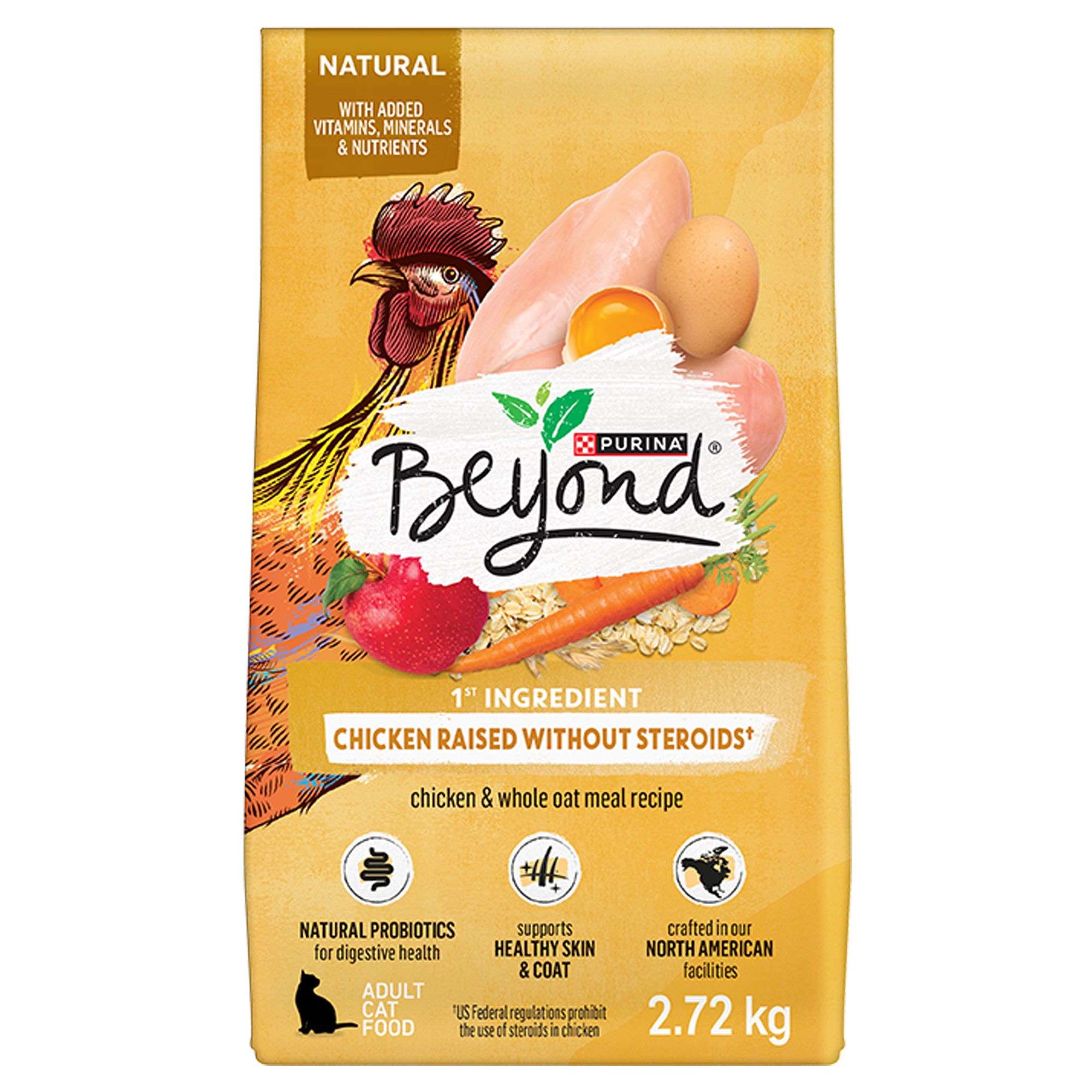
Credit: www.petsmart.ca
Chicken Meal Vs. Fresh Chicken
Understanding the difference between chicken meal and fresh chicken in cat food can help you make better choices for your pet’s nutrition. Both ingredients come from chicken, but they are processed differently and provide distinct benefits. Knowing how each affects your cat’s diet can guide you in selecting the right food.
What Is Chicken Meal?
Chicken meal is made by cooking chicken meat to remove most of the water and fat, leaving a concentrated protein source. It includes muscle meat, skin, and sometimes bone, all ground into a fine powder. This process makes chicken meal more nutrient-dense than fresh chicken by weight.
Because chicken meal is dried, it has less moisture, which means more protein per serving. This can be beneficial for your cat if you want to ensure they get enough protein without extra water content. Have you noticed how some cat foods list chicken meal as a top ingredient? That’s because it packs a protein punch.
How Fresh Chicken Differs
Fresh chicken is simply raw chicken meat without any drying or cooking involved before it is added to the food. It contains high moisture content, usually around 70%, which lowers the overall protein density compared to chicken meal. Fresh chicken also offers a more natural taste and texture in pet food.
However, because of its high moisture, fresh chicken weighs more but provides less protein per pound than chicken meal. This means you might need to feed larger portions to meet your cat’s protein needs. Have you ever wondered why some wet foods emphasize fresh chicken but have lower protein percentages?
Which Is Better For Your Cat?
Neither chicken meal nor fresh chicken is automatically better; it depends on your cat’s dietary needs and the overall recipe. Chicken meal offers more protein in a smaller amount, which is great for dry cat foods where moisture is low. Fresh chicken adds moisture and palatability, often favored in wet foods.
Look closely at the ingredient list and guaranteed analysis on your cat food label. A balanced diet may include both ingredients to provide protein and moisture. What matters most is the quality and source of the chicken, not just whether it’s fresh or meal.
Practical Tips For Choosing Cat Food
- Check the protein percentage to ensure your cat gets enough for energy and muscle health.
- Consider your cat’s preferences—some cats prefer the taste of fresh chicken over chicken meal.
- Remember that chicken meal can be a sign of concentrated nutrition, especially in dry kibble.
- Don’t rely solely on the ingredient name; investigate the food’s overall nutritional profile.
Next time you shop for cat food, ask yourself: does this product meet my cat’s unique needs? Understanding the difference between chicken meal and fresh chicken can help you make a more informed choice.
Quality Indicators In Chicken Meal
Quality indicators in chicken meal help determine its nutritional value for cats. Not all chicken meals are equal. High-quality chicken meal provides essential proteins and nutrients. It comes from clean, well-processed parts of the chicken. Poor quality chicken meal may include unwanted fillers and by-products.
Knowing what to look for ensures your cat gets the best nutrition. These indicators help you pick cat food with reliable chicken meal content.
Source Of Chicken Meal
The source of chicken meal matters. It should come from whole chicken parts like muscle and skin. Avoid chicken meal made from feathers, beaks, or feet. These parts have less protein and lower digestibility. Trusted brands often disclose their chicken meal source clearly.
Protein Content
Protein is the main benefit of chicken meal. High-quality chicken meal usually has 60-70% protein. This supports your cat’s muscle health and energy. Check the label for protein percentage in the chicken meal. Lower protein levels may indicate poor quality or fillers.
Processing Standards
Proper processing keeps chicken meal safe and nutritious. The meal should be cooked at controlled temperatures to remove bacteria. Overheating can damage proteins and reduce nutrient value. Look for products made in facilities following strict safety standards.
Absence Of Fillers And Additives
Good chicken meal contains little to no fillers like corn or wheat. These fillers lower the meal’s protein concentration. Avoid meals with added artificial colors, flavors, or preservatives. Pure chicken meal is clean and simple, focusing on nutrition.
Moisture And Ash Levels
| Indicator | Ideal Range | Why It Matters |
|---|---|---|
| Moisture | 10% or less | Prevents mold and spoilage |
| Ash | 8-12% | Represents mineral content |
Moisture above 10% can cause spoilage. Ash shows minerals in the meal. Too high ash means excess bone or mineral content. Balanced moisture and ash indicate good processing and ingredient quality.
Common Misconceptions
Chicken meal often sparks confusion among cat owners. Many assume it’s a low-quality filler or something to avoid at all costs. However, these beliefs don’t always hold up when you look closer at what chicken meal really is.
What Chicken Meal Actually Means
Chicken meal is simply chicken that has been cooked to remove water and fat, leaving behind a concentrated protein source. It’s not just leftover scraps or filler. The process makes the nutrients more dense, which can be better for your cat’s diet.
If you’ve ever noticed your cat thriving on food containing chicken meal, it’s likely because the protein content is higher and more consistent than fresh chicken alone.
Is Chicken Meal A Filler Or Low-quality Ingredient?
Many people think chicken meal is a cheap filler, but that’s not true. Fillers are usually ingredients like corn or wheat that add bulk but little nutrition.
Chicken meal, on the other hand, provides essential proteins and amino acids cats need. It’s often more nutrient-rich than fresh chicken, which contains high water content.
Does Chicken Meal Include Unwanted Parts?
There’s a fear that chicken meal contains beaks, feathers, or other unwanted parts. While these parts may be included in the raw material, strict regulations ensure the final product is safe and nutritious.
Rendering processes remove non-nutritive components, leaving a clean, protein-packed meal. Have you checked your pet food label to see if it meets quality standards?
Why Quality Matters More Than The Name
The source and processing of chicken meal matter far more than the name itself. Not all chicken meal is created equal—some comes from well-raised chickens, others from questionable sources.
Look for brands that specify the origin of their chicken meal or have transparency about their sourcing. Would you trust your cat’s health to vague labels?
How To Choose Cat Food With Chicken Meal
Choosing cat food with chicken meal requires careful attention to detail. Chicken meal is a concentrated source of protein, making it a valuable ingredient in cat food. Not all chicken meals are equal, so it’s important to pick the right product. Understanding labels and brand reputation helps you find quality food for your cat’s health and happiness.
Reading Ingredient Labels
Start by examining the ingredient list on the cat food package. Chicken meal should be one of the first ingredients listed. This means it is a major part of the food. Avoid foods with vague terms like “meat meal” without specifying chicken. Look for clear labeling such as “chicken meal” or “deboned chicken meal.”
Check for fillers and artificial additives. Ingredients like corn, wheat, or soy add little nutrition. Choose foods with fewer fillers and more natural sources of protein. Ingredients should be easy to understand and recognizable.
Identifying Reliable Brands
Choose brands known for quality control and transparency. Reliable brands often share detailed information about ingredient sourcing. They usually have good reviews from pet owners and veterinarians. Brands that invest in research and follow strict manufacturing standards are safer bets.
Look for certifications from pet food regulatory bodies. Brands with these certifications follow guidelines that protect your cat’s health. Avoid brands that do not clearly state their ingredient sources or manufacturing practices.
Credit: www.fortinos.ca
Potential Allergies And Sensitivities
Chicken meal is a common ingredient in many cat foods, but it can sometimes trigger allergies or sensitivities in some cats. Understanding these reactions helps you choose the right diet for your feline friend. If your cat shows signs of discomfort, knowing what to look for can make a big difference.
Signs Of Allergies And Sensitivities To Chicken Meal
Allergic reactions to chicken meal in cat food can show up in various ways. Watch for symptoms like itching, redness, or hair loss, especially around the face and ears. Digestive issues such as vomiting or diarrhea can also be clues.
Some cats may develop ear infections or experience excessive scratching. If your cat has any of these symptoms, it might be time to reconsider their food ingredients.
Why Chicken Meal Can Cause Allergies
Chicken meal is made from rendered chicken parts, which can include skin, bones, and organs. Some cats develop allergies to the proteins found in these parts. Over time, repeated exposure can sensitize your cat’s immune system.
It’s important to remember that allergies are not limited to fresh chicken; chicken meal can trigger reactions too. The processing does not eliminate allergenic proteins entirely.
How To Identify If Your Cat Is Sensitive To Chicken Meal
Eliminating chicken meal from your cat’s diet and observing changes is a practical way to test for sensitivity. You might notice improvements in skin condition or digestion within a few weeks. Keeping a food diary can help track symptoms and reactions clearly.
Consulting with your vet about allergy testing or an elimination diet plan is a smart step. Have you tried switching your cat’s food to see if they feel better?
Chicken Meal In Specialized Cat Diets
Chicken meal plays a vital role in specialized cat diets. It offers a concentrated source of protein essential for feline health. This ingredient supports muscle growth and overall energy.
Specialized cat foods often include chicken meal to meet specific nutritional needs. Cats require high-quality protein for their active lifestyle and well-being. Chicken meal provides this in a digestible and nutrient-rich form.
What Makes Chicken Meal Different In Specialized Diets?
Chicken meal is made by cooking chicken meat and removing water and fat. This process concentrates protein and nutrients. Unlike raw chicken, it has a longer shelf life and consistent quality. Specialized diets use this ingredient for balanced nutrition.
Benefits Of Chicken Meal For Cats With Allergies
Chicken meal can be a good option for cats with food allergies. It is less likely to cause reactions than fresh chicken. Many hypoallergenic diets include chicken meal as a protein source. It helps maintain health without triggering allergies.
How Chicken Meal Supports Weight Management
High protein content in chicken meal helps cats feel full longer. This reduces overeating and supports healthy weight. Specialized diets use chicken meal to control calories while providing energy. It aids in maintaining lean muscle mass during weight loss.
Role Of Chicken Meal In Grain-free Cat Foods
Grain-free diets often rely on chicken meal for protein. It replaces grains as an energy source for cats. This suits cats with grain sensitivities or digestive issues. Chicken meal keeps these diets rich in protein and nutrients.
Frequently Asked Questions
What Is Chicken Meal In Cat Food?
Chicken meal is a concentrated protein made by cooking chicken meat and removing water and fat. It offers high protein content for cats, making it a nutritious ingredient in cat food.
How Is Chicken Meal Different From Chicken Meat?
Chicken meal is dehydrated and concentrated, while chicken meat contains more water. This makes chicken meal richer in protein and nutrients per serving.
Is Chicken Meal Safe For Cats To Eat?
Yes, chicken meal is safe and commonly used in quality cat foods. It provides essential protein and nutrients needed for feline health.
Does Chicken Meal Provide More Protein Than Fresh Chicken?
Yes, chicken meal contains more protein per weight since it is dehydrated. This makes it a valuable protein source in cat food formulas.
Conclusion
Chicken meal is a common ingredient in cat food. It provides protein and nutrients cats need. It comes from cooked, ground chicken parts. This makes it more concentrated than fresh chicken. Cats benefit from chicken meal’s high protein content. Reading labels helps you understand what’s inside the food.
Choosing cat food with quality ingredients supports your pet’s health. Always pick options that suit your cat’s needs best. Understanding chicken meal helps you feed your cat better. Simple knowledge leads to smarter pet care decisions.

Lily Purrington is the founder of MyKittyPicks.com, a cozy corner of the web dedicated to helping cat lovers discover the best cat products, furniture, toys, and home decor ideas.
A lifelong cat enthusiast, Lily shares trusted tips, honest product recommendations, and stylish inspiration designed to keep kitties happy and homes beautiful.
Her mission is simple: to bring together practical advice and purr-fect picks that make life better for cats and the people who love them.


